The Mazda 2.5 Turbo has become one of the brand’s most talked about engines. It delivers strong acceleration, impressive torque, and a refined driving experience. Many popular models use this engine, including the Mazda CX 5, CX 50, CX 9, Mazda3 Turbo, and Mazda6. These vehicles attract buyers who want more power without moving to a larger engine.
Despite its popularity, many buyers still ask one important question. Is the Mazda 2.5 Turbo reliable for long term ownership? This concern makes sense because turbocharged engines operate under higher temperatures and greater pressure than naturally aspirated engines. Buyers also want to avoid expensive repairs after the factory warranty expires.
The good news is that the Mazda 2.5 Turbo has built a solid reputation for durability. Many owners have driven well over 100,000 miles with few major problems. However, no engine is perfect. Some owners have reported oil consumption, coolant leaks, carbon buildup, and a small number of cylinder head issues. Knowing which problems are common and which are uncommon can help you make a smarter buying decision.
This guide explains everything you need to know about the Mazda 2.5 Turbo. You will learn how the engine works, what problems owners report most often, how long it can last, and what maintenance helps it stay reliable. You will also discover whether a used Mazda with this engine is worth buying and how it compares with other turbocharged engines in its class.
What Is the Mazda 2.5 Turbo Engine?
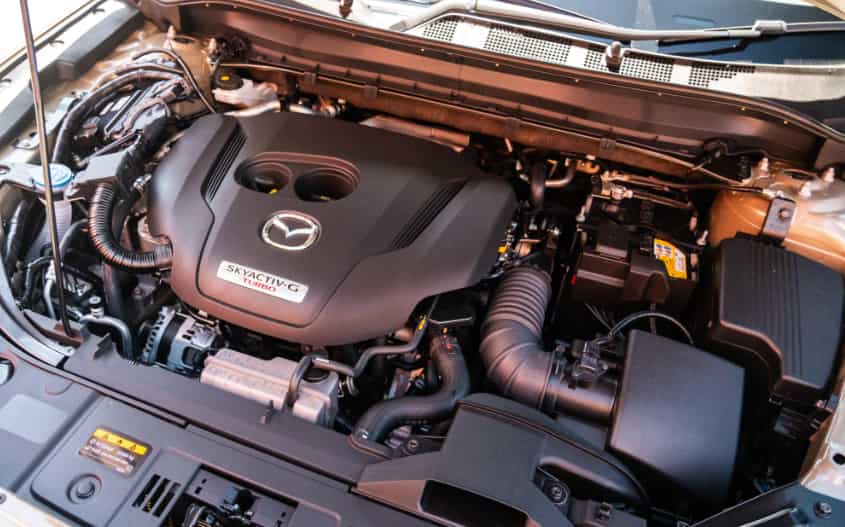
The Mazda 2.5 Turbo is a turbocharged four cylinder gasoline engine that belongs to Mazda’s Skyactiv G engine family. Mazda designed this engine to deliver strong performance without sacrificing everyday comfort. Instead of chasing the highest horsepower figures, the company focused on producing smooth power, quick throttle response, and excellent low end torque. This approach gives drivers confident acceleration in city traffic while making highway passing easier and more enjoyable.
Unlike many competitors, Mazda uses a Dynamic Pressure Turbo system to improve efficiency across different engine speeds. The system helps reduce turbo lag and allows the engine to build boost more quickly. As a result, the engine feels responsive even during normal driving. Drivers do not need to push the engine hard to access its strongest torque, which creates a relaxed and refined driving experience.
The Mazda 2.5 Turbo also features direct fuel injection, an aluminum engine block, and a dual overhead camshaft design. These technologies improve fuel delivery, reduce engine weight, and support better overall efficiency. Depending on the model and fuel grade, the engine produces impressive horsepower and torque figures that compete well with larger engines. Premium fuel can unlock maximum performance, while regular gasoline still provides strong everyday power for most drivers.
Mazda offers this engine in several popular vehicles. Buyers can find it in the Mazda CX 5 Turbo, Mazda CX 50 Turbo, Mazda CX 9, Mazda3 Turbo, and selected versions of the Mazda6. Although these models share the same basic engine, each vehicle delivers a slightly different driving experience because of its weight, drivetrain, and intended purpose.
Many buyers also compare the turbocharged engine with Mazda’s naturally aspirated 2.5 liter engine. Both engines share the same Skyactiv foundation, but the turbo version adds significantly more torque and stronger acceleration. In return, it requires more careful maintenance and introduces additional components such as the turbocharger. This added complexity does not automatically reduce reliability, but it makes regular servicing even more important for long term ownership.
For drivers who value smooth performance and confident acceleration, the Mazda 2.5 Turbo offers an excellent balance between power and practicality. Understanding how the engine works also makes it easier to evaluate its long term reliability, common problems, and maintenance needs, which are covered in the following sections.
Is the Mazda 2.5 Turbo Reliable?
The short answer is yes. The Mazda 2.5 Turbo is generally a reliable engine when owners follow the recommended maintenance schedule. It delivers strong performance while maintaining a reputation for solid durability. Many owners have reported years of dependable service with few serious mechanical problems. In most cases, regular oil changes, timely inspections, and proper driving habits play a much bigger role in reliability than the turbocharger itself.
One reason this engine performs well over time is its conservative design. Mazda focused on smooth and usable power instead of chasing extreme output. The engine produces strong torque at lower engine speeds, which reduces the need for aggressive acceleration during everyday driving. This approach places less stress on many internal components and helps support long term durability.
However, reliability depends on more than the engine’s design. Maintenance history often determines whether a Mazda 2.5 Turbo remains dependable after high mileage. Owners who skip oil changes or ignore warning signs increase the risk of expensive repairs. Dirty engine oil can shorten turbocharger life, while neglected coolant issues may lead to overheating and serious engine damage. Small problems often become much larger when drivers delay repairs.
Model year also deserves attention. Some production years have generated more owner complaints than others because of issues involving oil consumption or coolant leaks. These concerns do not affect every vehicle, but buyers should always review service records before purchasing a used model. A well maintained vehicle with complete maintenance documentation is usually a safer choice than a lower mileage vehicle with an unknown history.
Driving habits also influence long term reliability. Frequent short trips prevent the engine from reaching its normal operating temperature, which can increase engine deposits over time. Aggressive driving, heavy towing, and poor quality maintenance may also accelerate wear. On the other hand, drivers who use quality engine oil, monitor fluid levels, and follow the recommended service schedule often experience fewer unexpected problems.
Compared with many modern turbocharged engines, the Mazda 2.5 Turbo has earned a positive reputation among owners and automotive experts. It does have a few known weaknesses, but widespread catastrophic failures remain uncommon. Most issues become manageable when owners identify them early and perform regular maintenance.
Overall, the Mazda 2.5 Turbo offers a good balance of performance and reliability. It may require more attention than a naturally aspirated engine, but it rewards responsible owners with strong power, smooth driving, and dependable long term performance. The next step is understanding the most common problems so you know what to inspect before buying or during ownership.
Common Mazda 2.5 Turbo Problems
The Mazda 2.5 Turbo engine is generally considered a dependable powertrain, but like any turbocharged direct-injection engine, it can develop certain issues over time. Most problems are related to maintenance, high mileage, or specific engine components rather than fundamental design flaws.
One of the most reported concerns is oil consumption. Some Mazda 2.5 Turbo owners have experienced increased oil usage between service intervals, which can be caused by internal engine wear, driving conditions, or oil-related issues. Regular oil changes with the correct specification are important for protecting the turbocharger and internal components.
Coolant leaks and cylinder head concerns have also been reported on some early models. In certain cases, coolant loss may occur due to cracks or weaknesses in engine components, potentially leading to overheating if not addressed quickly.
Another common area of concern is turbocharger wear. Because the turbo operates under high heat and pressure, poor maintenance, low-quality oil, or extended oil change intervals can reduce turbocharger lifespan. Warning signs may include reduced power, unusual noises, or excessive smoke.
Like many direct-injection engines, the Mazda 2.5 Turbo can experience carbon buildup on intake valves over time. This may affect engine performance, fuel economy, and smooth operation.
Other potential issues include spark plug and ignition coil wear and occasional fuel injector problems, especially as mileage increases. Overall, most Mazda 2.5 Turbo problems can be minimized through proper maintenance, timely inspections, and using recommended fluids and parts.
How Long Does the Mazda 2.5 Turbo Last?
The Mazda 2.5 Turbo engine can last around 150,000 to 200,000 miles with proper care. Some owners may reach higher mileage with regular maintenance. The engine’s lifespan depends on oil changes, driving habits, and service history.
The engine uses Mazda’s Skyactiv-G 2.5 Turbo technology. It combines direct injection with turbocharging for strong performance and efficiency. The design is durable, but turbo engines require more care than naturally aspirated engines. They operate under higher heat and pressure.
Regular oil changes are one of the most important factors for long-term reliability. Clean oil protects the engine and the turbocharger. Delayed oil changes can increase wear on internal parts. Using the recommended oil type also helps maintain engine performance.
The turbocharger lifespan is another important factor. A well-maintained turbo can often last over 100,000 miles. However, aggressive driving and poor maintenance can shorten its life. Allowing the engine to warm up before hard acceleration can reduce stress on the turbo system.
Several signs may indicate engine wear. These include increased oil consumption, reduced power, unusual noises, and poor fuel economy. Coolant leaks and smoke from the exhaust should also be inspected quickly.
Overall, the Mazda 2.5 Turbo is a long-lasting engine when maintained correctly. Regular servicing, quality fluids, and early repairs can help it deliver reliable performance for many years.
Real Owner Reviews
Owner experiences with the Mazda 2.5 Turbo are generally positive. Many drivers enjoy the engine’s strong performance, smooth operation, and premium driving feel. The engine provides strong low-end torque, which makes Mazda vehicles feel quick and responsive in daily driving.
Many owners choose the Mazda 2.5 Turbo because it offers more power than the naturally aspirated 2.5-liter engine. Drivers often mention the smooth acceleration and quiet engine operation. The turbo system provides extra power for highway driving, passing, and carrying passengers or cargo.
Long-term owners often report good reliability when maintenance is performed on schedule. Regular oil changes are one of the most common recommendations from Mazda Turbo owners. Many drivers also recommend checking fluid levels and following factory service intervals.
However, some owners have reported several complaints. Common concerns include higher fuel consumption, expensive repairs outside warranty coverage, and occasional oil consumption issues. Some drivers also mention that turbocharged engines require more attention than non-turbo engines.
The Mazda 2.5 Turbo is usually considered dependable for daily use. It works well for commuters, families, and drivers who want a balance of performance and reliability. The engine is not designed for extreme performance driving, but it provides enough power for most situations.
Overall, owner feedback shows that the Mazda 2.5 Turbo has a strong reputation. Proper maintenance plays a major role in ownership satisfaction. Buyers looking at used models should review service records and check for signs of previous problems before making a decision.
Maintenance Tips to Improve Reliability
Proper maintenance is the key to getting the best lifespan from the Mazda 2.5 Turbo engine. Turbocharged engines need more attention than naturally aspirated engines because they operate under higher heat and pressure. A good maintenance routine can reduce wear and prevent costly repairs.
Regular oil changes are the most important step. Engine oil protects internal components and the turbocharger. Mazda recommends following the correct service schedule and using the recommended oil specification. Owners who drive in heavy traffic or extreme conditions may need more frequent oil changes.
The cooling system also requires regular attention. The turbocharger creates additional heat during operation. Low coolant levels or cooling system problems can increase engine stress. Check coolant levels and inspect for leaks during routine maintenance.
Spark plug replacement is another important service item. Worn spark plugs can cause misfires, rough idling, and reduced fuel economy. Replacing them at the recommended interval helps maintain smooth engine performance.
Turbo care is also essential. Avoid heavy acceleration when the engine is cold. Allow the engine to reach normal operating temperature before demanding high power. This reduces stress on the turbo system.
Direct-injection engines like the Mazda 2.5 Turbo may develop carbon buildup over time. Regular inspections and proper driving habits can help manage this issue. Using quality fuel and keeping up with scheduled services also supports long-term reliability.
Overall, the Mazda 2.5 Turbo can provide excellent durability with proper care. Consistent maintenance is the best way to protect engine performance and avoid major repair costs.
Is the Mazda 2.5 Turbo Expensive to Maintain?
The Mazda 2.5 Turbo is not the cheapest engine to maintain, but its costs are reasonable compared with many other turbocharged engines. Routine maintenance is usually affordable when the vehicle is serviced regularly. Most expenses come from normal wear items rather than major engine failures.
Annual maintenance costs depend on the vehicle model, mileage, and driving conditions. Models like the Mazda CX-5 Turbo and Mazda3 Turbo usually have lower maintenance costs than larger vehicles like the CX-9 Turbo. Regular services may include oil changes, filters, tire care, and brake inspections.
Oil changes can cost slightly more than naturally aspirated engines because the Mazda 2.5 Turbo requires quality oil and proper service intervals. Spark plugs and ignition components also need replacement as mileage increases. These services are normal for turbocharged engines.
Major repairs can become expensive outside the warranty period. Turbocharger replacement, cooling system repairs, or fuel system repairs may cost more than standard maintenance. However, these repairs are not common when the engine receives proper care.
Warranty coverage can reduce ownership costs for newer Mazda Turbo models. Buyers of used vehicles should check warranty status and review service records before purchase. A well-maintained vehicle is less likely to have unexpected repair bills.
Compared with competitors such as other turbocharged engines from Honda, Toyota, and European brands, the Mazda 2.5 Turbo offers a good balance of performance and maintenance costs. It requires more care than a naturally aspirated engine, but the additional power can make the ownership experience worthwhile.
Overall, the Mazda 2.5 Turbo is affordable to maintain when serviced correctly. Preventive maintenance is the best way to avoid expensive repairs and keep long-term ownership costs under control.
Mazda 2.5 Turbo vs Naturally Aspirated 2.5
The Mazda 2.5 Turbo and naturally aspirated 2.5-liter engine share the same Skyactiv-G family, but they offer different driving experiences. The main difference is the turbocharger. The turbo version provides more power and stronger acceleration. The naturally aspirated version focuses on simplicity and efficiency.
The Mazda 2.5 Turbo produces significantly more torque than the standard 2.5-liter engine. This extra torque makes acceleration quicker and improves highway performance. It is especially useful in larger vehicles like the Mazda CX-5 Turbo and CX-9 Turbo. Drivers who carry passengers or cargo often prefer the additional power.
The naturally aspirated 2.5 engine has a simpler design. It does not use a turbocharger, which means fewer components operate under high pressure and heat. This can result in lower maintenance costs and fewer potential turbo-related repairs. It is a good choice for drivers who prioritize long-term simplicity.
Fuel economy is another difference between the two engines. The naturally aspirated version usually uses less fuel during normal driving. The turbo version may consume more fuel because it delivers higher performance. Driving style has a major effect on real-world fuel economy.
Reliability can also vary between these engines. The naturally aspirated 2.5 may have a slight advantage because of its simpler design. However, the Mazda 2.5 Turbo can still be reliable with proper maintenance. Regular oil changes and careful driving are important for both engines.
Choosing between the two depends on your needs. The turbo engine is better for drivers who want stronger performance. The naturally aspirated engine is better for those who want lower ownership costs and maximum simplicity.
Should You Buy a Used Mazda 2.5 Turbo?
Buying a used Mazda 2.5 Turbo can be a good choice for drivers who want strong performance and reliable daily transportation. The engine offers more power than the naturally aspirated version while maintaining good comfort and efficiency. However, buyers should carefully check the vehicle before making a purchase.
The first thing to inspect is the maintenance history. Regular oil changes are important for turbocharged engines. A vehicle with complete service records is usually a safer choice. Missing maintenance records may indicate a higher risk of future repairs.
Buyers should also check for common Mazda 2.5 Turbo problems. Look for signs of oil consumption, coolant leaks, unusual engine noises, or reduced power. A professional inspection can help identify potential issues before purchase.
The best used models are usually those with good service history and updated maintenance. Later production years may benefit from Mazda’s ongoing improvements. However, condition is often more important than the model year alone.
A used Mazda 2.5 Turbo is a good option for drivers who want a balance of performance and reliability. It is suitable for daily commuters, families, and drivers who enjoy a more powerful driving experience. The engine provides strong acceleration without the complexity of a high-performance sports engine.
Some buyers may want to avoid the Mazda 2.5 Turbo if they prefer the lowest possible maintenance costs. The turbo system requires more care than a naturally aspirated engine. Drivers who want maximum simplicity may prefer the standard 2.5-liter engine.
Overall, a used Mazda 2.5 Turbo can be a smart purchase. Choose a well-maintained vehicle, check its history, and complete a proper inspection before buying.
Final Verdict
The Mazda 2.5 Turbo is a reliable engine for drivers who want a balance of performance, comfort, and durability. It delivers strong power while maintaining the refined driving experience that Mazda is known for. With proper maintenance, the engine can provide many years of dependable service.
The biggest strengths of the Mazda 2.5 Turbo are its strong torque, smooth power delivery, and enjoyable driving performance. The turbocharger gives Mazda vehicles better acceleration than the naturally aspirated 2.5-liter engine. This makes models like the CX-5 Turbo, CX-50 Turbo, and Mazda3 Turbo more engaging to drive.
However, the engine does have some weaknesses. Turbocharged systems require more maintenance than simpler naturally aspirated engines. Some owners have reported issues such as oil consumption, coolant leaks, and carbon buildup. These problems are not common for every vehicle, but buyers should be aware of them.
Maintenance quality plays the biggest role in long-term reliability. Regular oil changes, proper cooling system care, and timely repairs can help prevent major issues. A well-maintained Mazda 2.5 Turbo is likely to perform well beyond 100,000 miles.
For used buyers, checking service records is essential. A vehicle with consistent maintenance is usually a better choice than a lower-mileage model with an unknown history.
Overall, the Mazda 2.5 Turbo is a dependable turbocharged engine. It may require more attention than a naturally aspirated engine, but it rewards owners with better performance and driving enjoyment. For buyers who want power without sacrificing reliability, the Mazda 2.5 Turbo is a strong choice.