When people search for LT4 engine specs, they often look for more than just numbers. They want to understand what makes this engine so powerful and whether it truly delivers in real driving conditions.
Chevrolet designed the LT4 as a supercharged 6.2 liter V8 engine built for high performance. It delivers strong acceleration, instant throttle response, and a driving experience that feels aggressive yet controlled. You can find this engine in top tier performance cars like the Chevrolet Corvette Z06, the Chevrolet Camaro ZL1, and the Cadillac CTS-V. Each model uses the LT4 to push performance to a higher level.
Many buyers struggle with the same problem. They see impressive figures like 650 horsepower and 650 lb ft of torque, but they do not know how those numbers translate into real world performance. Some also worry about fuel costs, maintenance, and long term reliability.
This guide breaks down LT4 engine specs in a clear and practical way. You will learn how the engine performs, what it feels like on the road, and what to expect when you own one. If you want both speed and understanding, this guide will help you make a confident decision.
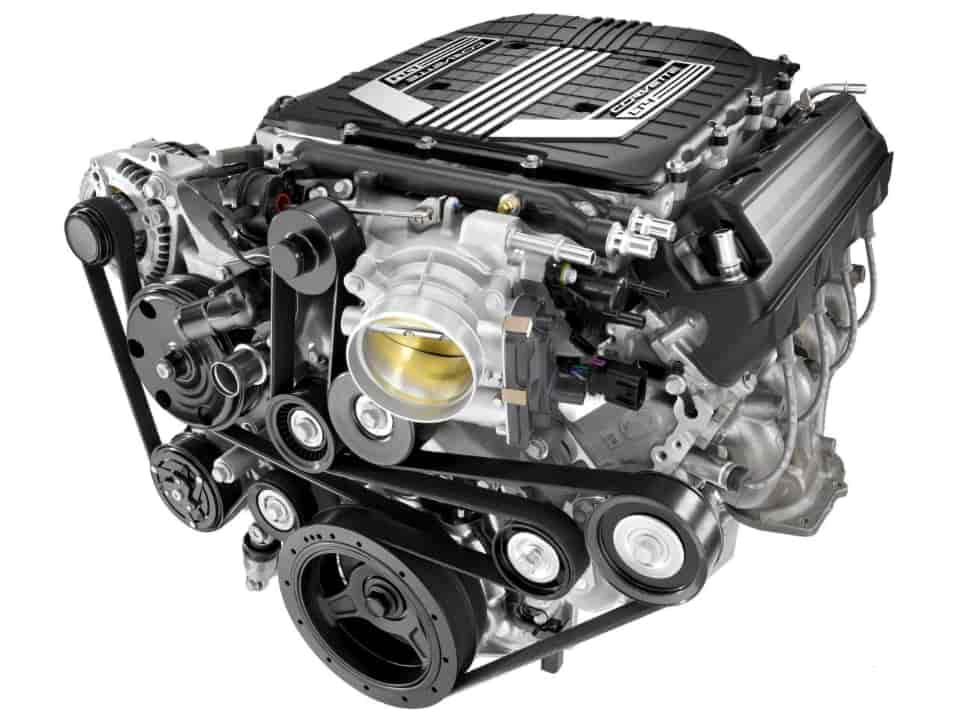
LT4 Engine Overview & Core Specifications
When analyzing LT4 engine specs, you need to start with its core architecture. Chevrolet built the LT4 as a high output version of its small block V8 platform, but it goes far beyond a typical naturally aspirated engine.
At the heart of the LT4 sits a 6.2 liter V8 with a supercharger mounted on top. This setup allows the engine to force more air into the combustion chamber, which increases power without increasing engine size. Unlike many turbocharged engines, the LT4 delivers power instantly, which creates a more responsive and aggressive driving feel.
Here are the key LT4 engine specs you need to understand:
- Engine type: Supercharged V8
- Displacement: 6.2 liters or 376 cubic inches
- Horsepower: 650 hp
- Torque: 650 lb ft
- Supercharger: Eaton TVS R1740
- Compression ratio: 10.0 to 1
- Fuel system: Direct injection
- Valvetrain: Overhead valve with variable valve timing
These numbers show why the LT4 stands out in the performance segment. The combination of high horsepower and strong torque gives the engine both top end speed and low end acceleration. Many engines focus on one of these aspects, but the LT4 balances both very well.
The supercharger plays a critical role in this balance. It pushes compressed air into the engine at all times, which eliminates lag and ensures consistent power delivery. This is one of the main reasons why drivers feel immediate acceleration when they press the throttle.
Another important detail is the cooling system. The LT4 uses an advanced intercooling setup to reduce heat from the supercharger. Without proper cooling, performance engines often lose power under stress. Chevrolet addressed this issue to maintain stable output even during aggressive driving.
In simple terms, LT4 engine specs are not just about big numbers. They reflect a carefully engineered system that combines power, responsiveness, and durability in one package.
Horsepower & Torque Explained
To fully understand LT4 engine specs, you need to look beyond the numbers and focus on how horsepower and torque affect real driving. Many people see 650 hp and assume it only means high top speed, but the story is more interesting than that.
Horsepower measures how quickly the engine can perform work. In simple terms, it determines how fast the car can accelerate at higher speeds. The LT4 delivers 650 horsepower, which places it among the most powerful production V8 engines. This level of power allows cars like the Chevrolet Camaro ZL1 to reach 60 mph in around 3.5 seconds under ideal conditions.
Torque, on the other hand, represents the engine’s pulling force. The LT4 produces 650 lb ft of torque, which gives it strong low speed acceleration. You feel this instantly when you press the throttle. The car moves forward with very little delay, even at low RPM. This is where the supercharger makes a big difference. It delivers boost immediately, so the engine does not need to build power over time.
Many drivers confuse horsepower with torque, which leads to unrealistic expectations. A car with high horsepower but low torque may feel weak at low speeds. In contrast, the LT4 offers both, which creates a balanced and powerful driving experience across all speed ranges.
When you compare the LT4 to a naturally aspirated engine like the LT1, the difference becomes clear. The LT1 produces less torque and builds power more gradually. The LT4 responds faster and feels more aggressive, especially during quick acceleration.
Real world performance often matches or even exceeds factory expectations. Some dyno tests show results close to or slightly above the official ratings, depending on conditions. This consistency builds trust and shows that LT4 engine specs reflect real performance, not just marketing claims.
In daily driving, this combination of horsepower and torque gives you confidence. Whether you accelerate on the highway or overtake another vehicle, the engine responds instantly and delivers smooth, continuous power.
LT4 Engine Performance in Real Cars
Understanding LT4 engine specs becomes much easier when you see how this engine performs in real vehicles. Chevrolet and Cadillac use the LT4 in different models, but each one delivers a unique driving experience based on tuning, weight, and purpose.
The Chevrolet Corvette Z06 focuses on track performance. Engineers tuned the LT4 in this car to deliver sharp throttle response and maximum grip at high speeds. The lightweight chassis and aerodynamic design allow the engine to perform at its full potential. When you drive the Z06 on a track, you feel precise control and explosive acceleration at every corner exit.
The Chevrolet Camaro ZL1 offers a different experience. It uses the same LT4 engine but balances raw power with everyday usability. The ZL1 feels aggressive in straight line acceleration, yet it remains stable and predictable during daily driving. This makes it a popular choice for drivers who want both performance and practicality in one package.
The Cadillac CTS-V takes another approach. Cadillac combines the LT4 with a luxury focused design, which creates a powerful but refined driving experience. The engine still delivers strong acceleration, but the suspension and interior comfort make long drives more enjoyable. This car proves that LT4 engine specs can support both performance and comfort without compromise.
These differences highlight an important point. The LT4 engine does not behave the same in every car. Engineers adjust tuning, cooling, and transmission settings to match each vehicle’s purpose. As a result, you get a range of driving experiences from track focused precision to daily comfort.
In real world conditions, all three vehicles deliver consistent and impressive performance. The LT4 provides strong acceleration, smooth power delivery, and reliable output even under stress. This consistency is one of the key reasons why the engine stands out in its class.
Fuel Economy & Ownership Costs
When evaluating LT4 engine specs, performance is only one part of the story. Many buyers care just as much about fuel economy and long term ownership costs, especially when dealing with a high output supercharged V8.
The LT4 delivers impressive power, but that performance comes with a trade off. On average, vehicles equipped with this engine achieve around 13 to 20 miles per gallon, depending on driving conditions and habits. In city driving, fuel consumption increases quickly due to frequent acceleration. On highways, the numbers improve, but the engine still consumes more fuel than smaller or naturally aspirated engines.
Fuel cost becomes a real concern for daily drivers. If you drive aggressively or often use the engine’s full power, fuel expenses can rise significantly. This creates a common pain point for owners who expect performance without high running costs.
Maintenance also plays an important role in ownership. The LT4 requires regular oil changes with high quality synthetic oil to maintain performance and protect internal components. The supercharger system adds another layer of complexity. While it is generally reliable, it still requires inspection and proper care over time.
Other maintenance costs include cooling system service, spark plugs, and high performance tires. These components wear faster due to the engine’s power output. Owners need to plan for higher maintenance budgets compared to standard vehicles.
Despite these costs, many drivers still consider the LT4 worth it. The engine delivers a level of performance that few competitors can match in its class. For enthusiasts, the driving experience often justifies the extra expense.
In simple terms, LT4 engine specs offer exceptional power, but they also demand a higher level of financial commitment. Understanding this balance helps you avoid surprises and make a smarter ownership decision.
LT4 Engine Reliability & Common Problems
When people research LT4 engine specs, reliability often becomes a key concern. High performance engines usually face more stress, so many buyers want to know if the LT4 can handle long term use without major issues.
In general, the LT4 has a strong reputation for reliability when owners maintain it properly. Chevrolet designed this engine with forged internal components, which help it handle high pressure from the supercharger. Many drivers report stable performance even after years of use, especially when they follow recommended service schedules.
However, like any high output engine, the LT4 is not free from problems. One of the most common issues is heat management. The supercharger generates a significant amount of heat, especially during aggressive driving or track use. When temperatures rise too much, the engine may experience heat soak, which reduces performance temporarily.
Another concern involves the supercharger system itself. Over time, components such as bearings and seals can wear out. This does not happen quickly, but it becomes more likely if the engine runs under constant high load. Regular inspection helps detect early signs of wear and prevents costly repairs.
The fuel system also works under high pressure due to direct injection and increased power output. In some cases, this can lead to additional stress on injectors and fuel pumps. While failures are not common, proper maintenance remains essential to avoid unexpected issues.
Owners who modify the engine should take extra care. Performance upgrades can increase power, but they also add more stress to internal components. Without proper tuning and cooling upgrades, reliability may decrease over time.
To keep the LT4 running smoothly, owners should focus on a few key practices. Use high quality oil, monitor engine temperature, and avoid excessive aggressive driving when the engine is not fully warmed up. These simple habits can significantly extend engine life.
In summary, LT4 engine specs reflect not only power but also solid engineering. The engine remains reliable for most users, but it requires attention and proper care. If you understand its limits and maintain it well, the LT4 can deliver both performance and durability.
LT4 Engine Upgrade Potential
One of the most exciting aspects of LT4 engine specs is how much performance headroom this engine offers. Even in stock form, the LT4 already delivers 650 horsepower, but many enthusiasts push it far beyond that level with the right upgrades.
The LT4 responds very well to modifications because Chevrolet built it with strong internal components. This gives tuners the confidence to increase power without immediately risking engine failure. With basic upgrades, it is common to see the LT4 reach 700 to 750 horsepower while maintaining daily drivability.
One of the most popular upgrades is a smaller supercharger pulley. This modification increases boost pressure, which allows more air into the engine and produces more power. When combined with ECU tuning, the results can be significant. Drivers often report noticeable gains in both acceleration and throttle response.
Air intake upgrades also play an important role. A high performance intake system improves airflow, which helps the engine breathe more efficiently. This supports higher power output and enhances the effectiveness of other modifications.
Cooling upgrades become essential as power increases. A larger heat exchanger or improved intercooling system helps reduce intake temperatures. Without proper cooling, the engine may suffer from heat soak, which limits performance and affects reliability.
More advanced builds may include camshaft upgrades, fuel system improvements, and even larger superchargers. At this level, the LT4 can exceed 800 horsepower, but the cost and complexity increase significantly. Owners need to balance performance goals with budget and long term reliability.
It is important to understand the risks. More power always creates more stress on engine components. Without proper tuning and supporting upgrades, reliability can decrease. This becomes a common mistake among inexperienced tuners who focus only on peak horsepower.
In the end, LT4 engine specs provide a strong foundation for performance tuning. Whether you want a moderate upgrade or an extreme build, the LT4 offers flexibility that few engines in its class can match.
LT4 vs Other Engines (LT1, Hellcat)
To fully understand LT4 engine specs, you need to compare it with other popular performance engines. Two of the most common benchmarks are the LT1 and the Hellcat engine. Each one offers a different balance of power, cost, and usability.
The LT1 is a naturally aspirated 6.2 liter V8 that also comes from Chevrolet. It produces less power than the LT4, with around 455 horsepower and lower torque figures. However, the LT1 offers a simpler design and lower maintenance costs. It delivers smooth and predictable power, which makes it a better choice for drivers who prefer daily comfort over extreme performance.
In contrast, the LT4 takes performance to another level. The supercharger allows it to produce 650 horsepower and 650 lb ft of torque. This results in faster acceleration and stronger response at all speeds. Drivers who want instant power and aggressive performance will clearly feel the difference when switching from an LT1 to an LT4.
When you compare the LT4 to the Hellcat engine from Dodge, the competition becomes more intense. The Hellcat produces even higher horsepower, often exceeding 700 hp in stock form. This gives it an advantage in straight line speed and drag racing scenarios.
However, raw power is not the only factor. The LT4 offers a more balanced driving experience. It provides strong performance while maintaining better control, especially in corners and track conditions. Many drivers find that the LT4 feels more refined and predictable, while the Hellcat focuses more on brute force.
Cost also plays an important role. Vehicles with the Hellcat engine often come with higher purchase prices and similar or higher running costs. The LT4 still requires a significant budget, but it can offer better overall value for drivers who want both performance and versatility.
In simple terms, LT4 engine specs position it between the LT1 and the Hellcat. It delivers more power than the LT1 and more balance than the Hellcat. This makes it an ideal choice for drivers who want a combination of speed, control, and everyday usability.
Conclusion
After exploring all aspects of LT4 engine specs, it becomes clear why this engine stands out in the world of high performance V8s. It does not rely only on impressive numbers. It delivers a complete package that combines power, responsiveness, and real world usability.
With 650 horsepower and 650 lb ft of torque, the LT4 provides strong acceleration at any speed. The supercharger ensures instant power delivery, which creates a driving experience that feels both aggressive and controlled. Whether you drive on the street or push the car on a track, the engine responds with consistency and confidence.
At the same time, ownership requires careful consideration. Fuel consumption remains high, and maintenance costs can increase compared to standard engines. Reliability stays strong when you follow proper maintenance, but neglect can quickly lead to issues. This is a key factor that many buyers overlook when focusing only on performance.
The LT4 also offers excellent upgrade potential. It gives enthusiasts the flexibility to increase power while still maintaining drivability. However, every upgrade requires the right balance between performance and long term durability.
In the end, LT4 engine specs represent more than just a powerful engine. They reflect a well engineered system built for drivers who want both speed and control. If you understand its strengths and limitations, the LT4 can deliver an exciting and rewarding ownership experience.