Ziebart is worth it for some drivers, especially those who plan to keep their vehicles for several years. It offers more value in areas with road salt, snow, moisture, and harsh winters. These conditions speed up corrosion and increase the need for rust protection. However, Ziebart offers less value when a vehicle already has severe rust. It may also make less financial sense if you plan to sell your car soon.
Five main factors determine whether Ziebart is worth the cost. These include vehicle condition, local climate, ownership length, service cost, and maintenance requirements. Each factor changes the potential value of rust protection. For example, road salt creates a greater corrosion risk for a new car in Michigan than dry roads do in Arizona.
You should also compare the total cost with the protection that Ziebart provides. Rustproofing and undercoating help protect vulnerable areas from moisture, salt, and other corrosive materials. However, application quality and ongoing maintenance can affect the results. This guide examines Ziebart’s cost, effectiveness, benefits, disadvantages, and alternatives. It also explains which vehicles and driving conditions make Ziebart a worthwhile investment.
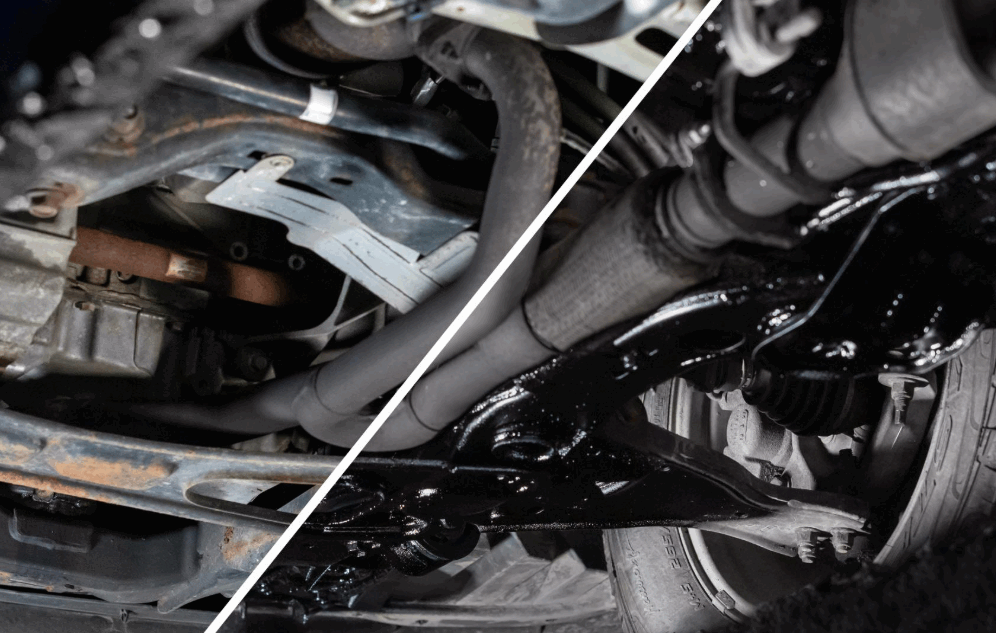
Is Ziebart Worth It?
Ziebart is worth it when long term rust protection matches your vehicle’s condition and driving environment. Drivers in areas with heavy road salt often gain the most value. Salt and moisture promote corrosion on exposed metal parts. Extra protection can therefore make sense if you want to keep the vehicle for several years.
Your ownership period plays a major role in this decision. Rust develops over time, so long term owners have more reason to invest in prevention. The value decreases if you plan to sell or trade the vehicle soon. In that case, you may not own the car long enough to receive the full benefit of the treatment.
Vehicle condition matters as well. Rust protection provides the greatest preventive value before serious corrosion develops. Existing rust changes the decision because protective treatments do not replace proper rust repair. An older vehicle with extensive corrosion may need repairs before additional protection makes financial sense.
Climate also changes the value of Ziebart. Frequent exposure to snow, road salt, moisture, and wet roads increases corrosion risk. Drivers in dry climates face less exposure to these conditions. As a result, they may receive less value from comprehensive rust protection.
The final decision comes down to cost and expected protection. Ziebart makes the most sense when corrosion presents a realistic long term risk to your vehicle. Consider your climate, vehicle condition, ownership period, and maintenance commitment before paying for the service.
How Much Does Ziebart Cost?
Ziebart costs vary because customers can choose from several vehicle protection services. The final price depends on the treatment, vehicle size, condition, and service location. Rust protection and undercoating can also have different prices. For this reason, drivers should request a vehicle specific quote before comparing the total cost.
Vehicle size can affect the amount of material and labor required for treatment. A large truck or SUV has more surface area than a compact car. Vehicle condition can also affect the work involved. A technician may need additional preparation when dirt, corrosion, or previous coatings cover the treatment areas.
The type of protection also changes the final bill. Ziebart offers services beyond basic rust protection, so additional treatments can increase the total price. Drivers should compare each service separately instead of judging a package only by its final cost. This approach shows which treatments address actual risks for the vehicle.
Maintenance can add to the long term cost as well. Some protection programs may require inspections or service visits to maintain coverage. Owners should confirm these requirements with their local Ziebart location before purchasing a treatment. They should also ask what the quoted price includes.
The cheapest treatment does not always provide the best value. Compare the initial price, maintenance requirements, expected ownership period, and corrosion risk. Ziebart becomes easier to justify when the protection addresses a significant risk throughout several years of vehicle ownership.
What Do You Get With Ziebart Rust Protection?
Ziebart rust protection aims to protect vulnerable metal areas from corrosion. The treatment creates a protective layer between the vehicle and corrosive elements. This protection matters most where moisture, salt, and road contaminants regularly reach exposed metal surfaces.
Rust protection and undercoating serve related but different purposes. Rust protection focuses on areas where corrosion can develop and spread. Undercoating primarily protects the vehicle’s underside from environmental exposure and road debris. Drivers should understand this difference before choosing a service.
The actual protection also depends on where technicians apply the treatment. Corrosion can develop in areas that drivers rarely inspect during normal vehicle maintenance. These areas may retain moisture or collect contaminants over time. A thorough application helps reduce direct contact between vulnerable metal and these corrosive materials.
However, Ziebart rust protection does not repair metal that corrosion has already damaged. Existing rust may require separate attention before preventive protection provides meaningful value. This distinction becomes especially important when treating an older vehicle. Owners should inspect its condition before paying for additional protection.
Drivers should also confirm exactly what their local service includes. Ask which vehicle areas receive treatment and whether the service requires future inspections. These details make it easier to compare the price with the actual protection provided. They also help determine whether the service addresses the vehicle’s specific corrosion risks.
How Does Ziebart Rust Protection Work?
Ziebart rust protection works by creating a barrier between vulnerable metal and corrosive materials. This barrier limits direct exposure to moisture, road salt, and other contaminants. Reducing that exposure helps slow the conditions that cause corrosion to develop on a vehicle.
Corrosion starts when exposed metal reacts with oxygen and moisture. Road salt can make this process more aggressive by helping electrical reactions occur on wet metal surfaces. Vehicles face greater exposure when they travel on salted winter roads. Water and contaminated road spray can also reach areas that owners rarely inspect or clean.
The application process focuses on areas where corrosion can develop over time. Technicians prepare the relevant surfaces and apply protective material to create a barrier. Proper coverage matters because untreated areas can remain exposed to moisture and contaminants. Vehicle condition also affects the result because existing corrosion may require attention before treatment.
Rust protection works as a preventive measure rather than a rust repair method. It cannot restore metal that corrosion has already damaged. This difference explains why vehicle condition matters when deciding whether Ziebart offers good value. Earlier protection can provide more preventive value when the metal remains in good condition.
Ongoing care also supports long term protection. Owners should follow the inspection and maintenance requirements that apply to their specific service. Regular checks can identify damaged or exposed areas before corrosion gains an opportunity to spread.
How Effective Is Ziebart at Preventing Rust?
Ziebart can help reduce rust when the treatment protects metal from moisture, salt, and other corrosive materials. However, its effectiveness depends on several factors. Vehicle condition, application quality, environmental exposure, and ongoing maintenance all influence the level of protection.
Road salt creates one of the strongest reasons to consider rust protection. Salt can remain on the underbody after driving on treated winter roads. Moisture then helps the salt promote corrosion on exposed metal surfaces. A protective coating reduces contact between these materials and the metal underneath.
Application quality also affects the result. Protective material must cover vulnerable areas to create an effective barrier. Gaps or damaged sections can leave metal exposed to moisture and road contaminants. Regular inspections can help owners identify areas that need additional attention.
Existing rust presents a different problem. Ziebart rust protection cannot reverse corrosion or restore damaged metal. A vehicle with significant rust may need repairs before preventive treatment offers meaningful protection. This makes an inspection especially important for older vehicles.
Drivers should therefore view Ziebart as corrosion prevention rather than a permanent cure for rust. The service offers greater value when technicians apply it before serious corrosion develops. It also makes more sense when the vehicle faces repeated exposure to corrosive conditions. Proper application and continued maintenance can then support protection throughout long term ownership.
What Are the Pros of Ziebart?
There are five main advantages of Ziebart: rust prevention, underbody protection, corrosion control, long term vehicle preservation, and service support. These benefits provide the most value when a vehicle faces regular exposure to moisture and road salt.
Rust prevention is the primary advantage. Protective treatments reduce contact between vulnerable metal and materials that promote corrosion. This protection becomes more useful in regions with snowy winters and salted roads. Repeated exposure to these conditions can increase corrosion risk over several years.
Underbody protection provides another advantage because the underside faces constant road exposure. Water, salt, dirt, and road debris can reach components beneath the vehicle. Protective treatment adds a barrier that limits direct contact with these materials.
Ziebart can also support long term vehicle preservation. Corrosion can damage metal surfaces and reduce the condition of an aging vehicle. Slowing this process helps owners protect areas that would otherwise face repeated environmental exposure. This benefit matters more for drivers who plan to keep their vehicles for many years.
Service support adds practical value when a protection program includes inspections or maintenance requirements. Regular inspections give owners an opportunity to check the condition of treated areas. They can also identify changes that may affect protection.
These advantages do not provide equal value to every driver. Ziebart offers its strongest benefits when corrosion presents a genuine risk. Climate, vehicle condition, ownership length, and maintenance commitment determine how valuable those benefits become.
What Are the Cons of Ziebart?
There are five main disadvantages of Ziebart: upfront cost, ongoing maintenance, application dependency, existing rust limitations, and uneven value across driving conditions. These drawbacks can make the service less worthwhile for some vehicle owners.
Upfront cost is the first consideration. Rust protection adds another expense to vehicle ownership, so the potential benefit should justify the price. Drivers who plan to sell their vehicles soon may have less time to benefit from the treatment. This can reduce the overall value of the initial investment.
Ongoing maintenance can also require extra time and money. Some protection programs may involve inspections or additional service requirements. Owners should confirm these conditions before purchasing a treatment. Ignoring required maintenance could affect the protection they expect to receive.
Application quality creates another concern. Rust protection works best when the material covers vulnerable areas properly. Poor coverage can leave metal exposed to salt, moisture, and road contaminants. For this reason, the quality of the application can influence the final result.
Existing corrosion can further limit the value of treatment. Rustproofing helps prevent corrosion, but it does not repair metal that rust has already damaged. A heavily corroded vehicle may need repairs before additional protection makes sense.
Finally, Ziebart does not offer the same value in every climate. Drivers in dry regions may face much lower corrosion exposure. In those conditions, the cost of extensive rust protection can become harder to justify.
Is Ziebart Worth It for a New Car?
Ziebart can be worth it for a new car when you plan to keep the vehicle for several years. Starting protection early allows the treatment to work before serious corrosion develops. The potential value increases when the vehicle regularly faces road salt, moisture, snow, and wet conditions.
A new vehicle provides a strong starting point for preventive rust protection. Its metal surfaces have had less time to develop corrosion from environmental exposure. Applying protection at this stage focuses on prevention rather than dealing with existing rust. This gives long term owners more time to benefit from the treatment.
Your expected ownership period should influence the decision. A driver who plans to keep a new car for ten years has a different goal from someone with a short lease. Long term ownership creates more time for corrosion to develop. It also gives preventive protection more time to provide value.
Local driving conditions matter just as much as vehicle age. A new car driven through several salted winters faces greater corrosion exposure than one driven in a dry climate. Frequent contact with salty water and road contaminants increases the reason to consider additional protection.
Ziebart therefore makes the most sense for a new car when three conditions apply. You expect long term ownership, the vehicle faces significant corrosion exposure, and you will follow the required maintenance. Without these conditions, the financial value of additional rust protection may be lower.
Is Ziebart Worth It for an Older Car?
Ziebart can be worth it for an older car if the vehicle still has limited rust and several useful years ahead. The value decreases when corrosion has already caused significant metal damage. For this reason, owners should evaluate the vehicle’s condition before paying for preventive rust protection.
Existing rust is the most important factor. Rustproofing can help limit future exposure to moisture, salt, and other corrosive materials. However, it cannot restore metal that corrosion has already damaged. Serious rust may require repair before additional protection provides meaningful value.
The remaining life of the vehicle also affects the decision. An older car in good condition may remain on the road for many years. Protecting it from further corrosion can make sense when the owner plans to keep it. In contrast, an aging vehicle near replacement may not provide enough time to justify the additional expense.
Driving conditions create another important factor. An older vehicle that faces salted winter roads still experiences repeated corrosion exposure. Additional protection may provide more value in this environment. A similar vehicle in a dry climate may have a much lower need for rustproofing.
Inspect the vehicle before making the final decision. Look at its current corrosion level, overall condition, expected ownership period, and local environment. Ziebart offers greater value when an older vehicle remains structurally sound and still needs protection from future corrosion.
Is Ziebart Worth It If You Live in the Rust Belt?
Ziebart is more likely to be worth it if you live in the Rust Belt. Vehicles in these areas often face road salt, snow, moisture, and repeated winter driving. These conditions increase corrosion risk and make preventive rust protection more valuable.
Road salt creates a major concern during winter. Salt can mix with water and road spray before reaching exposed metal beneath a vehicle. This exposure creates favorable conditions for corrosion. Repeated winter driving can continue this cycle for several months each year.
Moisture adds to the problem because salty residue can remain on vehicle surfaces after roads become dry. Snow, slush, and wet roads can expose the underbody again. Regular washing helps remove contaminants, but it does not eliminate every corrosion risk. Additional protection can create another barrier between vulnerable metal and the surrounding environment.
Ownership length also affects the value of Ziebart in the Rust Belt. A driver who keeps a vehicle through many winters faces repeated exposure over time. Preventive protection has more opportunity to provide value in this situation. Short term owners may receive less benefit because they experience fewer years of cumulative corrosion risk.
Ziebart makes the strongest case in the Rust Belt when you combine long term ownership with frequent winter driving. Vehicle condition still matters, so inspect existing corrosion before treatment. Preventive protection provides greater value when the vehicle remains in good condition and faces years of future salt exposure.
What Is the Difference Between Ziebart Rustproofing and Undercoating?
Ziebart rustproofing and undercoating protect a vehicle in different ways. Rustproofing focuses on preventing corrosion in vulnerable metal areas. Undercoating focuses on the underside, where road debris, water, salt, and other contaminants create constant exposure.
Rustproofing targets areas where moisture and corrosive materials can contribute to rust. The treatment creates a protective barrier that reduces contact between these materials and the metal. This approach makes rustproofing especially relevant for vehicles that face wet roads and winter salt.
Undercoating serves a more specific area of the vehicle. It covers exposed sections of the underbody and adds protection against harsh road conditions. The underside receives frequent contact with water, dirt, salt, and debris while driving. A protective coating reduces direct exposure to these materials.
The two services can therefore address related problems without serving exactly the same purpose. Rustproofing focuses more directly on corrosion prevention. Undercoating adds protection to surfaces that face constant environmental and road exposure. Vehicle condition and driving environment determine which type of protection provides more value.
Drivers should choose a service based on the risks their vehicles actually face. A vehicle exposed to salted winter roads may benefit from broader corrosion protection. Underbody protection may also matter when road conditions create frequent exposure below the vehicle. Understanding these differences helps owners avoid paying for protection that does not match their needs.
What Are the Alternatives to Ziebart?
There are four main alternatives to Ziebart: oil based rustproofing, wax based treatments, rubberized undercoating, and DIY corrosion protection. Each option differs in application, maintenance, durability, and cost. The best choice depends on the vehicle’s condition and corrosion exposure.
Oil based rustproofing uses a protective product that can reach seams and other vulnerable metal areas. This type of treatment focuses on limiting contact between metal, moisture, and road salt. However, owners may need to maintain or reapply the treatment over time. This requirement affects its long term cost.
Wax based treatments create another protective barrier against corrosive materials. They can protect metal surfaces from moisture and salt when applied correctly. Their durability depends on the product, application quality, and driving conditions. Owners should compare maintenance requirements before choosing this approach.
Rubberized undercoating focuses mainly on the underside of the vehicle. It creates a thicker protective layer against water, road contaminants, and physical exposure. Proper surface preparation matters because existing corrosion or trapped moisture can affect the result.
DIY corrosion protection offers more control over cost, but it also requires proper preparation and application. Missing vulnerable areas can reduce the effectiveness of the treatment. Drivers should therefore compare more than the initial price. Application quality, maintenance needs, vehicle condition, and corrosion risk determine whether an alternative provides better value than Ziebart.
Who Should Get Ziebart?
Ziebart is best suited for drivers who face significant corrosion risk and plan to keep their vehicles long term. Vehicle condition, climate, ownership length, and maintenance commitment should guide the decision. These factors determine whether the protection can provide enough value to justify its cost.
Long term owners have a stronger reason to consider Ziebart. Keeping a vehicle for many years increases its cumulative exposure to moisture, road salt, and other corrosive materials. Starting protection while the vehicle remains in good condition gives preventive treatment more time to provide value.
Drivers in areas with harsh winters also have a stronger use case. Salted roads, snow, slush, and moisture repeatedly expose the vehicle to conditions that promote corrosion. A protective treatment can reduce direct contact between vulnerable metal and these materials. This makes rust protection more relevant in high risk environments.
Vehicle condition should influence the decision as well. Newer vehicles and older vehicles with limited corrosion provide better candidates for preventive protection. Severe existing rust changes the situation because rustproofing cannot restore damaged metal. Repairs may provide a higher priority in those cases.
Ziebart may offer less value to short term owners and drivers in dry climates. The same applies when a vehicle already has extensive corrosion. Before purchasing the service, compare your corrosion risk with the total cost and maintenance requirements. Ziebart makes the most sense when your vehicle needs years of protection from repeated environmental exposure.
Is Ziebart Worth the Money?
Ziebart is worth the money when your vehicle faces significant corrosion risk and you plan to keep it long term. The service provides greater potential value in areas with road salt, snow, moisture, and harsh winters. However, the investment becomes harder to justify when corrosion risk remains low or the vehicle already has serious rust.
Three factors should guide your final decision: vehicle condition, corrosion exposure, and ownership duration. A newer vehicle or an older car with limited rust provides a stronger starting point for preventive protection. Frequent winter driving increases the need for protection because salt and moisture create conditions that promote corrosion. Long term ownership also gives the treatment more time to provide value.
Cost still matters, so compare the service price with your actual protection needs. Consider any inspection and maintenance requirements before making the purchase. You should also address serious existing corrosion before relying on preventive treatment.
Ziebart makes the strongest financial sense for a well maintained vehicle that will face years of corrosive driving conditions. If your vehicle fits that profile, the added protection can justify the cost. If it does not, a less extensive rust prevention option may provide better value.