Vehicle undercoating is worth the investment for many drivers, but it is not a universal solution for every car. Its value depends on several factors, including where you live, how often you drive, the condition of your vehicle, and the level of factory corrosion protection already in place. Drivers who regularly travel on salted winter roads, gravel surfaces, or in coastal regions usually gain the greatest long-term benefits because these environments accelerate rust and corrosion. In contrast, vehicles operated in dry climates with minimal exposure to moisture may see fewer advantages from an additional protective coating.
Rust begins underneath a vehicle long before it becomes visible on the body panels. Constant exposure to water, road salt, mud, and debris gradually damages the metal components that support the chassis, suspension, and frame. Once corrosion spreads, repairs become expensive and may even compromise the structural integrity of the vehicle. A properly applied undercoating creates a protective barrier that helps reduce direct contact between the undercarriage and these corrosive elements, extending the lifespan of critical components.
This guide explains whether undercoating is truly worth the cost by examining its benefits, limitations, application methods, pricing, and long-term value. You will also learn which vehicles benefit the most, when undercoating is unnecessary, and how to decide if this additional layer of protection makes sense for your driving conditions. By the end of the article, you will have enough information to make a confident and informed decision.
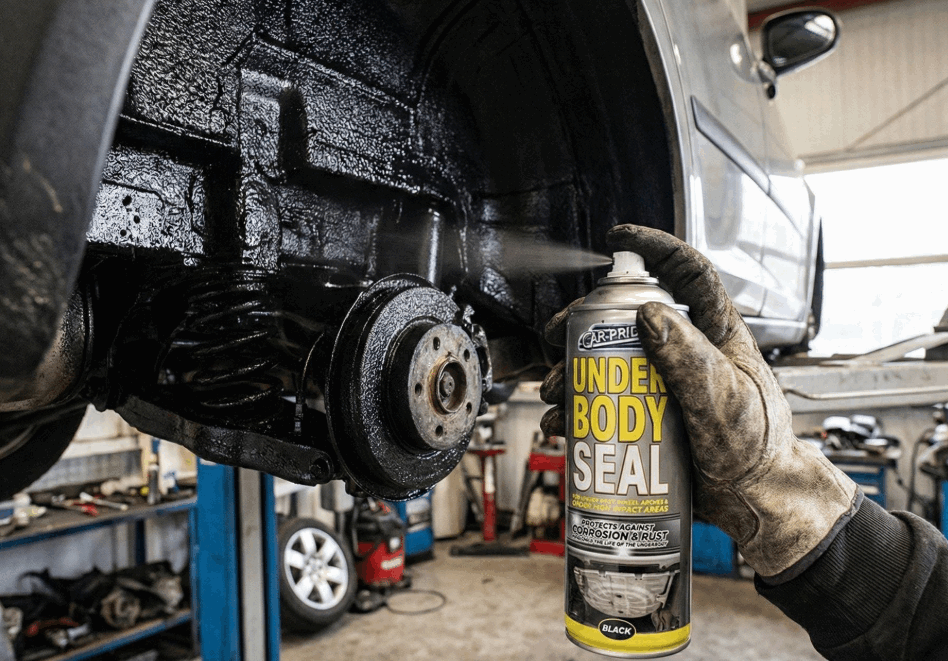
Is Undercoating Worth It?
Yes, undercoating is worth it for vehicles that are regularly exposed to road salt, moisture, gravel, or harsh weather because it helps reduce corrosion, extend the lifespan of the undercarriage, and lower long-term repair costs. However, it is not a necessary investment for every vehicle. The overall value depends on the driving environment, the condition of the vehicle, and the quality of its factory corrosion protection.
Rust develops when exposed metal repeatedly comes into contact with water, oxygen, and corrosive substances such as road salt. The undercarriage is especially vulnerable because it is constantly exposed to rain, snow, mud, and debris while driving. Once corrosion reaches structural components like the frame, suspension, or brake lines, repairs become significantly more expensive than preventive maintenance. A properly applied undercoating creates a durable barrier that helps protect these components by limiting direct exposure to moisture and other corrosive elements.
The benefits of undercoating are most noticeable for drivers who live in regions with snowy winters or near the coast, where salt and humidity accelerate rust formation. It is also a valuable investment for pickup trucks, SUVs, and off-road vehicles that frequently travel on rough terrain. In contrast, vehicles driven in warm, dry climates with little rainfall and no road salt may already receive sufficient protection from modern factory coatings. In these situations, regular cleaning and routine inspections are often enough to prevent premature corrosion.
Ultimately, whether undercoating is worth it depends on how long you plan to keep your vehicle and the conditions it faces throughout the year. When applied correctly to a clean, rust-free undercarriage, undercoating provides long-term protection that can preserve structural integrity, reduce maintenance expenses, and support a higher resale value.
What Is Vehicle Undercoating and How Does It Protect Your Car?
The better gear oil depends on the operating temperature and the vehicle’s requirements. In cold climates, 75W90 provides a clear advantage because it flows more easily during startup. Faster oil circulation reaches gears, bearings, and synchronizers sooner, reducing friction before the drivetrain reaches its normal operating temperature. This improves shift quality and helps minimize startup wear during winter driving.
In warm climates, both 75W90 and 80W90 provide similar protection after the drivetrain reaches operating temperature because they share the same SAE 90 high-temperature viscosity. However, 80W90 remains a common choice for older vehicles, conventional differentials, and light-duty trucks that rarely operate in freezing conditions. Its slightly higher cold viscosity has little effect in consistently warm environments, making it a practical and cost-effective option for many applications.
Drivers who regularly tow heavy trailers, carry large loads, or travel long distances should also consider the lubricant’s overall formulation. A high-quality synthetic 75W90 often delivers better thermal stability, stronger oxidation resistance, and improved shear stability than conventional 80W90. These properties help the lubricant maintain consistent performance during prolonged high-temperature operation, reducing the risk of viscosity breakdown and extending service intervals.
Climate is only one part of the decision. The manufacturer’s specification remains the most important factor when selecting gear oil. Some transmissions and differentials require a specific viscosity grade regardless of ambient temperature. Choosing the recommended lubricant ensures proper lubrication, consistent shifting performance, and reliable protection throughout the service life of the drivetrain.
Can You Use 75W90 Instead of 80W90?
Yes, you can use 75W90 instead of 80W90 if the vehicle manufacturer approves both viscosity grades. Since both lubricants provide an SAE 90 viscosity at normal operating temperature, they deliver similar protection after the transmission or differential warms up. The biggest advantage of 75W90 is its better low-temperature flow, which improves lubrication during cold starts and helps reduce initial component wear.
Many drivers switch from 80W90 to 75W90 when they live in colder regions or want smoother shifting throughout the year. Synthetic 75W90 also offers better oxidation resistance and shear stability than many conventional 80W90 products. These characteristics help the lubricant maintain consistent performance during extended service intervals, frequent towing, and demanding driving conditions. As a result, many modern vehicles specify 75W90 as the preferred gear oil.
However, you should never replace 80W90 with 75W90 based only on viscosity. The replacement oil must also meet the required API GL classification and any OEM performance specification. Some manual transmissions require GL-4 gear oil to protect synchronizers, while many differentials require GL-5 for higher extreme-pressure protection. Choosing the wrong specification may reduce component life, even if the viscosity grade appears correct.
The safest approach is to follow the manufacturer’s recommendation before changing gear oil. If the owner’s manual lists both 75W90 and 80W90, you can usually choose the option that best matches your climate and driving conditions. If the manual specifies only one viscosity grade, you should use that recommendation unless the manufacturer provides an approved alternative. This approach ensures proper lubrication, reliable shifting performance, and long-term drivetrain durability.
What Is Vehicle Undercoating and How Does It Protect Your Car?
Vehicle undercoating is a protective layer that covers the underside of a vehicle to reduce rust, corrosion, and impact damage. It shields exposed metal from water, road salt, mud, gravel, and other contaminants that speed up corrosion. Drivers often apply undercoating to extend the life of the undercarriage and reduce expensive repairs. Although many modern vehicles include factory corrosion protection, an additional coating provides stronger protection in harsh environments.
The undercarriage faces constant exposure to moisture and road debris. Every drive sends water, dirt, and small rocks against the frame, floor pan, suspension, and wheel wells. Over time, these materials wear away the original protective coating. Once bare metal becomes exposed, oxidation begins and corrosion spreads. Undercoating slows this process by creating a durable barrier between metal surfaces and corrosive elements. As a result, critical components remain in better condition for a longer period.
Several types of undercoating are available, and each serves a different purpose. Rubberized undercoating creates a thick protective layer and also helps reduce road noise. Oil based products flow into small gaps and continue protecting hidden metal surfaces. Wax based coatings resist moisture and work well in moderate climates. Asphalt based products offer excellent durability for trucks and heavy duty vehicles. The best choice depends on the vehicle, driving conditions, and maintenance schedule.
Many drivers also confuse undercoating with rustproofing, but the two services protect different areas of a vehicle. Rustproofing targets enclosed cavities such as doors, rocker panels, and frame rails. Undercoating focuses on the exposed underside, where water and debris strike the vehicle every day. Using both methods provides more complete corrosion protection than relying on either one alone.
A clean surface is essential before applying any protective coating. Dirt, grease, and existing rust reduce adhesion and shorten the coating’s lifespan. Professional preparation creates a stronger bond and improves long term performance. When applied correctly, undercoating helps preserve the vehicle’s structural integrity, lowers future repair costs, and supports a higher resale value.
What Are the Biggest Benefits of Undercoating?
The biggest benefits of undercoating include stronger rust protection, longer vehicle lifespan, lower maintenance costs, better underbody durability, and improved resale value. These advantages become even more significant for vehicles that operate in regions with heavy rain, snow, road salt, or high humidity. By protecting the undercarriage from daily exposure, undercoating helps reduce corrosion before it develops into costly structural damage.
One of the most important benefits is rust prevention. Water, oxygen, and road salt create the ideal conditions for corrosion to form on exposed metal surfaces. Once rust begins, it gradually weakens the frame, suspension, brake lines, and other structural components. Undercoating creates a protective barrier that limits direct contact with these corrosive elements. As a result, metal parts remain in better condition and resist corrosion for a much longer period.
Undercoating also protects the underside of the vehicle from physical damage. Gravel, loose stones, and road debris regularly strike the undercarriage while driving. These impacts can chip factory coatings and expose bare metal to moisture. A durable undercoating absorbs much of this impact and helps preserve the original protective finish. This extra layer reduces wear on critical components and minimizes the risk of future repairs.
Another valuable advantage is lower long term ownership costs. Repairing severe rust often requires replacing expensive structural parts or welding damaged sections of the frame. Preventive protection costs far less than major corrosion repairs. Drivers who keep their vehicles for many years often recover the initial investment through reduced maintenance expenses and fewer rust related problems.
Undercoating can also improve driving comfort and vehicle value. Some materials help reduce road noise by dampening vibrations beneath the cabin, creating a quieter driving experience. A well maintained, rust free undercarriage also makes a vehicle more attractive to potential buyers. This condition supports a higher resale value because it demonstrates consistent maintenance and reduces concerns about hidden structural damage.
What Are the Drawbacks of Undercoating?
Undercoating has several disadvantages, including additional cost, ongoing maintenance, and reduced effectiveness when applied incorrectly or over existing rust. While it can provide excellent protection in the right conditions, it is not a permanent solution or a substitute for regular vehicle maintenance. Understanding these limitations helps drivers decide whether the investment matches their vehicle and driving environment.
One common drawback is the initial cost. Professional undercoating typically costs more than routine maintenance, especially when the vehicle requires extensive cleaning before application. Some coatings also need periodic inspections or reapplication to maintain their protective performance. Although these expenses are often lower than repairing severe corrosion, they still add to the overall cost of vehicle ownership.
Improper application creates another potential problem. Undercoating should only be applied to a clean and dry undercarriage. Dirt, grease, or existing rust can prevent the coating from bonding correctly. Moisture trapped beneath the protective layer may continue to corrode the metal without visible warning. Instead of stopping rust, a poorly applied coating can hide corrosion until it becomes a much larger repair.
Drivers should also understand that undercoating cannot repair existing damage. It protects metal from future exposure, but it does not remove rust that has already formed. Vehicles with advanced corrosion often require rust removal or structural repairs before applying any protective coating. Skipping this preparation reduces the effectiveness of the treatment and shortens its service life.
Another limitation is that not every vehicle benefits equally from undercoating. Many newer vehicles include factory corrosion protection that performs well under normal driving conditions. Drivers who live in warm, dry regions with little exposure to road salt or excessive moisture may gain only limited value from an additional coating. In these cases, regular washing, seasonal inspections, and prompt repair of damaged paint may provide sufficient protection.
Undercoating remains an effective preventive measure when applied correctly and maintained over time. However, it delivers the best results when drivers understand both its strengths and its limitations. Choosing the right product, preparing the surface properly, and following the recommended maintenance schedule are essential for achieving long-term corrosion protection.
Which Type of Undercoating Is Best?
The best type of undercoating depends on your vehicle, driving conditions, and maintenance preferences. No single product provides the ideal solution for every situation because each type offers different levels of durability, flexibility, and corrosion resistance. Choosing the right coating helps maximize protection while reducing future maintenance and repair costs.
Rubberized undercoating is the most popular choice for everyday vehicles because it forms a thick and durable protective layer. It resists moisture, road salt, and small impacts from gravel or debris. This coating also helps reduce road noise by absorbing vibrations beneath the cabin. Many drivers choose rubberized products for new cars because they require little maintenance after proper application and provide long-lasting protection under normal driving conditions.
Oil based undercoating performs best in areas where rust is already beginning to develop or where vehicles face severe winter conditions. The liquid formula penetrates seams, joints, and hard-to-reach areas that thicker coatings cannot cover. It also remains flexible instead of becoming brittle over time. However, oil based products gradually wear away and usually require annual reapplication to maintain full protection.
Wax based undercoating offers reliable moisture resistance while remaining easier to remove and reapply than heavier coatings. It creates a protective film that helps prevent water from reaching exposed metal surfaces. Many manufacturers recommend wax based products for vehicles operating in moderate climates because they provide effective corrosion protection without adding excessive weight or thickness.
Asphalt based undercoating is designed for heavy duty applications. It creates a dense protective layer that resists stone chips, road debris, and repeated impacts. Pickup trucks, commercial vehicles, and off-road models often benefit from this type of coating because they experience harsher driving conditions. Although asphalt based products provide excellent durability, they are thicker than other options and may be more difficult to inspect or remove during future maintenance.
The best undercoating is the one that matches both the vehicle and its environment. Rubberized coatings suit most passenger cars, while oil based products perform better in regions with heavy road salt and existing surface corrosion. Wax based coatings provide balanced protection for mild climates, and asphalt based products offer maximum durability for trucks and demanding workloads. Selecting the right material ensures better long term protection and improves the overall value of the investment.
How Much Does Undercoating Cost and Is It Worth the Money?
Professional undercoating typically costs between $200 and $800, while DIY kits usually range from $50 to $150. The actual price depends on the vehicle size, the type of coating, the condition of the undercarriage, and local labor rates. Although the upfront cost may seem significant, many drivers find that undercoating saves money over time by reducing corrosion-related repairs and preserving the vehicle’s value.
Several factors influence the final price. Larger vehicles such as pickup trucks, SUVs, and commercial vans require more material and longer application times than compact cars. Surface preparation also affects the overall cost. Technicians must remove dirt, grease, and loose rust before applying the coating because a clean surface allows the product to bond properly. Vehicles with existing corrosion may require additional rust treatment, increasing both labor and material costs.
Drivers who prefer a lower initial investment often choose DIY undercoating kits. These products cost less than professional services and are widely available for home use. However, successful application requires proper tools, careful preparation, and enough time to cover the entire undercarriage evenly. Missing hidden areas or applying the coating over moisture can reduce its effectiveness and shorten its lifespan. For many owners, professional installation offers better long term protection because trained technicians can reach difficult areas and ensure complete coverage.
The long term value of undercoating becomes more apparent when compared with the cost of rust repairs. Replacing corroded brake lines, suspension components, or structural frame sections can cost several thousand dollars. Rust also lowers resale value because buyers often avoid vehicles with visible corrosion or signs of underbody damage. Preventing these problems through regular protection is usually more affordable than repairing them after corrosion has spread.
Undercoating delivers the greatest return on investment for drivers who keep their vehicles for many years or regularly travel in snowy, wet, or coastal environments. Those who lease a vehicle or drive mainly in dry climates may see fewer financial benefits. Evaluating your driving conditions, ownership plans, and maintenance budget is the best way to determine whether undercoating is a worthwhile investment.
Which Vehicles Should Get Undercoating?
Vehicles that operate in harsh environments benefit the most from undercoating because they face a higher risk of rust and corrosion. While almost any vehicle can receive additional underbody protection, some models experience far greater exposure to moisture, road salt, gravel, and debris. Understanding how and where a vehicle is driven helps determine whether undercoating is a worthwhile investment.
New vehicles are excellent candidates for undercoating because their undercarriages are still free from corrosion. Applying a protective coating early creates an extra barrier before rust has a chance to develop. This approach is especially valuable for owners who plan to keep their vehicles for many years. Protecting the underbody from the beginning helps preserve structural components and reduces the likelihood of expensive corrosion repairs later.
Pickup trucks, SUVs, and off-road vehicles also benefit from undercoating because they frequently travel on rough terrain. Gravel roads, muddy trails, and construction sites expose the undercarriage to constant impacts that can damage factory coatings. Once protective finishes become chipped or scratched, moisture reaches exposed metal more easily. Undercoating helps absorb these impacts and provides continuous protection against corrosion in demanding driving conditions.
Vehicles driven in snowy regions require even greater protection because road salt accelerates the corrosion process. Salt remains on the undercarriage long after winter driving unless it is removed through regular washing. Coastal areas present a similar challenge because humid air and salt carried by ocean winds increase the risk of rust throughout the year. In both environments, undercoating helps reduce direct exposure to these corrosive elements and slows long term deterioration.
Older vehicles can also benefit from undercoating if their undercarriages remain structurally sound. However, the surface should be thoroughly cleaned and inspected before any coating is applied. Existing rust should be treated first because sealing active corrosion beneath a protective layer can allow the damage to continue unnoticed. A proper inspection ensures that undercoating protects the vehicle instead of hiding existing problems.
Drivers who live in dry climates with little rainfall and no road salt may not need additional undercoating. Modern factory corrosion protection is often sufficient under these conditions, especially when owners wash their vehicles regularly and inspect the undercarriage for damage. Choosing undercoating should always depend on the vehicle’s environment, expected lifespan, and long term maintenance goals.
When Should You Apply Undercoating?
The best time to apply undercoating is before the undercarriage shows signs of rust, ideally when the vehicle is new or before it enters harsh driving conditions. Early application provides the highest level of protection because it seals clean metal surfaces before moisture, road salt, and debris begin causing corrosion. Waiting until rust appears reduces the effectiveness of the coating and may require additional repairs before protection can begin.
Many vehicle owners choose to apply undercoating before winter because cold weather creates ideal conditions for corrosion. Snow, slush, and road salt remain on the undercarriage for long periods, increasing the chance of rust formation. Even frequent washing cannot remove every trace of salt from hidden areas beneath the vehicle. Applying undercoating before winter creates a protective barrier that reduces direct contact between metal components and these corrosive materials throughout the season.
Drivers who live in coastal regions should also consider early application. Salt carried by sea air combines with high humidity to accelerate oxidation, even when roads are dry. Unlike seasonal winter conditions, coastal environments expose vehicles to corrosion throughout the year. Applying undercoating before long-term exposure helps preserve the frame, suspension, and other vulnerable components by reducing the effects of constant moisture.
Older vehicles can still benefit from undercoating if the undercarriage remains in good structural condition. However, technicians should inspect the underside carefully before any product is applied. Surface rust should be removed, damaged coatings should be repaired, and the entire undercarriage should be cleaned thoroughly. Applying a protective layer over dirt or active corrosion can trap moisture and reduce the coating’s long-term performance.
Regular inspections are equally important after the initial application. Some products last for several years, while others require annual maintenance or reapplication. The service interval depends on the type of coating, local climate, and driving conditions. Checking the undercarriage during routine maintenance helps identify damaged areas before corrosion develops and ensures that the protective layer continues to perform as intended.
Applying undercoating at the right time is just as important as choosing the right product. Protecting a clean, rust-free undercarriage before severe weather or long-term exposure to moisture provides the greatest long-term value and helps keep the vehicle in better condition for years.
Professional Undercoating vs DIY: Which Option Is Better?
Professional undercoating is the better choice for most vehicle owners because it provides more complete coverage, longer-lasting protection, and a higher-quality application. DIY undercoating can reduce upfront costs, but it requires careful preparation, the right equipment, and enough experience to achieve similar results. The better option depends on your budget, technical skills, and the level of protection you expect.
Professional services begin with a thorough inspection of the undercarriage before any coating is applied. Technicians remove dirt, grease, road salt, and loose rust to create a clean surface that allows the protective material to bond properly. They also use specialized equipment to reach wheel wells, frame rails, suspension components, and other difficult areas that are often missed during a home application. This process creates a more consistent protective layer and reduces the risk of premature coating failure.
DIY undercoating offers a more affordable alternative for owners who enjoy maintaining their own vehicles. Most kits include spray cans or application guns that are easy to purchase and use. However, successful results depend on proper surface preparation and careful application. Missing hidden sections or applying the product over moisture can reduce its effectiveness and leave exposed metal vulnerable to corrosion. The quality of the finished job often depends more on preparation than on the product itself.
Long-term maintenance is another important consideration. Professional applications typically last longer because technicians apply an even coating with the correct thickness across the entire undercarriage. Many service providers also offer inspections or maintenance programs to ensure the protective layer remains in good condition. DIY coatings may require more frequent touch-ups, especially if the vehicle is exposed to heavy road salt, frequent off-road driving, or harsh weather throughout the year.
For most drivers, professional undercoating provides the best balance between durability, convenience, and long-term value. DIY application remains a practical option for experienced owners who have the necessary tools and understand the correct preparation process. Choosing the right approach depends on the vehicle’s condition, the local climate, and your willingness to perform regular maintenance after the initial application.
Conclusion
Undercoating is worth it for many vehicles because it helps prevent rust, protects critical underbody components, and reduces long-term repair costs. The greatest benefits appear in regions where road salt, moisture, gravel, and humidity accelerate corrosion. Drivers who plan to keep their vehicles for many years often recover the initial investment through lower maintenance expenses and stronger resale value.
The decision ultimately depends on your driving environment and ownership goals. Vehicles that operate in snowy climates, coastal areas, or demanding off-road conditions benefit the most from additional underbody protection. On the other hand, drivers who live in dry regions with minimal exposure to corrosive elements may receive adequate protection from modern factory coatings combined with regular washing and routine inspections.
Choosing the right type of undercoating is equally important. Rubberized products work well for most passenger vehicles, while oil-based coatings provide excellent protection in harsh winter conditions. Regardless of the product you select, proper surface preparation and correct application determine how well the coating performs over time. Applying undercoating to a clean, rust-free undercarriage delivers far better results than attempting to cover existing corrosion.
If you want to maximize the lifespan of your vehicle, undercoating should be viewed as part of a complete corrosion prevention strategy rather than a standalone solution. Regular cleaning, seasonal inspections, and timely maintenance work together with undercoating to protect the vehicle’s structural integrity. When these practices are combined, they help keep the undercarriage in excellent condition, reduce unexpected repair costs, and preserve the vehicle’s value for years to come.