What is the correct Hyundai Elantra gas type? Why does it matter for engine performance?
This is a common question among Hyundai Elantra owners. Many drivers are unsure about the right fuel choice. They often wonder if premium gas is better than regular gas.
The Hyundai Elantra is popular for fuel efficiency and low running costs. It uses a simple and reliable engine system. However, fuel choice still plays an important role in performance and durability.
Fuel prices keep changing. This makes many drivers try different fuel types. Some expect better performance from high octane fuel. Others follow the manual but do not fully understand why it matters.
This guide explains the Hyundai Elantra gas type in clear detail. You will learn the recommended fuel type for this car. You will also understand octane ratings and engine compatibility. The article will show when premium fuel helps and when it does not.
By the end, you will know exactly what fuel your Hyundai Elantra needs. You will also avoid mistakes that can affect engine performance or increase fuel costs.
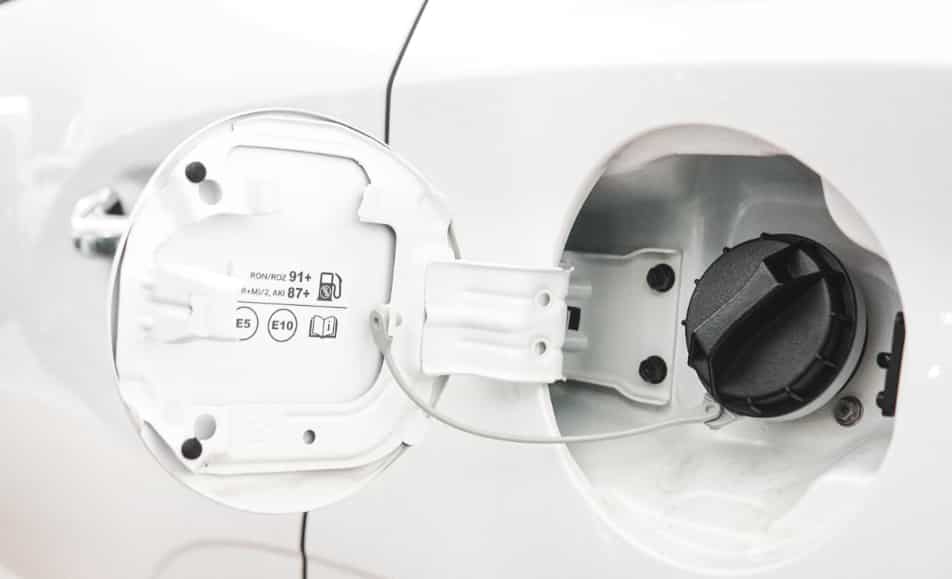
Recommended Hyundai Elantra Gas Type
The recommended Hyundai Elantra gas type depends on the engine design. Most versions of the Hyundai Elantra use regular unleaded gasoline.
The Hyundai Elantra is built to run efficiently on 87 octane fuel in most markets. This fuel type matches the standard engine compression ratio. It also helps balance performance and fuel cost.
Car manufacturers design the engine to work with regular gasoline. Hyundai tests the engine under normal driving conditions. The goal is stable performance with low maintenance cost.
Using higher octane fuel does not improve performance in most standard Elantra models. The engine control system does not require it. The combustion process is already optimized for regular fuel.
Some drivers believe premium fuel gives better mileage. In most cases, this is not true for the Elantra. Fuel economy depends more on driving habits and traffic conditions.
You should always check the owner manual for your specific model year. Some newer or turbocharged variants may have different fuel requirements. These versions can respond differently to octane levels.
Regular unleaded gasoline remains the safest and most cost effective choice for most Hyundai Elantra drivers. It ensures proper combustion and keeps the engine running smoothly under normal conditions.
Hyundai Elantra Octane Rating Explained
Octane rating measures fuel resistance to engine knocking. It shows how stable fuel burns inside the engine. Higher octane fuel resists knocking better under pressure.
Most drivers see three common octane levels. These are 87, 89, and 91. Each level behaves differently in combustion.
The Hyundai Elantra is designed to work best with 87 octane fuel in most standard versions. This fuel matches the engine tuning and compression level.
Engine knocking happens when fuel burns unevenly. This can create noise and reduce efficiency. Modern engines use sensors to adjust timing and reduce knocking.
Higher octane fuel does not always increase performance. It only helps when the engine is built for it. If the engine does not require high octane fuel, the benefit is minimal.
Some turbocharged Elantra versions may benefit from higher octane fuel. These engines run at higher pressure. They need more stable combustion to maintain performance under load.
Drivers often misunderstand octane rating. They think higher number means more power. In reality, octane only measures resistance to knocking, not energy output.
You should always follow the manufacturer recommendation. This ensures stable combustion and protects long term engine health.
Engine Compatibility and Fuel System Design
The Hyundai Elantra uses different engine types depending on the model year and trim level. Each engine type has specific fuel needs.
The Hyundai Elantra is commonly equipped with naturally aspirated engines. Some versions also use turbocharged engines. These engine types affect fuel behavior and combustion requirements.
Naturally aspirated engines run at lower pressure. They compress air and fuel in a stable cycle. These engines usually work best with regular unleaded gasoline.
Turbocharged engines operate under higher pressure. They force more air into the combustion chamber. This increases power output and heat levels. These engines may require higher octane fuel for better stability.
The fuel injection system controls how fuel enters the engine. It adjusts timing and mixture based on driving conditions. Modern Elantra models use electronic fuel injection for better efficiency.
Engine sensors also play an important role. They detect knocking and adjust ignition timing. This helps protect the engine from damage when fuel quality changes.
Fuel compatibility depends on engine design, not driver preference. The manufacturer tests each engine to match a specific fuel type. This ensures safe and stable performance over time.
Using the correct fuel helps maintain combustion efficiency. It also reduces stress on engine components. This improves long term reliability and performance consistency.
What Happens If You Use the Wrong Gas Type
Using the wrong gas type in your vehicle can affect engine performance and long term reliability. The impact depends on how different the fuel is from the recommended type.
The Hyundai Elantra is designed to run on a specific fuel grade. When you use a lower quality fuel than recommended, the engine may adjust its timing to protect itself.
One common issue is engine knocking. This happens when fuel burns unevenly inside the combustion chamber. It can reduce smooth engine operation and create noise during acceleration.
Modern engines include sensors that detect poor combustion. These sensors reduce performance to protect engine parts. This means you may feel slower acceleration and reduced efficiency.
Using incorrect fuel over a long period can also increase carbon buildup. This buildup affects engine cleanliness and may reduce fuel economy over time.
In most cases, using a slightly lower or higher octane fuel once will not cause serious damage. The engine control system can adapt to short term changes.
However, repeated use of the wrong fuel can increase wear on engine components. It can also reduce overall driving comfort and efficiency.
Following the manufacturer recommendation remains the safest option. It ensures stable combustion and protects engine performance over the long term.
Does Premium Gas Improve Hyundai Elantra Performance?
Many drivers believe premium gas improves engine performance. This belief is common but not always correct.
The Hyundai Elantra is designed to work efficiently with regular unleaded gasoline in most versions. The engine control system is calibrated for that fuel type.
Premium gas has a higher octane rating. It resists knocking better under high pressure. However, higher octane does not automatically mean more power.
If an engine is not designed for premium fuel, it will not gain extra horsepower. The combustion system will not fully use the higher octane level.
Some drivers report smoother performance with premium gas. This effect often comes from different fuel additives, not octane itself.
Turbocharged Elantra models may respond differently. These engines operate under higher stress. In some cases, premium fuel can improve stability under heavy acceleration.
Fuel economy also does not significantly improve with premium gas in standard engines. Real mileage depends more on driving behavior and traffic conditions.
Using premium fuel in a regular engine often increases cost without meaningful benefit. The manufacturer recommendation remains the most reliable guide for fuel choice.
Hyundai Elantra Fuel Efficiency and Gas Type Relationship
Fuel efficiency depends on many factors. Gas type is only one part of the equation.
The Hyundai Elantra is engineered for strong fuel economy in daily driving conditions. The engine system focuses on balance between power and efficiency.
Many drivers think higher octane fuel improves mileage. In most cases, this is not true for standard engines. The engine control system does not increase efficiency based on octane level.
Driving habits have a stronger impact on fuel economy. Smooth acceleration improves mileage. Frequent hard braking reduces efficiency.
Traffic conditions also affect fuel consumption. Stop and go traffic uses more fuel than highway driving. Engine load changes fuel usage significantly.
Vehicle maintenance plays an important role. Clean air filters and proper tire pressure improve efficiency. Regular servicing helps the engine run at optimal performance.
Fuel type only becomes important when it matches engine requirements. Using the correct gasoline ensures stable combustion. It helps the engine operate as designed by the manufacturer.
Premium fuel does not guarantee better fuel economy in standard Elantra models. Consistent driving behavior gives better results than changing fuel type.
Expert Recommendation for Hyundai Elantra Gas Type
Experts recommend following the manufacturer fuel guideline first. This ensures the engine runs safely and efficiently.
The Hyundai Elantra is designed to operate on regular unleaded gasoline in most standard configurations. This fuel type matches the engine tuning and compression level.
Regular gas provides stable combustion for daily driving. It also helps keep running costs low over time. Most drivers do not gain extra benefits from premium fuel.
You should always check the owner manual for your specific model year. Some turbocharged versions may require higher octane fuel. These engines need more stable combustion under higher pressure.
Experts also advise focusing on driving habits instead of fuel upgrades. Smooth driving improves efficiency more than changing gas type. Proper maintenance also supports long term engine health.
Using the correct fuel protects engine components. It reduces unnecessary stress on the combustion system. This helps maintain consistent performance over many years.
Premium fuel is only useful when the engine specifically requires it. Otherwise, it adds cost without meaningful performance improvement.
Conclusion
Understanding the correct Hyundai Elantra gas type helps you protect your engine and control fuel costs. It also improves long term driving confidence.
The Hyundai Elantra is built to run efficiently on regular unleaded gasoline in most versions. This fuel type matches the engine design and factory tuning.
Most drivers do not need premium fuel. Regular gas already provides stable combustion and reliable performance. Premium fuel only helps when the engine specifically requires higher octane.
You should always follow the manufacturer recommendation in the owner manual. This ensures the engine works as intended and avoids unnecessary stress on internal components.
Fuel choice is important, but driving habits and maintenance matter more. Smooth driving, proper servicing, and correct tire pressure all improve efficiency and engine life.
In the end, the best fuel choice is the one designed for your vehicle. Staying consistent with the recommended gas type helps you avoid extra cost and maintain long term reliability.