To check transmission fluid without a dipstick, locate the transmission fluid level check plug, bring the fluid to the manufacturer-specified temperature, and inspect the fluid level using the correct service procedure. Many dipstick-free automatic transmissions use an overflow system, where a small stream or trickle of fluid from the check opening indicates the correct level under specified conditions. However, the exact method depends on the vehicle’s transmission design.
Checking transmission fluid without a dipstick requires specific tools and preparation. A compatible scan tool may be needed to monitor transmission fluid temperature, while a lift or properly positioned jack stands keep the vehicle level and securely supported. Some transmissions must be checked with the engine running, while others follow different procedures. Removing the wrong plug or checking at an incorrect temperature can produce inaccurate results or cause transmission damage.
This guide explains how to locate the transmission fluid check plug, prepare your vehicle, measure fluid levels, and add transmission fluid when necessary. It also covers the signs of low transmission fluid, the risks of overfilling, and when professional assistance is required. Always confirm the checking procedure and fluid specifications in your vehicle’s service manual before beginning.
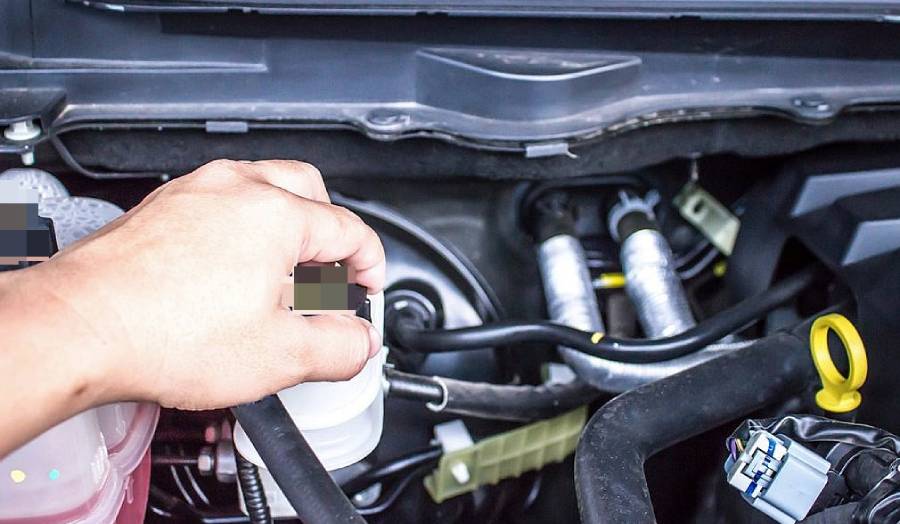
How Do You Check Transmission Fluid Without a Dipstick?
To check transmission fluid without a dipstick, identify the transmission’s fluid-level checking system, position the vehicle on a level surface, bring the fluid to the specified temperature, and inspect the level through the designated check plug. Many automatic transmissions use an overflow tube or standpipe that establishes the correct fluid height inside the transmission pan. When the fluid reaches this height under the required operating conditions, excess fluid exits through the check opening.
The procedure varies between transmission models. Some require the engine to remain running while the fluid level is checked, whereas others require different engine and gear-selector conditions. Always follow the manufacturer’s service instructions rather than assuming every dipstick-free transmission uses the same method.
How Do You Prepare Your Car for a Transmission Fluid Check?
Prepare your car for a transmission fluid check by confirming the transmission model, checking the manufacturer’s service procedure, and securing the vehicle in a level position. Correct preparation prevents inaccurate measurements and reduces the risk of injury when accessing components beneath the vehicle.
Park on a flat, stable surface, apply the parking brake, and use wheel chocks as appropriate. If access underneath the vehicle is necessary, use a properly rated vehicle lift or manufacturer-approved lifting and support points with suitable jack stands. The vehicle must remain level during the fluid check because tilting changes the fluid’s position relative to the check opening. Never work beneath a vehicle supported only by a hydraulic jack.
Follow the specified engine warm-up and gear-selector procedure before opening the check plug. Some automatic transmissions require cycling through gear positions while holding the brake pedal to circulate fluid through the hydraulic system. Other transmissions require a different sequence. Keep clear of moving components and hot exhaust surfaces whenever the engine must remain running.
How Do You Locate the Transmission Fluid Check Plug?
Locate the transmission fluid check plug by identifying the transmission assembly and consulting the vehicle-specific service manual. On many dipstick-free transmissions, the check plug is positioned on the transmission case or at the bottom of the transmission pan, depending on the fluid-level checking system.
Three transmission openings serve different purposes. The fill plug provides access for adding fluid, the check plug allows fluid-level verification, and the drain plug releases fluid during servicing. Some transmissions combine checking and draining functions through a standpipe assembly, while others use separate openings.
For example, certain Toyota automatic transmissions use an overflow tube inside the transmission pan to establish the correct fluid level. Other transmission designs use a side-mounted level plug or require specialized service equipment. Plug locations and functions vary by transmission model, even among vehicles from the same manufacturer.
Identify the correct plug before loosening any fastener. Removing a drain plug instead of a check plug can release a substantial amount of transmission fluid, while loosening an unrelated transmission fastener may damage internal components.
How Do You Check and Adjust the Transmission Fluid Level?
Check and adjust the transmission fluid level by bringing the fluid into the manufacturer-specified temperature range, opening the designated level-check port under the required operating conditions, and observing the fluid flow. This procedure applies to transmissions equipped with an overflow-type checking system.
Transmission fluid expands as its temperature rises, making temperature control essential for an accurate measurement. Use a compatible diagnostic scan tool to monitor transmission fluid temperature when the service procedure requires it. Do not substitute engine coolant temperature or dashboard temperature readings for the specified transmission fluid measurement.
Once the required temperature and operating conditions are reached, carefully remove the designated check plug. A small stream that decreases to a trickle generally indicates the specified fluid level in an overflow system. A continuous heavy flow may indicate excess fluid, while no flow may indicate insufficient fluid. These observations are valid only when the correct checking conditions have been established.
If the fluid level is low, add the manufacturer-approved transmission fluid through the designated fill opening using an appropriate fluid transfer pump. Add fluid gradually and repeat the checking procedure until the specified overflow condition is achieved. Do not use a generic automatic transmission fluid unless it meets the exact specification required for the transmission.
After completing the adjustment, reinstall the plugs with the specified seals and tighten them to the manufacturer’s torque specifications. Inspect the serviced openings for leaks and confirm that the transmission operates normally. If the transmission does not have an identifiable overflow checking system, use its specific service procedure instead of attempting this method.
What Tools Do You Need to Check Transmission Fluid Without a Dipstick?
Checking transmission fluid without a dipstick requires five main categories of equipment: vehicle support equipment, a compatible temperature monitoring tool, appropriate hand tools, a fluid transfer pump, and fluid collection supplies. The exact tools depend on the transmission design and the manufacturer’s checking procedure.
A vehicle lift or properly rated jack stands provide access to the transmission while keeping the vehicle level. Wheel chocks help prevent unintended movement, and the manufacturer’s designated lifting points must be used to support the vehicle safely. A hydraulic floor jack can raise the vehicle but must never serve as its only support while someone works underneath.
A compatible diagnostic scan tool is necessary when the checking procedure requires transmission fluid temperature data that cannot be obtained through another manufacturer-approved method. Many modern automatic transmissions use a transmission fluid temperature sensor to monitor operating conditions. A basic OBD-II code reader may not display this information, so the tool must support the vehicle’s transmission control system and relevant temperature data.
Sockets, wrenches, and a torque wrench are used to remove and reinstall the designated transmission plugs. A fluid transfer pump delivers transmission fluid through the fill opening when the transmission lacks an accessible fill tube. A drain pan collects fluid released during inspection, while protective gloves and safety glasses reduce exposure to hot fluid.
Keep the manufacturer-approved transmission fluid and any required replacement plug seals available before beginning. Using the wrong fluid specification or reusing a seal that requires replacement can cause transmission problems or leaks.
How Can You Tell if Transmission Fluid Is at the Correct Level Without a Dipstick?
You can tell whether transmission fluid is at the correct level by observing the fluid flow from the designated level-check opening, provided the transmission uses an overflow checking system. The correct level is generally indicated by a small stream that decreases to a trickle while the transmission remains within its specified temperature range and operating conditions.
An overflow-type transmission uses an internal standpipe or calibrated opening to establish the required fluid height. When the fluid rises above this opening, the excess drains out. Once the fluid reaches the specified height, the flow decreases. This design allows technicians to verify the fluid level without inserting a dipstick into the transmission.
Three fluid-flow conditions help identify the transmission fluid level:
- A small stream or trickle: Generally indicates the correct fluid level when the manufacturer’s specified checking conditions are satisfied.
- A continuous heavy flow: May indicate excess transmission fluid, although fluid temperature and the checking procedure must be verified before determining that the transmission is overfilled.
- No fluid flow: May indicate a low fluid level in an overflow system, but it can also result from incorrect fluid temperature, engine operating conditions, or an improperly performed procedure.
For example, opening an overflow check plug while the transmission fluid is below its specified temperature range can produce a misleading result. Transmission fluid expands as it warms, so a reading taken at the wrong temperature may lead to incorrect filling or draining.
Fluid appearance provides additional information about transmission condition but does not establish the fluid level. Darkened fluid, a burnt odor, or visible metallic particles can indicate contamination, overheating, or internal wear. However, fluid color alone cannot reliably determine whether the transmission requires replacement fluid or internal repairs.
If the fluid does not flow as expected, verify the transmission model, checking temperature, engine state, and service instructions before adding or removing fluid. Transmissions without an overflow-type system require their own manufacturer-approved level verification procedure.
What Temperature Should Transmission Fluid Be When Checking the Level?
Transmission fluid must be within the manufacturer’s specified temperature range when checking its level. There is no universal checking temperature for automatic transmissions without dipsticks because different transmission designs use different fluid-level calibration procedures. For example, certain Toyota automatic transmissions specify a checking range of approximately 35–45°C (95–113°F), while other transmissions require different temperatures.
Transmission fluid temperature affects measurement accuracy because automatic transmission fluid expands as it heats up. When the fluid is too cold, its volume is lower than it would be at the specified checking temperature. When it becomes too hot, expansion increases its volume. Checking an overflow-type transmission outside the required temperature range can therefore produce an incorrect fluid-level reading, potentially resulting in underfilling or overfilling.
A compatible diagnostic scan tool provides a reliable way to monitor transmission fluid temperature when supported by the vehicle. The tool reads temperature information from the transmission control system, allowing the technician to perform the fluid-level check within the specified range. Some manufacturers also provide alternative temperature verification procedures using diagnostic modes or indicator sequences.
Engine coolant temperature and transmission fluid temperature are not interchangeable measurements. The engine may reach its normal operating temperature before the transmission fluid reaches the required checking range. Always confirm the exact temperature specification for the vehicle’s transmission model before removing the level-check plug.
Why Do Some Automatic Transmissions Have No Dipstick?
Some automatic transmissions have no dipstick because their manufacturers use alternative fluid-level checking systems designed around specific service procedures. These transmissions typically rely on a calibrated check opening, internal overflow tube, or specialized filling and measuring process instead of a traditional dipstick accessible from the engine compartment.
Three design and maintenance considerations explain the use of dipstick-free transmission systems: controlled fluid measurement, reduced routine access, and transmission-specific servicing requirements. An overflow system establishes the fluid level at a calibrated height under defined temperature and operating conditions. This approach allows technicians to verify fluid quantity using a repeatable procedure without relying on markings on a dipstick.
Removing the traditional dipstick also limits casual access to the transmission fluid. Automatic transmissions require fluids with specific friction characteristics, viscosity properties, and additive formulations. For example, a transmission designed for a particular automatic transmission fluid specification may experience shifting problems or internal damage when filled with an incompatible product. A dipstick-free design does not eliminate this risk, but it makes following the designated service procedure especially important.
The term sealed transmission does not mean that the transmission contains permanent fluid or never requires maintenance. Many sealed or dipstick-free transmissions still have service openings for fluid inspection, draining, and filling. Fluid replacement requirements depend on the transmission design, operating conditions, and manufacturer’s maintenance schedule.
For example, some Toyota automatic transmissions use an internal overflow tube to establish fluid level, while certain European automatic transmissions use dedicated fill and level-check openings. These systems demonstrate that the absence of a dipstick changes how transmission fluid is checked, not the fundamental need to maintain the correct fluid quantity and specification.
What Are the Signs of Low Transmission Fluid Without a Dipstick?
The most common signs of low transmission fluid include delayed gear engagement, slipping gears, unusual transmission noises, overheating, and visible fluid leaks. These symptoms occur because automatic transmissions depend on adequate fluid levels to maintain hydraulic pressure, lubricate moving components, and control operating temperatures. However, these warning signs do not confirm a low fluid level without a proper inspection.
Delayed gear engagement occurs when the transmission takes longer than expected to engage Drive or Reverse after the gear selector is moved. In a conventional hydraulic automatic transmission, insufficient fluid can disrupt the hydraulic pressure required to engage internal clutches. For example, a vehicle may hesitate before moving after the driver shifts from Park into Drive. Delayed engagement can also result from worn clutch components, valve body problems, or transmission control faults.
Transmission slipping is another potential symptom of insufficient fluid. Slipping occurs when the engine speed increases without a corresponding increase in vehicle speed. Low fluid levels can reduce hydraulic pressure and prevent internal clutch packs from maintaining proper engagement. Continued slipping generates excess heat and accelerates friction material wear, potentially causing permanent transmission damage.
Unusual noises and overheating can also indicate transmission fluid problems. Whining or humming sounds may develop when a transmission pump draws insufficient fluid or aerated fluid. Inadequate lubrication and cooling can increase friction and operating temperatures. However, similar symptoms can result from worn bearings, pump problems, or internal mechanical damage.
Visible transmission fluid leaks provide an additional reason to inspect the fluid level. Common leak locations include transmission pan gaskets, axle seals, cooler lines, and transmission case connections. Fluid may appear beneath the vehicle or accumulate around transmission components. Its color varies according to fluid formulation and condition, so identifying the source of the leak is more reliable than judging the fluid by color alone.
A vehicle displaying these symptoms requires diagnosis rather than automatic fluid replacement. Confirm the transmission fluid level using the manufacturer-approved procedure and inspect for leaks or diagnostic trouble codes. Avoid continued driving when the transmission slips severely, overheats, or fails to engage gears, as additional operation can increase internal damage.
What Happens if You Overfill Transmission Fluid?
Overfilling transmission fluid can cause fluid aeration, increased operating temperatures, leakage, and abnormal shifting. These problems occur when excess fluid interferes with the transmission’s intended lubrication, hydraulic control, or fluid circulation. The severity depends on the transmission design, the amount of excess fluid, and operating conditions.
Fluid aeration is a major concern in certain automatic transmissions. When the fluid level rises high enough to contact rotating internal components, the fluid can become agitated and mixed with air. Aerated transmission fluid does not transmit hydraulic pressure as consistently as properly conditioned fluid. This can interfere with clutch engagement and produce delayed shifts, slipping, or irregular transmission operation.
Excessive heat and fluid leakage are additional consequences of significant overfilling. Aerated fluid can reduce lubrication effectiveness and contribute to increased operating temperatures. Excess fluid may also escape through transmission vents or other openings under certain conditions. Leaking fluid can contaminate surrounding components and eventually leave the transmission with insufficient fluid.
For example, an overflow-type transmission checked below its specified fluid temperature may be filled beyond the correct operating level. As the fluid warms and expands, the excess volume can produce an overfilled condition. This illustrates why transmission fluid temperature must be verified before making a level adjustment.
Correct an overfilled transmission by following the manufacturer’s fluid-level adjustment procedure. On an overflow-type system, this generally involves bringing the fluid to the specified temperature and allowing excess fluid to drain through the designated check opening under the required operating conditions. Do not remove an arbitrary amount of fluid through the drain plug, because this can leave the transmission underfilled.
Can You Check Transmission Fluid Without a Dipstick at Home?
You can check transmission fluid without a dipstick at home if you have the correct equipment, access to the manufacturer’s service instructions, and a safe way to keep the vehicle level while working underneath it. However, some transmissions require specialized diagnostic tools or service equipment that make professional inspection the safer option.
Three requirements determine whether a DIY transmission fluid check is practical: safe vehicle access, accurate temperature monitoring, and knowledge of the transmission’s checking procedure. A properly rated vehicle lift provides access while maintaining a level position. Alternatively, suitable jack stands may be used at manufacturer-approved support points, provided the vehicle remains stable and level. Never crawl underneath a vehicle supported only by a hydraulic jack.
Temperature monitoring is equally important. Many dipstick-free automatic transmissions require fluid-level measurements within a specific temperature range. A compatible diagnostic scan tool can display transmission fluid temperature when the vehicle supports that function. Without accurate temperature information, an overflow-type checking procedure may produce an incorrect reading and lead to improper fluid adjustment.
The manufacturer’s service manual must also identify the correct check plug, required engine operating condition, and approved transmission fluid specification. For example, some transmissions require the engine to idle during the fluid-level check. Turning the engine off can change fluid distribution inside the transmission and invalidate the measurement. Working near a running engine, hot exhaust components, and heated transmission fluid also introduces additional safety risks.
Professional transmission service is recommended when the checking procedure requires equipment or access conditions you cannot safely provide. This includes vehicles requiring specialized diagnostic functions, transmissions with unclear plug identification, and vehicles displaying severe slipping or overheating. A qualified technician can verify the fluid level while checking for leaks, stored fault codes, and other transmission problems.
Read more: How Much Does a Rebuilt Transmission Cost? (2026)
Do All Cars Without Transmission Dipsticks Use the Same Checking Procedure?
No, cars without transmission dipsticks do not all use the same fluid-checking procedure. The correct method depends on the transmission manufacturer, transmission model, fluid-level measurement system, and vehicle-specific service requirements. Even vehicles produced by the same automotive brand can have different checking procedures across model years and transmission configurations.
Toyota automatic transmissions provide an example of an overflow-based checking system. Certain Toyota transmissions use an internal overflow tube and a designated check plug to establish the correct fluid level. The procedure requires specific transmission fluid temperature and engine operating conditions. However, not every Toyota transmission uses the same overflow arrangement or temperature specification.
Ford automatic transmissions also demonstrate differences between transmission designs. Some Ford transmissions use a dedicated fluid-level checking plug or a short service dipstick located on the transmission assembly rather than a conventional dipstick extending into the engine compartment. Other Ford transmissions require different inspection methods. The correct procedure must be identified using the vehicle model, model year, and transmission designation.
General Motors automatic transmissions use several fluid-level checking arrangements. Certain GM transmissions have a level-check plug that allows technicians to inspect fluid at a specified temperature with the engine operating under defined conditions. Other GM transmissions use different service procedures, including designs with conventional dipsticks. Applying the wrong procedure can result in an incorrect fluid level.
Transmission type also influences the checking method. Conventional hydraulic automatic transmissions, continuously variable transmissions (CVTs), and dual-clutch transmissions may use different fluid specifications and measurement procedures. Some dual-clutch systems have separate fluid circuits with distinct service requirements. Fluid intended for one transmission design must not be substituted for another unless the manufacturer explicitly approves it.
Before checking transmission fluid, identify the exact transmission using the owner’s manual, vehicle identification information, or manufacturer service documentation. Confirm the check plug location, temperature range, engine state, and fluid specification for that transmission. These details determine whether the fluid-level measurement is accurate and whether the procedure can be completed safely.
How Often Should You Check Transmission Fluid in a Car Without a Dipstick?
You should check transmission fluid in a car without a dipstick according to the manufacturer’s maintenance recommendations or whenever symptoms suggest a fluid-level problem. Unlike transmissions equipped with accessible dipsticks, many dipstick-free systems do not require routine fluid-level checks by the vehicle owner. Their fluid levels are generally inspected during scheduled maintenance, after transmission repairs, or when leaks and shifting problems occur.
Four situations warrant checking transmission fluid: suspected leaks, abnormal shifting, transmission overheating, and recent transmission service. A leak around the transmission pan, axle seals, or cooler lines can gradually reduce fluid volume. Delayed gear engagement, slipping, or unusual transmission noises may indicate insufficient fluid, although these symptoms can also result from internal mechanical or electronic faults. A fluid-level inspection helps determine whether incorrect fluid quantity contributes to the problem.
Transmission fluid should also be checked after repairs involving fluid removal or replacement. For example, replacing a transmission pan gasket, repairing a cooler line, or performing a transmission fluid change requires restoring the correct fluid level. An incorrect refill quantity can cause underfilling or overfilling, even when the manufacturer-approved transmission fluid is used.
Transmission fluid inspection intervals and replacement intervals are different maintenance requirements. A fluid-level inspection verifies whether the transmission contains the correct quantity of fluid, while a fluid change removes used fluid and replaces it with fresh fluid meeting the manufacturer’s specification. Some manufacturers specify transmission fluid replacement at particular mileage or time intervals, while others require replacement primarily under severe operating conditions, such as frequent towing or sustained heavy loads.
For example, a vehicle used for regular towing may have different transmission maintenance requirements from the same model driven under normal commuting conditions. Follow the maintenance schedule for the exact vehicle model, transmission type, and operating conditions rather than applying a universal mileage interval.
A sealed or dipstick-free transmission is not necessarily maintenance-free. Regular inspections for external leaks, prompt investigation of shifting problems, and compliance with manufacturer-specified service intervals help maintain proper transmission operation. If the vehicle develops significant slipping, overheating, or loss of drive, stop operating it and arrange a professional inspection to reduce the risk of further damage.