A transmission rebuild typically costs $1,500 to $4,000 or more in the United States, depending on the vehicle, transmission type, labor rates, and extent of internal damage. Standard rebuilds generally cost less than complex repairs involving damaged gears, torque converters, or electronic control components. Luxury vehicles and heavy-duty trucks may require higher repair budgets because of specialized parts and additional labor.
A transmission rebuild involves removing the transmission, disassembling its internal components, inspecting for damage, and replacing worn or defective parts before reassembly and testing. Unlike installing a replacement transmission, rebuilding allows technicians to restore the existing unit while retaining components that remain in good condition. Labor and replacement parts account for most of the total expense, although diagnostic fees, transmission fluid, and additional repairs can increase the final bill.
Rebuilding a transmission is often less expensive than installing a new unit, but it is not always the most economical solution. The vehicle’s market value, mileage, mechanical condition, and available warranty coverage determine whether the investment makes financial sense. This guide explains transmission rebuild costs by vehicle type, breaks down labor and parts expenses, compares rebuilding with replacement alternatives, and identifies when a rebuild is worth the money.
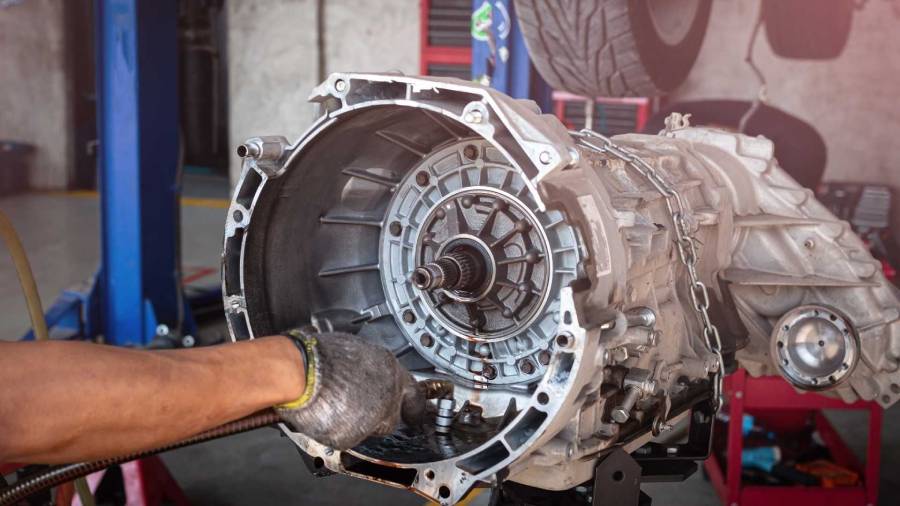
How Much Does It Cost to Rebuild a Transmission?
Rebuilding a transmission typically costs $1,500 to $4,000 or more in the United States, including replacement parts and professional labor. The final price depends on the transmission’s design, the severity of internal damage, and the components that need replacement. A basic rebuild involving worn seals, gaskets, and clutch components generally costs less than a complete overhaul requiring major mechanical repairs.
Transmission rebuild costs can be divided into three general pricing categories. Basic rebuilds may cost $1,500–$2,500 when internal damage is limited and major components remain reusable. Standard rebuilds commonly fall between $2,500 and $4,000 when additional clutch assemblies, bearings, or hydraulic components require replacement. Complex rebuilds can exceed $4,000, particularly for luxury vehicles, heavy-duty trucks, and transmissions requiring specialized parts or extensive repairs. These are indicative budgeting ranges rather than verified national averages.
| Rebuild Type | Estimated Cost | Typical Repair Scope |
|---|---|---|
| Basic rebuild | $1,500–$2,500 | Seals, gaskets, friction components |
| Standard rebuild | $2,500–$4,000 | Clutch packs, bearings, selected internal components |
| Complex rebuild | $4,000–$6,000+ | Major internal damage, specialized components |
A transmission rebuild estimate should include removal, disassembly, inspection, replacement parts, reassembly, installation, and testing. However, repair shops may quote diagnostic services, transmission fluid, torque converter replacement, and related repairs separately. The initial estimate can increase when technicians discover additional damage after opening the transmission.
How Much Does Transmission Rebuild Labor Cost?
Transmission rebuild labor can account for approximately $800 to $2,000 or more of the total repair bill, depending on the shop’s hourly rate and the work required. Rebuilding a transmission involves several labor-intensive operations, including removing the assembly from the vehicle, dismantling internal components, inspecting mechanical and hydraulic systems, and reinstalling the rebuilt unit.
Labor charges are calculated by multiplying billable labor hours by the repair shop’s hourly rate. For example, a rebuild requiring 12 billable hours at $125 per hour produces a labor charge of $1,500. A more complicated repair requiring 18 hours at the same rate costs $2,250 before parts, fluids, and applicable taxes. These examples illustrate how labor pricing works rather than establishing standard rebuild times.
Vehicle design also influences labor expenses. Front-wheel-drive vehicles often require technicians to remove a transaxle assembly located within a crowded engine compartment. All-wheel-drive vehicles may involve additional drivetrain components, while certain luxury vehicles require specialized tools and diagnostic procedures. Consequently, two transmissions with similar internal damage can generate substantially different labor bills.
How Much Do Transmission Rebuild Parts Cost?
Transmission rebuild parts can cost several hundred dollars to more than $2,000, depending on the number and type of components requiring replacement. Standard rebuild kits typically contain friction plates, seals, gaskets, and other wear items, while extensive repairs may require additional hard parts, hydraulic components, or electronic assemblies.
Clutch packs and friction plates transfer power between transmission components by engaging specific gear combinations. Seals and gaskets maintain hydraulic pressure and prevent fluid leakage. Bearings support rotating shafts, while the valve body directs transmission fluid through hydraulic passages to control gear changes. Damage to these components affects both the parts bill and the amount of labor needed to complete the rebuild.
A damaged torque converter can increase the cost of an automatic transmission rebuild because it may require replacement or specialized remanufacturing. Similarly, a defective valve body or damaged planetary gear assembly can add substantial expense beyond a standard rebuild kit. For example, a transmission requiring only seals and friction components will generally have a lower parts bill than one requiring a torque converter, valve body, and planetary gear components.
What Factors Affect the Cost of Rebuilding a Transmission?
Six primary factors affect transmission rebuild costs: vehicle make and model, transmission type, damage severity, replacement parts, labor rates, and geographic location. Each factor influences either the amount of repair work required or the price of completing that work.
Vehicle make and model determine transmission design, accessibility, and parts availability. Common transmission models used across several mainstream vehicles may have widely available rebuild kits and replacement components. In contrast, specialized transmissions used in luxury or performance vehicles may require manufacturer-specific parts, diagnostic equipment, and experienced technicians. Limited component availability can increase both repair expenses and turnaround time.
Transmission type also changes rebuilding costs because automatic, manual, continuously variable, and dual-clutch transmissions use different mechanical systems. Conventional automatic transmissions contain hydraulic controls, planetary gearsets, and multiple friction elements. Manual transmissions rely on mechanical gears, shafts, bearings, and synchronizers. CVTs use variable-ratio mechanisms, while dual-clutch transmissions combine multiple clutch assemblies with electronic or hydraulic controls. These design differences affect repair procedures, component prices, and whether a complete rebuild is commercially practical.
Internal damage is another major cost driver. A transmission with worn clutch plates and leaking seals may need a relatively straightforward overhaul. Severe damage involving broken gears, damaged shafts, contaminated hydraulic passages, or a failed pump requires additional replacement components and inspection work. Metal debris from internal failures can spread through the transmission and contaminate the valve body, torque converter, and cooling system, increasing the repair scope.
Replacement parts influence the final price through component quality, availability, and the extent of replacement. Original equipment manufacturer (OEM) components, aftermarket rebuild kits, and remanufactured assemblies can have different prices and warranty conditions. A shop may also recommend replacing components that remain functional but show significant wear to reduce the risk of another failure after reassembly.
Labor rates and geographic location determine the cost of professional service. Repair shops in high-cost metropolitan areas may charge higher hourly rates than shops in smaller markets because of differences in wages, property expenses, and operating costs. Transmission specialists may also charge differently from general repair facilities, particularly when rebuilding electronically controlled or uncommon transmission models.
For example, two repair shops could diagnose identical clutch pack damage but provide different estimates because one charges $100 per labor hour while the other charges $175. At 15 billable hours, that difference produces a $1,125 variation in labor charges alone. Comparing itemized estimates helps vehicle owners distinguish differences in labor pricing from differences in the actual repair scope.
How Much Does a Transmission Rebuild Cost by Vehicle Type?
Transmission rebuild costs vary by vehicle type, with sedans generally costing $1,500–$3,500, SUVs $2,000–$4,500, pickup trucks $2,000–$5,000, and luxury vehicles $3,000–$6,000 or more. These estimated ranges reflect differences in transmission design, component availability, drivetrain configuration, and labor requirements. Actual costs depend on the specific transmission model and the extent of internal damage rather than vehicle category alone.
Sedans generally have lower rebuild costs because many mainstream models use widely available transmission components. Compact and midsize vehicles from manufacturers such as Toyota, Honda, and Hyundai often share transmission designs across multiple model years. This can improve parts availability and simplify repairs for technicians familiar with those units. However, sedans equipped with continuously variable transmissions or specialized automatic gearboxes may have substantially higher repair expenses.
SUV transmission rebuilds can cost more because larger vehicles frequently use heavier-duty transmissions and more complex drivetrain configurations. All-wheel-drive and four-wheel-drive systems may require additional disassembly during transmission removal and installation. Pickup trucks face similar expenses, particularly when their transmissions are designed to handle high torque loads, towing, and heavy cargo. Damage to internal clutch assemblies, planetary gears, or torque converters can increase rebuild costs significantly.
Luxury vehicles typically have higher transmission rebuild expenses because their gearboxes may contain advanced electronic controls, specialized hydraulic systems, and manufacturer-specific components. Vehicles equipped with sophisticated eight-speed, nine-speed, or dual-clutch transmissions may also require specialized diagnostic equipment and calibration procedures.
| Vehicle Type | Estimated Rebuild Cost | Main Cost Factors |
|---|---|---|
| Compact and midsize sedans | $1,500–$3,500 | Parts availability, transmission design |
| SUVs and crossovers | $2,000–$4,500 | Drivetrain configuration, transmission size |
| Pickup trucks | $2,000–$5,000 | Torque capacity, heavy-duty components |
| Luxury and performance vehicles | $3,000–$6,000+ | Specialized parts, electronic controls |
These figures are illustrative US budgeting ranges, not verified market averages. A written estimate based on the vehicle identification number (VIN), transmission identification, and diagnostic findings provides a more accurate price.
How Much Does It Cost to Rebuild an Automatic Transmission?
Rebuilding a conventional automatic transmission generally costs approximately $2,000–$4,500, with complex repairs exceeding $5,000. Automatic transmissions require specialized labor because they combine mechanical gear assemblies, hydraulic circuits, friction components, and electronic controls to change gears without direct driver input.
The clutch packs are among the primary components inspected during an automatic transmission rebuild. These assemblies contain alternating friction and steel plates that engage specific gear combinations through hydraulic pressure. Worn friction material can cause slipping, delayed engagement, and overheating. Technicians inspect the clutch assemblies, replace damaged friction components, and verify proper clearances during reassembly.
The torque converter also affects automatic transmission rebuild costs. It transfers engine power to the transmission through hydraulic fluid and allows the engine to continue running while the vehicle is stationary. A damaged torque converter can cause vibration, slipping, overheating, or poor power transfer. Depending on its condition, the converter may need replacement or specialized remanufacturing. Contamination from a failed converter can also affect other transmission components.
The valve body controls transmission fluid distribution through internal hydraulic passages. Modern automatic transmissions use electronic solenoids and control modules to regulate hydraulic pressure and gear changes. Faulty solenoids, worn valve body passages, or damaged electronic components can increase the repair bill beyond the cost of replacing mechanical wear items. Some transmission designs also require electronic adaptation or calibration after installation.
Automatic transmission rebuild costs differ from those of manual transmissions because the two systems use different internal components. Manual transmissions generally contain gears, shafts, bearings, and synchronizers, while conventional automatics use planetary gearsets, clutch packs, and hydraulic controls. Nevertheless, a manual transmission with extensive gear or shaft damage can cost more to rebuild than an automatic transmission requiring only standard friction components.
CVTs and dual-clutch transmissions require separate consideration. Some CVT models have limited internal replacement parts available through conventional repair channels, making complete unit replacement more practical than rebuilding. Dual-clutch transmissions may require specialized clutch assemblies, mechatronic components, and calibration procedures. Vehicle owners should confirm whether the repair shop performs a complete rebuild of their specific transmission model before comparing prices.
Is It Cheaper to Rebuild or Replace a Transmission?
Rebuilding an existing transmission is generally cheaper than installing a brand-new transmission, but a remanufactured or used replacement can sometimes provide a lower total repair cost. The most economical option depends on internal damage, replacement unit availability, installation labor, and warranty coverage. Comparing the complete installed price is more useful than comparing rebuild kits or transmission purchase prices alone.
A transmission rebuild retains the existing housing and reusable internal components while replacing worn or damaged parts. This reduces the need to purchase an entirely new assembly. A new transmission, when available, typically has a higher component cost because it is supplied as a complete unit. However, rebuilding a severely damaged transmission can become expensive when numerous internal components require replacement.
| Transmission Repair Option | Estimated Total Cost | Main Consideration |
|---|---|---|
| Rebuild existing transmission | $1,500–$4,000+ | Internal damage and rebuild scope |
| Install new transmission | $4,000–$8,000+ | New unit availability and purchase price |
| Install remanufactured transmission | $2,500–$5,500+ | Remanufacturing standards and warranty |
| Install used transmission | $1,500–$3,500+ | Mileage, condition, and failure risk |
The table provides illustrative installed-cost ranges for US passenger vehicles. Actual quotations can fall outside these ranges, especially for luxury, commercial, or specialized vehicles.
How Much Does a Remanufactured Transmission Cost Compared to a Rebuild?
Installing a remanufactured transmission can cost approximately $2,500–$5,500 or more, compared with $1,500–$4,000 or more for rebuilding the existing unit. Remanufactured transmissions undergo a controlled restoration process involving disassembly, cleaning, inspection, replacement of specified wear components, and testing according to the remanufacturer’s procedures.
The primary difference concerns the restoration process and the transmission assembly being repaired. A conventional rebuild restores the existing transmission by replacing worn or damaged components. Remanufacturing typically follows a more standardized process that may include dimensional inspections, updated components, and defined testing requirements. However, the actual quality of either option depends on the repair provider, replacement parts, and workmanship.
A remanufactured transmission may offer better overall value when the original unit has extensive internal damage. For example, a vehicle owner comparing a $3,800 rebuild quotation with a $4,200 remanufactured installation would face a $400 price difference. If the remanufactured unit includes broader warranty coverage and more comprehensive component restoration, the additional expense may be justified. Warranty terms must be compared directly because coverage varies between suppliers.
Is a Used Transmission Cheaper Than a Rebuilt Transmission?
A used transmission is generally cheaper to purchase than a professionally rebuilt transmission, although installation expenses and mechanical uncertainty affect its overall value. Used transmissions are typically removed from salvage vehicles and sold without undergoing a complete internal rebuilding process. Their condition depends on previous mileage, maintenance history, operating conditions, and storage practices.
A used transmission installation may cost approximately $1,500–$3,500 or more, including the replacement unit and labor. The purchase price is often lower because the transmission retains its existing internal components rather than receiving new friction materials, seals, bearings, or other replacement parts. However, a lower purchase price does not establish that the transmission has substantial remaining service life.
The main financial risk is paying installation labor more than once. For example, a used transmission installation costing $2,000 initially may appear preferable to a $3,200 rebuild. If the used unit fails and requires another $1,500 in replacement expenses, the total expenditure reaches $3,500, excluding additional towing or diagnostic charges. This illustrative scenario demonstrates why warranty coverage and verified transmission condition matter when evaluating used components.
Vehicle owners should compare the donor transmission’s mileage, compatibility, warranty, and installation requirements before purchasing a used assembly. A used transmission with documented mileage and a meaningful parts-and-labor warranty presents a different risk profile from an untested salvage unit sold without labor coverage.
Is Rebuilding a Transmission Worth the Cost?
Rebuilding a transmission is worth the cost when the repair expense is reasonable compared with the vehicle’s value, the remaining mechanical components are in good condition, and the rebuilt unit can provide reliable service. A rebuild is particularly attractive when the transmission has repairable internal damage and the vehicle does not require other major repairs. However, rebuilding may not be financially justified when the total repair bill approaches the vehicle’s market value or when additional mechanical problems are expected.
Vehicle value is one of the primary considerations when evaluating a transmission rebuild. For example, spending $3,000 to rebuild the transmission in a vehicle worth $10,000 may be reasonable if the engine, suspension, and electrical systems are functioning properly. The same repair on a vehicle worth $2,500 requires closer evaluation because the repair expense exceeds its current market value. Nevertheless, replacing the vehicle may still cost more than repairing it, particularly when taxes, registration, financing, and the condition of an alternative vehicle are considered.
Mileage and overall mechanical condition also influence whether rebuilding is worthwhile. A high-mileage vehicle with a well-maintained engine, solid structural condition, and no major outstanding repairs may remain a practical candidate for transmission rebuilding. In contrast, a vehicle with significant engine problems, extensive corrosion, or recurring electrical failures presents a greater financial risk. The decision should account for the combined cost of existing repairs rather than transmission expenses alone.
Warranty coverage and expected ownership duration provide additional measures of rebuild value. A professionally rebuilt transmission with documented replacement parts, proper installation, and a meaningful parts-and-labor warranty offers greater financial protection than an undocumented repair. Owners planning to keep their vehicles for several years may benefit more from a comprehensive rebuild than those intending to sell the vehicle immediately.
A practical way to evaluate the investment is to divide the total rebuild expense by the number of months the owner expects to continue using the vehicle. For example, a $3,000 rebuild spread across 36 months represents approximately $83 per month in transmission repair costs. This calculation does not include maintenance, fuel, insurance, or other repairs, but it helps compare rebuilding with the cost of purchasing another vehicle.
What Is Included in a Transmission Rebuild?
A transmission rebuild includes removing the transmission, disassembling its internal components, inspecting mechanical damage, replacing worn or defective parts, reassembling the unit, and testing its operation. The objective is to restore proper transmission function while retaining components that meet the required service specifications. The exact repair scope depends on transmission design, internal wear, and the rebuild standards followed by the repair shop.
The process begins with diagnosis and transmission removal. Technicians inspect symptoms such as slipping gears, delayed engagement, abnormal noises, and fluid leaks to identify possible failures. Diagnostic procedures may include checking transmission fluid condition, retrieving diagnostic trouble codes, measuring hydraulic pressure, and performing operational tests. Once internal rebuilding is confirmed as necessary, the transmission is removed from the vehicle and prepared for disassembly.
During disassembly, technicians inspect clutch packs, gears, bearings, shafts, seals, hydraulic components, and other internal assemblies. Worn friction plates, damaged seals, and defective bearings are replaced according to inspection findings and the shop’s rebuild specifications. Reusable components are cleaned and checked for excessive wear, distortion, or damage. Automatic transmissions may also require inspection or replacement of the torque converter, valve body, solenoids, and transmission pump.
After component replacement, the transmission is reassembled using the manufacturer’s applicable specifications for clearances, fastener torque, and component alignment. Technicians reinstall the unit, add the specified transmission fluid, and inspect associated systems such as transmission coolers and fluid lines. Electronic transmission controls may require calibration or adaptation procedures before normal operation is restored.
Final testing verifies gear engagement, shift quality, hydraulic operation, and the absence of abnormal noises or fluid leaks. Depending on the transmission and repair facility, testing may include bench checks, electronic diagnostics, and a road test. A complete rebuild should address the underlying cause of failure rather than simply replacing visibly damaged components, because unresolved cooling problems or fluid contamination can damage the repaired transmission again.
How Long Does It Take to Rebuild a Transmission?
A transmission rebuild typically takes 2–5 business days at a repair shop, although complex repairs or unavailable parts can extend the process to a week or longer. Total turnaround time includes diagnosis, transmission removal, disassembly, component inspection, parts procurement, reassembly, installation, and testing. The number of days a vehicle remains at the shop is different from the actual billable labor hours required to complete the rebuild.
A straightforward rebuild may be completed faster when the repair shop has the required parts in stock and technicians are familiar with the transmission model. Common automatic transmissions with readily available rebuild kits generally involve fewer procurement delays than uncommon or specialized units. However, additional damage discovered during disassembly can extend the repair because replacement gears, shafts, valve bodies, or torque converters may need to be ordered separately.
The transmission’s design also affects repair duration. Vehicles with accessible transmission assemblies may require less removal and installation time than models with tightly packaged engine compartments or complex all-wheel-drive systems. Modern transmissions with electronic control systems may need additional diagnostic checks, software procedures, or adaptation tests after installation.
Repair shop workload is another factor influencing turnaround time. A transmission specialist may have the equipment and experience to perform internal rebuilding efficiently but still face scheduling delays when several vehicles are awaiting service. Parts availability, technician capacity, and testing requirements therefore determine the actual completion date.
Vehicle owners should request an estimated completion schedule before authorizing the rebuild and ask whether the timeline includes parts delivery, installation, and road testing. A written repair order should also explain how unexpected internal damage will be communicated and approved. This reduces the risk of unplanned delays and additional charges after the transmission has been disassembled.
How Long Does a Rebuilt Transmission Last?
A professionally rebuilt transmission can last 100,000–150,000 miles or longer, depending on rebuild quality, replacement components, driving conditions, and maintenance practices. This range is a general planning estimate rather than a guaranteed service life. A properly rebuilt transmission can provide years of reliable operation, but its durability depends on whether the original causes of failure were corrected and whether critical internal components were restored to acceptable operating specifications.
Rebuild quality is one of the most important factors affecting transmission lifespan. Technicians must inspect clutch assemblies, gears, bearings, seals, hydraulic components, and related systems to identify worn or damaged parts. Replacing defective components without correcting underlying problems, such as overheating, inadequate lubrication, or contaminated transmission fluid, increases the risk of premature failure. A comprehensive rebuild addresses both damaged components and the mechanical conditions responsible for their deterioration.
Driving habits and vehicle operating conditions also influence durability. Frequent towing, heavy cargo loads, aggressive acceleration, and prolonged operation in high temperatures increase stress on transmission components. These conditions generate additional heat and place greater demands on friction materials, hydraulic systems, and lubrication. A transmission operating within its intended load and temperature limits generally experiences less mechanical stress than one repeatedly exposed to severe driving conditions.
Regular maintenance helps protect a rebuilt transmission from premature wear. Vehicle owners should follow manufacturer specifications for transmission fluid type, fluid replacement intervals, and cooling system maintenance. Incorrect transmission fluid can affect hydraulic pressure, friction characteristics, and shift performance. Fluid leaks, overheating, delayed engagement, and unusual shifting behavior should be investigated promptly because continued operation can turn minor problems into extensive internal damage.
A rebuilt transmission can last as long as a new transmission when its components are restored correctly and the vehicle operates under suitable conditions. However, equivalent service life is not guaranteed because rebuild standards, component quality, and the condition of retained parts vary. Warranty coverage, documented repair procedures, and the reputation of the rebuilding facility provide more useful indicators of repair quality than mileage predictions alone.
Read more: TH400 vs TH350: Differences, Specs & Which Is Better?
What Warranty Comes With a Rebuilt Transmission?
Rebuilt transmission warranties commonly range from 12 months or 12,000 miles to 36 months or 36,000 miles, although coverage varies by repair shop, transmission supplier, and service agreement. Some providers offer longer protection, while others limit coverage to specific replacement components. These examples represent possible warranty terms rather than an industry-wide standard.
A transmission rebuild warranty may cover defective replacement parts, workmanship, or both. Parts coverage generally applies to components installed during the rebuild, while labor coverage determines whether the repair provider pays for removing, repairing, and reinstalling the transmission after a covered failure. A parts-only warranty can leave the vehicle owner responsible for substantial labor expenses even when the defective component itself is replaced without charge.
Warranty exclusions also affect the financial value of a rebuild. Providers may exclude damage caused by overheating, insufficient transmission fluid, improper maintenance, unauthorized modifications, or continued driving after warning symptoms appear. Some warranties require documentation of scheduled maintenance or proof that related systems, such as transmission coolers and fluid lines, were inspected or serviced during installation.
Vehicle owners should review the warranty’s duration, mileage limit, covered components, labor reimbursement, transferability, and claim procedures before approving the repair. A warranty offering 24 months of parts-and-labor protection may provide better financial security than a longer parts-only warranty, depending on its exclusions and reimbursement limits.
Written warranty documentation is particularly important when comparing independent transmission shops with remanufactured transmission suppliers. The lowest repair estimate does not necessarily provide the best overall value when warranty protection is limited or additional labor expenses remain the owner’s responsibility.
How Can You Avoid Overpaying for a Transmission Rebuild?
Vehicle owners can avoid overpaying for a transmission rebuild by confirming the diagnosis, comparing at least three written estimates when practical, reviewing replacement parts, and checking warranty coverage before authorizing repairs. These steps help identify unnecessary services, unexpected charges, and differences in repair quality that may not be apparent from the quoted price alone.
An accurate diagnosis is the first requirement because not every transmission problem requires a complete rebuild. Delayed shifting, slipping, unusual noises, and poor acceleration can result from internal mechanical damage, but similar symptoms may also involve electrical faults, defective sensors, solenoid problems, or incorrect transmission fluid levels. A qualified technician should inspect diagnostic trouble codes, transmission fluid condition, hydraulic operation, and relevant electronic systems before recommending extensive repairs.
Comparing written estimates helps establish whether a quoted rebuild price is reasonable. Three estimates from qualified transmission specialists can reveal differences in labor rates, replacement components, diagnostic charges, and warranty terms. However, the lowest quotation is not automatically the best option. One shop may include torque converter replacement, transmission fluid, and testing, while another may charge separately for those services.
Vehicle owners should also verify the qualifications and experience of the repair facility. A shop familiar with the specific transmission model is better positioned to identify known failure patterns, select appropriate replacement components, and perform required electronic calibration procedures. Customer reviews, documented warranty policies, and technician certifications can provide additional information about service quality.
What Should a Transmission Rebuild Estimate Include?
A transmission rebuild estimate should include seven essential items: diagnostic findings, labor charges, replacement parts, additional services, transmission fluid, warranty coverage, and authorization procedures for unexpected repairs. An itemized estimate allows vehicle owners to compare equivalent services and understand which expenses are included in the quoted total.
| Estimate Component | What to Verify |
|---|---|
| Diagnostic findings | Identified failure and recommended repair |
| Labor charges | Hourly rate or flat-rate labor cost |
| Replacement parts | Rebuild kit, damaged components, torque converter |
| Additional services | Cooler flushing, electronic calibration, testing |
| Transmission fluid | Required fluid specification and quantity |
| Warranty coverage | Duration, mileage limits, parts and labor |
| Additional repair authorization | Approval requirements for unexpected damage |
Diagnostic findings should explain why rebuilding is necessary rather than simply listing symptoms. A written assessment of internal damage, hydraulic problems, or component failure provides a basis for evaluating the proposed repair. If the shop cannot determine the full extent of damage before disassembly, the estimate should identify which charges are preliminary and how additional repairs will be approved.
Labor and parts should be clearly identified to prevent misunderstandings about the rebuild scope. For example, an estimate covering clutch packs, seals, and gaskets may not include a replacement torque converter or damaged planetary gear components. Vehicle owners should ask whether the price includes removal, installation, fluid replacement, and post-repair testing. These services can materially affect the final invoice.
Warranty terms and additional repair authorization should be documented before work begins. The repair agreement should specify how the shop will handle unexpected damage discovered during disassembly, whether diagnostic or teardown charges apply if the repair is declined, and which expenses require customer approval. This helps prevent a preliminary $2,500 estimate from becoming a substantially higher invoice without a clear explanation.
A complete written estimate provides more useful information than a single quoted price. Comparing repair scope, replacement parts, workmanship, and warranty protection helps vehicle owners choose a transmission rebuild that balances upfront cost with long-term reliability.