Regular oil changes protect your engine and help prevent expensive repairs. If you are asking how much is an oil change at Firestone, expect the price to vary based on your vehicle and the service you choose. Oil type, engine size, location, and extra maintenance all affect the final cost. Knowing these factors helps you estimate your budget before scheduling an appointment.
Firestone Complete Auto Care offers conventional, synthetic blend, full synthetic, and high mileage oil changes. Each option meets different engine requirements and driving conditions. Choosing the correct oil matters because it improves lubrication, reduces engine wear, and supports long term performance. The lowest price is not always the best value for your vehicle.
This guide explains current Firestone oil change prices and what each service includes. It also covers the factors that influence pricing, compares Firestone with other national service centers, and shares practical ways to reduce your maintenance costs. By the end of this article, you will know what to expect during your visit and which oil change service offers the best value for your vehicle.
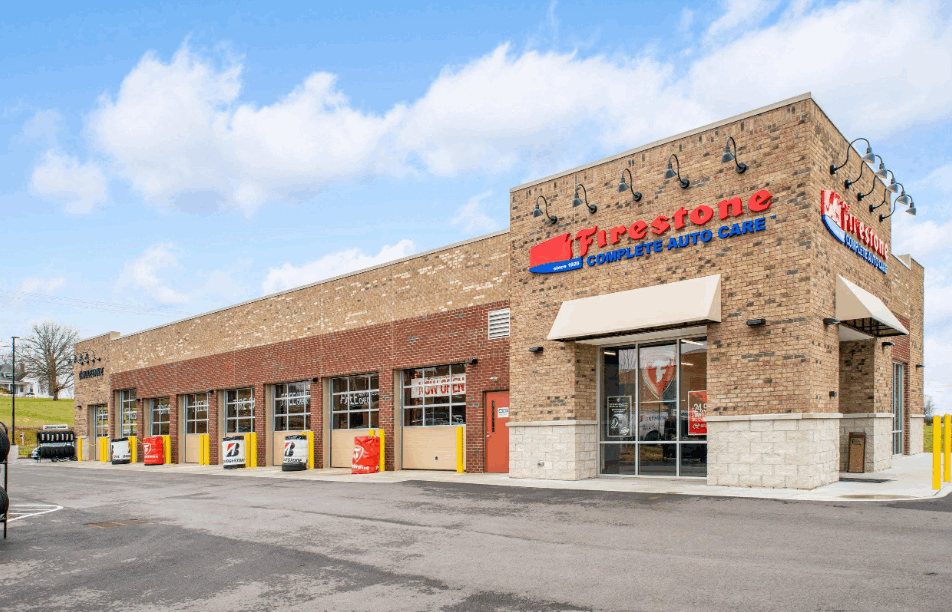
How Much Is an Oil Change at Firestone?
An oil change at Firestone typically costs between $30 and $100 or more, depending on the type of oil your vehicle requires. Conventional oil changes usually start at the lower end of the price range, while full synthetic oil changes cost more because they use premium engine oil that lasts longer and provides better engine protection. High mileage and synthetic blend options generally fall between these two price points.
Your final price depends on more than the type of engine oil. Firestone also considers your vehicle’s engine size, oil capacity, and manufacturer specifications. A compact sedan often requires less oil than a full size SUV or pickup truck. Vehicles with larger engines need more quarts of oil, which increases both material costs and the total service price. Some European and luxury models also require manufacturer approved synthetic oils that cost more than standard products.
Location can also affect the amount you pay. Firestone service centers adjust prices based on regional labor costs, local operating expenses, and market conditions. As a result, two stores may charge different prices for the same oil change service. Taxes, environmental fees, and additional oil beyond the standard capacity can also increase the final invoice.
Although price is important, it should not be the only factor when comparing oil change services. Firestone includes professional installation, a new oil filter, and a courtesy vehicle inspection with most oil changes. These services add value because they help identify minor maintenance issues before they develop into more expensive repairs. Checking current promotions or online coupons before booking can also reduce your overall maintenance cost.
What Does a Firestone Oil Change Include?
A Firestone oil change includes more than replacing old engine oil. Most standard services also include a new oil filter, a courtesy vehicle inspection, and several basic maintenance checks. These additional services help keep your vehicle running efficiently while giving technicians an opportunity to identify problems before they become costly repairs.
The technician begins by draining the old engine oil and replacing it with fresh oil that matches your vehicle manufacturer’s specifications. Choosing the correct oil viscosity and performance standard is essential because modern engines rely on precise lubrication to reduce friction and control operating temperatures. Firestone also installs a new oil filter during the service. A clean filter removes contaminants from the oil and helps protect critical engine components between maintenance intervals.
After replacing the oil and filter, the technician performs a courtesy inspection of important vehicle systems. This inspection commonly includes checking fluid levels, examining the battery, inspecting visible belts and hoses, and verifying tire pressure. These checks do not replace a complete mechanical inspection, but they can reveal early signs of leaks, worn components, or low fluids that may require attention in the future.
Many Firestone locations also reset the vehicle’s oil life monitoring system after completing the service. This step ensures your maintenance reminder accurately tracks the next recommended oil change interval. If technicians discover additional maintenance needs during the inspection, they usually explain the findings and provide recommendations before performing any extra work. This approach allows you to make informed decisions while keeping routine maintenance simple, convenient, and tailored to your vehicle’s condition.
What Factors Affect the Cost of an Oil Change at Firestone?
Several factors determine how much you will pay for an oil change at Firestone. The most important factors include the type of engine oil, your vehicle’s oil capacity, manufacturer requirements, and any additional maintenance services completed during the visit. Understanding these variables makes it easier to estimate the total cost before scheduling an appointment.
The type of oil has the greatest impact on pricing. Conventional oil is the most affordable option because it uses a standard petroleum based formula. Synthetic blend oil costs slightly more and offers improved protection under a wider range of driving conditions. Full synthetic oil carries the highest price because it delivers better resistance to heat, sludge, and engine wear. High mileage oil also costs more than conventional oil because it contains additives designed for engines with higher mileage.
Your vehicle also plays a major role in the final price. Smaller engines require fewer quarts of oil, while larger engines need additional oil to reach the correct level. Pickup trucks, performance vehicles, and many luxury models often require premium synthetic oils that meet specific manufacturer standards. These requirements increase both material costs and the overall service price.
Additional maintenance can further increase the total bill. During an oil change, technicians may recommend replacing the engine air filter, cabin air filter, windshield wipers, or other worn components. While these services raise the final invoice, they also help maintain vehicle reliability and reduce the risk of more expensive repairs later. Before approving any additional work, ask for a detailed estimate so you understand exactly what is included and how it affects the total cost.
Which Firestone Oil Change Is Best for Your Vehicle?
The best Firestone oil change depends on your vehicle’s engine, mileage, and manufacturer requirements. Selecting the right engine oil protects internal components, improves performance, and helps extend engine life. While a lower priced service may seem attractive, using the oil recommended by your vehicle manufacturer delivers the best long term value.
A conventional oil change works well for older vehicles with simple engine designs that do not require synthetic oil. It offers reliable lubrication under normal driving conditions and remains the most affordable option. However, many newer vehicles no longer recommend conventional oil because modern engines operate under higher temperatures and tighter tolerances.
A synthetic blend oil change provides a balance between performance and cost. It combines conventional and synthetic base oils to improve wear protection and temperature stability. Drivers who commute daily or experience frequent stop and go traffic often choose this option because it delivers better protection than conventional oil without the higher cost of a full synthetic service.
A full synthetic oil change is the best choice for most modern vehicles. It performs well in extreme temperatures, resists sludge buildup, and maintains its protective properties for a longer period. Many turbocharged engines, hybrid vehicles, and European models require full synthetic oil to meet manufacturer specifications. Using another oil type may reduce engine performance and could affect warranty compliance.
High mileage oil is designed for vehicles with more than 75,000 miles on the odometer. This oil contains specialized additives that help condition engine seals, reduce oil consumption, and minimize leaks in aging engines. If your vehicle has accumulated higher mileage but still runs well, switching to high mileage oil can help maintain performance and delay common signs of engine wear.
Before choosing an oil change package, check your owner’s manual or ask a Firestone technician to verify the recommended oil specification for your vehicle. Selecting the correct oil based on manufacturer requirements instead of price alone helps protect your engine and reduces maintenance costs over the life of the vehicle.
Is Firestone More Expensive Than Other Oil Change Shops?
Firestone is not always the cheapest place for an oil change, but it often provides better overall value than many quick service chains. The final price depends on the oil type, your vehicle’s requirements, and the services included with the appointment. While some competitors advertise lower starting prices, those offers may not include premium oil, a high quality oil filter, or a comprehensive vehicle inspection.
Compared with Jiffy Lube and Valvoline Instant Oil Change, Firestone typically offers similar pricing for conventional and synthetic oil changes. The biggest difference often comes from the service experience. Firestone technicians perform a courtesy inspection during most oil changes and may identify maintenance issues before they become serious. This additional attention can help drivers avoid unexpected repair costs and improve long term vehicle reliability.
Firestone usually charges more than Walmart Auto Care for comparable oil change services. Walmart focuses on basic maintenance at competitive prices, making it a practical choice for routine oil changes. However, Firestone provides a broader range of automotive services, certified technicians, and repair capabilities in the same location. Drivers who want maintenance and repair support from one service center may find the higher price worthwhile.
Dealership service departments often charge the highest prices, especially for vehicles that require manufacturer approved synthetic oil. Firestone can be a cost effective alternative because it follows manufacturer oil specifications while offering competitive pricing. Many vehicle owners choose Firestone after their factory maintenance period ends because they receive professional service without paying dealership rates.
The best choice depends on your priorities rather than price alone. If you only want the lowest possible cost, a discount service center may meet your needs. If you value professional inspections, nationwide locations, and access to additional maintenance services, Firestone offers a stronger balance between price, convenience, and service quality. Comparing the complete service package instead of the advertised price helps you make a more informed decision.
How Can You Save Money on a Firestone Oil Change?
You can reduce the cost of a Firestone oil change by using coupons, taking advantage of seasonal promotions, and choosing maintenance packages that match your vehicle’s needs. Firestone regularly offers discounts on conventional and synthetic oil changes through online promotions, email offers, and its rewards program. Checking for available deals before scheduling an appointment can lower your total service cost without sacrificing quality.
One of the easiest ways to save money is to book your appointment through Firestone’s website. Many online promotions are available only for customers who schedule their service in advance. These offers may include fixed dollar discounts, percentage savings, or reduced prices on premium oil changes. Promotion availability varies by location, so comparing offers at nearby service centers may help you find a better deal.
Maintenance packages can also provide better long term value. If your vehicle needs multiple services during the same visit, combining them into one appointment may reduce labor costs and help you avoid repeated service fees. Drivers who maintain their vehicles on schedule often spend less on major repairs because routine maintenance keeps critical components in good working condition.
Choosing the correct oil for your engine also prevents unnecessary expenses. Some drivers pay more for full synthetic oil even when the manufacturer recommends conventional or synthetic blend oil. Others choose the cheapest option even though their vehicle requires premium synthetic oil. Following the manufacturer’s recommendation helps you avoid overspending while ensuring your engine receives the protection it needs.
Before approving any service, ask for a written estimate that explains the total price. Confirm whether the quoted amount includes the oil filter, shop fees, taxes, and any additional oil required for larger engines. Reviewing the estimate in advance helps you avoid unexpected charges and makes it easier to compare prices with other service providers. A few minutes of research before your appointment can lead to meaningful savings over the life of your vehicle.
How Often Should You Get an Oil Change at Firestone?
Most drivers should schedule an oil change according to their vehicle manufacturer’s maintenance schedule rather than following a fixed mileage rule. Modern engines use advanced lubrication systems and higher quality engine oils that last much longer than older products. For many vehicles, conventional oil typically requires replacement every 3,000 to 5,000 miles, while full synthetic oil can often last between 7,500 and 10,000 miles under normal driving conditions. Always check your owner’s manual because the recommended interval varies by vehicle.
Your driving habits also affect how often you should change your engine oil. Frequent short trips, stop and go traffic, towing heavy loads, and driving in extreme temperatures place additional stress on the engine. These conditions cause engine oil to break down more quickly, reducing its ability to lubricate moving parts and carry away heat. Drivers who regularly face severe driving conditions should follow the shorter maintenance interval recommended by the vehicle manufacturer.
Many newer vehicles include an oil life monitoring system that calculates when an oil change is necessary. Instead of relying only on mileage, this system evaluates engine operating conditions, driving patterns, and temperature to estimate the remaining life of the engine oil. When the oil life indicator reaches the recommended service level, scheduling an appointment at Firestone helps maintain engine performance and supports long term reliability.
Delaying an oil change can increase engine wear and reduce fuel efficiency. As engine oil ages, it collects dirt, metal particles, and combustion byproducts that reduce its effectiveness. Over time, contaminated oil loses its ability to protect internal engine components. Replacing the oil at the recommended interval helps prevent sludge buildup, improves lubrication, and extends engine life. Staying on schedule also makes it easier to avoid unexpected repairs and maintain consistent vehicle performance throughout the year.
Conclusion
The cost of an oil change at Firestone depends on several factors, including the type of engine oil, your vehicle’s oil capacity, manufacturer requirements, and your local service center. Most drivers can expect to pay more for full synthetic and high mileage oil changes than for conventional oil services. However, the additional cost often reflects better engine protection, longer service intervals, and improved performance for modern vehicles.
Price should never be the only factor when choosing an oil change service. Firestone combines oil and filter replacement with a courtesy vehicle inspection, helping drivers identify potential maintenance issues before they lead to expensive repairs. When you compare the complete service package instead of the advertised starting price, Firestone often provides strong overall value for drivers who want professional maintenance from a nationwide service network.
Before scheduling your appointment, review your owner’s manual to confirm the recommended oil specification for your vehicle. You should also check for available coupons or seasonal promotions to reduce your total maintenance cost. Comparing service packages, verifying what is included, and selecting the correct engine oil will help you make a more informed decision.
If your goal is to keep your engine running efficiently while avoiding unnecessary repair costs, following the recommended oil change interval and choosing the right service package are the most important steps. With a clear understanding of Firestone’s pricing, included services, and cost factors, you can confidently schedule your next oil change and ensure your vehicle receives the maintenance it needs.