Ceramic coating can last from several months to several years. Its lifespan depends on the coating type, application quality, curing process, driving conditions, and maintenance. Professional ceramic coatings generally last longer than DIY coatings and ceramic sprays. However, a manufacturer’s durability rating does not guarantee the same lifespan for every vehicle.
Daily conditions have a direct impact on coating durability. Sunlight, heat, rain, road grime, mineral deposits, and harsh chemicals gradually affect its performance. Washing methods also make a difference. Aggressive washing can shorten the coating’s useful life. In contrast, proper maintenance helps preserve its protective and hydrophobic properties.
Vehicle storage also influences the result. A garage kept car faces less environmental exposure than a car parked outdoors every day. Surface preparation matters as well because the coating needs a clean surface for proper bonding.
Age alone does not determine whether a ceramic coating still works. Reduced water beading may indicate contamination rather than coating failure. Proper cleaning can sometimes restore the surface performance. This article explains ceramic coating lifespan, the factors that affect durability, signs of wear, and ways to make the coating last longer.
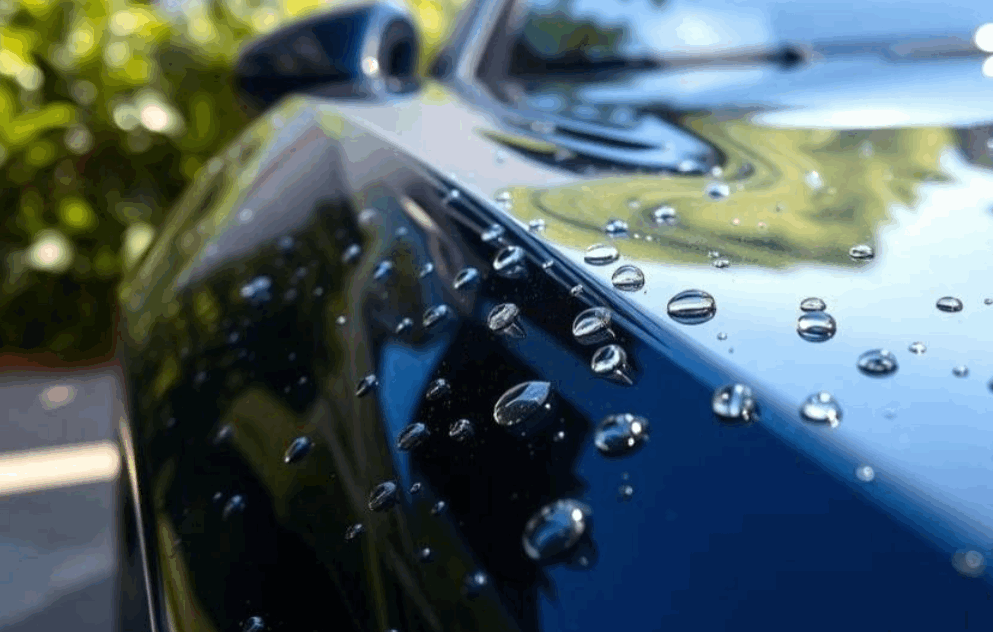
How Long Does Ceramic Coating Last on a Car?
Ceramic coating can last from about six months to five years or longer on a car. The actual lifespan depends heavily on the type of coating. Application quality, vehicle use, storage, and maintenance also affect durability. For this reason, drivers should treat product lifespan claims as estimates rather than fixed expiration dates.
Professional ceramic coatings generally offer the longest protection. Many products target several years of durability when a trained detailer prepares and coats the paint correctly. Proper preparation removes contaminants that can interfere with bonding. The installer must also follow the required application and curing process. These steps help the coating maintain its protective properties for longer.
DIY ceramic coatings usually have a shorter lifespan than professional options. Their durability varies according to the product and the quality of the application. Poor surface preparation can reduce performance even when the coating itself has a high durability rating.
Ceramic sprays generally provide shorter protection than cured ceramic coatings. They can improve gloss, water behavior, and surface slickness. However, drivers should not compare their lifespan directly with a professional ceramic coating.
Real world conditions ultimately determine how closely a coating reaches its rated lifespan. Outdoor parking increases exposure to sunlight, rain, dirt, and environmental contaminants. Frequent driving also exposes the paint to more road grime. A properly maintained, garage kept vehicle can therefore retain coating performance longer than a heavily exposed daily driver.
What Determines How Long Ceramic Coating Lasts?
Five main factors determine how long ceramic coating lasts: coating quality, surface preparation, application, environmental exposure, and maintenance. Each factor affects how well the coating bonds to the paint and retains its protective properties.
Coating quality sets the starting point for durability. Manufacturers design different formulas for different service periods and performance levels. A ceramic spray does not provide the same durability as a professional coating designed for long term paint protection.
Surface preparation directly affects bonding. Dirt, oils, waxes, and embedded contaminants can prevent the coating from bonding correctly with the surface. Detailers therefore clean and decontaminate the paint before application. Paint correction may also improve the surface when defects require treatment.
Application and curing also influence coating lifespan. The installer must apply the product according to its specific instructions. Incorrect application can create uneven performance across the vehicle. Water and chemical exposure during the initial curing period may also reduce performance.
Environmental exposure creates continuous stress on the coating. UV radiation, high temperatures, road salt, mineral deposits, bird droppings, and road grime can affect the protected surface. Cars parked outdoors face more exposure than vehicles stored in a garage.
Maintenance determines how the coating performs after installation. Proper washing removes contaminants before they accumulate on the surface. Harsh chemicals and abrasive washing can place unnecessary stress on the coating. These five factors explain why two cars with the same ceramic coating can experience different lifespans.
Does a 5-Year Ceramic Coating Really Last 5 Years?
A 5 year ceramic coating can last five years under suitable conditions. However, the five year rating does not guarantee identical performance on every vehicle. Product quality, application, vehicle use, storage, and maintenance all influence the actual lifespan.
Manufacturers base durability ratings on specific products and expected conditions. Real world conditions introduce variables that can change the result. A daily driven car faces sunlight, rain, road grime, chemicals, and other contaminants. These conditions place more stress on the coating. A garage kept car generally faces less environmental exposure.
Driving habits also affect durability. Higher mileage exposes the vehicle to more dirt, insects, road salt, and other contaminants. Frequent washing then creates additional contact with the coated surface. Poor washing techniques can increase that stress.
Maintenance requirements also matter. Some coatings require specific care to maintain their expected performance. Regular washing helps prevent contaminants from accumulating on the surface. Compatible maintenance products can also support hydrophobic performance when the coating manufacturer recommends them.
Drivers should also distinguish durability ratings from warranties. A five year product rating describes an expected service period. A warranty follows specific terms set by the manufacturer or installer. These terms may require inspections or documented maintenance.
For these reasons, drivers should view five years as a durability target rather than an automatic expiration date. The coating may approach its rated lifespan with proper care. Harsh conditions and poor maintenance can shorten that period.
How Can You Tell If Ceramic Coating Is Wearing Off?
You can identify ceramic coating wear through changes in water behavior, cleaning performance, and surface consistency. A healthy coating should make the surface easier to clean and manage. As performance declines, these characteristics may become weaker or less consistent across the vehicle.
Reduced water beading is one common sign. Water may form flatter droplets or remain on the paint instead of moving away easily. However, weak water beading does not prove that the ceramic coating has failed. Dirt, road film, mineral deposits, and other contaminants can cover the coating and reduce its hydrophobic behavior.
Cleaning the surface provides a more reliable test. Wash the vehicle thoroughly and remove bonded contamination when necessary. Then observe how water behaves across each coated panel. Improved water behavior after cleaning suggests that contamination caused the problem. Persistent poor performance may indicate coating degradation.
Uneven performance can provide another clue. Horizontal panels often face greater environmental exposure than some vertical panels. As a result, the hood, roof, and trunk may behave differently from doors or other areas.
Drivers should therefore evaluate coating condition through a simple sequence. Clean the paint, remove contamination, reassess water behavior, and compare performance across the vehicle. Consider reapplication when poor performance remains after proper maintenance. This approach prevents surface contamination from being mistaken for complete ceramic coating failure.
How Does Washing Affect Ceramic Coating Lifespan?
Washing affects ceramic coating lifespan by controlling contamination and physical stress on the coated surface. Proper washing removes substances that interfere with coating performance. Poor washing methods can expose the surface to harsh chemicals, abrasion, and unnecessary friction.
Regular washing prevents road grime and environmental contaminants from building up on the paint. Common contaminants include dirt, insect residue, bird droppings, road salt, and mineral deposits. These substances can remain on the surface and reduce its hydrophobic performance. Heavy contamination can also make the coating appear weaker than it actually is.
The choice of cleaning products also matters. A suitable car shampoo can clean the surface without creating unnecessary chemical stress. Drivers should follow the coating manufacturer’s maintenance instructions when choosing cleaning products. Strong chemicals should only serve a specific cleaning purpose when the coating manufacturer allows their use.
Washing technique creates another source of stress. Dirty wash tools can drag particles across the paint during contact. Aggressive scrubbing also increases friction on the coated surface. Careful washing reduces this physical contact while still removing contamination.
Automatic car washes can introduce additional variables. Some systems use strong detergents or repeated mechanical contact. These processes may not match the maintenance requirements of every ceramic coating.
A consistent washing routine therefore helps preserve coating performance. The goal is not simply to wash the car more often. Drivers should remove contamination with suitable products and minimize unnecessary abrasion. This approach helps the ceramic coating retain its protective and hydrophobic characteristics for longer.
How Can You Make Ceramic Coating Last Longer?
You can make ceramic coating last longer through proper cleaning, regular decontamination, careful drying, suitable maintenance products, and reduced environmental exposure. These practices help the coating retain its protective properties throughout its expected service life.
Remove contamination before it builds up on the coated surface. Road film, bird droppings, insect residue, tree sap, and mineral deposits can interfere with coating performance. Prompt removal limits the time these contaminants remain in contact with the surface. Periodic decontamination can also restore performance when normal washing no longer removes bonded deposits.
Drying technique also matters. Use clean and suitable drying materials to remove water without creating unnecessary friction. This step also reduces the chance of mineral deposits forming when water evaporates on the paint.
Use maintenance products that match the coating system. Some manufacturers recommend ceramic toppers or maintenance sprays at specific intervals. These products can restore surface slickness and hydrophobic behavior. However, a topper does not restart the lifespan of the original ceramic coating. It adds a temporary maintenance layer above the base coating.
Reducing environmental exposure can further extend coating performance. Garage storage limits continuous contact with sunlight, rain, airborne contaminants, and other outdoor conditions. Covered parking can also reduce exposure when garage storage is unavailable.
Consistent maintenance produces better results than waiting for performance to decline. Clean the vehicle correctly, address contamination early, and inspect the surface periodically. These practices help ceramic coating maintain its expected performance for as long as possible.
When Should Ceramic Coating Be Reapplied?
You should reapply ceramic coating when its performance no longer recovers after proper cleaning and decontamination. The coating’s age provides useful guidance, but age alone should not determine the reapplication date. Surface condition and remaining performance provide better indicators.
First, determine whether contamination has reduced the coating’s performance. Road film, mineral deposits, and bonded contaminants can cover the surface. This buildup can weaken water behavior and make the paint harder to clean. Proper washing and decontamination may restore these characteristics without a new coating.
Next, assess whether the coating has started to degrade. Degradation can appear as persistent changes in hydrophobic behavior and cleaning performance. Different panels may also lose performance at different rates. The hood, roof, and trunk often face greater environmental exposure than some vertical surfaces.
Complete coating failure requires a different approach. Consider reapplication when proper maintenance no longer restores the expected performance. The vehicle may also reach the service interval recommended for its coating system. An inspection can then determine the condition of the existing protection.
A new application also requires proper surface preparation. Detailers should evaluate the paint and remaining coating before applying another layer. The surface may need cleaning, decontamination, polishing, or other preparation before recoating.
Reapplication should therefore follow an assessment rather than a fixed calendar date. Clean the surface first, check its performance, and identify persistent degradation. Reapply ceramic coating when maintenance can no longer restore the expected protective characteristics.
How Long Can You Expect Ceramic Coating to Last?
Ceramic coating can last from several months to five years or longer. The actual lifespan depends on coating quality, surface preparation, application, environmental exposure, and maintenance. Professional coatings generally provide longer protection than DIY coatings and ceramic sprays.
A durability rating should serve as a reference rather than a guaranteed expiration date. Two vehicles with the same coating can experience different results. Daily driving, outdoor parking, harsh weather, contamination, and poor maintenance can shorten the coating’s useful life. Proper care can help it perform closer to its expected lifespan.
Coating age also does not provide enough information to confirm failure. Reduced water beading may result from surface contamination. Washing and decontamination can restore hydrophobic behavior when the base coating remains functional. Persistent performance loss after proper cleaning provides a stronger sign of degradation.
Regular maintenance offers the most practical way to preserve ceramic coating. Remove contamination early, use suitable cleaning products, reduce unnecessary abrasion, and inspect the surface periodically. Reapply the coating when proper maintenance no longer restores its expected performance.
Ceramic coating lasts longest when proper application and consistent maintenance work together. Evaluate the coating by its condition and performance instead of relying only on the number of months or years since application.