Choosing the right Honda Type 2 Coolant Equivalent is not always easy. Many aftermarket brands claim their products work with almost every vehicle. However, not all coolants use the same formula or provide the protection that Honda engines require. A poor choice can reduce cooling performance and increase the risk of corrosion. It may even lead to costly engine repairs.
Fortunately, several manufacturers produce coolants that match Honda’s requirements. These products protect aluminum engines, radiators, water pumps, and cooling passages. They also deliver reliable performance in hot and cold weather. However, you should never judge a coolant by its color alone. A blue coolant does not always match Honda Type 2. Likewise, a universal coolant may not provide the same level of compatibility.
This guide explains how to choose the best Honda Type 2 Coolant Equivalent for your vehicle. You will discover the safest aftermarket alternatives and learn how they compare with Genuine Honda Type 2 coolant. The guide also covers popular Honda models, including the Civic, Accord, CR V, Pilot, Odyssey, Ridgeline, HR V, and Fit. In addition, you will learn about coolant chemistry, compatibility, service life, and common maintenance mistakes.
By the end of this guide, you will know which coolant fits your Honda, when you should replace it, and how to avoid expensive cooling system problems. This information will help you choose a product with confidence and keep your engine running at its best.
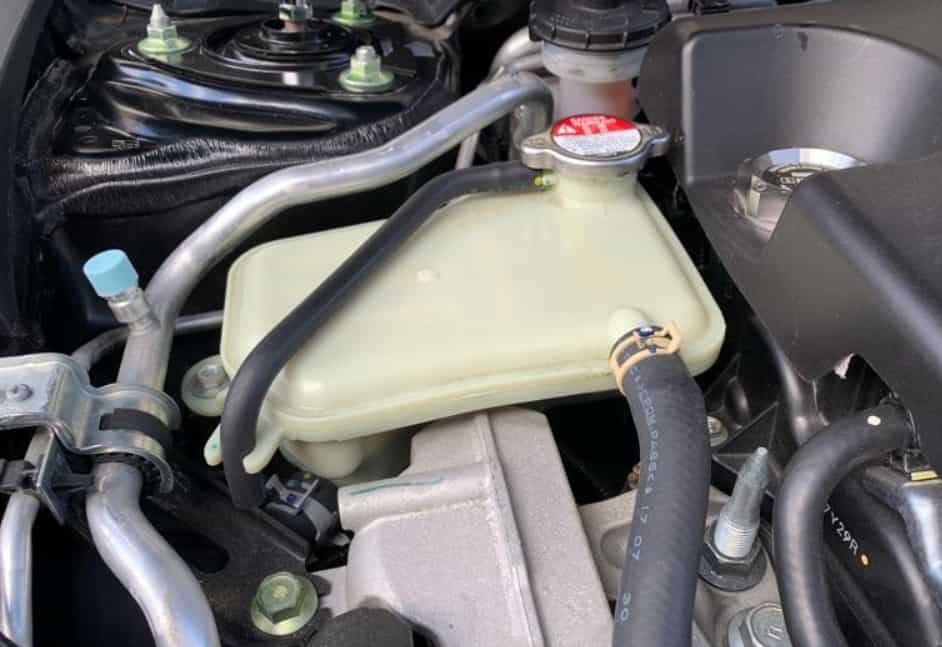
What Is the Best Honda Type 2 Coolant Equivalent?
If you need the best Honda Type 2 Coolant Equivalent, choose a coolant that clearly states compatibility with Honda and Acura vehicles. The product should also use a phosphate enhanced formula that protects aluminum engines. A premixed 50 50 coolant offers the easiest and safest solution because it requires no additional dilution before use.
Genuine Honda Type 2 coolant remains the safest option because Honda designed it specifically for its cooling systems. However, several aftermarket products deliver similar protection and performance. Leading brands formulate these coolants for Asian vehicles and match the requirements of many Honda models. As a result, they have become popular alternatives for drivers who want reliable performance at a lower price.
When comparing different products, focus on the coolant formula instead of the color. Many drivers believe every blue coolant is the same, but that is not true. Manufacturers often use similar colors for different chemical formulas. Always read the product label and confirm that it specifically lists Honda compatibility before making a purchase.
You should also consider how you plan to use the coolant. If you only need to top off the reservoir, choose a product that matches the coolant already inside the system. If you are performing a complete coolant replacement, you have more flexibility because you can refill the system with a compatible product after a proper flush. This approach helps maintain consistent corrosion protection throughout the cooling system.
Another important factor is long term engine protection. A quality Honda Type 2 Coolant Equivalent should resist corrosion, prevent scale buildup, and protect seals, hoses, and the water pump. It should also maintain stable performance under high temperatures and freezing conditions. These features help extend the life of the cooling system while reducing future maintenance costs.
Best Overall Aftermarket Choice
Among all aftermarket products, Zerex Asian Vehicle Blue 50 50 Antifreeze Coolant stands out as one of the closest alternatives to Honda Type 2 coolant. The formula targets Honda, Acura, and several other Asian vehicles. It provides excellent corrosion protection for aluminum components and arrives pre mixed for immediate use. Many professional technicians recommend it because it offers reliable performance and remains widely available in automotive stores.
Best OEM Choice
Drivers who prefer maximum compatibility should continue using Genuine Honda Type 2 Coolant. Honda developed this coolant specifically for its engines and cooling systems. It removes any uncertainty about chemical compatibility and supports the maintenance recommendations found in the owner’s manual. Although it usually costs more than aftermarket options, many owners consider the added peace of mind worth the extra expense.
Key Factors to Consider Before Buying
Before purchasing any coolant, verify that the product matches your vehicle’s model year and engine. Next, check whether the coolant comes pre mixed or as a concentrate. A premixed formula reduces the chance of mixing errors and simplifies routine maintenance. Finally, avoid selecting a product based only on color or price. A compatible formula always provides better long term value than a cheaper coolant that fails to meet Honda’s requirements.
Honda Type 2 Coolant Specifications
Understanding the specifications behind Honda Type 2 Coolant helps you choose a truly compatible replacement. Many coolant products look similar on the shelf. However, their chemical formulas can differ significantly. The correct specification protects the engine from corrosion, overheating, freezing, and premature wear. That is why you should always verify the product label before adding coolant to your Honda.
Premixed 50 50 Formula
Honda Type 2 coolant comes as a premixed solution. It contains the correct balance of antifreeze and deionized water. This mixture provides reliable freeze protection during winter and stable cooling performance in hot weather. It also removes the need to measure or mix coolant before filling the system.
A premixed formula reduces the risk of human error. Many cooling system problems begin when drivers add too much concentrate or too much water. An incorrect mixture can reduce heat transfer and weaken corrosion protection. It may also shorten the life of the water pump and radiator. Choosing a ready to use coolant helps prevent these issues.
If you purchase a concentrated coolant, follow the manufacturer’s mixing instructions carefully. Use distilled or deionized water instead of tap water whenever possible. Minerals found in tap water can create deposits inside the cooling system over time. Those deposits reduce efficiency and may restrict coolant flow.
Advanced Corrosion Protection
Modern Honda engines rely on aluminum components to reduce weight and improve fuel efficiency. Aluminum transfers heat very well, but it also requires effective corrosion protection. Honda Type 2 coolant uses additives that help protect engine blocks, cylinder heads, radiators, heater cores, and water pumps from internal corrosion.
A high quality Honda Type 2 Coolant Equivalent should provide similar protection. It should also resist rust, prevent scale formation, and reduce cavitation inside the cooling system. These features help maintain stable operating temperatures and extend the service life of important engine components.
Long lasting corrosion protection offers another benefit. Clean cooling passages allow coolant to circulate more efficiently. Better circulation improves heat transfer and helps the engine maintain its normal operating temperature during heavy traffic, long highway trips, or high ambient temperatures.
Why Coolant Color Does Not Determine Compatibility
Many drivers believe coolant color identifies the correct product. Unfortunately, this assumption often leads to expensive mistakes. Manufacturers choose coolant colors for identification and branding, not as an industry standard. Two blue coolants may use different chemical technologies, while two coolants with different colors may offer similar performance.
Always read the product label instead of relying on appearance. Look for statements that specifically mention compatibility with Honda or Acura vehicles. The technical specifications matter far more than the color inside the bottle.
This rule becomes even more important when topping off the cooling system. Mixing incompatible coolant formulas can reduce the effectiveness of corrosion inhibitors. Over time, this may create sludge, restrict coolant flow, and increase wear on the cooling system. Selecting the correct formula protects both engine performance and long term reliability.
Key Specifications to Look For
Before buying any replacement coolant, check a few important details. The product should identify compatibility with Honda vehicles and support aluminum engine protection. It should also match the recommended concentration for your vehicle. A reputable manufacturer will clearly list these specifications on the container or technical data sheet.
Taking a few extra minutes to verify compatibility can prevent expensive repairs later. A properly selected coolant keeps the engine running at the correct temperature, protects internal components, and supports reliable performance throughout the vehicle’s service life.
Best Honda Type 2 Coolant Equivalent Options
Finding the right Honda Type 2 Coolant Equivalent becomes much easier when you compare products that manufacturers specifically recommend for Honda and other Asian vehicles. While many universal coolants claim broad compatibility, products designed for Asian cooling systems usually provide the closest match. They also reduce the risk of chemical incompatibility and deliver consistent long term protection.
The following coolants represent some of the most trusted alternatives available today. Each product offers different advantages, so the best choice depends on your budget, vehicle, and maintenance goals.
Zerex Asian Vehicle Blue 50 50 Antifreeze Coolant
Zerex Asian Vehicle Blue is one of the most popular alternatives to Honda Type 2 coolant. Many professional technicians recommend it because the formula targets Honda, Acura, Nissan, and several other Asian vehicles. It provides excellent protection for aluminum engines while helping prevent corrosion, rust, and scale buildup.
Another advantage is convenience. The coolant comes pre mixed, so you can pour it directly into the cooling system without additional preparation. This feature reduces the chance of mixing errors and saves time during routine maintenance.
Zerex also performs well under extreme temperatures. It protects the engine during freezing winters and helps prevent overheating in hot climates. Drivers who want dependable performance without paying OEM prices often consider this product the best aftermarket choice.
The only drawback is that buyers should verify the product label before purchasing. Zerex offers several coolant formulas, and not every version targets Honda vehicles. Selecting the correct Asian Vehicle Blue formula ensures the highest level of compatibility.
PEAK Original Equipment Technology Asian Blue
PEAK Original Equipment Technology Asian Blue is another excellent replacement for Honda Type 2 coolant. The manufacturer designed this formula for many Asian vehicles, including Honda and Acura models. It delivers strong corrosion protection while supporting long service intervals.
This coolant arrives as a ready to use mixture, which simplifies coolant replacement. It also protects important components such as the radiator, heater core, thermostat housing, and water pump. These parts operate under constant temperature changes, so reliable corrosion protection remains essential.
Many vehicle owners appreciate the wide availability of PEAK products. You can often find them at automotive retailers, local parts stores, and online marketplaces. This makes future maintenance more convenient.
Before purchasing, confirm that the bottle specifically lists Honda compatibility. Some PEAK products use different formulas for other vehicle manufacturers.
Prestone Asian Vehicles Blue Coolant
Prestone produces several coolant formulas, but the Asian Vehicles Blue version deserves special attention. This product targets Asian manufacturers and offers compatibility with many Honda applications. It provides dependable freeze protection, corrosion resistance, and stable cooling performance throughout the year.
Many drivers already recognize the Prestone brand, which increases buyer confidence. In addition, the coolant is widely available in both physical stores and online retailers. This makes emergency replacement much easier if OEM coolant is unavailable.
However, buyers should avoid confusing this product with standard universal Prestone coolant. The two products serve different purposes and use different chemical formulations. Reading the label carefully helps prevent an expensive mistake.
Drivers who want an affordable and easy to find replacement often choose Prestone Asian Vehicles Blue as a practical solution.
Recochem OEM Extended Life Blue Coolant
Recochem manufactures several OEM style coolants for Asian vehicles. Its Extended Life Blue formula offers long lasting corrosion protection and supports aluminum cooling systems. The product also helps reduce rust, scale formation, and deposit buildup during normal driving conditions.
Depending on your location, you may find both premixed and concentrated versions. The premixed option works well for routine maintenance because it requires no additional preparation. The concentrate offers more flexibility for drivers who prefer to mix coolant themselves.
Availability varies between countries, so some markets carry this product more frequently than others. Even so, it remains a solid choice when the label clearly lists compatibility with Honda vehicles.
AISIN Blue Long Life Coolant
AISIN has earned a strong reputation as an original equipment supplier for many Japanese automotive manufacturers. Because of this background, many Honda owners consider AISIN Blue Long Life Coolant a reliable alternative.
The formula protects aluminum components against corrosion while maintaining efficient heat transfer. It also supports long service intervals under normal driving conditions. Many professional repair shops use AISIN products because they consistently deliver dependable performance.
Before purchasing, review the product specifications carefully. AISIN offers several coolant formulations for different vehicle applications. Choosing the correct version ensures the best compatibility with your Honda cooling system.
Genuine Acura Long Life Antifreeze Coolant Type 2
Many drivers do not realize that Acura and Honda share similar engineering standards. As a result, Genuine Acura Long Life Antifreeze Coolant Type 2 can serve as an excellent replacement when Honda branded coolant is unavailable.
The formula follows the same general design philosophy and supports aluminum engines, radiators, and cooling system components. It also arrives pre mixed for convenient installation and consistent protection.
This option works especially well for owners who prefer OEM products but cannot locate Genuine Honda coolant. Although pricing may remain similar to Honda coolant, many dealerships keep Acura coolant in stock when Honda supplies become limited.
Which Coolant Offers the Best Overall Value
Each product in this guide provides dependable performance when it matches your vehicle’s requirements. Genuine Honda Type 2 remains the safest choice because it eliminates compatibility concerns. However, Zerex Asian Vehicle Blue stands out as the strongest aftermarket alternative thanks to its proven reputation, excellent corrosion protection, and broad availability.
Drivers looking for an affordable replacement may prefer PEAK Asian Blue or Prestone Asian Vehicles Blue. Those who value OEM level engineering may find AISIN or Genuine Acura coolant more appealing. Regardless of your final decision, always verify compatibility with your specific Honda model before purchasing. Spending a few extra minutes on research can prevent expensive cooling system repairs in the future.
Honda Type 2 Coolant Equivalent Comparison Chart
Choosing a Honda Type 2 Coolant Equivalent becomes much easier when you compare the most important specifications side by side. Although several products offer similar protection, they differ in compatibility, availability, price, and intended applications. Comparing these details helps you select a coolant that matches your vehicle and maintenance needs.
| Coolant | Honda Compatible | Premixed | Best For | Main Advantage | Potential Limitation |
|---|---|---|---|---|---|
| Genuine Honda Type 2 | Yes | Yes | Factory recommended maintenance | Maximum compatibility | Higher price |
| Zerex Asian Vehicle Blue | Yes | Yes | Everyday replacement | Excellent aftermarket reputation | Verify the correct product line |
| PEAK Asian Blue | Yes | Yes | Routine maintenance | Strong corrosion protection | Availability varies by region |
| Prestone Asian Vehicles Blue | Yes | Yes | Budget friendly replacement | Easy to find in many stores | Do not confuse with universal Prestone |
| Recochem OEM Blue | Yes | Yes or Concentrate | Long term cooling system protection | Good value | Regional availability |
| AISIN Blue Long Life Coolant | Yes | Yes | Drivers who prefer OEM quality | Trusted Japanese manufacturer | Product selection requires attention |
| Genuine Acura Type 2 | Yes | Yes | OEM alternative | Similar factory specification | Dealer pricing may be higher |
Price should never become the only factor when choosing coolant. A cheaper product that does not meet Honda’s requirements may increase maintenance costs over time. A compatible coolant protects the engine more effectively and helps reduce the risk of corrosion, overheating, and premature component wear.
It is also important to remember that manufacturers occasionally update their product lines. Before purchasing, verify the latest compatibility information on the product label. A few minutes of research can prevent costly mistakes later.
Honda Type 2 Coolant Equivalent by Model
Honda has produced many vehicles over the years, but most modern models share similar cooling system requirements. Even so, you should always confirm the correct coolant for your specific model year and engine. Small differences between generations can affect maintenance recommendations.
Honda Civic
The Honda Civic remains one of the most popular compact cars in the world. Most modern Civic models use Honda Type 2 coolant or an equivalent Asian vehicle coolant. Whether you drive a naturally aspirated engine, a turbocharged version, or a hybrid model, choosing a compatible coolant helps maintain stable operating temperatures throughout the year.
Owners should also inspect the coolant level regularly. A consistently low level may indicate a leak instead of normal coolant loss. Solving the underlying problem protects the engine and prevents overheating.
Honda Accord
The Honda Accord uses advanced aluminum engine components that require effective corrosion protection. A high quality Honda Type 2 Coolant Equivalent helps preserve cooling efficiency while reducing internal deposits.
Older Accord models may have received different coolant products during previous services. If the maintenance history remains unknown, performing a complete coolant flush before switching products is usually the safest approach.
Honda CR V
The Honda CR V often operates under a wide range of driving conditions. Daily commuting, highway travel, and family road trips all place demands on the cooling system. Choosing a compatible coolant helps maintain consistent engine temperatures and supports long term reliability.
Hybrid versions also benefit from proper cooling system maintenance. Following the manufacturer’s service recommendations helps maximize cooling performance throughout the vehicle’s life.
Honda Pilot
The Honda Pilot frequently carries heavy loads and often serves as a family SUV for long distance travel. These operating conditions increase the importance of effective engine cooling. A compatible coolant helps manage higher thermal loads while protecting the radiator and water pump.
Drivers who tow trailers or travel through mountainous regions should inspect coolant levels more frequently. Extra engine load produces additional heat, making cooling system maintenance even more important.
Honda Odyssey
Families often rely on the Honda Odyssey for long vacations and everyday transportation. Stop and go traffic, hot weather, and full passenger loads place continuous stress on the cooling system. Using the correct coolant helps maintain stable temperatures and supports reliable performance.
Routine coolant inspections also reduce the chance of unexpected breakdowns during long trips. Catching small problems early often prevents expensive repairs later.
Honda Ridgeline
The Honda Ridgeline combines passenger vehicle comfort with pickup truck capability. Drivers frequently use it for towing, hauling, or outdoor activities. These demanding conditions generate additional engine heat.
A quality Honda Type 2 Coolant Equivalent helps control operating temperatures while protecting aluminum engine components from corrosion. Regular maintenance becomes even more valuable when the vehicle experiences heavy workloads.
Honda HR V and Honda Fit
The Honda HR V and Honda Fit both benefit from the same careful coolant selection process. Although these vehicles have smaller engines, they still require reliable corrosion protection and efficient heat transfer.
Owners should avoid mixing unknown coolant formulas during routine maintenance. If the existing coolant cannot be identified, a complete cooling system flush provides the safest solution before adding fresh coolant.
Older Honda Models
Older Honda vehicles deserve extra attention because previous owners may have used different coolant products over the years. Mixing incompatible formulas can reduce corrosion protection and create unwanted deposits inside the cooling system.
Before replacing coolant in an older Honda, inspect the existing fluid carefully. Service records also provide valuable information. If uncertainty remains, draining and flushing the entire cooling system offers the best long term solution.
Selecting the correct coolant for your specific Honda model protects the engine, improves cooling efficiency, and reduces future maintenance costs. A little research today can help prevent major repairs tomorrow.
Can You Mix Honda Type 2 Coolant With Other Coolants?
Many Honda owners ask whether they can mix Honda Type 2 Coolant with another coolant. The answer depends on the product already inside the cooling system. Mixing two compatible coolants may work in some situations. However, mixing different chemical formulas can reduce corrosion protection and shorten the life of important cooling system components.
Whenever possible, keep the cooling system filled with a single coolant formula. This approach delivers consistent performance and reduces the risk of chemical incompatibility. If you plan to switch brands, a complete coolant flush usually provides the safest solution.
Can You Mix Honda Type 2 With Another Compatible Asian Coolant?
Yes, you can usually mix Honda Type 2 coolant with another coolant that specifically states compatibility with Honda or Acura vehicles. This situation often occurs when you need to top off a slightly low coolant reservoir and Genuine Honda coolant is not immediately available.
Even so, topping off should remain a temporary solution whenever different brands are involved. During your next scheduled coolant service, draining the old coolant and refilling the system with a single compatible product helps restore maximum corrosion protection.
Using one coolant formula throughout the system also makes future maintenance much easier. You always know what product the vehicle contains, which reduces the chance of accidental mixing later.
Can You Mix Honda Type 2 With Green Coolant?
Mixing Honda Type 2 coolant with traditional green coolant is generally not recommended. Older green coolants often use different additive technologies than modern Asian vehicle coolants. Although the engine may continue operating, long term protection may decrease after the two formulas combine.
Different additives can interfere with one another over time. This may reduce corrosion resistance and increase the formation of deposits inside the radiator and engine passages. Reduced coolant efficiency can eventually affect engine temperature and overall cooling performance.
If your Honda already contains green coolant because of previous maintenance, inspect the service history before adding more coolant. When the coolant history remains unclear, performing a complete coolant flush is usually the safest option.
Can You Mix Honda Type 2 With Universal Coolant?
Universal coolant creates the most confusion among vehicle owners. Many manufacturers advertise these products as suitable for nearly every vehicle. While some universal coolants meet modern compatibility standards, others may not closely match Honda Type 2 coolant.
Before adding a universal coolant, read the label carefully. The product should clearly list Honda compatibility instead of relying only on broad marketing claims. A coolant designed specifically for Asian vehicles normally provides a closer match than a general purpose universal coolant.
If you need an emergency top off and no better option is available, adding a small amount of compatible universal coolant may help protect the engine until proper service becomes possible. Afterward, inspect the cooling system and replace the coolant if necessary.
What If You Do Not Know Which Coolant Is Already Inside?
Many used vehicles come with an unknown maintenance history. In this situation, never assume the coolant type based on color alone. Blue, green, pink, and red coolants can all use different chemical formulations depending on the manufacturer.
Start by checking maintenance records if they are available. Next, inspect the coolant condition inside the radiator or expansion tank. Dirty coolant, rust particles, or unusual discoloration often indicate that maintenance is overdue.
If you still cannot identify the existing coolant, perform a complete coolant flush before adding fresh coolant. Although this requires more time, it removes uncertainty and allows the new coolant to deliver full protection.
Risks of Mixing Incompatible Coolants
Mixing incompatible coolants may not cause immediate engine damage. However, problems often develop slowly over time. Reduced corrosion protection allows rust to form inside the cooling system. Deposits may also restrict coolant flow and reduce heat transfer.
Poor coolant performance places additional stress on the radiator, heater core, thermostat, hoses, and water pump. As these components age, repair costs continue to increase. Preventive maintenance remains far less expensive than replacing major cooling system parts.
Using one compatible coolant from start to finish keeps the cooling system cleaner and more efficient. It also helps maintain stable engine temperatures under normal driving conditions.
Best Practice for Long Term Reliability
The safest maintenance strategy is simple. Choose one high quality Honda Type 2 Coolant Equivalent and continue using that product for future services. If you decide to change brands, flush the cooling system first and refill it with fresh coolant from a single manufacturer.
This approach minimizes compatibility concerns and provides consistent corrosion protection throughout the cooling system. It also simplifies future maintenance because you always know which coolant your Honda uses.
Honda Type 2 Coolant vs Zerex Asian Blue
Many Honda owners compare Honda Type 2 Coolant with Zerex Asian Vehicle Blue before replacing their engine coolant. Both products offer excellent protection for modern cooling systems, but they are not identical. Understanding their differences helps you choose the best option for your vehicle and avoid unnecessary maintenance issues.
Genuine Honda Type 2 coolant is the factory recommended product for most modern Honda models. Honda developed this coolant to match the materials and cooling system design used in its engines. Because of this, it delivers dependable corrosion protection and consistent performance throughout the recommended service interval. Many owners choose it because it removes any doubt about compatibility.
Zerex Asian Vehicle Blue has become one of the most trusted aftermarket alternatives. The manufacturer designed this coolant specifically for many Asian vehicles, including Honda and Acura models. It protects aluminum engine components, resists corrosion, and helps maintain stable operating temperatures in both hot and cold weather. In addition, it is widely available and usually costs less than Genuine Honda coolant.
For most drivers, both products provide reliable long term protection when they match the vehicle’s requirements. The biggest differences involve price, availability, and personal preference rather than cooling performance. If you want complete confidence in factory specifications, Genuine Honda Type 2 remains the safest choice. However, if you prefer a high quality aftermarket replacement, Zerex Asian Vehicle Blue offers excellent value and proven compatibility. Before purchasing either product, always verify that it matches your Honda model and model year. Choosing the correct coolant today helps prevent corrosion, overheating, and expensive cooling system repairs in the future.
OEM Coolant vs Aftermarket Coolant for Honda Vehicles
Many Honda owners wonder whether they should choose Genuine Honda coolant or a high quality aftermarket replacement. Both options can protect the engine when they meet the correct specifications. The key difference is not the brand name but the level of compatibility with your vehicle’s cooling system.
Genuine Honda Type 2 coolant offers the highest level of confidence because Honda designed it specifically for its engines. The formula provides reliable corrosion protection for aluminum components, radiators, water pumps, and heater cores. It also matches the maintenance recommendations found in the owner’s manual. For drivers who want factory approved maintenance, OEM coolant remains the safest choice.
High quality aftermarket coolants have improved significantly over the years. Products such as Zerex Asian Vehicle Blue, PEAK Asian Blue, and Prestone Asian Vehicles Blue are formulated for many Honda and Acura models. These coolants deliver excellent heat transfer, protect against rust and scale buildup, and often cost less than OEM products. They are also easier to find at local auto parts stores and online retailers.
The biggest mistake is choosing a coolant based only on price or color. A low cost product that does not meet Honda’s requirements may reduce corrosion protection and shorten the life of the cooling system. Over time, this can lead to clogged passages, damaged water pumps, overheating, and expensive repairs.
For most Honda owners, the best choice depends on their maintenance priorities. Genuine Honda Type 2 coolant provides maximum peace of mind, while a trusted aftermarket equivalent offers excellent performance at a lower cost. Regardless of the brand you choose, always verify compatibility with your specific Honda model before adding coolant to the system.
How to Choose the Right Honda Type 2 Coolant Equivalent
Choosing the right Honda Type 2 Coolant Equivalent is easier when you know what to look for. Many products claim universal compatibility, but not every coolant provides the same level of protection for Honda engines. Taking a few minutes to compare product specifications can help you avoid costly cooling system problems in the future.
Start by checking the product label carefully. A quality replacement should clearly state that it is compatible with Honda or Acura vehicles. This information is far more important than the color of the coolant. Although many Honda compatible coolants are blue, color alone does not guarantee the correct chemical formulation.
Next, choose the proper coolant concentration. Most modern Honda vehicles use a premixed 50 50 formula that is ready to pour into the cooling system. Premixed coolant eliminates mixing errors and provides the correct balance of freeze protection, boil over protection, and corrosion resistance. If you purchase a concentrate, always mix it with distilled or deionized water according to the manufacturer’s instructions.
You should also consider your vehicle’s model year and maintenance history. Older Honda models may have received different coolant products during previous services. If you are unsure which coolant is already inside the system, performing a complete coolant flush before switching brands is the safest option.
Finally, buy coolant from a reputable manufacturer with a proven history of producing products for Asian vehicles. Trusted brands often publish detailed compatibility information and technical specifications. Choosing the correct Honda Type 2 Coolant Equivalent protects your engine, improves cooling performance, and helps extend the life of your radiator, water pump, and other cooling system components.
How to Replace Honda Type 2 Coolant Safely
Replacing coolant is an important part of routine vehicle maintenance. Using the correct procedure helps protect your engine and ensures the new coolant performs as expected. Before starting, make sure the engine has cooled completely. Opening the radiator cap on a hot engine can release pressurized coolant and cause serious burns.
Begin by placing a drain pan beneath the radiator. Open the drain valve and allow the old coolant to flow out completely. If the coolant appears dirty, rusty, or contaminated, consider flushing the cooling system before adding fresh coolant. A clean system allows the new coolant to provide maximum corrosion protection and better heat transfer.
After draining the system, close the drain valve securely. Slowly fill the radiator with the recommended Honda Type 2 Coolant Equivalent. Most modern Honda vehicles use a premixed 50 50 coolant, so additional water is usually unnecessary. Fill the coolant reservoir to the recommended level before starting the engine.
Let the engine idle until it reaches normal operating temperature. This process allows coolant to circulate through the engine and helps remove trapped air from the system. Keep an eye on the coolant level during this step and add more coolant if necessary.
Once the engine cools again, inspect the radiator, hoses, water pump, and drain plug for leaks. Recheck the coolant level in both the radiator and the reservoir. A final inspection confirms that the cooling system is sealed and operating correctly. Performing these simple steps helps maintain stable engine temperatures and extends the service life of your cooling system.
How Often Should You Replace Honda Coolant?
Replacing coolant at the right time is just as important as choosing the correct Honda Type 2 Coolant Equivalent. Fresh coolant helps regulate engine temperature, prevents corrosion, and protects important cooling system components. Delaying coolant replacement can reduce cooling efficiency and increase the risk of expensive repairs.
Most modern Honda vehicles use long life coolant that can last for several years under normal driving conditions. However, the exact replacement interval depends on your vehicle’s model year, engine, driving habits, and maintenance schedule. Always follow the service recommendations in your owner’s manual for the most accurate guidance.
Regular inspections are equally important. Check the coolant level every few months or before long trips. The coolant should appear clean and maintain its original color. If you notice rust, floating debris, discoloration, or an oily appearance, inspect the cooling system as soon as possible. These warning signs may indicate contamination or internal engine problems that require immediate attention.
Driving conditions also affect coolant life. Heavy towing, frequent stop and go traffic, extreme temperatures, and mountainous roads place additional stress on the cooling system. Under these conditions, more frequent inspections can help identify problems before they become serious.
Watch for symptoms that suggest the coolant needs attention. Engine overheating, a low coolant warning light, repeated coolant loss, poor heater performance, or a sweet smell under the hood may indicate a leak or cooling system issue. Addressing these problems early helps prevent damage to the radiator, water pump, thermostat, and engine. Routine maintenance and timely coolant replacement remain the best ways to keep your Honda running safely and efficiently for years to come.
Common Mistakes to Avoid
Choosing the right Honda Type 2 Coolant Equivalent is only part of proper cooling system maintenance. Many engine problems develop because of simple mistakes that are easy to avoid. Understanding these common errors can help protect your Honda and reduce future repair costs.
One of the biggest mistakes is choosing coolant based only on color. Many drivers assume every blue coolant uses the same formula, but this is not true. Manufacturers often use similar colors for different chemical technologies. Always verify that the product specifically states compatibility with Honda vehicles before adding it to the cooling system.
Another common mistake is mixing different coolant formulas without checking compatibility. Although some products can work together in an emergency, repeated mixing may reduce corrosion protection and shorten coolant life. If you plan to switch to a different brand, flushing the cooling system first is usually the safest approach.
Many owners also overlook the importance of using the correct coolant concentration. Premixed coolant is ready to use and should not be diluted with additional water. If you purchase a concentrated formula, always mix it with distilled or deionized water. Using tap water may introduce minerals that create deposits inside the radiator and engine passages.
Ignoring small coolant leaks is another costly mistake. A low coolant level often indicates a leak rather than normal coolant consumption. Inspect the radiator, hoses, water pump, and reservoir whenever the coolant level drops unexpectedly. Repairing a minor leak early is much less expensive than replacing an overheated engine.
Finally, never remove the radiator cap while the engine is hot. Pressurized coolant can escape suddenly and cause serious burns. Allow the engine to cool completely before opening the cooling system or checking the coolant level.
Frequently Asked Questions
What is the best Honda Type 2 Coolant Equivalent?
The best Honda Type 2 Coolant Equivalent is a coolant that specifically states compatibility with Honda and Acura vehicles. Genuine Honda Type 2 remains the safest choice, while Zerex Asian Vehicle Blue, PEAK Asian Blue, and Prestone Asian Vehicles Blue are among the most trusted aftermarket alternatives.
Can I use Zerex Asian Vehicle Blue instead of Honda Type 2?
Yes. Zerex Asian Vehicle Blue is one of the closest aftermarket replacements for Honda Type 2 coolant. It is designed for many Honda and Acura models and provides excellent corrosion protection for aluminum engines. Always verify compatibility with your specific vehicle before use.
Is Prestone coolant safe for Honda vehicles?
Prestone Asian Vehicles Blue is generally suitable for many Honda models because it is formulated for Asian cooling systems. However, you should not confuse it with standard universal Prestone coolant. Always read the label to confirm Honda compatibility before adding it to your vehicle.
Can I mix Honda Type 2 coolant with another coolant?
You can mix Honda Type 2 coolant with another compatible Asian vehicle coolant if necessary. However, using a single coolant formula throughout the cooling system provides the best long term protection. If you plan to change brands, flushing the cooling system first is the recommended approach.
Does coolant color determine compatibility?
No. Coolant color does not determine compatibility. Manufacturers often use similar colors for different chemical formulations. Always rely on the product specifications and compatibility information instead of choosing coolant based only on its appearance.
Is Honda Type 2 coolant already premixed?
Yes. Genuine Honda Type 2 coolant comes as a premixed 50 50 solution. It is ready to use and should not be diluted with additional water. If you choose a concentrated aftermarket coolant, mix it with distilled or deionized water according to the manufacturer’s instructions.
Can I use universal coolant in my Honda?
Some universal coolants claim compatibility with many vehicles, including Honda models. Even so, a coolant designed specifically for Honda or other Asian vehicles usually provides a closer match. Always verify the manufacturer’s recommendations before making a replacement.
How often should I replace Honda coolant?
Replacement intervals vary by model year and driving conditions. Most modern Honda vehicles use long life coolant that lasts for several years under normal conditions. Follow the maintenance schedule in your owner’s manual and inspect the coolant regularly for signs of contamination or low levels.
What happens if I use the wrong coolant?
Using the wrong coolant may reduce corrosion protection and cooling efficiency. Over time, incompatible coolant can create deposits, damage the water pump, clog cooling passages, and increase the risk of engine overheating. Choosing the correct coolant helps prevent expensive repairs.
Can I use Acura Type 2 coolant in a Honda?
Yes. Acura and Honda share similar cooling system requirements in many models. Genuine Acura Type 2 coolant is often considered an acceptable OEM alternative when Genuine Honda Type 2 coolant is unavailable. Always confirm compatibility with your specific vehicle before use.
Should I flush the cooling system before changing coolant brands?
Yes, a complete coolant flush is the safest option when switching to a different coolant brand or formula. Flushing removes old coolant, contaminants, and incompatible additives. This allows the new coolant to deliver maximum corrosion protection and long term performance.
Conclusion
Choosing the right Honda Type 2 Coolant Equivalent is one of the simplest ways to protect your engine and extend the life of your cooling system. Although many aftermarket products claim broad compatibility, the best results come from coolants that clearly identify Honda and Acura applications. Genuine Honda Type 2 remains the factory recommended option, while trusted alternatives such as Zerex Asian Vehicle Blue, PEAK Asian Blue, and Prestone Asian Vehicles Blue offer excellent performance for many drivers.
Before purchasing any coolant, verify that it matches your Honda model, model year, and engine. Pay attention to the product specifications instead of relying on coolant color or marketing claims. Using the correct formula helps prevent corrosion, improves heat transfer, and keeps the radiator, water pump, thermostat, and other cooling system components working efficiently.
Regular inspections and timely coolant replacement are just as important as choosing the right product. Checking coolant levels, fixing leaks early, and following the recommended maintenance schedule can prevent overheating and reduce the risk of expensive repairs.
By selecting a high quality Honda Type 2 Coolant Equivalent and maintaining your cooling system properly, you can enjoy reliable engine performance in every season. A small investment in the correct coolant today can help protect your Honda for many years and thousands of miles to come.