Seeing a Honda Ridgeline emissions system problem warning on your dashboard can be frustrating, especially if your truck seems to drive normally. Many owners immediately assume the catalytic converter has failed or that an expensive repair is unavoidable. In reality, this warning simply means the vehicle’s onboard computer has detected an issue that could affect exhaust emissions or engine efficiency. The underlying cause may be as simple as a loose gas cap or as complex as a failing fuel injector, oxygen sensor, or catalytic converter.
Understanding what triggered the warning is the first step toward avoiding unnecessary repairs. Replacing parts without confirming the actual fault often leads to wasted money and recurring problems. A professional diagnosis focuses on reading diagnostic trouble codes, reviewing live engine data, and inspecting the components responsible for fuel delivery, combustion, and exhaust treatment. This process helps identify the real source of the warning instead of relying on guesswork.
This guide explains everything you need to know about the Honda Ridgeline emissions system problem, including its meaning, the most common symptoms, likely causes, proper diagnostic procedures, estimated repair costs, and proven repair solutions. You will also learn when it is safe to continue driving, how warranty or recall coverage may reduce repair expenses, and which mistakes to avoid before replacing expensive components. By the end of this article, you will have a clear understanding of how to diagnose the problem correctly and choose the most effective repair for your Honda Ridgeline.
What Does the Honda Ridgeline Emissions System Problem Mean?
The Honda Ridgeline emissions system problem warning means the vehicle has detected a fault in the emissions control system. The warning does not identify a failed part. Instead, it tells you that the engine control module has found abnormal operating data. To locate the actual problem, you must perform a proper diagnosis.
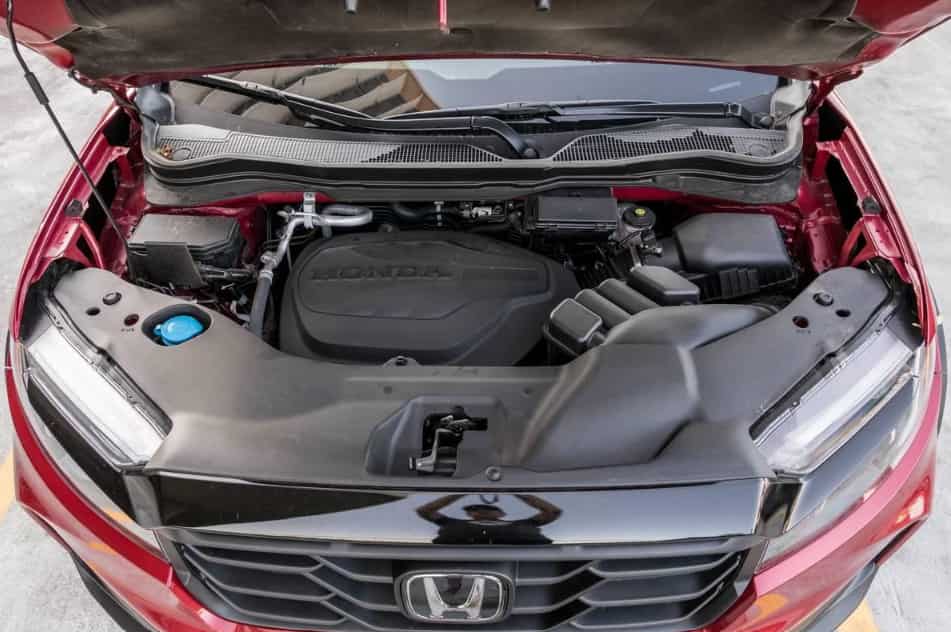
Your Honda Ridgeline uses several components to reduce harmful exhaust emissions and improve engine efficiency. These components include the fuel injection system, oxygen sensors, EVAP system, catalytic converter, ignition system, and engine control module. They constantly monitor engine performance and adjust fuel delivery and combustion. If one component stops working correctly, the system records a diagnostic trouble code and displays the warning message.
A wide range of issues can trigger this alert. A loose gas cap, a leaking EVAP hose, or a faulty oxygen sensor may cause the warning without affecting the way the truck drives. In other situations, you may notice rough idling, poor acceleration, engine misfires, or reduced fuel economy. More serious problems, such as a failing catalytic converter or damaged fuel injector, can also activate the warning.
Do not assume that the first suspected component has failed. Many different faults produce the same dashboard message. Replacing parts without testing them often increases repair costs and leaves the original problem unresolved. Instead, begin with an OBD II scan, review the stored trouble codes, and inspect the affected system. This method helps you identify the real cause and choose the correct repair the first time.
Common Symptoms
A Honda Ridgeline emissions system problem can appear in different ways. Some drivers notice obvious performance issues, while others only see a warning message on the dashboard. Even if the truck seems to operate normally, you should not ignore the alert. The emissions control system monitors several engine functions, so a small fault can become a more expensive repair if it remains unresolved.
The most common symptom is the Check Engine Light together with the Emissions System Problem message. In many cases, the engine continues to run smoothly. However, some owners experience rough idling, slow acceleration, or reduced engine power. These symptoms often occur when the engine cannot maintain the correct air fuel mixture or when combustion becomes less efficient.
Fuel economy may also decrease because the engine control module adjusts fuel delivery to compensate for incorrect sensor readings. You may notice that the truck requires more fuel than usual or feels less responsive during normal driving. In more serious cases, the engine may misfire, hesitate under acceleration, or take longer to start. A strong fuel smell around the vehicle can also indicate an EVAP system leak or another fuel related problem that requires immediate attention.
Not every emissions problem causes noticeable drivability issues. A worn oxygen sensor, a small EVAP leak, or a loose gas cap can trigger the warning without affecting engine performance. That is why the dashboard message alone cannot identify the failed component. The safest approach is to scan the vehicle for diagnostic trouble codes and inspect the affected systems before replacing any parts. An accurate diagnosis saves time, reduces repair costs, and helps prevent unnecessary component replacement.
Most Common Causes
Many different faults can trigger a Honda Ridgeline emissions system problem. Although the dashboard warning looks the same, the underlying cause can vary from a simple maintenance issue to a major mechanical failure. A proper diagnosis is essential because replacing parts without testing them often wastes time and money.
A loose or damaged gas cap is one of the most common causes. If the cap cannot seal the fuel tank correctly, the EVAP system may detect a vapor leak and store a fault code. Damaged EVAP hoses, a faulty purge valve, or a leaking charcoal canister can produce the same result. These problems often trigger the warning even though the truck still drives normally.
Faulty oxygen sensors and air fuel ratio sensors also cause emissions problems. These sensors measure the oxygen content in the exhaust and help the engine control module maintain the correct air fuel mixture. Incorrect sensor data can reduce fuel economy, increase exhaust emissions, and affect engine performance.
Ignition and fuel system problems are also common. Worn spark plugs, failing ignition coils, dirty fuel injectors, or low fuel pressure can lead to incomplete combustion. As a result, the engine may misfire, hesitate during acceleration, or idle roughly. If these issues continue, they can overheat and damage the catalytic converter.
In some cases, the catalytic converter becomes clogged or loses efficiency after years of normal use. Vacuum leaks, damaged wiring, or outdated engine control module software can also trigger the warning. Because many different components work together, the same dashboard message can have several possible causes. Reading the stored diagnostic trouble codes and testing each system remains the fastest way to identify the real fault and avoid unnecessary repairs.
Can You Keep Driving?
Many drivers ask whether it is safe to continue driving after seeing a Honda Ridgeline emissions system problem warning. The answer depends on how the truck behaves after the message appears. In some situations, you can drive a short distance to reach home or a repair shop. In other cases, you should stop driving as soon as it is safe.
If the truck starts normally and continues to run smoothly, the problem may involve a minor fault such as a loose gas cap, a small EVAP leak, or a worn oxygen sensor. You should still schedule a diagnosis as soon as possible. Ignoring the warning for weeks or months can allow a small issue to develop into a more expensive repair.
Do not continue driving if the Check Engine Light begins flashing. A flashing light usually indicates an active engine misfire. Unburned fuel can enter the exhaust system and overheat the catalytic converter. This damage can increase repair costs and reduce engine performance. You should also stop driving if the engine shakes, loses power, stalls, overheats, or produces unusual noises. These symptoms often point to a more serious mechanical or fuel system problem.
Pay attention to changes in fuel economy, acceleration, and engine response during every trip. Even if the truck remains drivable, declining performance often shows that the fault is becoming worse. A quick inspection and an OBD II scan can identify the cause before additional components fail. Early diagnosis not only reduces repair costs but also helps protect the engine, emissions system, and catalytic converter from unnecessary damage.
How to Diagnose the Problem
The correct diagnosis begins with gathering information instead of replacing parts. Since many different components can trigger a Honda Ridgeline emissions system problem, you should identify the exact fault before making any repairs. A systematic inspection saves time, reduces repair costs, and prevents unnecessary part replacement.
Start by checking the dashboard for warning lights and noting any changes in engine performance. Pay attention to rough idling, poor acceleration, engine hesitation, fuel odor, or reduced fuel economy. These symptoms provide valuable clues and help narrow the list of possible causes.
Next, inspect the gas cap to ensure it is tight and free from cracks or damaged seals. A loose or worn gas cap can create an EVAP system leak and trigger the warning message. If the cap appears damaged, replace it before moving to more complex tests.
Use an OBD II scanner to read the stored diagnostic trouble codes. Record every code instead of clearing them immediately. Freeze frame data is equally important because it shows the engine conditions when the fault occurred. This information often helps identify intermittent problems that may not appear during a visual inspection.
After reading the codes, inspect the affected system. Check vacuum hoses, electrical connectors, and wiring for damage or loose connections. Test the oxygen sensors, ignition components, fuel injectors, and EVAP system if the stored codes point to those areas. If necessary, perform a smoke test to locate hidden vapor leaks or use live scan data to compare sensor readings with factory specifications.
Once you confirm the root cause, repair the faulty component and clear the diagnostic codes. Complete a road test to verify that the warning does not return. This final step confirms the repair and ensures the emissions system operates correctly under normal driving conditions.
Proven Fixes
The best repair depends on the actual cause of the Honda Ridgeline emissions system problem. Avoid replacing expensive parts before confirming the fault. A proper diagnosis ensures that you fix the issue correctly and avoid repeat repairs.
If the gas cap is loose, damaged, or no longer seals properly, replace it with a quality replacement that meets Honda specifications. This simple repair often clears EVAP related fault codes after several drive cycles. If the warning remains, inspect the EVAP hoses, purge valve, and charcoal canister for leaks or damage.
Replace a faulty oxygen sensor or air fuel ratio sensor if testing confirms incorrect readings. These sensors play an important role in maintaining the proper air fuel mixture. A new sensor can improve fuel economy, restore engine performance, and reduce exhaust emissions.
Repair ignition problems by replacing worn spark plugs or defective ignition coils. If fuel injectors become clogged, clean them with professional equipment or replace them if they no longer deliver the correct fuel volume. Low fuel pressure may require a new fuel pump or fuel pressure regulator, depending on the inspection results.
A damaged catalytic converter should only be replaced after fixing the issue that caused the failure. Ignition misfires, excessive fuel delivery, and oil consumption can quickly damage a new converter if the original problem remains. Correcting the root cause first helps protect the replacement part and prevents another expensive repair.
After completing the repair, clear the stored diagnostic trouble codes and perform a road test. Monitor live engine data and confirm that all emissions system monitors complete successfully without storing new fault codes. This final verification ensures that the repair solved the problem and that the emissions system operates as designed.
Repair Costs and Warranty Coverage
Repair costs for a Honda Ridgeline emissions system problem vary because the warning can result from many different faults. The final price depends on the failed component, labor rates, vehicle model year, and the amount of diagnostic work required. A simple repair may cost less than one hundred dollars, while a major emissions repair can exceed one thousand dollars.
Replacing a gas cap is usually the least expensive solution. EVAP hose repairs and purge valve replacement also fall into the lower price range. Oxygen sensors, spark plugs, and ignition coils generally cost more because they require additional parts and labor. Fuel injector service or replacement can increase the repair bill, especially if several injectors require attention.
The catalytic converter is often the most expensive emissions component. Before replacing it, confirm that engine misfires, fuel system problems, or oil consumption have been repaired. Installing a new converter without fixing the root cause can lead to another failure and unnecessary expense.
Some repairs may qualify for warranty coverage. If your Honda Ridgeline is still within the applicable warranty period, certain emissions related components may be covered. Coverage varies by model year, vehicle age, mileage, and local emissions regulations. You should also check whether Honda has issued a service campaign or recall that applies to your vehicle.
Before approving any repair, request a complete diagnostic report that includes the stored trouble codes, inspection results, and recommended repairs. A detailed estimate allows you to compare repair options and understand why each component requires replacement. This approach helps control repair costs and ensures that you only pay for repairs supported by proper testing.
Frequently Asked Questions
Can I drive with a Honda Ridgeline emissions system problem?
Yes, you may be able to drive a short distance if the truck runs normally and the Check Engine Light remains steady. However, you should schedule a diagnosis as soon as possible. Do not continue driving if the warning light flashes, the engine loses power, or the vehicle begins to shake. These symptoms often indicate a more serious problem that can damage the catalytic converter.
Will the emissions system warning reset itself?
The warning may disappear after the underlying problem has been repaired and the vehicle completes several normal drive cycles. In some cases, you must clear the stored diagnostic trouble codes with an OBD II scanner. Clearing the codes without fixing the fault usually causes the warning to return.
Can a loose gas cap cause the warning?
Yes. A loose, cracked, or damaged gas cap is one of the most common reasons for an emissions warning. A poor seal allows fuel vapors to escape, which can trigger an EVAP system fault. Tightening or replacing the gas cap may solve the problem if no other faults are present.
Can a weak battery trigger an emissions system problem?
Yes. A weak battery or unstable charging system can affect sensor signals and engine control module operation. Low system voltage may store temporary fault codes or trigger warning messages. Always test the battery and charging system if multiple electrical warnings appear at the same time.
How much does it cost to fix an emissions system problem?
Repair costs depend on the failed component and the amount of labor required. A gas cap or EVAP repair is usually inexpensive, while replacing a catalytic converter or several fuel system components can cost significantly more. A professional diagnosis helps identify the exact cause and prevents unnecessary repairs.
Conclusion
A Honda Ridgeline emissions system problem does not always indicate a major mechanical failure, but it should never be ignored. The warning can result from a simple gas cap issue, a leaking EVAP component, a faulty oxygen sensor, or a more serious problem involving the ignition system, fuel delivery, or catalytic converter. Because many faults produce the same dashboard message, accurate testing is far more reliable than replacing parts based on assumptions.
The best approach is to inspect the vehicle, scan the stored diagnostic trouble codes, and confirm the root cause before beginning any repair. Early diagnosis can improve fuel economy, restore engine performance, and prevent additional damage to expensive emissions components. If the truck develops rough running, flashing warning lights, or significant power loss, stop driving and arrange a professional inspection as soon as possible.
By understanding the common causes, symptoms, diagnostic process, repair options, and expected costs, you can make informed decisions and avoid unnecessary expenses. Following the correct repair procedure will help keep your Honda Ridgeline running efficiently while maintaining compliance with emissions standards for years to come.