Few things are more frustrating than getting into your Honda Pilot, turning the key or pressing the start button, and hearing nothing happen. A reliable SUV that usually handles daily commutes, family trips, and long journeys can suddenly become unusable when the engine refuses to start. The problem can leave many drivers wondering whether they are dealing with a simple battery issue or a more serious mechanical failure.
A Honda Pilot Not Starting problem can happen for several reasons, including a weak battery, a faulty starter motor, electrical problems, ignition system failures, or issues with fuel delivery. While some causes are easy to identify and fix, others require a deeper diagnosis to prevent unnecessary repairs and expenses.
Understanding the symptoms is the first step toward finding the right solution. A clicking sound, dashboard lights that work but an engine that will not crank, or an engine that cranks without starting can all point to different underlying problems.
In this guide, we will explore the most common causes behind a Honda Pilot Not Starting, explain how to diagnose the issue, and provide proven fixes to help you get your SUV running again. Whether your Pilot suddenly stopped working or has shown warning signs over time, this information will help you make a more informed repair decision.
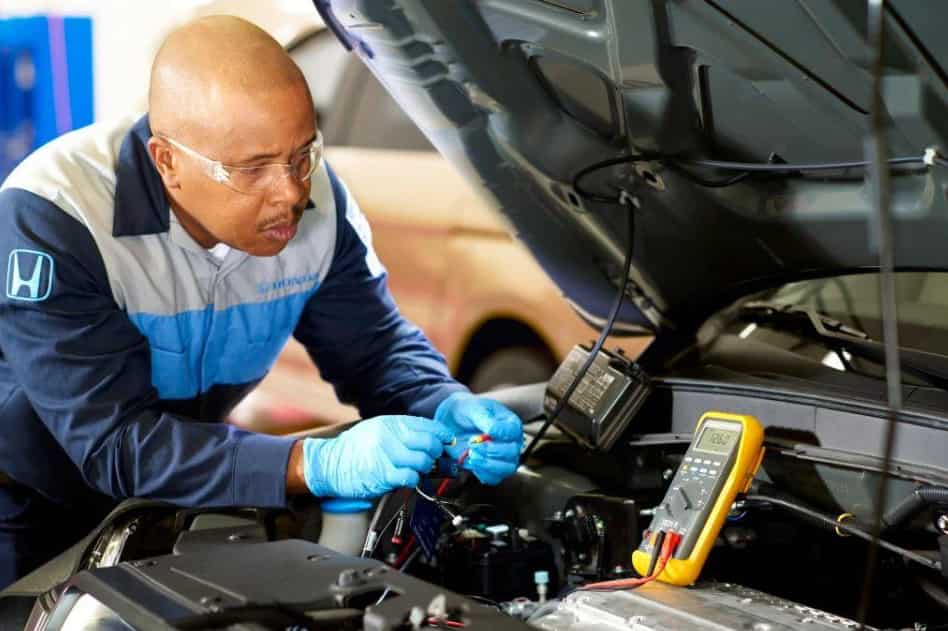
Why Is My Honda Pilot Not Starting?
When your Honda Pilot does not start, the problem is usually connected to one of several key systems that work together to start the engine. The starting process depends on electrical power, engine cranking, fuel delivery, and ignition timing. If one component fails, your SUV may not respond when you try to start it.
One of the most common reasons behind a Honda Pilot Not Starting issue is a weak or dead battery. The battery provides the initial electrical power needed to activate the starter motor and other essential systems. A battery that is old, discharged, or affected by corrosion on the terminals may still power interior lights and accessories but fail to provide enough energy to start the engine.
Another frequent cause is a faulty starter motor. The starter is responsible for turning the engine over when you press the start button or turn the ignition switch. When it begins to fail, you may hear clicking sounds, experience slow cranking, or receive no response at all.
Problems with the alternator, ignition system, fuel pump, or engine sensors can also prevent your Honda Pilot from starting properly. The alternator keeps the battery charged while the vehicle is running, while the ignition and fuel systems ensure the engine receives the spark and fuel required for combustion.
Because multiple components can create similar symptoms, proper diagnosis is important. Identifying the exact cause before replacing parts can help you avoid unnecessary repairs and restore your Honda Pilot efficiently.
Honda Pilot Won’t Start But Has Power: Common Causes and Solutions
One of the most confusing situations for Honda Pilot owners is when the vehicle has electrical power but the engine still refuses to start. You may notice that the dashboard lights turn on, the radio works, and other accessories receive power, yet the SUV does not start when you press the ignition button. This situation often indicates that the problem is not a complete power failure but an issue within the starting system.
A weak battery is one of the most common causes of a Honda Pilot won’t start but has power condition. A battery can still provide enough electricity for lights and electronics while failing to deliver the high current required to operate the starter motor. In many cases, checking the battery voltage and inspecting the terminals for corrosion can reveal the problem.
Another possible cause is a failing starter motor or starter relay. When these components malfunction, electrical power reaches the vehicle but cannot activate the engine cranking process. Drivers may experience a single click, repeated clicking sounds, or no sound at all when attempting to start the SUV.
Ignition switch problems and damaged electrical connections can also interrupt the starting process. A loose connection, worn component, or faulty relay may prevent the signal from reaching the starter system.
Before replacing expensive parts, it is important to perform basic checks. Inspect the battery connections, listen carefully for unusual sounds, and consider using a diagnostic scanner to identify potential electrical faults. A proper diagnosis can help determine whether the issue comes from the battery, starter, ignition system, or another component.
Honda Pilot Clicking But Not Starting: What Does the Sound Mean?
A clicking sound when trying to start your Honda Pilot is an important warning sign that can help identify the source of the problem. Many owners experience a Honda Pilot clicking but not starting situation and assume the starter motor has completely failed. However, the clicking noise can come from several different components within the starting system.
A single click usually points to a problem with the starter motor or starter solenoid. The solenoid receives an electrical signal when you attempt to start the vehicle and helps deliver power to the starter motor. If the solenoid activates but the starter cannot turn the engine, you may hear a click without any engine movement.
Multiple rapid clicks often indicate insufficient electrical current from the battery. Although the battery may still power lights and interior electronics, it may not have enough strength to provide the energy needed for engine cranking. Loose battery terminals, corrosion, or damaged cables can also reduce the electrical flow between the battery and starter.
Before replacing the starter, it is important to check the battery condition and electrical connections first. Testing the battery voltage, cleaning the terminals, and inspecting the cables can sometimes solve the issue without expensive repairs.
If the battery and connections are working correctly, the starter motor or related electrical components may require further inspection. Understanding the type of clicking sound your Honda Pilot makes can provide valuable clues and help you find the correct solution faster.
Honda Pilot Cranks But Won’t Start: Possible Engine Problems
A Honda Pilot cranks but won’t start problem is different from a vehicle that has no response when the ignition is activated. In this situation, the engine turns over normally, which means the starter motor is working, but the engine does not begin the combustion process needed to run. This usually indicates a problem with fuel delivery, ignition, or engine management systems.
One common cause is a fuel system issue. The engine needs a consistent supply of fuel to start, and a failing fuel pump, clogged fuel filter, or fuel delivery problem can prevent combustion. When the engine does not receive enough fuel, the starter may continue turning the engine without allowing it to start.
Ignition problems can create similar symptoms. Worn spark plugs, damaged ignition coils, or other ignition system failures can prevent the fuel mixture from igniting properly. Without a strong spark, the engine will continue cranking but will not run.
Modern Honda Pilot models also depend on various sensors to control engine operation. A faulty crankshaft position sensor or camshaft position sensor can interrupt the timing signals required for fuel injection and ignition. In some cases, the vehicle may store diagnostic trouble codes that can be identified with an OBD II scanner.
When your Honda Pilot cranks but will not start, avoid replacing parts based only on symptoms. A proper diagnosis should check fuel pressure, ignition performance, sensor signals, and stored error codes. Identifying the actual cause will help prevent unnecessary repairs and restore reliable performance.
How to Diagnose a Honda Pilot That Won’t Start
Diagnosing a Honda Pilot that will not start requires a step by step approach to identify the exact cause before replacing any parts. Since several different systems can create similar symptoms, starting with the simplest and most common problems can save both time and repair costs.
The first step is checking the battery condition. Measure the battery voltage and inspect the terminals for corrosion, dirt, or loose connections. A weak battery or poor electrical connection can prevent the starter system from receiving enough power, even if some vehicle electronics still operate normally.
Next, pay attention to what happens when you attempt to start the SUV. Listen for clicking sounds, notice whether the engine cranks, and check if the dashboard lights dim during the starting process. These signs can provide important clues about whether the issue involves the battery, starter motor, or electrical system.
If the battery and connections appear normal, the next step is inspecting the starting and ignition systems. A faulty starter relay, ignition switch, or starter motor may prevent the engine from turning over properly. For situations where the engine cranks but does not start, checking fuel delivery and ignition components becomes more important.
Using an OBD II scanner can also help identify hidden problems. Modern Honda Pilot models use electronic control systems that store diagnostic trouble codes when certain components fail. These codes can point toward issues involving sensors, fuel systems, or engine management components.
A proper diagnosis helps avoid unnecessary part replacements and ensures that the correct repair is performed. By following a logical inspection process, you can determine why your Honda Pilot is not starting and choose the most effective solution.
Honda Pilot Starting Problems Repair Costs
The repair cost for a Honda Pilot that will not start depends on the exact cause of the problem and the component that needs to be repaired or replaced. Some starting issues are relatively affordable to fix, while others may require more extensive diagnosis and replacement of major parts.
A weak or dead battery is usually one of the least expensive problems to resolve. Replacing a battery or cleaning corroded terminals can often restore normal starting performance without major labor costs. However, if the issue comes from the charging system, a failing alternator may require a more expensive repair because it affects how the battery receives power while the vehicle is running.
A faulty starter motor is another common reason behind Honda Pilot starting problems. Starter replacement typically costs more than a battery replacement because the component requires additional labor to access and install. If the vehicle has fuel delivery issues, replacing a failing fuel pump can also become a significant repair expense.
Electrical problems can vary widely in cost because the issue may involve anything from a damaged wire connection to a faulty ignition component or sensor. Proper electrical diagnosis is important because replacing parts without confirming the cause can lead to unnecessary expenses.
Although unexpected repair bills can be stressful, addressing starting problems early can help prevent additional damage and reduce long term costs. Identifying the root cause of your Honda Pilot Not Starting issue allows you to choose the right repair and avoid spending money on parts that do not solve the problem.
How to Prevent Honda Pilot Starting Problems
Preventing a Honda Pilot from experiencing starting problems requires regular maintenance and early attention to warning signs. Many starting failures do not happen suddenly but develop over time as components become worn, electrical connections weaken, or the battery loses its ability to provide reliable power.
One of the most important steps is maintaining the battery system. Regularly checking battery health, cleaning corrosion from the terminals, and ensuring that connections remain tight can improve electrical performance and reduce the risk of unexpected starting failures. Since the battery plays a critical role in powering the starter motor, keeping it in good condition is essential.
The charging system should also be inspected during routine maintenance. A failing alternator may not provide enough power to keep the battery fully charged, which can eventually lead to a Honda Pilot Not Starting situation. Paying attention to signs such as dim headlights, slow engine cranking, or warning lights can help identify charging issues before they become serious.
Drivers should also avoid ignoring early symptoms. Unusual clicking sounds, delayed starting, or occasional difficulty turning on the engine may indicate developing problems with the starter system or electrical components. Addressing these issues early can prevent more expensive repairs in the future.
Regular servicing, proper battery care, and quick responses to warning signs can significantly improve starting reliability. By following preventive maintenance practices, Honda Pilot owners can reduce the chance of being stranded and keep their SUV performing smoothly for many years.
Frequently Asked Questions About Honda Pilot Not Starting
Why is my Honda Pilot not starting but the lights are working?
If your Honda Pilot has working lights but the engine does not start, the problem is often related to the battery, starter motor, or electrical connections. A battery can still power lights and accessories while being too weak to provide enough current for engine cranking. Checking the battery voltage, terminals, and starter system can help identify the cause.
Why does my Honda Pilot click but not start?
A clicking sound usually indicates a problem within the starting system. A single click may point to a faulty starter motor or starter solenoid, while repeated clicking often suggests a weak battery or poor electrical connection. Proper testing should be performed before replacing any components.
How do I know if my Honda Pilot starter is bad?
Common signs of a failing starter include a clicking noise when starting, slow engine cranking, intermittent starting problems, or no response when pressing the start button. If the battery and electrical connections are working correctly, the starter motor may require inspection or replacement.
Can a weak battery cause a Honda Pilot not to start?
Yes. A weak battery is one of the most common causes of a Honda Pilot Not Starting issue. Even when interior lights and electronics work, the battery may not have enough power to operate the starter motor and turn over the engine.
How much does it cost to fix a Honda Pilot that will not start?
The repair cost depends on the cause of the problem. Battery replacement is usually less expensive, while starter motor replacement, fuel system repairs, or electrical diagnosis may cost more. A proper inspection is the best way to determine the exact repair needed.
Conclusion
A Honda Pilot that refuses to start can be caused by many different issues, ranging from a simple battery problem to more complex failures involving the starter motor, ignition system, fuel delivery, or engine sensors. Understanding the symptoms is the key to finding the correct solution without wasting time and money on unnecessary repairs.
When dealing with a Honda Pilot Not Starting problem, the best approach is to begin with basic checks such as inspecting the battery, testing electrical connections, and paying attention to unusual sounds during startup. If the issue is not caused by a simple electrical problem, further diagnosis may be needed to identify faults within the starting or engine management systems.
Regular maintenance also plays an important role in preventing unexpected starting failures. Keeping the battery in good condition, monitoring warning signs, and addressing small issues early can help improve reliability and reduce future repair costs.
Whether your Honda Pilot has no response, makes clicking sounds, or cranks without starting, identifying the root cause is the first step toward restoring normal operation. A proper diagnosis will help you choose the right repair and get your SUV back on the road with confidence.
Have you experienced a Honda Pilot Not Starting issue? Share your symptoms and what happened with your vehicle, as your experience may help other owners find the right solution faster.