The Honda P1456 code is an OBD II trouble code that indicates a problem with the vehicle’s evaporative emission control system, also known as the EVAP system. This code appears when the Powertrain Control Module (PCM) detects abnormal fuel vapor control conditions, usually related to the fuel tank vapor management system.
The EVAP system prevents fuel vapors from escaping into the atmosphere by storing and controlling gasoline vapors through components such as the EVAP canister, purge valve, vent shut valve, and fuel tank pressure sensor. When one of these components fails or the system cannot maintain the expected pressure, the Honda P1456 code may trigger the Check Engine Light.
Diagnosing this code requires more than replacing random parts because several EVAP components can create similar symptoms. A proper diagnosis includes checking stored OBD II data, inspecting EVAP components, testing for leaks, and verifying electrical operation.
This guide explains what Honda P1456 code means, the most common causes, symptoms to watch for, diagnostic steps, and repair solutions. Understanding the complete EVAP system operation helps Honda owners avoid unnecessary repairs and restore proper vehicle performance.
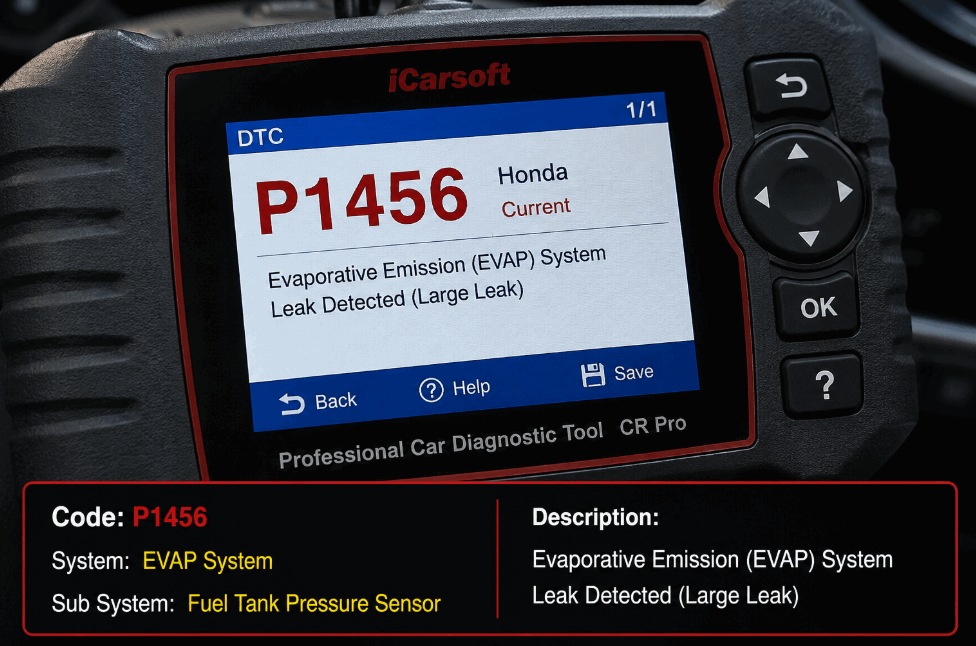
What Does Honda P1456 Code Mean?
The Honda P1456 code is a manufacturer specific OBD II trouble code that identifies an issue with the evaporative emission control system, commonly known as the EVAP system. In Honda vehicles, this code indicates that the PCM has detected an abnormal condition related to fuel vapor control, especially within the fuel tank side of the EVAP system.
The EVAP system is designed to capture gasoline vapors produced inside the fuel tank and prevent them from entering the atmosphere. Instead of releasing these vapors, the system stores them inside the EVAP canister and later sends them into the engine for combustion through the purge valve. This process reduces emissions while allowing the engine to use stored fuel vapors efficiently.
Honda P1456 is different from a simple fuel leak because the problem is usually related to how the EVAP system controls and monitors vapor pressure. The PCM continuously checks pressure changes through sensors and valves. When the expected pressure pattern does not match the programmed operating conditions, it stores the P1456 trouble code and activates the Check Engine Light.
What System Does Honda P1456 Code Affect?
The Honda P1456 code affects the EVAP system, which consists of several components working together to control fuel vapors. The main components involved include the fuel tank, fuel tank pressure sensor, EVAP canister, purge valve, vent shut valve, and connecting vapor lines.
The fuel tank pressure sensor measures pressure changes inside the fuel system and sends information to the PCM. The purge valve controls when stored fuel vapors move from the EVAP canister into the engine intake. The vent shut valve controls airflow into the EVAP system during leak detection tests.
When any component cannot maintain the correct vapor pressure, the PCM identifies the condition as an EVAP malfunction. For example, a damaged vent valve may prevent proper sealing, while a faulty pressure sensor may send inaccurate readings even when other components are working correctly.
Is Honda P1456 a Serious Problem?
Honda P1456 is usually not an immediate engine failure issue, but it should not be ignored. The vehicle may continue operating normally because the problem mainly affects the emissions control system rather than basic engine operation.
However, leaving the code unresolved can create additional problems. A failed EVAP component may cause repeated Check Engine Light warnings, failed emissions inspections, fuel odor, or unnecessary replacement of unrelated parts if the diagnosis is incorrect.
The seriousness of Honda P1456 depends on the failed component and the vehicle condition. A loose fuel cap may require a simple replacement, while a damaged EVAP valve or leaking vapor line requires more detailed testing and repair.
What Are the Symptoms of Honda P1456 Code?
The Honda P1456 code creates several noticeable symptoms, although some vehicles may only show the Check Engine Light without obvious driving problems. The symptoms depend on which EVAP component has failed and how the failure affects fuel vapor control. Because the EVAP system operates mainly during fuel vapor management, many symptoms appear during refueling, emissions testing, or diagnostic checks rather than normal driving.
The most common symptom of Honda P1456 is an illuminated Check Engine Light. The PCM activates this warning when it detects that the EVAP system cannot achieve the expected pressure conditions during its self test. The vehicle may still drive normally because the engine management system can continue operating while storing the diagnostic trouble code.
Another common symptom is a noticeable fuel smell around the vehicle. This happens when gasoline vapors escape from a damaged EVAP component, loose connection, cracked vapor hose, or faulty sealing point. The EVAP system normally stores these vapors inside the charcoal canister, so any failure that prevents proper vapor containment can create a gasoline odor.
Can Honda P1456 Affect Engine Performance?
Honda P1456 usually does not cause major engine performance problems because the issue is related to emission control rather than direct fuel delivery or ignition operation. Most drivers can continue operating the vehicle, but the vehicle may experience minor changes if the EVAP failure affects air and fuel balance.
A faulty purge valve is one example that can influence engine behavior. If the purge valve remains open when it should be closed, excess fuel vapor can enter the intake manifold and change the air fuel mixture. This condition may cause rough idling, hesitation, or difficulty starting, especially after refueling.
The severity of performance symptoms depends on the specific failed component. A loose fuel cap may only trigger a warning light, while a malfunctioning purge valve or significant EVAP leak can create noticeable drivability issues.
What Other Signs Indicate an EVAP Problem?
Several additional signs can indicate that Honda P1456 is related to an EVAP system problem. These signs include difficulty filling the fuel tank, repeated fuel nozzle shutoffs during refueling, failed emissions testing, and a Check Engine Light that returns after being cleared.
Difficulty during refueling often occurs when the EVAP vent system cannot release air pressure from the fuel tank correctly. The fuel pump nozzle may stop repeatedly because vapor cannot move through the system as designed.
Failed emissions testing is another important indicator because the EVAP system directly controls fuel vapor emissions. A vehicle with Honda P1456 may fail inspection even if the engine runs smoothly. Identifying these symptoms helps technicians focus on the correct EVAP components instead of replacing unnecessary parts.
What Causes Honda P1456 Code?
The Honda P1456 code is caused by a failure in the EVAP system that prevents the vehicle from controlling fuel vapors correctly. The EVAP system contains multiple valves, sensors, hoses, and storage components, so different failures can create the same diagnostic code. Accurate diagnosis is necessary because replacing the wrong component can increase repair costs without solving the actual problem.
The most common causes of Honda P1456 include a damaged fuel cap, faulty EVAP valves, a defective fuel tank pressure sensor, damaged vapor lines, and electrical problems. Each component affects the ability of the EVAP system to maintain and measure fuel vapor pressure.
Can a Faulty Fuel Cap Cause Honda P1456?
A faulty fuel cap is one of the simplest causes of Honda P1456 because the fuel cap creates the sealing point required for the EVAP system to maintain pressure. When the cap is loose, cracked, or has a damaged sealing ring, the system may detect abnormal pressure changes during the EVAP leak test.
The fuel cap should create an airtight seal after it is tightened correctly. A worn rubber gasket or damaged locking mechanism can prevent proper sealing even when the driver believes the cap is installed correctly. In many cases, replacing a damaged fuel cap is enough to restore normal EVAP operation and clear the code after the PCM completes a new system test.
However, a fuel cap is not always the cause of Honda P1456. If the code returns after installing a new cap, further inspection of the EVAP valves, hoses, and sensors is required.
Can EVAP Components Cause Honda P1456?
Several EVAP components can trigger Honda P1456 when they fail to control fuel vapor flow correctly. The EVAP purge valve controls vapor movement from the charcoal canister into the engine. If this valve becomes stuck open or closed, the PCM may detect incorrect pressure conditions.
The EVAP vent shut valve is another important component because it controls whether outside air enters the EVAP system during normal operation and leak testing. A malfunctioning vent valve can prevent the system from sealing correctly, causing the PCM to identify an EVAP malfunction.
The charcoal canister can also contribute to Honda P1456 when it becomes damaged or saturated with liquid fuel. The canister contains activated carbon that stores fuel vapors. When it cannot store or release vapors properly, the EVAP pressure readings become abnormal.
Can Wiring Problems Trigger Honda P1456?
Electrical problems can also cause Honda P1456 when the PCM cannot communicate correctly with EVAP components. Damaged wiring, corroded connectors, poor electrical connections, or failed solenoid circuits can prevent valves and sensors from operating as expected.
A proper diagnosis should include checking electrical signals before replacing expensive components. For example, a technician may confirm whether an EVAP valve receives the correct voltage and whether the sensor produces accurate pressure readings.
Testing the electrical system prevents unnecessary repairs because a working EVAP component may appear faulty when the actual problem is a wiring or connection failure.
How Do You Diagnose Honda P1456 Code?
Diagnosing Honda P1456 code requires a structured inspection of the EVAP system. Several components can trigger the same trouble code. Replacing parts without testing them can increase repair costs and fail to solve the problem.
A proper diagnosis starts with vehicle data. Technicians use an OBD II scanner to confirm the stored code and check additional information from the PCM. They review freeze frame data to understand the conditions when the code appeared. This data includes engine temperature, fuel level, and driving conditions.
The diagnostic process then moves to physical inspection and component testing. Technicians check EVAP valves, vapor hoses, electrical connections, and pressure sensors. This approach helps identify the actual failure instead of replacing unnecessary parts.
How Do You Check Honda P1456 With an OBD II Scanner?
An OBD II scanner helps technicians confirm Honda P1456 and identify related EVAP problems. The scanner reads stored trouble codes from the PCM and shows whether other codes appear with P1456.
Additional codes can change the diagnostic direction. For example, a leak code may point to damaged hoses, while a valve code may indicate a failed solenoid. Technicians also use advanced scanners to activate EVAP components and check their operation.
After scanning the system, technicians perform a visual inspection. They check the fuel cap, EVAP hoses, valves, canister, and electrical connectors. These simple checks often reveal visible damage or loose connections.
How Do You Test Honda EVAP Components?
Technicians test EVAP components through mechanical and electrical inspections. A smoke test helps locate small vapor leaks that are difficult to find through visual inspection. The test fills the EVAP system with smoke and reveals damaged areas.
Technicians also test the purge valve and vent shut valve. These valves must open and close at the correct time. A stuck valve can prevent the EVAP system from completing its pressure test.
The fuel tank pressure sensor requires electrical testing. Technicians compare sensor signals with manufacturer specifications. This process confirms whether the sensor measures fuel vapor pressure correctly.
What Parts Should Be Checked First for Honda P1456?
Technicians should check simple components before complex ones. The fuel cap is the first component to inspect because it is easy to test and replace. Next, they should check EVAP hoses, valves, the charcoal canister, pressure sensors, and wiring.
This diagnostic order saves time and reduces unnecessary expenses. A complete EVAP inspection helps technicians find the real cause of Honda P1456 before they replace any parts.
Which Honda Models Commonly Have P1456 Code?
The Honda P1456 code can appear on many Honda vehicles because most models use similar EVAP system designs. The code has the same meaning across Honda models, but the repair process may differ depending on component location, vehicle generation, and engine configuration.
Common Honda models that may experience P1456 include Civic, Accord, CR V, Odyssey, Pilot, and Fit. These vehicles use the same main EVAP components, including the fuel tank, charcoal canister, purge valve, vent shut valve, and fuel tank pressure sensor.
Honda Civic owners may encounter P1456 because of common EVAP failures such as damaged fuel caps, aging vapor hoses, or faulty valves. The compact design of the Civic can make some components harder to access, so technicians usually begin with basic inspections before performing advanced testing.
Honda Accord models can also develop P1456 when the EVAP system cannot maintain proper vapor pressure. Common inspection points include the purge valve, vent shut valve, and pressure sensor. Different Accord generations may use different EVAP layouts, so technicians must identify the exact model year before repairs.
Honda CR V models may experience similar problems because EVAP components can deteriorate from age, moisture, and road exposure. Technicians often inspect external hoses, valves, and electrical connections before replacing major components.
Although Honda P1456 appears on different models, the diagnostic principle remains the same. Technicians must identify the failed EVAP component rather than replacing parts based only on the vehicle model.
How Can You Prevent Honda P1456 Code From Returning?
Preventing Honda P1456 code from returning requires maintaining the EVAP system and protecting the components that control fuel vapor. The EVAP system depends on proper sealing, accurate pressure readings, and reliable valve operation. Regular maintenance helps reduce the chance of repeated Check Engine Light warnings and unnecessary repairs.
The simplest prevention step is checking the fuel cap condition. A damaged fuel cap seal can prevent the EVAP system from maintaining pressure correctly. Drivers should tighten the fuel cap until it clicks and replace it when the seal becomes worn or cracked.
Regular vehicle inspections also help identify early EVAP problems. Technicians can inspect vapor hoses, electrical connectors, valves, and the charcoal canister during routine maintenance. Finding small leaks or damaged components early prevents larger EVAP failures.
Drivers should avoid overfilling the fuel tank because excess fuel can enter the charcoal canister. The canister is designed to store fuel vapors, not liquid gasoline. Liquid fuel exposure can reduce its ability to control vapor flow and may contribute to EVAP system failure.
Keeping the vehicle maintained according to Honda’s service schedule also supports EVAP reliability. Replacing worn components, checking engine systems, and addressing warning lights quickly can prevent minor problems from becoming more expensive repairs.
Honda P1456 prevention focuses on maintaining proper EVAP operation. A correctly sealed fuel system, regular inspections, and timely repairs help keep the EVAP system functioning efficiently and reduce the possibility of the trouble code appearing again.
What Is the Difference Between Honda P1456 and Other EVAP Codes?
Honda P1456 is one of several EVAP system trouble codes that identify fuel vapor control problems. Although P1456, P0455, and P0456 belong to the same emission control system, each code represents a different condition detected by the PCM. Understanding these differences helps technicians choose the correct diagnostic method and prevents unnecessary part replacement.
Honda P1456 usually indicates a problem with the fuel tank side of the EVAP system. The PCM detects abnormal pressure conditions during the EVAP self test. Common inspection areas include the fuel cap, fuel tank pressure sensor, vent shut valve, purge valve, and related vapor lines.
Honda P0455 indicates a large EVAP leak. This condition means the system loses a significant amount of vapor pressure. Common causes include a missing fuel cap, disconnected vapor hose, damaged fuel line, or major sealing failure. Technicians usually perform a visual inspection and smoke test to locate the leak.
Honda P0456 indicates a small EVAP leak. This problem is more difficult to detect because the leak size is limited. Small cracks in hoses, weak seals, or minor component damage can create this code. Technicians often need smoke testing equipment to find the exact location.
The main difference between Honda P1456, P0455, and P0456 is the type of EVAP failure detected. P1456 focuses on fuel tank vapor control issues, while P0455 and P0456 focus on leak size. Accurate diagnosis ensures the correct repair and reduces unnecessary costs.
Conclusion
The Honda P1456 code indicates an EVAP system problem that affects how the vehicle controls fuel vapors. Although this trouble code usually does not create an immediate engine failure, it requires proper diagnosis because several different components can cause the same warning.
The most common causes include a damaged fuel cap, faulty EVAP valves, defective pressure sensors, damaged vapor hoses, and electrical problems. A complete inspection helps identify the actual failed component and prevents unnecessary replacements.
Diagnosing Honda P1456 requires a step by step process that includes OBD II scanning, visual inspection, EVAP testing, and component verification. Tools such as smoke testing equipment help technicians locate hidden leaks, while electrical testing confirms whether sensors and valves operate correctly.
Honda owners can reduce the risk of future P1456 problems by maintaining the fuel system, checking the fuel cap condition, avoiding fuel tank overfilling, and addressing Check Engine Light warnings quickly. Regular maintenance supports proper EVAP operation and improves long term vehicle reliability.
Understanding Honda P1456 code allows drivers to make better repair decisions and communicate more effectively with technicians. When the problem receives accurate diagnosis and the correct repair, the EVAP system can return to normal operation and prevent the trouble code from appearing again.