A Honda CR-V starter replacement solves starting problems caused by a failed starter motor. The starter motor provides the force needed to turn the engine when the driver starts the vehicle.
The starter works with the battery, ignition system, and electrical components to begin engine operation. When the starter fails, the Honda CR-V may produce clicking sounds, crank slowly, or fail to start completely.
Many starting problems look similar because several components affect engine startup. A weak battery, faulty alternator, damaged ignition switch, and failing starter can create similar symptoms. Proper diagnosis helps identify the actual cause before replacing parts.
This guide explains Honda CR-V starter replacement, including failure symptoms, repair costs, replacement steps, and available starter options. It also explains the differences between OEM, aftermarket, and remanufactured starters.
The replacement cost depends on the Honda CR-V model year, starter type, labor requirements, and part quality. Choosing the correct starter helps maintain reliable starting performance and prevents repeated repairs.
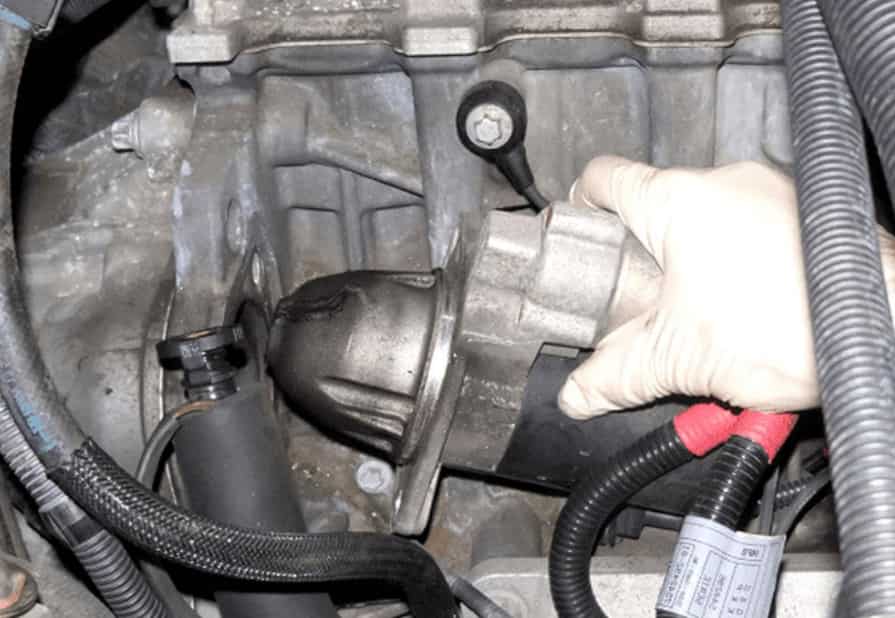
What Are the Signs That a Honda CR-V Starter Needs Replacement?
A Honda CR-V starter needs replacement when the starter motor cannot create enough power to turn the engine consistently. The most common signs include clicking sounds, slow engine cranking, intermittent starting failures, and a complete no-start condition.
A failing starter often shows warning signs before it stops working completely. Recognizing these symptoms early helps prevent unexpected breakdowns and avoids unnecessary replacement of other components, such as the battery or alternator.
Clicking Noise When Starting the Honda CR-V
A clicking noise during startup usually indicates a problem with the starter motor or starter solenoid. The solenoid receives electrical power from the battery and pushes the starter gear toward the engine flywheel. When the starter cannot complete this process, the vehicle may produce a single click or repeated clicking sounds.
A single click often points to a starter solenoid problem or a starter motor that cannot operate. Rapid clicking usually indicates insufficient electrical power, which may come from a weak battery or poor electrical connections. Testing the battery voltage helps separate a starter issue from a battery-related problem.
Slow Engine Cranking or Delayed Startup
A Honda CR-V with a worn starter may crank slower than normal before the engine starts. The starter motor must rotate the engine at a specific speed to begin combustion. Internal wear, damaged electrical contacts, or weakened starter components can reduce its performance.
Slow cranking can also happen because of battery problems or poor connections between electrical components. A technician should check the battery condition, charging system, and starter current draw before replacing the starter motor.
Intermittent Starting Problems
Intermittent starting failure is another common sign of a damaged Honda CR-V starter. The vehicle may start normally on one occasion but fail on another attempt. This happens because internal starter components can lose consistent electrical contact as they wear.
Drivers may notice that the problem appears more frequently after years of use or during certain conditions. Repeated starting failures should not be ignored because a failing starter can eventually stop working without warning.
How to Tell If the Starter or Battery Is the Problem
A starter and a battery can create similar starting symptoms, but they fail in different ways. A weak battery usually affects multiple electrical systems, such as headlights, dashboard lights, and electronic accessories. A failing starter usually affects only the engine starting process.
A battery voltage test and starter electrical test can identify the defective component. For example, a Honda CR-V with strong battery voltage but no engine rotation may have a starter problem rather than a battery failure.
How Much Does Honda CR-V Starter Replacement Cost?
The average Honda CR-V starter replacement cost depends on the starter part price, labor requirements, vehicle model year, and replacement part quality. Most owners pay for both the starter motor and professional installation because starter replacement requires access to the vehicle’s electrical and engine components.
A complete replacement usually includes the starter assembly, labor charges, diagnostic testing, and system inspection. The final price changes when a vehicle requires additional repairs, such as damaged wiring, corroded electrical connections, or battery replacement.
How Much Does a Honda CR-V Starter Motor Cost?
A Honda CR-V starter motor typically costs between $150 and $500 depending on the part type and supplier. OEM Honda starters usually have higher prices because they follow manufacturer specifications and provide direct compatibility with specific CR-V models.
Aftermarket starters often cost less than OEM parts and provide different quality levels. Some aftermarket manufacturers offer reliable replacement options, while low-quality parts may have shorter service lives. Remanufactured starters provide another option because they rebuild existing starter components and replace worn internal parts.
The correct starter depends on the Honda CR-V model year, engine configuration, and electrical system requirements. A starter designed for a 2010 Honda CR-V may not match the specifications of a newer generation model.
How Much Does Labor Cost to Replace a Honda CR-V Starter?
Labor cost for Honda CR-V starter replacement depends on the starter location and the amount of work required to remove and install the component. Most replacements require professional tools and electrical testing to confirm the repair.
A technician usually begins by disconnecting the battery, inspecting the starting system, removing the damaged starter, installing the replacement unit, and testing engine operation. Labor time varies between different CR-V generations because manufacturers place starter components in different locations.
A repair shop may charge more when access to the starter requires removing additional components. Diagnostic time can also increase the total cost if the vehicle has multiple starting system problems.
What Factors Affect Honda CR-V Starter Replacement Cost?
Four main factors influence the final replacement cost: starter type, vehicle model year, labor complexity, and additional repairs.
Starter type affects pricing because OEM, aftermarket, and remanufactured parts have different manufacturing processes and warranty coverage. Vehicle model year affects cost because newer CR-V models may use different electrical systems and starter designs.
Labor complexity changes when the starter location requires more time for removal. Additional repairs also increase the total expense when technicians discover battery issues, damaged cables, or charging system problems during inspection.
Choosing the correct replacement part and completing proper diagnosis helps Honda CR-V owners avoid unnecessary expenses and repeated repairs.
How Is a Honda CR-V Starter Replaced?
A Honda CR-V starter replacement involves removing the damaged starter motor and installing a compatible replacement unit. The process requires electrical inspection, safe battery disconnection, proper component removal, and system testing after installation.
The starter motor connects the battery power supply with the engine’s flywheel to begin combustion. Because it operates with high electrical current, incorrect installation can damage electrical components or prevent the vehicle from starting.
What Steps Are Included in Honda CR-V Starter Replacement?
The first step is diagnosing the starting system to confirm that the starter is the cause of the problem. A technician checks the battery condition, electrical connections, and starter operation before removing any components.
After diagnosis, the technician disconnects the battery to prevent electrical damage and improve safety during repair. The starter electrical connections are then removed, including the power cable and control wire connected to the starter solenoid.
The technician removes the mounting bolts that secure the starter motor to the engine or transmission housing. After removing the damaged unit, the replacement starter is positioned correctly and connected to the vehicle’s electrical system.
The final step involves testing the Honda CR-V starting system. The technician checks engine cranking speed, electrical operation, and startup performance to confirm that the new starter works correctly.
How Long Does Honda CR-V Starter Replacement Take?
Honda CR-V starter replacement usually takes between 1 and 3 hours depending on the vehicle generation, starter location, and repair conditions. Some models allow easier access, while others require additional steps before removing the starter.
Professional replacement is usually faster because technicians have diagnostic equipment, specialized tools, and experience with Honda vehicles. A DIY replacement may take longer because identifying electrical connections and accessing the starter can require additional preparation.
The repair time can increase when technicians find related problems, such as corroded battery terminals, damaged wiring, or a weak battery. Checking the complete starting system prevents replacing a starter that is not the actual cause of the failure.
Which Honda CR-V Starter Should You Choose?
Choosing the right Honda CR-V starter depends on the vehicle model year, engine specifications, reliability needs, and budget. The starter must match the electrical and mechanical requirements of the vehicle to ensure proper operation.
An OEM Honda CR-V starter provides factory-level compatibility because Honda designs it specifically for its vehicles. It usually offers consistent performance and reliable fitment. However, OEM starters often cost more than other replacement options.
Aftermarket starters provide an alternative for owners who want lower replacement costs. Their quality depends on the manufacturer, materials, testing process, and warranty coverage. A high-quality aftermarket starter can provide reliable performance, but low-cost options may have shorter service lives.
Remanufactured starters offer another replacement choice by rebuilding used starter assemblies with inspected and replaced internal components. They usually cost less than new OEM units while maintaining acceptable reliability when produced by reputable manufacturers.
The best starter choice depends on three main factors: compatibility, quality, and warranty protection. Checking the Honda CR-V model year and engine type helps confirm the correct starter specification before purchase.
A reliable starter replacement should provide consistent engine starts, proper electrical performance, and long-term durability. Choosing the cheapest option without considering quality can increase the risk of repeated repairs and additional costs.
What Other Problems Can Cause a Honda CR-V Not to Start?
A Honda CR-V may not start because of several problems outside the starter motor. The battery, alternator, ignition system, and electrical connections all control the starting process. Finding the correct cause helps avoid replacing a starter that still works.
A weak battery is one of the most common causes of starting problems. The battery supplies electrical power to activate the starter motor. When the battery cannot deliver enough current, the Honda CR-V may produce clicking sounds, crank slowly, or fail to start.
Battery-related problems usually affect other electrical functions. Drivers may notice dim headlights, weak dashboard lights, or reduced power from electronic accessories. A battery voltage test can confirm whether the battery provides enough power for the starting system.
A faulty alternator can also create starting problems because it cannot recharge the battery properly while the vehicle operates. A damaged alternator may cause repeated battery drain, warning lights, or electrical performance issues. Installing a new starter without fixing the charging system can lead to another failure.
Electrical connections can also prevent a Honda CR-V from starting. Corroded battery terminals, loose cables, and damaged wiring can reduce electrical flow between the battery and starter motor. These issues may create symptoms similar to a failed starter.
A complete starting system diagnosis checks the battery, alternator, electrical connections, and starter operation. This process identifies the actual problem and helps Honda CR-V owners choose the correct repair solution.
How Long Does a Honda CR-V Starter Usually Last?
A Honda CR-V starter usually lasts between 100,000 and 150,000 miles, depending on driving conditions, vehicle usage, maintenance quality, and electrical system health. Some starters can operate longer, while others may fail earlier because of excessive wear or related electrical problems.
The starter motor experiences high electrical and mechanical stress every time the engine starts. Each startup cycle requires the starter gear to engage with the flywheel and rotate the engine. Frequent short trips, heavy traffic, and repeated engine starts can increase starter wear over time.
Driving habits have a direct effect on starter lifespan. A Honda CR-V used for frequent short-distance driving may experience more startup cycles compared with a vehicle used mainly for longer trips. More starting cycles create additional stress on the starter motor components.
Battery and charging system condition also affect starter durability. A weak battery forces the starter to work harder because it must draw more current to turn the engine. A failing alternator can also reduce electrical performance and contribute to premature starter damage.
Regular inspection of the starting system helps identify early warning signs before complete failure occurs. Drivers should pay attention to slow cranking, unusual clicking sounds, and intermittent starting problems.
Replacing a worn starter at the right time prevents unexpected breakdowns and protects other electrical components. A properly selected and installed replacement starter can restore reliable starting performance for many years.
Conclusion: Honda CR-V Starter Replacement
A Honda CR-V starter replacement becomes necessary when the starter motor cannot provide reliable engine starting power. Common warning signs include clicking sounds, slow cranking, intermittent startup failures, and complete no-start conditions. However, these symptoms can also come from battery, alternator, or electrical connection problems.
Proper diagnosis is the first step before replacing the starter. Testing the complete starting system helps identify the actual failed component and prevents unnecessary repair expenses. A correct diagnosis also ensures that the replacement process addresses the original problem instead of only treating the symptom.
The right replacement starter depends on several factors, including Honda CR-V model year, engine specifications, part quality, and warranty coverage. OEM starters provide factory-level compatibility, while high-quality aftermarket and remanufactured options can provide cost-effective alternatives.
Regular maintenance of the battery, charging system, and electrical connections can extend starter lifespan and reduce unexpected failures. When a Honda CR-V shows repeated starting problems, replacing a worn starter with a compatible unit restores reliable vehicle operation and improves long-term ownership value.