Honda CR-V electric power steering problems occur when the EPS system fails to provide proper steering assistance. The Honda CR-V uses an Electric Power Steering system instead of traditional hydraulic steering. This system controls steering support through electronic components.
The main EPS components include the electric motor, torque sensor, steering angle sensor, and control module. These parts work together to adjust steering effort based on driving conditions. When one component fails, the driver may notice changes in steering performance.
Common Honda CR-V electric power steering problems include a heavy steering wheel, EPS warning light, reduced steering assistance, unusual noises, and inconsistent steering response. Several factors can trigger these problems. Common causes include weak battery voltage, faulty sensors, software issues, and damaged EPS components.
This guide explains the most common Honda CR-V EPS problems, their causes, symptoms, diagnostic methods, and repair options. It also explains when an EPS issue can affect driving safety and when owners should seek professional inspection.
What Are Honda CR-V Electric Power Steering Problems?
Honda CR-V electric power steering problems refer to failures that affect the vehicle’s EPS system and reduce its ability to provide steering assistance. The Electric Power Steering (EPS) system uses electronic components instead of hydraulic fluid to help drivers turn the steering wheel with less effort. Honda CR-V models rely on this system to improve steering control, fuel efficiency, and driving comfort.
The EPS system works through several connected components. The torque sensor measures the driver’s steering input, the EPS control module processes the information, and the electric motor provides additional steering force. The steering angle sensor also helps the system understand the vehicle’s direction and adjust assistance levels. When these components work correctly, the driver experiences smooth and consistent steering.
Honda CR-V electric power steering problems happen when one or more EPS components fail or receive incorrect information. A faulty torque sensor may send inaccurate steering data to the control module. A weak battery may reduce electrical power and prevent the EPS motor from operating correctly. Software communication problems may also cause the system to activate warning signals or reduce steering assistance.
Unlike hydraulic power steering problems, EPS failures usually involve electrical diagnosis rather than fluid leaks. Technicians often need to inspect battery voltage, scan electronic fault codes, and test EPS components before replacing parts. Identifying the exact cause prevents unnecessary repairs and helps restore normal steering performance.
What Are the Most Common Symptoms of Honda CR-V Electric Power Steering Problems?
Honda CR-V electric power steering problems usually appear through noticeable changes in steering performance. The EPS system normally adjusts steering assistance automatically, so any failure can change how the steering wheel feels during daily driving. Drivers often notice these issues before the system completely stops working.
The most common symptom is a heavy steering wheel. The Honda CR-V depends on the EPS motor to reduce the effort needed to turn the wheel. When the motor loses power or the system detects a fault, the vehicle may reduce steering assistance. As a result, the driver needs more physical effort, especially during parking or low-speed turns.
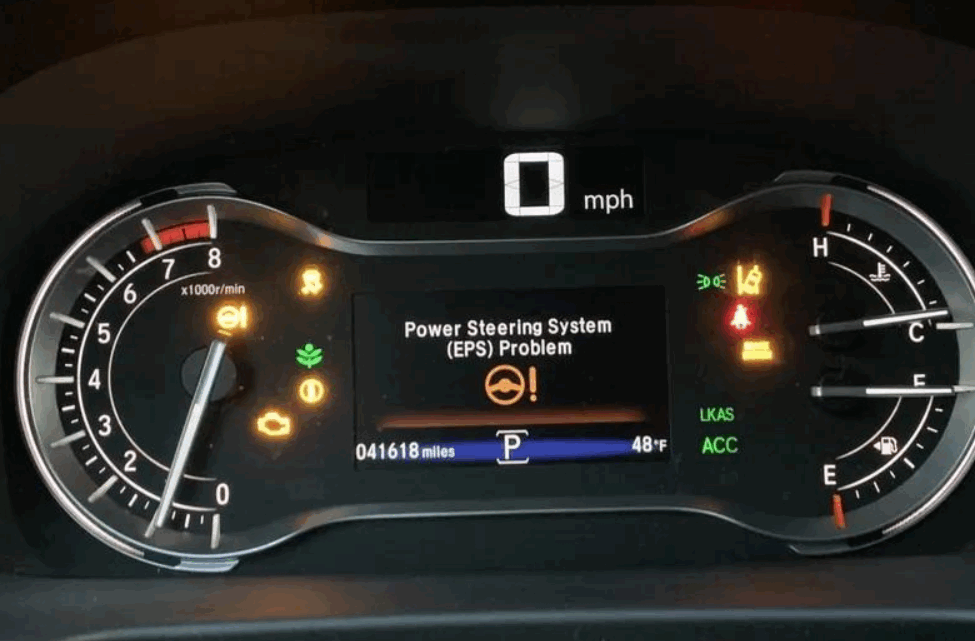
Another common symptom is the EPS warning light appearing on the dashboard. The warning light shows that the EPS control module has detected an abnormal condition. The problem may come from a sensor failure, electrical issue, communication error, or internal EPS component malfunction. An OBD-II scan can help identify the specific fault code behind the warning.
Some Honda CR-V owners also experience intermittent steering assistance problems. The steering may feel normal at one moment and become heavier later. This pattern often points to unstable electrical power, sensor problems, or communication issues between EPS components. Ignoring these changes can make diagnosis more difficult because the problem may become more frequent over time.
Unusual steering noises and vibrations can also indicate EPS-related issues. A worn EPS motor, damaged steering rack, or incorrect calibration can affect steering smoothness. These symptoms do not always mean the entire steering system needs replacement, but they require inspection to prevent further damage.
What Causes Honda CR-V Electric Power Steering Problems?
Honda CR-V electric power steering problems usually come from electrical failures, sensor issues, damaged EPS components, or software communication errors. The EPS system depends on several electronic and mechanical parts working together. When one part provides incorrect data or loses power, the system may reduce or stop steering assistance.
One of the most common causes is a weak battery or unstable electrical supply. The EPS motor requires consistent electrical power to operate correctly. A weak battery, failing alternator, or poor electrical connection can lower system voltage and affect EPS performance. In some cases, the vehicle may show an EPS warning light even though the steering components remain mechanically functional.
The torque sensor is another important cause of Honda CR-V EPS problems. This sensor measures how much force the driver applies to the steering wheel and sends information to the EPS control module. When the sensor sends inaccurate signals, the system may provide incorrect steering assistance. Drivers may notice uneven steering effort, delayed response, or inconsistent steering feel.
The EPS motor and control module can also create steering problems when they develop internal faults. The EPS motor generates the additional force needed to turn the wheels, while the control module manages the entire assistance process. A damaged motor may reduce steering support, while a faulty control module may interrupt communication between EPS components.
Software and calibration issues can also affect Honda CR-V electric power steering performance. The EPS system relies on programmed settings to calculate steering assistance. Incorrect calibration, outdated software, or communication errors between electronic control units can trigger warning lights and change steering behavior.
How Do You Diagnose Honda CR-V Electric Power Steering Problems?
You can diagnose Honda CR-V electric power steering problems by checking warning signs, scanning fault codes, testing electrical power, and inspecting EPS components. A proper diagnosis helps identify the actual cause before replacing expensive parts such as the EPS motor or steering rack.
The first step is checking the EPS warning light and other dashboard indicators. The warning light shows that the EPS control module has detected an abnormal condition. However, the light alone does not identify the exact problem. Technicians need additional testing to determine whether the issue comes from the battery, sensors, wiring, or internal EPS components.
The next step involves scanning the vehicle with an OBD-II diagnostic tool. The scanner retrieves Diagnostic Trouble Codes (DTCs) stored inside the vehicle’s electronic control systems. These codes help technicians locate problems related to the torque sensor, steering angle sensor, EPS module, or electrical communication system.
Battery and charging system testing is also important during EPS diagnosis. The EPS motor requires stable voltage to provide proper steering assistance. A battery with low voltage or an alternator with poor charging performance can create symptoms that look like EPS component failure. Testing the electrical system prevents unnecessary replacement of functional parts.
A complete inspection also includes checking electrical connections, wiring conditions, and EPS calibration. Loose connections or incorrect calibration can interrupt communication between EPS components. If basic inspections do not solve the problem, a professional technician may need to test the EPS motor, control module, or steering rack directly.
How Much Does It Cost to Fix Honda CR-V Electric Power Steering Problems?
The cost to fix Honda CR-V electric power steering problems depends on the failed component, repair complexity, labor cost, and vehicle model year. Some EPS problems require simple electrical repairs, while others require expensive component replacement. Accurate diagnosis helps owners avoid replacing parts that still work correctly.
A battery-related EPS problem usually has the lowest repair cost because the solution may only require battery replacement or electrical system repair. A weak battery can create low voltage conditions that affect EPS operation. Before replacing EPS components, technicians should test battery condition and charging performance to confirm that the power supply works correctly.
Sensor-related repairs usually cost more because the technician may need to replace and calibrate components. The torque sensor and steering angle sensor play important roles in measuring steering input and vehicle direction. After replacement, some Honda CR-V models may require calibration to ensure the EPS system provides accurate assistance.
EPS motor and steering rack replacement usually create higher repair expenses because these components require more labor and specialized procedures. The EPS motor provides steering assistance, while the steering rack transfers movement to the vehicle wheels. Damage to these parts can cause heavy steering, reduced assistance, or abnormal steering behavior.
Software updates and EPS calibration may solve some Honda CR-V electric power steering problems without replacing hardware. Honda service centers can check for available updates or perform system recalibration when electronic communication problems affect steering performance.
The best repair approach depends on the exact cause of the EPS failure. A complete diagnosis helps determine whether the vehicle needs a simple electrical repair, sensor replacement, software adjustment, or major steering component repair.
Is It Safe to Drive With Honda CR-V Electric Power Steering Problems?
Driving with Honda CR-V electric power steering problems may become unsafe when the EPS system reduces or completely loses steering assistance. The vehicle can often continue moving because the steering system still has a mechanical connection, but the driver may need significantly more effort to control the vehicle.
A Honda CR-V with a minor EPS issue may still provide normal steering assistance in some situations. For example, an intermittent warning light caused by unstable battery voltage may disappear after the electrical issue is corrected. However, drivers should not ignore repeated EPS warnings because the system may reduce assistance without much notice.
A complete EPS failure creates a more serious safety concern. Without electric assistance, the steering wheel becomes much harder to turn, especially at low speeds. Parking, making sharp turns, and responding quickly during emergency situations require more physical effort from the driver. This increased steering resistance can affect vehicle control.
Drivers should stop using the vehicle and request an inspection when the Honda CR-V shows severe symptoms. These symptoms include a heavy steering wheel, sudden loss of steering assistance, repeated EPS warning lights, or unusual steering noises. A professional diagnosis can identify whether the problem comes from the battery, sensor system, EPS motor, or another steering component.
The safest approach is to address EPS problems early. A small electrical issue can sometimes develop into a larger system failure if the driver continues ignoring warning signs.
How Can You Prevent Honda CR-V Electric Power Steering Problems?
You can prevent Honda CR-V electric power steering problems by maintaining the vehicle’s electrical system, checking warning signs early, and following recommended maintenance procedures. The EPS system depends on stable electrical power and accurate communication between multiple components. Regular maintenance helps reduce the risk of sudden steering problems.
Maintaining battery health is one of the most important prevention steps. The EPS motor requires a stable voltage supply to provide consistent steering assistance. A weak battery or poor charging system can create electrical conditions that affect EPS performance. Checking battery condition, especially before long trips, helps prevent unexpected EPS warnings.
Regular inspections of electrical connections can also reduce EPS problems. Loose terminals, damaged wiring, or corrosion can interrupt communication between the battery, EPS control module, and other electronic components. Keeping these connections clean and secure helps the EPS system operate correctly.
Drivers should also pay attention to early warning signs. A slightly heavier steering feel, occasional EPS warning light, or unusual steering noise may indicate an developing issue. Addressing these symptoms early can prevent more expensive repairs involving the EPS motor or steering rack.
Following the Honda CR-V maintenance schedule supports long-term EPS reliability. Routine vehicle inspections allow technicians to identify electrical issues, software updates, and steering system concerns before they affect driving performance.
What Should You Do If Your Honda CR-V Has Electric Power Steering Problems?
You should diagnose Honda CR-V electric power steering problems as soon as you notice changes in steering performance, warning lights, or reduced steering assistance. The EPS system controls important steering functions, so identifying the cause early helps prevent safety risks and unnecessary repair costs.
The first step is to check the basic electrical system, especially the battery and charging condition. Low voltage can create EPS symptoms that look like component failure. If the electrical system works correctly, the next step is scanning the vehicle for diagnostic trouble codes and inspecting EPS components such as the torque sensor, control module, and motor.
Some Honda CR-V electric power steering problems require simple solutions, such as battery replacement, software updates, or system calibration. Other problems may require component repairs involving the EPS motor or steering rack. The correct repair depends on the specific failure identified during diagnosis.
Drivers should avoid ignoring repeated EPS warning lights or changes in steering feel. A heavy steering wheel, inconsistent assistance, or sudden loss of power assistance can affect vehicle control. Regular maintenance, early inspection, and proper diagnosis help maintain reliable Honda CR-V steering performance and reduce the risk of major EPS failures.