A Honda Civic AC compressor replacement usually becomes necessary when the compressor can no longer circulate refrigerant through the air conditioning system. The total cost depends on the model year, compressor type, labor rate, refrigerant specification, and condition of related AC components. A complete repair may include more than the compressor because internal damage can spread metal particles and contaminated oil through the condenser, expansion valve, and refrigerant lines.
Warm air from the vents does not always mean the compressor has failed. Low refrigerant, a damaged relay, a faulty pressure switch, a worn clutch, or a blocked condenser can produce similar symptoms. Correct diagnosis is essential because replacing a working compressor will not solve an electrical fault or refrigerant leak.
This guide explains the main symptoms of a bad Honda Civic AC compressor, the expected parts and labor costs, and the tests used to confirm compressor failure. It also covers the components that should be inspected or replaced during the repair, including the receiver drier, expansion valve, serpentine belt, seals, refrigerant, and compressor oil.
You will also learn how the replacement process works, whether a DIY repair is practical, and how to choose between OEM, aftermarket, and remanufactured compressors. The final sections explain compressor lifespan, driving risks, and the maintenance steps that reduce the chance of another failure.
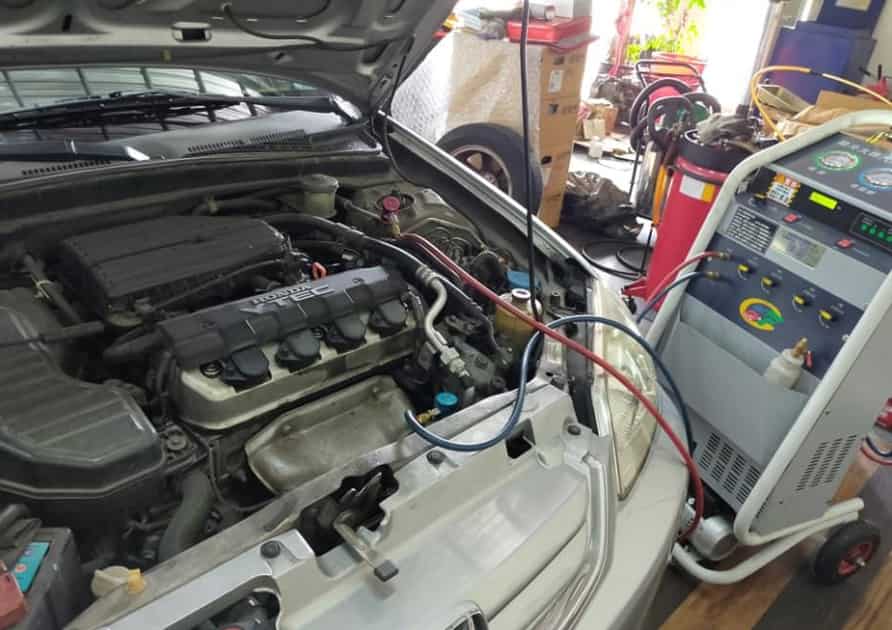
How Much Does Honda Civic AC Compressor Replacement Cost?
A Honda Civic AC compressor replacement usually costs between $700 and $1,600. The final price depends on the model year, engine type, labor rate, and compressor quality. Additional repairs can also increase the total cost.
A new OEM compressor typically costs $500 to $900. A quality aftermarket compressor usually ranges from $250 to $600. A remanufactured unit often costs $180 to $400. While a cheaper compressor lowers the purchase price, it may not provide the same durability or warranty as an OEM part.
Labor also affects the total repair bill. Most repair shops need 2.5 to 5.0 hours to complete the replacement. The technician must recover the refrigerant, remove the old compressor, install the new unit, evacuate the system, and recharge it with the correct refrigerant. Shops with higher hourly rates naturally charge more for the same repair.
The final cost rises when the failed compressor contaminates the AC system. Metal particles can spread through the condenser, refrigerant lines, and expansion valve. Many technicians recommend replacing the receiver drier, damaged O rings, and sometimes the condenser during the same repair. This approach protects the new compressor and helps prevent another failure.
Model year also changes the replacement cost. Older Honda Civic models usually use R134a refrigerant, while many newer models use R1234yf. Newer systems often require more expensive refrigerant and specialized service equipment. For that reason, confirming the correct model year and engine before ordering parts is essential.
What Are the Symptoms of a Bad Honda Civic AC Compressor?
A failing Honda Civic AC compressor usually shows several warning signs before it stops working completely. The most common symptoms include warm air from the vents, unusual noises, weak cooling, and an AC clutch that fails to engage. These problems often develop gradually instead of appearing all at once. Identifying them early can reduce repair costs and prevent damage to other air conditioning components.
Warm air is often the first symptom drivers notice. However, warm airflow does not always mean the compressor has failed. Low refrigerant, a faulty pressure switch, or a damaged condenser can produce the same result. A technician should always inspect system pressure before replacing the compressor. This step confirms whether the compressor still creates enough pressure to circulate refrigerant.
Unusual sounds also indicate internal wear. Grinding, rattling, or squealing noises often come from worn bearings, a damaged clutch, or internal compressor parts. The noise may become louder when you switch on the air conditioner because the clutch places additional load on the compressor. Ignoring these sounds can lead to complete compressor seizure and contaminate the entire AC system with metal debris.
Intermittent cooling is another common warning sign. The air conditioner may blow cold air for several minutes before the temperature rises again. This pattern usually indicates declining compressor efficiency or an electrical problem that interrupts clutch operation. In some cases, the clutch engages and disengages repeatedly because the system cannot maintain the correct pressure.
Engine performance can also change when the compressor begins to fail. A seized compressor creates excessive resistance, forcing the engine to work harder whenever the air conditioner operates. Drivers may notice rough idling, a drop in engine speed, or a squealing serpentine belt. These symptoms should never be ignored because continued driving can damage the belt, pulley, and other accessory components.
How Can You Confirm That the AC Compressor Has Failed?
You should confirm compressor failure before replacing any parts. Several AC problems can produce the same symptoms, including low refrigerant, electrical faults, and blocked components. A complete diagnosis identifies the real cause and prevents unnecessary repairs. It also protects you from replacing an expensive compressor that still works correctly.
Start with a visual inspection of the entire air conditioning system. Look for oil stains around the compressor housing, refrigerant lines, and hose connections. Oil residue often indicates a refrigerant leak because the escaping gas carries compressor oil with it. You should also inspect the serpentine belt, electrical connectors, and compressor clutch for visible damage. Loose connectors, cracked belts, or worn clutch surfaces can prevent the system from operating normally.
Next, measure the system pressure with a manifold gauge set. Static pressure shows whether the system contains enough refrigerant before the engine starts. Running pressure reveals how well the compressor circulates refrigerant through the system. A healthy compressor creates a clear difference between the high side and low side pressures. Little or no pressure change usually indicates internal compressor damage or a clutch that no longer drives the compressor.
Electrical testing provides another important step. Check the fuse, relay, pressure switch, and compressor clutch for proper operation. Verify that the clutch receives battery voltage when the air conditioner is switched on. If power reaches the clutch but it does not engage, the clutch coil or compressor may have failed. If no power reaches the clutch, the problem often lies in the electrical control circuit rather than the compressor itself.
Finally, compare all test results before making a repair decision. A refrigerant leak, failed cooling fan, restricted expansion valve, or faulty pressure sensor can reduce cooling performance without damaging the compressor. Confirming the root cause first saves money, shortens repair time, and greatly reduces the risk of replacing parts that are still in good condition.
What Causes a Honda Civic AC Compressor to Fail?
Several factors can shorten the life of a Honda Civic AC compressor. The most common causes include low refrigerant, contaminated compressor oil, internal wear, and poor system maintenance. These problems increase friction, reduce lubrication, and force the compressor to work harder than normal. Over time, the extra stress damages internal components and leads to complete failure.
Low refrigerant is one of the leading causes of compressor damage. Refrigerant carries compressor oil through the air conditioning system to lubricate moving parts. When the refrigerant level drops because of a leak, the oil circulates less effectively. Internal temperatures rise, friction increases, and critical components begin to wear. If the leak remains unrepaired, the compressor may eventually seize.
Contamination can also destroy a healthy compressor. Moisture, dirt, and metal particles reduce lubrication and damage internal valves, pistons, and bearings. A previous compressor failure often leaves metal debris inside the condenser and refrigerant lines. If technicians install a new compressor without flushing the system or replacing contaminated components, the debris can quickly damage the replacement unit.
Mechanical problems place additional strain on the compressor. A worn serpentine belt may slip under load and reduce compressor efficiency. A faulty belt tensioner can also create vibration and accelerate bearing wear. In some cases, a damaged compressor clutch causes excessive heat and prevents the compressor from engaging smoothly. These issues often develop slowly, making regular inspections important for early detection.
Electrical faults also contribute to compressor failure. A defective relay, pressure switch, or clutch coil can interrupt normal compressor operation. Frequent cycling places unnecessary stress on the clutch and internal components. Incorrect voltage may also prevent the clutch from engaging with enough force, causing premature wear. Diagnosing these electrical problems early helps protect the compressor and improves long term system reliability.
Regular maintenance remains the best way to prevent premature compressor failure. Repair refrigerant leaks as soon as they appear, recharge the system with the correct refrigerant and oil, and inspect the belt and clutch during routine service. These simple steps improve cooling performance and help the compressor operate reliably for many years.
When Should You Replace the Compressor Instead of Repairing It?
You should replace the AC compressor when internal damage affects its performance or reliability. A complete replacement provides a better long term solution than a temporary repair in most cases. It also reduces the risk of repeated failures that increase repair costs. However, some compressor problems only affect external components and do not require a full replacement.
A damaged compressor clutch is a good example. If the clutch bearing, clutch coil, or pulley fails while the compressor still produces normal pressure, replacing the clutch alone may solve the problem. This repair costs less than installing a complete compressor. Before making that decision, a technician should confirm that the compressor rotates smoothly and shows no signs of internal wear.
Internal damage almost always requires a new compressor. Grinding noises, low discharge pressure, metal particles in the refrigerant oil, or a seized compressor indicate that critical internal components have failed. Repairing these parts is rarely practical because the labor cost often exceeds the price of a replacement unit. Even if the compressor works again, its remaining service life may be significantly shorter.
System contamination also changes the repair strategy. When a compressor fails internally, metal debris can travel through the condenser, expansion valve, and refrigerant lines. Installing a new compressor without removing this contamination creates a high risk of another failure. For that reason, many manufacturers recommend replacing the receiver drier and inspecting or replacing the condenser when severe contamination is present.
Vehicle age and repair costs also influence the decision. An older Honda Civic with high mileage may justify a quality aftermarket compressor to control expenses. A newer vehicle often benefits from an OEM replacement because it offers better compatibility and warranty support. Comparing the vehicle’s value, repair budget, and expected ownership period helps determine which option delivers the best long term value.
What Parts Should You Replace With the AC Compressor?
Replacing the AC compressor alone is not always enough to restore reliable cooling. Several components should be inspected or replaced during the same repair to prevent contamination and improve system reliability. The exact parts depend on the condition of the air conditioning system and the cause of the compressor failure. Replacing the correct components at the same time also helps protect the new compressor from premature damage.
The receiver drier or accumulator is one of the most important components to replace. It removes moisture and traps small contaminants before they circulate through the system. Once exposed to the atmosphere, the desiccant inside quickly absorbs moisture and loses its effectiveness. Most compressor manufacturers also require a new receiver drier to maintain warranty coverage after compressor replacement.
The expansion valve deserves close attention as well. This component controls refrigerant flow and directly affects cooling performance. Metal debris from a failed compressor can block the valve and restrict refrigerant circulation. A restricted expansion valve forces the new compressor to operate under abnormal pressure, reducing both efficiency and service life. Replacing the valve during a major repair often prevents repeat failures.
The condenser should also be inspected for internal contamination. Modern Honda Civic models commonly use a parallel flow condenser that is difficult to flush completely. Small metal particles can remain trapped inside the narrow passages even after cleaning. If severe contamination exists, replacing the condenser provides a more reliable solution than attempting to reuse it.
Several smaller components also deserve replacement during installation. New O rings create a proper seal and reduce the risk of refrigerant leaks. Fresh PAG oil ensures correct lubrication, while the serpentine belt should be replaced if it shows cracks, glazing, or excessive wear. Although these parts cost relatively little, they play an important role in protecting the new compressor and maintaining long term air conditioning performance.
How Is a Honda Civic AC Compressor Replaced?
Replacing a Honda Civic AC compressor requires the correct tools and a systematic repair process. The job involves more than removing the old compressor and installing a new one. The technician must recover the refrigerant, inspect the air conditioning system, prepare the replacement compressor, and verify that the system operates correctly after installation. Following each step in the proper order helps prevent refrigerant leaks and extends compressor life.
The repair begins with refrigerant recovery. A certified recovery machine removes the refrigerant before any AC lines are disconnected. After the system is empty, the technician disconnects the battery and removes the serpentine belt. The electrical connector and refrigerant lines are then detached from the compressor. Once the mounting bolts are removed, the old compressor can be lifted from the engine compartment for inspection.
Before installing the new compressor, the technician compares it with the original unit to confirm the mounting points, pulley design, and electrical connector match the vehicle. The correct amount of PAG oil must also be verified because some replacement compressors arrive prefilled while others do not. New O rings should be lubricated with compatible compressor oil before installation to improve sealing and reduce the chance of future leaks.
After the new compressor is installed, the technician reconnects the refrigerant lines, electrical connector, and serpentine belt. A vacuum pump then removes air and moisture from the system. Once the vacuum holds steady, the correct amount of refrigerant is added according to Honda’s specifications. Charging the system by weight ensures accurate pressure and consistent cooling performance.
The final step confirms that the repair was successful. The technician starts the engine and switches on the air conditioner to verify clutch engagement and compressor operation. High side and low side pressures should remain within the expected range, and the vents should deliver cold air consistently. A final leak inspection and noise check help confirm that the new compressor operates efficiently and that the entire air conditioning system functions as intended.
Can You Replace a Honda Civic AC Compressor Yourself?
You can replace a Honda Civic AC compressor yourself if you have advanced mechanical skills and access to professional AC service equipment. The physical installation is not the most difficult part of the job. Recovering refrigerant, evacuating the system, and charging it correctly require specialized tools and technical knowledge. Without these steps, the new compressor may fail long before its expected service life.
The replacement begins with safe refrigerant recovery. Federal regulations in many countries prohibit releasing refrigerant into the atmosphere because it harms the environment. A recovery machine removes and stores the refrigerant before any AC lines are opened. After the system is empty, you can remove the serpentine belt, disconnect the electrical connector, detach the refrigerant lines, and replace the compressor.
Installing the new compressor requires careful preparation. Always compare the replacement unit with the original part before installation. Check the pulley, mounting points, and electrical connector to confirm a perfect fit. Verify the amount of PAG oil inside the compressor and install new O rings on every refrigerant connection. These simple checks reduce the risk of leaks and improve long term reliability.
The final stage often presents the biggest challenge for DIY repairs. The system must hold a deep vacuum before adding refrigerant. This process removes air and moisture that can reduce cooling performance and damage internal components. The refrigerant should then be charged by weight instead of pressure alone. An incorrect charge can create abnormal operating pressures and shorten compressor life.
DIY replacement makes sense only when you already own the required equipment and understand automotive air conditioning systems. Most Honda Civic owners do not have a recovery machine, vacuum pump, refrigerant scale, or manifold gauge set. In that situation, a professional repair shop usually provides the safest and most reliable result. The higher labor cost often prevents expensive mistakes and protects the warranty on the replacement compressor.
Which AC Compressor Fits Your Honda Civic Model Year?
Choosing the correct AC compressor is just as important as replacing a failed one. Honda has updated the air conditioning system across different Civic generations, so one compressor does not fit every model. The correct part depends on the model year, engine size, trim level, refrigerant type, and original equipment specifications. Verifying these details before ordering parts helps avoid installation problems and unnecessary delays.
Older Honda Civic models often use compressor designs that differ from those found in newer vehicles. Mounting brackets, pulley diameters, electrical connectors, and refrigerant fittings may look similar, but small differences can prevent proper installation. In addition, many older models use R134a refrigerant, while newer Honda Civic models commonly use R1234yf. These systems require different service procedures and compatible compressor oil.
Engine configuration also affects compressor compatibility. A naturally aspirated engine and a turbocharged engine may use different compressors even within the same model year. Some trim levels include different air conditioning control systems or compressor designs. For this reason, selecting a replacement based only on the vehicle’s production year is not always accurate. Confirming the engine code and factory equipment provides a much more reliable result.
The safest way to identify the correct compressor is to verify the vehicle identification number. Most parts suppliers can match the VIN with the original Honda part number. You should also compare the pulley design, mounting points, electrical connector, and refrigerant ports before installing the replacement compressor. These checks reduce the risk of ordering the wrong part and help ensure a smooth installation.
When choosing between several replacement options, prioritize quality over price alone. A compressor that matches the original specifications usually installs more easily and delivers more consistent cooling performance. Spending extra time to confirm compatibility can prevent repeat repairs, additional labor costs, and unnecessary downtime after the installation.
Is an OEM or Aftermarket AC Compressor Better?
Choosing between an OEM and an aftermarket AC compressor depends on your budget, vehicle condition, and long term ownership plans. An OEM compressor offers the closest match to the original factory specifications. A quality aftermarket compressor provides a more affordable alternative and often delivers reliable performance. The best choice depends on the balance between cost, compatibility, and expected service life.
An OEM compressor provides the highest level of compatibility. Honda designs these compressors to match the original mounting points, pulley dimensions, refrigerant capacity, and electrical connections. This precise fit reduces installation issues and helps maintain factory cooling performance. OEM parts also include a manufacturer’s warranty, which gives many owners greater confidence when investing in a major repair.
A high quality aftermarket compressor can also perform well when it comes from a reputable manufacturer. Many premium aftermarket brands meet or closely match OEM specifications while offering a lower purchase price. This option often reduces the total repair cost without sacrificing reliability. However, product quality varies across manufacturers, so selecting a trusted brand is more important than choosing the lowest price.
Remanufactured compressors deserve careful evaluation. A professionally rebuilt unit can provide dependable performance at a lower cost than a new compressor. Its reliability depends on the quality of the rebuilding process, the replacement of worn internal components, and the final performance testing. Units rebuilt with low quality parts or limited testing often have a shorter service life and higher failure rates.
Warranty coverage should influence your decision as much as price. Some manufacturers require the receiver drier, expansion valve, or condenser to be replaced before honoring the warranty. Others require proof that the system was flushed and recharged correctly. Reading these conditions before purchasing a compressor helps avoid unexpected warranty claims and protects your investment over the long term.
How Long Does a Honda Civic AC Compressor Last?
A Honda Civic AC compressor typically lasts between 8 and 15 years, or approximately 100,000 to 200,000 miles, under normal driving conditions. Actual service life depends on climate, maintenance, driving habits, and the overall condition of the air conditioning system. A well-maintained compressor often continues operating beyond these averages, while poor maintenance or refrigerant leaks can lead to premature failure.
Regular system maintenance plays a major role in extending compressor life. The compressor relies on refrigerant to circulate lubricating oil through its internal components. When refrigerant levels become low because of leaks, lubrication decreases and internal temperatures rise. This combination increases friction and accelerates wear on bearings, pistons, and seals. Addressing refrigerant leaks early helps protect the compressor from unnecessary damage.
Driving habits and environmental conditions also affect durability. Vehicles that operate in hot climates place greater demand on the air conditioning system because the compressor runs more frequently and under higher pressure. Heavy stop-and-go traffic can create similar conditions by reducing airflow across the condenser. In contrast, vehicles driven in moderate climates often experience less compressor stress and a longer service life.
Periodic operation during colder months can also improve reliability. Running the air conditioner for several minutes every few weeks circulates compressor oil throughout the system and keeps internal seals lubricated. This simple practice helps reduce seal shrinkage and lowers the risk of refrigerant leaks after long periods of inactivity.
Most compressors do not fail without warning. Weak cooling performance, unusual noises, clutch problems, or visible refrigerant leaks usually appear before complete failure. Responding to these symptoms promptly may prevent additional damage to the condenser, expansion valve, or other air conditioning components. Early diagnosis often reduces repair costs and increases the likelihood of restoring the system before a major breakdown occurs.
Frequently Asked Questions
Can I drive with a bad AC compressor?
Yes, you can usually drive with a failed AC compressor if the compressor has not seized. The engine and transmission can continue operating normally, but the air conditioning system will not cool the cabin effectively. If the compressor locks up or the pulley bearing fails, the serpentine belt may break, affecting other engine accessories. The vehicle should be inspected as soon as unusual noises or belt problems appear.
How long does it take to replace a Honda Civic AC compressor?
Most professional repair shops complete the replacement in 2 to 4 hours. The total repair time depends on the Honda Civic model year, compressor accessibility, and whether additional components such as the condenser or expansion valve also require replacement. System evacuation, vacuum testing, and refrigerant charging are included in this estimate.
Is it worth replacing an AC compressor on an older Honda Civic?
Replacing the compressor is often worthwhile when the vehicle is mechanically sound and the repair cost is reasonable compared with the car’s value. If multiple air conditioning components have failed or the vehicle requires several major repairs, replacing the entire vehicle may be a more economical decision.
Can a bad AC compressor damage other components?
Yes. A compressor that fails internally can release metal particles throughout the air conditioning system. These contaminants may clog the expansion valve, damage the condenser, and reduce the effectiveness of the receiver drier. Cleaning or replacing affected components helps prevent the new compressor from failing prematurely.
Should I replace the condenser with the compressor?
Not always. The condenser should be replaced when it contains metal debris, cannot be flushed effectively, or has developed leaks. Many modern Honda Civic models use parallel flow condensers that trap contaminants inside narrow passages, making replacement the safer option after severe compressor failure.
Conclusion
Replacing a Honda Civic AC compressor is a major repair, but it restores cooling performance and protects the entire air conditioning system when completed correctly. Understanding the typical replacement cost, recognizing early warning signs, and identifying the root cause of compressor failure allow you to make informed repair decisions before minor issues become expensive problems.
A successful repair involves more than installing a new compressor. Replacing worn supporting components, using the correct refrigerant and compressor oil, and following proper evacuation and charging procedures all contribute to reliable long-term performance. Choosing a high-quality OEM or reputable aftermarket compressor also improves durability and reduces the risk of repeat failures.
Whether you plan to perform the repair yourself or hire a professional technician, diagnosing the problem accurately and using the correct replacement parts are the most important steps. With proper installation and regular maintenance, a new Honda Civic AC compressor can provide many years of dependable cooling and help keep your air conditioning system operating at peak efficiency.