When your Honda Accord stops blowing cold air during a hot summer day, the AC compressor may be the main problem. This component powers the vehicle’s air conditioning system. It helps move refrigerant through the system and keeps the cabin comfortable.
A damaged compressor can quickly make every drive stressful. Many Honda Accord owners struggle to identify the real cause of AC problems. They often ask whether they need a full compressor replacement or a simple repair. They also want to know the expected cost, repair time, and best replacement option.
A proper diagnosis can prevent unnecessary expenses and protect other AC components. Understanding the warning signs and repair process helps you make better decisions. It also allows you to avoid bigger problems in the future.
This guide covers everything about Honda Accord AC Compressor Replacement. You will learn about common failure symptoms, replacement costs, installation steps, and maintenance tips. Whether your Accord has weak cooling performance or a completely failed AC system, this information will help you understand the repair process before visiting a mechanic.
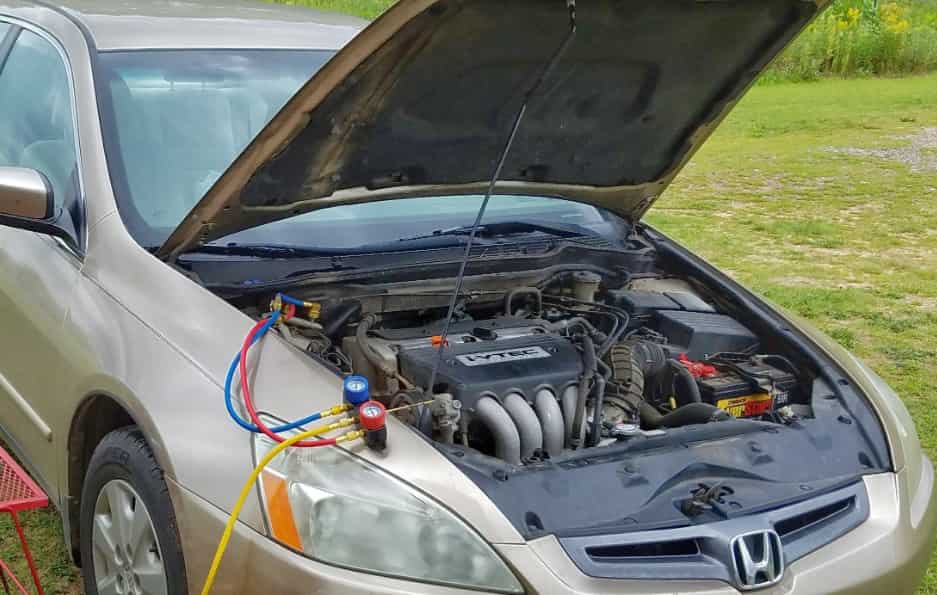
What Does an AC Compressor Do in a Honda Accord?
The AC compressor is one of the most important parts of the Honda Accord air conditioning system. Its main job is to compress and circulate refrigerant throughout the system. Without proper compressor operation, the AC system cannot remove heat from the cabin and create cool air.
The cooling process starts when the compressor receives power from the engine. It pressurizes the refrigerant and sends it toward the condenser. The condenser removes heat from the refrigerant before it moves through other AC components. The evaporator then uses the cooled refrigerant to lower the cabin temperature.
A healthy AC compressor helps maintain stable cooling performance in different driving conditions. It allows the air conditioning system to work efficiently during hot weather, long trips, and daily commutes. When the compressor begins to fail, the entire cooling process can become unstable.
Many Honda Accord owners assume that low cooling performance only comes from low refrigerant levels. However, problems with the compressor, clutch, electrical system, or internal components can create similar symptoms. A professional inspection can identify the actual cause before starting a Honda Accord AC Compressor Replacement.
Understanding how the compressor works makes it easier to recognize early warning signs. It also helps vehicle owners decide whether repair or replacement is the right solution for their Honda Accord.
Common Signs Your Honda Accord AC Compressor Needs Replacement
A failing AC compressor can affect your Honda Accord’s cooling performance in many ways. Recognizing the early warning signs can help you avoid more expensive repairs and prevent damage to other air conditioning components.
One of the most common symptoms is warm air coming from the vents. You may notice that the AC runs normally, but the cabin never reaches a comfortable temperature. This often happens when the compressor cannot create enough pressure to move refrigerant through the system.
Unusual noises can also indicate compressor problems. A damaged compressor may produce clicking, grinding, or squealing sounds when you turn on the AC. These noises often come from worn internal parts, a failing bearing, or a damaged compressor clutch.
Another warning sign appears when the AC compressor clutch does not engage. The clutch connects the compressor to the engine’s power supply. If it fails, the compressor cannot operate even when the AC system receives a signal.
Some Honda Accord owners may experience inconsistent cooling. The AC may blow cold air at certain times but lose performance during longer drives. This issue can point to internal compressor wear or pressure problems within the system.
When these symptoms appear, avoid replacing parts without proper diagnosis. A professional inspection can confirm whether your Honda Accord needs an AC Compressor Replacement or another type of AC repair.
Honda Accord AC Compressor Replacement Cost: Complete Price Breakdown
The cost of Honda Accord AC Compressor Replacement depends on several factors, including the compressor type, labor rates, and the condition of the entire air conditioning system. Most owners want to understand the total expense before they approve any repair work.
In general, a complete AC compressor replacement can cost between $600 and $1,500 or more. The compressor itself usually represents the largest part of the expense. A new unit may cost around $300 to $900, depending on whether you choose an OEM or aftermarket option.
Labor costs also affect the final price. Replacing an AC compressor requires technical knowledge, specialized tools, and several steps to complete correctly. Many repair shops charge between $200 and $600 for labor, depending on the Honda Accord model year and local service rates.
Additional services can increase the total repair cost. Technicians may recommend refrigerant recharge, system flushing, new seals, or inspections of related AC components. These steps help ensure that the new compressor works properly and prevents future problems.
Choosing the cheapest replacement option may seem attractive, but low quality parts can lead to repeated repairs. A reliable compressor with proper installation can provide better performance and long term value. Before choosing a repair service, compare part quality, warranty coverage, and technician experience to make a confident decision.
OEM vs Aftermarket Honda Accord AC Compressor: Which One Is Better?
Choosing the right replacement compressor is an important step during a Honda Accord AC Compressor Replacement. Many vehicle owners must decide between an OEM compressor and an aftermarket option. Each choice has different benefits depending on your budget, vehicle condition, and long term plans.
An OEM Honda Accord AC compressor comes from the original manufacturer or follows the same factory specifications. It offers excellent compatibility with your vehicle and usually provides consistent performance. OEM parts often cost more, but they can deliver better reliability and peace of mind, especially for newer Honda Accord models.
An aftermarket AC compressor provides a more affordable alternative. Many aftermarket brands offer replacement compressors with different price points and warranty options. This choice can work well for older Honda Accord vehicles or owners who want to reduce repair expenses. However, quality can vary between manufacturers, so selecting a trusted brand is important.
The best option depends on your specific situation. If you plan to keep your Honda Accord for many years, investing in a high quality compressor may provide better value. If your vehicle has higher mileage, an aftermarket compressor with a strong warranty may be a practical choice.
Before purchasing any replacement part, consider compatibility, warranty coverage, manufacturer reputation, and installation quality. A good compressor combined with proper installation can help your Honda Accord maintain reliable cooling performance.
Honda Accord AC Compressor Replacement Process Explained
A Honda Accord AC Compressor Replacement requires careful inspection and proper installation. The process involves more than simply removing the old compressor and installing a new one. Technicians must check the entire AC system to ensure the new component works correctly.
The first step involves diagnosing the AC system. A technician checks refrigerant pressure, electrical connections, compressor clutch operation, and other related components. This inspection helps confirm that the compressor is the actual source of the problem.
Next, the technician safely removes the refrigerant from the system. Proper refrigerant recovery protects the environment and prevents damage during the repair process. After that, the technician disconnects the AC lines, removes mounting bolts, and takes out the damaged compressor.
The new compressor installation requires careful attention. Technicians inspect the replacement unit, add the correct amount of compressor oil, and connect all components properly. They also check seals and related parts to reduce the risk of future refrigerant leaks.
After installation, the AC system needs a vacuum process and refrigerant recharge. This step removes moisture and prepares the system for proper cooling performance. The technician then tests the air temperature, system pressure, and overall operation.
A professional Honda Accord AC Compressor Replacement helps ensure long term reliability. Correct installation reduces the chance of repeated repairs and allows the vehicle’s air conditioning system to operate efficiently.
How Long Does Honda Accord AC Compressor Replacement Take?
The time required for a Honda Accord AC Compressor Replacement depends on several factors, including the vehicle model year, compressor location, and overall AC system condition. In most cases, professional technicians can complete the replacement within four to eight hours.
The replacement process takes time because technicians must complete several important steps. They need to inspect the AC system, recover refrigerant, remove the damaged compressor, install the new unit, and recharge the system. Each step requires accuracy to ensure proper cooling performance.
Some Honda Accord models may require more labor because of limited access to the compressor. Additional repairs can also increase the service time. For example, technicians may need to replace damaged seals, repair refrigerant leaks, or clean the AC system before installing the new compressor.
The availability of replacement parts can also affect the repair timeline. OEM compressors may require ordering, while some aftermarket options may be easier to find. Choosing the correct part before the repair begins can help reduce waiting time.
Although some repair shops may offer faster service, quality should remain the priority. A rushed installation can create future AC problems and increase repair costs. A complete inspection and proper installation process help ensure that your Honda Accord delivers reliable cooling after the compressor replacement.
Can You Replace a Honda Accord AC Compressor Yourself?
Some Honda Accord owners consider replacing the AC compressor themselves to save money on repair costs. While DIY repairs can reduce labor expenses, AC compressor replacement requires advanced skills, specialized tools, and proper knowledge of automotive air conditioning systems.
A successful Honda Accord AC Compressor Replacement involves more than basic mechanical work. You need equipment such as refrigerant recovery tools, a vacuum pump, and proper charging equipment. These tools help remove refrigerant safely and prepare the system for the new compressor.
DIY replacement also requires a good understanding of AC components. Incorrect installation can cause refrigerant leaks, compressor damage, or poor cooling performance. Adding the wrong amount of compressor oil or refrigerant can create additional problems and lead to expensive repairs.
For experienced automotive enthusiasts, replacing an AC compressor may be possible with the right preparation. However, many vehicle owners choose professional service because technicians can diagnose related issues and complete the repair correctly.
A professional mechanic can also inspect other AC components, including the condenser, evaporator, electrical system, and refrigerant lines. This inspection helps prevent future failures after the new compressor installation.
If you have limited experience with automotive AC systems, professional replacement is usually the safer choice. Proper installation can protect your investment and help your Honda Accord maintain reliable cooling performance for years.
How to Prevent Future Honda Accord AC Compressor Problems
A proper maintenance routine can help extend the life of your Honda Accord AC compressor and reduce the risk of unexpected repairs. Although compressors can fail due to age or internal wear, regular care can improve system reliability and cooling performance.
One of the most important steps is checking the AC system regularly. A technician can inspect refrigerant levels, pressure readings, and possible leaks before they create bigger problems. Low refrigerant levels can force the compressor to work harder and increase wear over time.
Replacing the cabin air filter is another simple maintenance step. A clean filter allows better airflow and reduces stress on the air conditioning system. Drivers should also run the AC system periodically, even during cooler months, to keep internal components lubricated and active.
Pay attention to unusual sounds, weak cooling, or changes in AC performance. Small problems can become expensive repairs when ignored for too long. Early diagnosis can help prevent damage to other components, such as the condenser or refrigerant lines.
Following these maintenance habits can improve the lifespan of your Honda Accord AC system. Regular inspections, proper refrigerant levels, and quick attention to warning signs can help you avoid premature AC compressor failure.
Conclusion
A reliable air conditioning system plays an important role in Honda Accord comfort and driving satisfaction. When the AC compressor fails, understanding the symptoms, costs, and replacement process can help you make a better repair decision.
Honda Accord AC Compressor Replacement involves several important factors, including part quality, labor costs, installation procedures, and long term maintenance. Choosing the right compressor and working with a qualified technician can improve performance and reduce the chance of future problems.
If your Honda Accord shows signs of compressor failure, such as warm air, unusual noises, or inconsistent cooling, a professional inspection can identify the real cause. Taking action early can help you avoid more expensive repairs and restore comfortable driving conditions.
With proper care and timely service, your Honda Accord air conditioning system can continue to provide reliable cooling for many years.