A fuel additive can help reduce the risk of vapor lock when fuel volatility and vapor formation contribute to the problem, but it cannot correct every cause of vapor lock. Vapor lock occurs when liquid fuel becomes vapor inside the fuel delivery system before reaching the engine. The resulting vapor can interrupt normal fuel flow, causing hard starting, power loss, rough operation, or engine stalling.
Fuel temperature, fuel pressure, gasoline volatility, and underhood heat determine how easily vapor forms in the fuel system. This problem is particularly relevant to some carbureted engines and classic cars that use mechanical fuel pumps and relatively low fuel pressure. High ambient temperatures and heat soak after the engine stops can further increase fuel temperature and make vapor formation more likely.
The effectiveness of a fuel additive therefore depends on the actual cause of the vapor lock. An appropriate additive may help when fuel characteristics contribute to excessive vaporization. However, an additive will not repair a weak fuel pump, correct improper fuel line routing, or remove excessive heat from the fuel system. This article explains how fuel additives relate to vapor lock, which types are relevant, how to use them correctly, and when physical changes to the fuel system provide a more effective solution.
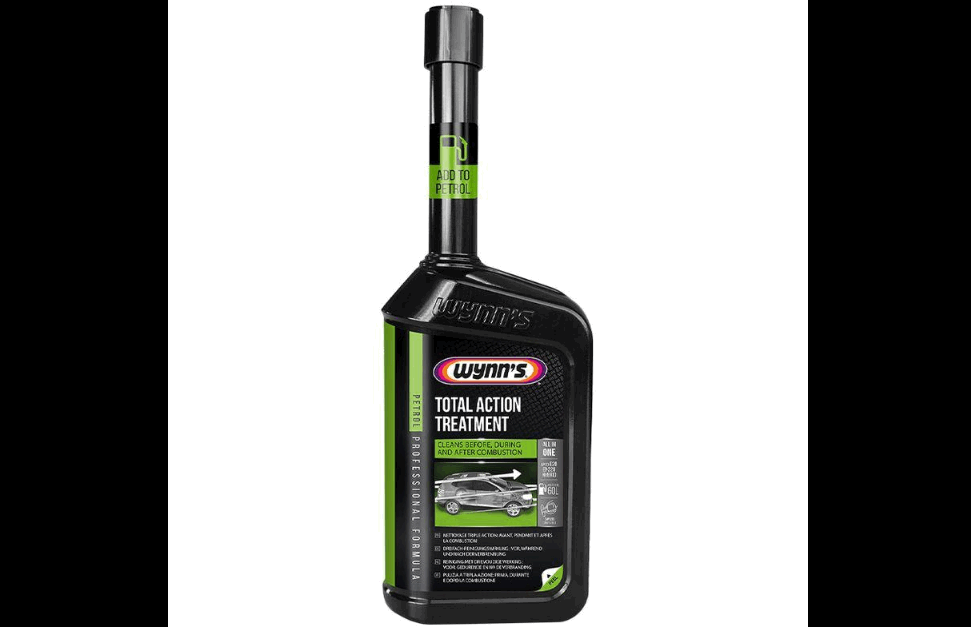
Does a Fuel Additive to Prevent Vapor Lock Actually Work?
A fuel additive can help prevent vapor lock when gasoline vaporizes too easily at high temperatures. However, its effectiveness depends on the cause of the problem. The right additive may influence fuel behavior and reduce excessive vapor formation. It cannot correct mechanical faults or excessive heat around the fuel system.
Vapor lock occurs when liquid gasoline turns into vapor before it reaches the carburetor or engine. This vapor disrupts normal fuel flow and can cause the engine to lose power or stall. High fuel temperatures and low fuel pressure increase this risk. Carbureted engines can face a greater risk because they often use relatively low fuel pressure.
Not every fuel additive helps with vapor lock. Manufacturers formulate additives for different purposes, including fuel stabilization, injector cleaning, octane improvement, and corrosion control. These functions do not automatically reduce fuel vaporization. Drivers should choose an additive that specifically addresses fuel behavior under hot operating conditions.
Fuel additives also have clear limitations. They cannot repair a weak fuel pump or move fuel lines away from hot exhaust components. They also cannot solve excessive heat soak inside the engine compartment. These problems require changes to the fuel system or heat management.
For this reason, use a suitable fuel additive as one part of a vapor lock prevention strategy. Check fuel temperature, pressure, line routing, and pump condition when the problem continues. This approach targets both fuel related causes and physical fuel system problems.
What Causes Vapor Lock in a Fuel System?
Vapor lock occurs when excessive heat causes liquid fuel to form vapor inside the fuel delivery system. The vapor interrupts the steady flow of gasoline to the engine. As fuel delivery drops, the engine may lose power, run roughly, stall, or become difficult to restart.
Four main factors increase the risk of vapor lock: fuel temperature, fuel pressure, gasoline volatility, and fuel system design. High temperatures make gasoline vaporize more easily. Low fuel pressure also allows vapor to form at a lower temperature. Gasoline volatility affects how readily the fuel changes from liquid to vapor. Fuel system design determines how much heat the gasoline absorbs before reaching the engine.
Engine heat can raise fuel temperature as gasoline travels through lines near the exhaust manifold or other hot components. Heat soak can create another problem after the engine stops. Airflow under the hood decreases, but hot engine parts continue to release heat. The trapped heat can warm the fuel lines and carburetor.
Carbureted engines with mechanical fuel pumps can face a higher risk under these conditions. The pump draws gasoline from the tank through part of the fuel line. Low pressure on the inlet side can encourage vapor formation when the fuel becomes hot.
Vapor lock therefore results from the relationship between heat, pressure, fuel properties, and system design. Identifying which factor causes excessive vapor formation helps determine whether a fuel additive can help or whether the fuel system needs a physical correction.
How Does a Fuel Additive Help Prevent Vapor Lock?
A fuel additive may help prevent vapor lock by changing fuel behavior under conditions that promote excessive vapor formation. The exact effect depends on the additive formula. It also depends on the gasoline and operating conditions. For this reason, drivers should choose a product specifically intended for the relevant fuel problem.
Fuel volatility plays a major role in vapor formation. More volatile gasoline changes from liquid to vapor more readily under suitable heat and pressure conditions. High underhood temperatures can increase this effect. Low pressure in part of the fuel system can also make vapor formation easier. Together, these conditions can interrupt the supply of liquid gasoline to the engine.
Vapor pressure provides another useful way to understand this process. Gasoline with higher vapor pressure tends to evaporate more readily at a given temperature. Reid Vapor Pressure, or RVP, measures gasoline vapor pressure under standardized test conditions. Fuel suppliers adjust gasoline volatility for seasonal conditions, so fuel behavior can change throughout the year.
A suitable additive must address a fuel property that contributes to the problem. Products that only clean deposits or raise octane do not automatically prevent vapor lock. Octane rating describes resistance to engine knock, while volatility describes how readily fuel forms vapor. These properties serve different functions.
Fuel additives work best when fuel characteristics contribute to vapor lock. They offer less value when excessive heat or a mechanical fault causes the problem. Drivers should therefore identify the cause before relying on an additive as the primary solution.
What Type of Fuel Additive Helps Prevent Vapor Lock?
A fuel additive that specifically addresses excessive fuel vaporization offers the most relevant option for vapor lock prevention. Drivers should check the product’s stated purpose and fuel compatibility before using it. Fuel stabilizers, octane boosters, and fuel system cleaners serve different functions. Their presence in gasoline does not mean they will prevent vapor lock.
Vapor lock additives should target fuel behavior under high temperature conditions. This function matters because hot gasoline can form vapor before it reaches the engine. The vapor then reduces the supply of liquid fuel. An appropriate additive may help control this process when fuel properties contribute to the problem. Drivers should follow the product label to confirm its intended application.
Fuel stabilizers mainly protect gasoline during storage. They help limit fuel degradation and support longer storage periods. These functions can benefit classic cars that remain unused for extended periods. However, fuel stabilization does not automatically control the conditions that cause vapor lock.
Octane boosters perform another function. They increase the fuel’s resistance to engine knock. Higher octane does not directly mean lower volatility or better vapor lock protection. Drivers should not choose an octane booster solely because an engine experiences vapor lock.
Fuel system cleaners also target a different problem. They help control deposits in parts of the fuel system but do not inherently change vapor formation. Choose an additive based on its stated function rather than its general classification as a fuel treatment. This distinction prevents drivers from treating unrelated fuel additives as universal vapor lock solutions.
How Should You Use a Fuel Additive to Prevent Vapor Lock?
Use a fuel additive for vapor lock according to the manufacturer’s dosage, fuel volume, and compatibility instructions. The correct amount depends on the product formula and the amount of gasoline in the tank. Drivers should not use one mixing ratio for every fuel additive.
Start by confirming that the additive suits the fuel type and fuel system. Some products target specific gasoline formulations or engine applications. Classic cars may also contain older fuel system materials. Check product compatibility before adding any treatment to the tank.
Next, calculate the dosage from the actual amount of gasoline. A manufacturer may specify a certain quantity of additive for a defined fuel volume. Follow that ratio instead of estimating the concentration. Adding extra treatment does not guarantee stronger protection against vapor lock.
Mixing also affects proper use. Add the product according to its label instructions so it can disperse through the gasoline. Some manufacturers recommend adding the treatment before refueling because incoming gasoline helps mix the additive throughout the tank. Follow the instructions for the specific product rather than assuming every additive works the same way.
Finally, monitor the engine after treatment. Check whether hot starting, stalling, or fuel delivery problems continue under similar conditions. Persistent symptoms can indicate excessive fuel temperature, low pressure, poor fuel line routing, or a weak pump. In that situation, adding more treatment may not solve the problem. Inspect the fuel system and correct the underlying cause instead.
Can Fuel Additives Prevent Vapor Lock in Carbureted Engines and Classic Cars?
Fuel additives can help reduce vapor lock in some carbureted engines and classic cars when fuel vaporization contributes to the problem. However, older fuel systems often have physical conditions that increase fuel temperature or reduce fuel pressure. An additive cannot correct these conditions by itself.
Many classic cars use a carburetor and a mechanical fuel pump. The pump draws gasoline from the fuel tank toward the engine. This arrangement can create relatively low pressure on the pump inlet side. Lower pressure makes hot gasoline more likely to form vapor. The risk increases when fuel lines pass close to exhaust components or other major heat sources.
Underhood heat creates another challenge. A running engine produces heat around the carburetor, fuel lines, and fuel pump. Heat soak can raise temperatures further after the engine stops. Gasoline inside these components may absorb enough heat to increase vapor formation. The driver may then experience hard starting or stalling when the engine remains hot.
A suitable fuel additive may help when gasoline characteristics contribute to this process. However, repeated vapor lock requires a broader inspection. Check the fuel pump, fuel pressure, fuel line location, and nearby heat sources. Older hoses and other fuel system components may also require attention.
For classic cars, effective vapor lock prevention often combines appropriate fuel selection with proper heat and fuel delivery management. Use an additive when its intended function matches the problem. Correct mechanical or thermal causes when the fuel system itself creates the conditions for vapor lock.
Does Ethanol in Gasoline Increase the Risk of Vapor Lock?
Ethanol in gasoline can affect vapor lock risk because it changes the volatility and vapor behavior of the fuel blend. However, ethanol content alone does not determine whether vapor lock will occur. Fuel formulation, temperature, pressure, and fuel system design also influence vapor formation.
Gasoline contains several components that evaporate at different temperatures. Adding ethanol changes how these components behave as a mixture. The resulting volatility depends on the complete fuel formulation rather than one ingredient. Seasonal gasoline specifications also influence vapor pressure. For this reason, two gasoline blends can behave differently under the same engine conditions.
Older carbureted fuel systems deserve particular attention. Many classic cars use fuel systems that operate at relatively low pressure. Their fuel lines may also run close to hot engine or exhaust components. These conditions allow gasoline to absorb more heat before it reaches the carburetor. Fuel composition can become an additional factor when the system already operates near conditions that promote vapor formation.
Ethanol free gasoline may help in some applications, but switching fuel does not guarantee vapor lock prevention. A hot fuel line, weak fuel pump, or inadequate fuel pressure can still cause problems. Drivers should evaluate the complete fuel system instead of treating ethanol as the only cause.
A fuel additive should follow the same principle. Choose it according to its stated effect on fuel behavior and its compatibility with the gasoline. When vapor lock continues, inspect heat exposure, fuel pressure, and fuel delivery before changing the additive concentration.
Why Can Vapor Lock Continue After Using a Fuel Additive?
Vapor lock can continue after using a fuel additive when heat, low fuel pressure, or a mechanical problem remains in the fuel system. An additive only affects the functions covered by its formulation. It cannot correct the physical conditions that cause gasoline to vaporize before reaching the engine.
Five common conditions can allow vapor lock to continue. Excessive fuel line heat is one of the main causes. Fuel lines near an exhaust manifold or another hot component absorb more heat. As fuel temperature rises, gasoline becomes more likely to form vapor inside the line.
Poor fuel line routing creates a similar problem. A line that passes through a high temperature area exposes gasoline to heat for longer periods. Low fuel pressure can further increase the risk because gasoline can form vapor more easily under lower pressure. These conditions can work together during hot weather or heavy engine operation.
A weak fuel pump can also reduce reliable fuel delivery. The problem becomes more noticeable when the engine and fuel system become hot. Adding more fuel treatment will not restore the performance of a failing pump.
Heat soak provides the fifth common cause. Engine components continue releasing stored heat after the driver turns off the engine. At the same time, airflow through the engine compartment decreases. Fuel inside the lines and carburetor can then reach higher temperatures.
Persistent vapor lock therefore requires an inspection of fuel temperature, pressure, line routing, and pump condition. Correct the physical cause when the fuel system continues producing vapor despite using an appropriate additive.
How Can You Prevent Vapor Lock If a Fuel Additive Does Not Work?
Prevent vapor lock by reducing fuel temperature and maintaining proper fuel delivery when an additive does not solve the problem. The most effective correction depends on where vapor forms and why the fuel becomes too hot. Fuel line routing, heat protection, fuel pressure, and pump condition deserve particular attention.
Start by checking the fuel line location. Fuel lines should avoid unnecessary exposure to exhaust manifolds, headers, and other high temperature components. Increasing the distance from these heat sources reduces heat transfer into the gasoline. Proper routing can therefore lower the chance of fuel vaporizing before it reaches the engine.
Heat protection can provide additional control. Suitable fuel line insulation limits heat transfer from the surrounding engine compartment. A heat shield can also block radiant heat between a hot component and the fuel system. These methods target temperature directly rather than changing fuel properties.
Next, check fuel pressure and pump performance. A weak pump may struggle to maintain reliable fuel delivery when temperatures rise. Correct fuel pressure helps the system deliver liquid gasoline consistently. Any repair or pressure adjustment should remain within the specifications for the engine and fuel system.
Finally, inspect the complete fuel delivery path for restrictions or other faults. A fuel additive cannot correct damaged components or poor system design. When physical conditions cause vapor lock, correcting those conditions provides a more direct solution. Combining proper heat management with reliable fuel delivery reduces the conditions that allow vapor to interrupt fuel flow.
How Do You Know If the Engine Actually Has Vapor Lock?
You can identify possible vapor lock by checking when the symptoms occur and whether heat affects fuel delivery. Common signs include engine stalling when hot, difficult hot starts, temporary power loss, and normal operation after the engine cools. These patterns can indicate excessive vapor inside the fuel system.
Engine temperature provides an important clue. Vapor lock often appears after the engine reaches operating temperature or sits in hot weather. Heat soak can also trigger symptoms shortly after shutdown. The engine may start normally when cold but become difficult to restart while hot. Cooling the fuel system may temporarily restore normal operation.
Fuel delivery offers another clue. Vapor inside a fuel line can interrupt the flow of liquid gasoline to the carburetor or engine. The resulting fuel shortage may cause hesitation, rough operation, or stalling. Carbureted engines can show these symptoms when fuel temperature rises and pressure remains relatively low.
However, several other faults can produce similar symptoms. A weak fuel pump can reduce fuel delivery as operating conditions change. A clogged fuel filter can restrict gasoline flow. Carburetor faults can affect the fuel mixture, while ignition problems can cause hot starting or stalling issues.
For this reason, symptoms alone do not confirm vapor lock. Check fuel delivery, pump condition, fuel line temperature, and ignition operation before choosing a treatment. Accurate diagnosis helps determine whether a fuel additive addresses the problem or whether the engine requires a mechanical repair.
When Should You Use a Fuel Additive for Vapor Lock?
Use a fuel additive for vapor lock when fuel characteristics contribute to excessive vapor formation and the product addresses that specific problem. First confirm that the symptoms point to vapor lock. Then check whether heat, fuel pressure, or a mechanical fault requires attention.
An additive makes the most sense when the fuel system works correctly but operating conditions encourage fuel vaporization. Hot weather and high underhood temperatures can increase this risk. Some carbureted engines and classic cars may experience the problem more easily because they operate with relatively low fuel pressure. Choose a product that matches the fuel type and intended application in these situations.
Use an additive with physical corrections when both fuel behavior and system conditions contribute to vapor lock. For example, a fuel line may absorb excessive heat near an exhaust component. Moving or insulating the line addresses the heat source directly. An appropriate additive can support the overall prevention strategy when fuel properties also contribute to vapor formation.
Do not rely on an additive when the fuel system has a mechanical fault. A weak fuel pump, restricted fuel flow, or incorrect fuel pressure requires diagnosis and repair. Adding more treatment will not restore a damaged component.
The correct decision depends on the cause of the vapor lock. Use an appropriate additive for fuel related causes. Combine it with heat management when both factors contribute to the problem. Repair mechanical faults when the fuel delivery system causes the symptoms.
Conclusion
A fuel additive can help prevent vapor lock when fuel properties contribute to excessive vapor formation. However, the additive must match the fuel type and the actual cause of the problem. No fuel treatment can correct every condition that leads to vapor lock.
Effective prevention starts with an accurate diagnosis. Check when the symptoms occur and determine whether heat affects fuel delivery. Then inspect fuel pressure, pump condition, fuel line routing, and nearby heat sources. These checks help separate fuel related vaporization from mechanical problems that require repair.
Use an appropriate fuel additive when its intended function addresses the relevant fuel behavior. Follow the manufacturer’s dosage and compatibility instructions. Avoid using extra additive when symptoms continue because a higher concentration does not correct excessive heat or a failing component.
Persistent vapor lock requires attention to the fuel system itself. Reducing heat exposure, maintaining correct fuel pressure, and ensuring reliable fuel delivery address the conditions that allow vapor to form. Carbureted engines and classic cars may require particular attention because their fuel systems can operate under conditions that favor vaporization.
The best approach combines the right fuel treatment with proper fuel system maintenance when both factors contribute to vapor lock.