Ford IDS Program is an OEM diagnostic solution for Ford vehicles. Ford technicians and automotive professionals use this system to identify faults, communicate with vehicle modules, and complete advanced programming tasks.
Ford IDS means Ford Integrated Diagnostic System. The software connects with Ford vehicle control modules through communication devices such as the Vehicle Communication Module (VCM and VCM II). It allows technicians to access manufacturer specific diagnostic functions.
Modern Ford vehicles use many electronic control modules. These include the Powertrain Control Module (PCM), Transmission Control Module (TCM), and Body Control Module (BCM). Each module controls specific vehicle operations and requires accurate diagnostic procedures.
Ford IDS Program helps repair professionals perform detailed system checks, module programming, software updates, and configuration procedures. Generic scan tools often cannot access the same level of manufacturer specific functions.
This guide explains Ford IDS Program, its main features, required hardware, diagnostic capabilities, and practical applications. It helps technicians understand when Ford IDS provides value during Ford vehicle repair and maintenance.
What Is Ford IDS Program and How Does It Work?
Ford IDS Program is Ford’s Integrated Diagnostic System that helps technicians diagnose, configure, and program Ford vehicles. The system connects a computer running IDS software with vehicle control modules through a communication interface such as the Vehicle Communication Module (VCM or VCM II). This connection allows technicians to communicate directly with electronic systems inside Ford vehicles.
Ford developed IDS to provide access to manufacturer specific diagnostic functions. Unlike basic scan tools that mainly read and clear fault codes, Ford IDS can perform deeper system analysis. The software communicates with modules such as the Powertrain Control Module (PCM), Transmission Control Module (TCM), and Body Control Module (BCM) to collect information and execute service procedures.
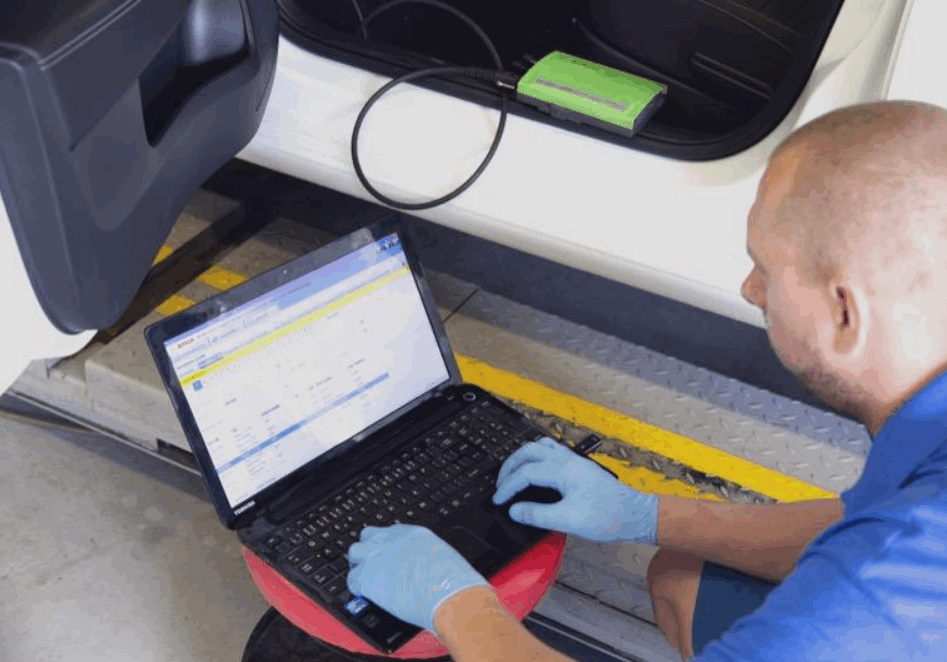
The working process of Ford IDS follows a structured diagnostic workflow. First, the technician connects the VCM interface to the vehicle’s diagnostic port and launches the IDS software on a compatible computer. The system then identifies the vehicle and retrieves information from connected control modules. After collecting data, IDS allows technicians to analyze fault codes, monitor live parameters, perform component tests, and complete required programming procedures.
Ford IDS also supports module configuration after component replacement. When a technician installs a new electronic module, the system can transfer required settings and software information to ensure proper vehicle operation. This function makes Ford IDS valuable for complex repairs that require communication between multiple vehicle systems.
What Functions Does Ford IDS Program Provide for Vehicle Diagnostics?
Ford IDS Program provides diagnostic functions that help technicians identify vehicle problems and complete repair procedures with higher accuracy. The system gives access to Ford electronic control modules and allows technicians to analyze vehicle data beyond basic fault code reading.
One of the main functions of Ford IDS is Diagnostic Trouble Code (DTC) analysis. The software reads error codes stored inside vehicle modules and provides information about possible system failures. For example, a technician can check fault codes from the PCM when the engine system shows performance issues or from the ABS module when the braking system detects a problem.
Ford IDS also supports live data monitoring. This function allows technicians to view real time information from vehicle sensors and control modules. Parameters such as engine temperature, fuel system data, transmission values, and sensor signals help technicians compare actual vehicle conditions with expected operating values.
Another important function is component testing. Ford IDS allows technicians to activate specific vehicle components and observe their responses. This process helps confirm whether a problem comes from an electrical component, wiring issue, or control module failure.
The software also provides module identification and vehicle configuration information. Technicians can check installed modules, software versions, calibration details, and communication status. This information becomes important during repairs that involve replacing or updating electronic components.
Ford IDS connects these diagnostic functions into a complete repair workflow. Instead of relying only on symptoms, technicians can use vehicle data, module information, and manufacturer procedures to identify the root cause of problems. This approach reduces unnecessary part replacement and improves diagnostic accuracy.
How Does Ford IDS Program Perform ECU Programming and Module Configuration?
Ford IDS Program performs ECU programming and module configuration by connecting directly with vehicle control modules and transferring the correct software data. This function allows technicians to update, replace, and configure electronic systems according to Ford service requirements.
Electronic Control Units (ECUs) manage important vehicle operations. These include engine control, transmission operation, safety systems, and body functions. When a technician replaces an ECU, the new module often requires software updates and configuration settings before the vehicle can operate correctly. Ford IDS helps complete this process through guided programming procedures.
The ECU programming process begins when Ford IDS identifies the vehicle information and connected module. The software checks the current module data, compares available calibration information, and determines whether an update or configuration procedure is required. The technician then follows the programmed steps to install the correct software and settings.
Ford IDS also supports module replacement procedures. For example, when a technician replaces a Powertrain Control Module (PCM), the system can transfer required vehicle information and configure the new module. The same process applies to other components such as the Transmission Control Module (TCM) and Body Control Module (BCM).
Module configuration is another important function of Ford IDS. Some vehicle systems require specific parameter settings after repairs or component replacement. The software helps technicians restore communication between modules and ensure that each system works according to factory specifications.
These programming capabilities make Ford IDS different from standard diagnostic scanners. A basic scanner can identify problems, but Ford IDS can also support the software level changes required for advanced Ford vehicle repairs.
What Hardware Is Required to Use Ford IDS Program?
Ford IDS Program requires specific hardware components to communicate with Ford vehicles and perform advanced diagnostic functions. The main hardware requirement includes a compatible computer, a Vehicle Communication Module (VCM or VCM II), and a stable connection between the diagnostic system and the vehicle.
A computer runs the Ford IDS software and manages communication between the technician and the vehicle. The computer must meet software requirements for operating system compatibility, processing performance, and data storage. A reliable computer setup helps the diagnostic process run smoothly during vehicle analysis and programming procedures.
The Vehicle Communication Module acts as the communication bridge between Ford IDS software and the vehicle network. The device connects to the vehicle through the diagnostic port and transfers data between electronic control modules and the computer. Without a compatible communication interface, Ford IDS cannot access vehicle systems or perform programming operations.
Technicians commonly use VCM II with Ford IDS because it supports communication with many Ford vehicle systems. The interface allows the software to read module information, monitor vehicle data, and complete configuration procedures. It also supports communication protocols required by Ford electronic systems.
A stable power supply is also important during programming tasks. ECU programming can take several minutes, and power interruption may affect the process. Professional repair facilities often use battery support equipment to maintain consistent vehicle voltage during module updates.
The combination of Ford IDS software, a compatible computer, VCM or VCM II hardware, and stable power management creates a complete diagnostic environment for Ford vehicle repair.
What Is the Role of VCM II in Ford IDS Diagnostics?
VCM II is the communication interface that connects Ford IDS software with vehicle control modules. It transfers diagnostic information between the computer and the vehicle network, allowing technicians to access Ford electronic systems.
When a technician connects VCM II to the vehicle’s diagnostic port, the device communicates with modules such as PCM, TCM, ABS, and BCM. It allows Ford IDS to retrieve fault codes, display live data, and perform programming procedures.
VCM II plays an important role during advanced repairs because many Ford service functions require direct communication with vehicle modules. Without this interface, technicians cannot perform manufacturer level diagnostics or module configuration through Ford IDS.
Who Uses Ford IDS Program and When Is It Needed?
Ford IDS Program is mainly used by Ford dealerships, professional automotive technicians, and advanced repair facilities that need manufacturer level diagnostic capabilities. These users rely on IDS when standard scan tools cannot provide enough information for accurate diagnosis or advanced repair procedures.
Ford dealerships use Ford IDS as part of their factory supported service workflow. The system helps technicians follow Ford specific diagnostic procedures, access vehicle modules, and perform software related operations. Dealership technicians often use IDS when they need accurate communication with complex electronic systems.
Independent repair shops also use Ford IDS when they service Ford vehicles that require OEM diagnostic functions. Many modern vehicles contain multiple connected modules that control engine performance, transmission operation, safety systems, and comfort features. A generic scanner may identify a fault code, but Ford IDS provides deeper access to module data and repair procedures.
Ford IDS becomes necessary during several types of repair situations. These include ECU replacement, module programming, software updates, electrical fault diagnosis, and complex communication problems between vehicle systems. For example, replacing a PCM requires programming and configuration to match the vehicle specifications.
Technicians also use Ford IDS when they need reliable information before replacing expensive components. By analyzing live data, module communication, and diagnostic procedures, they can confirm the actual cause of a problem instead of replacing parts based only on symptoms.
Ford IDS is most valuable when a repair requires direct interaction with Ford electronic systems. It supports technicians who work with advanced vehicle technology and need accurate diagnostic information for professional repairs.
What Are the Advantages of Using Ford IDS Program Compared With Generic Scan Tools?
Ford IDS Program provides deeper diagnostic access than generic scan tools because it works with Ford specific systems and manufacturer procedures. Generic scanners usually focus on basic functions such as reading and clearing Diagnostic Trouble Codes (DTCs). Ford IDS offers additional capabilities that support advanced diagnosis, programming, and configuration.
One major advantage of Ford IDS is direct access to Ford control modules. Modern Ford vehicles use multiple electronic systems that communicate through vehicle networks. IDS can communicate with modules such as PCM, TCM, BCM, ABS, and other vehicle systems. This access allows technicians to analyze detailed information that basic diagnostic tools may not display.
Ford IDS also provides manufacturer specific service functions. These functions include module programming, software updates, configuration procedures, and guided diagnostic tests. For example, when a technician replaces an electronic control module, IDS can help install the correct software and restore required settings.
Another advantage is diagnostic accuracy. Generic scan tools often provide fault codes without detailed repair guidance. Ford IDS combines vehicle information, module data, and Ford service procedures to help technicians identify the actual source of a problem. This reduces unnecessary component replacement and improves repair efficiency.
However, Ford IDS is designed for Ford vehicle systems and professional repair environments. A generic scanner may be more practical for basic maintenance tasks because it supports multiple vehicle brands and requires less specialized knowledge.
The difference between Ford IDS and generic scan tools depends on the repair requirement. For advanced Ford diagnostics, module programming, and OEM level procedures, Ford IDS provides capabilities that standard scanners cannot replace.
Is Ford IDS Program Still Used for Modern Ford Vehicles?
Ford IDS Program is still used for many Ford vehicles, but newer models increasingly use Ford’s latest diagnostic platform, Ford FDRS. The transition between these systems depends on vehicle generation, software requirements, and the diagnostic procedures that technicians need to perform.
Ford IDS remains important because many existing Ford vehicles were developed around IDS compatible systems. Technicians still use the software for tasks such as module diagnostics, configuration, and programming on supported models. Repair facilities that service older Ford vehicles often maintain IDS equipment because it provides access to required OEM functions.
Newer Ford vehicles use more advanced electronic architectures and require updated diagnostic solutions. Ford introduced FDRS as a next generation platform to support newer vehicle systems, cloud based functions, and expanded diagnostic capabilities. This change reflects the increasing complexity of modern vehicles and their connected electronic networks.
The relationship between Ford IDS and FDRS depends on the specific vehicle. Some models require IDS for certain procedures, while newer models require FDRS for complete diagnostic coverage. Technicians need to identify the vehicle platform and service requirements before selecting the correct diagnostic software.
Ford IDS remains valuable because many repair shops continue to work with vehicles that require this system. Understanding the difference between IDS and newer Ford diagnostic platforms helps technicians choose the correct tool for efficient and accurate vehicle service.
Should You Use Ford IDS Program for Professional Ford Diagnostics?
Ford IDS Program remains a valuable diagnostic solution for professionals who work with supported Ford vehicles. The system provides access to manufacturer specific functions that help technicians diagnose faults, communicate with control modules, and complete advanced programming procedures.
Ford IDS is especially useful for repair tasks that require more than basic fault code reading. Functions such as ECU programming, module configuration, live data analysis, and guided diagnostic procedures make it suitable for dealerships and professional repair facilities.
However, the decision to use Ford IDS depends on the vehicles being serviced and the required repair operations. Technicians working mainly with newer Ford models may need newer platforms such as Ford FDRS, while repair shops supporting older compatible vehicles can still benefit from IDS capabilities.
A complete Ford diagnostic workflow requires the right combination of software, communication hardware, and technical knowledge. When technicians use Ford IDS with compatible equipment such as VCM II, they can perform accurate diagnostics and maintain complex Ford electronic systems more effectively.