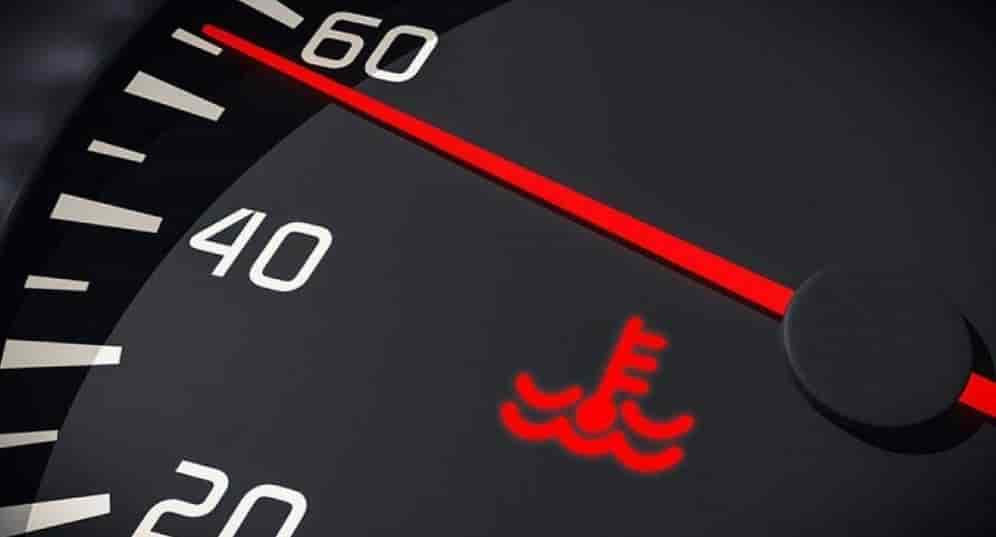
Many drivers feel worried when they see the Ford Fusion Engine Coolant Over Temperature warning on the dashboard. This message signals that the engine temperature has risen beyond a safe level. If you ignore the problem, the engine may suffer serious damage.
Your vehicle depends on the cooling system to control engine heat. This system moves coolant through the engine and radiator. It keeps the temperature stable while the car runs. When a component fails, the engine can heat up quickly. The dashboard then displays the Ford Fusion Engine Coolant Over Temperature warning.
Several issues can trigger this problem. Low coolant levels often cause overheating. A stuck thermostat can also block coolant flow. In other cases, the radiator fan may stop working. A faulty coolant temperature sensor can also send incorrect signals to the system.
Drivers should never ignore this warning. Continuous overheating can damage the head gasket, warp engine parts, or destroy the engine.
This guide explains the common causes of the Ford Fusion Engine Coolant Over Temperature warning. You will also learn practical solutions and simple maintenance tips that help prevent engine overheating in the future.
Contents
- What Does Engine Coolant Over Temperature Mean on a Ford Fusion
- Common Causes of Ford Fusion Engine Coolant Over Temperature
- What to Do When Your Ford Fusion Shows Engine Coolant Over Temperature
- How to Fix Ford Fusion Engine Coolant Over Temperature
- Repair Cost for Ford Fusion Overheating Problems
- How to Prevent Engine Overheating in Ford Fusion
- Conclusion
What Does Engine Coolant Over Temperature Mean on a Ford Fusion
The Ford Fusion Engine Coolant Over Temperature warning appears when the engine temperature rises above the safe operating range. The vehicle computer monitors temperature through sensors placed inside the engine and cooling system. When the temperature becomes too high, the system displays this warning on the dashboard to alert the driver. This message helps protect the engine from serious damage.
The cooling system plays an essential role in controlling engine heat. Coolant circulates through the engine to absorb excess heat produced during combustion. The water pump moves the coolant through the engine and into the radiator. The radiator then releases the heat into the air as the vehicle moves or when the cooling fan operates. This process keeps the engine working at a stable temperature under normal driving conditions.
Several components help regulate this process. The thermostat controls when coolant flows through the radiator. When the engine is cold, the thermostat stays closed to help the engine warm up faster. Once the temperature rises, the thermostat opens and allows coolant to circulate through the radiator. Cooling fans also assist by pulling air through the radiator when the car moves slowly or stops in traffic.
When any part of this system fails, the engine temperature can increase quickly. Low coolant levels, a malfunctioning thermostat, a damaged radiator, or a faulty cooling fan can all trigger the Ford Fusion Engine Coolant Over Temperature warning. Drivers may also notice signs such as rising temperature gauges, steam from the engine bay, or a noticeable loss of engine power. Recognizing these symptoms early can help prevent serious engine damage and costly repairs.
Common Causes of Ford Fusion Engine Coolant Over Temperature
Several issues can trigger the Ford Fusion Engine Coolant Over Temperature warning. Most of these problems come from failures within the cooling system. When one component stops working correctly, the engine may lose its ability to control heat.
Low coolant level is one of the most common causes of overheating. Coolant absorbs heat from the engine and carries it to the radiator. If the coolant level drops too low, the system cannot remove heat efficiently. Leaks in hoses, the radiator, or the coolant reservoir often cause this problem. Drivers who skip regular maintenance may also face low coolant levels.
A faulty thermostat can also cause the Ford Fusion Engine Coolant Over Temperature warning. The thermostat controls coolant flow between the engine and the radiator. If it becomes stuck in the closed position, coolant cannot reach the radiator. As a result, heat builds up inside the engine and causes overheating.
Radiator problems are another common reason for rising engine temperature. Dirt, debris, or corrosion inside the radiator can block proper coolant flow. When this happens, the radiator cannot release heat effectively. A damaged radiator fan can create similar issues, especially during slow driving or heavy traffic when airflow is limited.
The water pump also plays a critical role in the cooling system. This component pushes coolant through the engine and radiator. If the water pump fails, coolant circulation stops. Without proper circulation, the engine temperature rises quickly.
In some cases, the problem comes from a faulty coolant temperature sensor. This sensor sends temperature data to the vehicle computer. If it sends incorrect readings, the system may trigger the Ford Fusion Engine Coolant Over Temperature warning even when the cooling system still functions normally.
Understanding these causes helps drivers identify the source of the problem before serious engine damage occurs.
What to Do When Your Ford Fusion Shows Engine Coolant Over Temperature
When the Ford Fusion Engine Coolant Over Temperature warning appears, drivers should react quickly and stay calm. This warning indicates that the engine temperature has reached a dangerous level. Continuing to drive without taking action can cause severe engine damage.
The first step is to reduce engine load. Turn off the air conditioning and slow down if you are driving. If possible, find a safe place to pull over. Stopping the vehicle prevents the engine from generating more heat.
After stopping the car, turn off the engine and allow it to cool down. Opening the hood can help release heat faster, but drivers should avoid touching engine components while they are still hot. It is important to wait until the engine temperature drops before checking anything inside the engine bay.
Once the engine cools, check the coolant level in the reservoir. A low coolant level often causes overheating. If the coolant is below the recommended level, adding coolant may help restore normal operation. Drivers should also look for visible leaks around hoses, the radiator, or the coolant reservoir.
In some situations, the radiator fan may not operate correctly. If the fan fails to turn on when the engine becomes hot, the cooling system may struggle to remove heat. Electrical problems or worn components can cause this issue.
If the Ford Fusion Engine Coolant Over Temperature warning continues to appear after adding coolant or allowing the engine to cool, professional inspection is necessary. A qualified mechanic can diagnose problems related to the thermostat, water pump, radiator, or temperature sensor. Early diagnosis helps prevent expensive repairs and protects the engine from long term damage.
How to Fix Ford Fusion Engine Coolant Over Temperature
Fixing the Ford Fusion Engine Coolant Over Temperature problem requires identifying the exact cause within the cooling system. Once drivers understand the source of the issue, they can apply the correct repair and restore normal engine temperature.
One of the simplest solutions involves checking and refilling the coolant. Low coolant often leads to overheating because the system cannot remove heat efficiently. Drivers should inspect the coolant reservoir and add the recommended coolant if the level is low. If the coolant level drops repeatedly, the system may have a leak that requires repair.
Replacing a faulty thermostat can also solve the problem. The thermostat controls the flow of coolant between the engine and the radiator. When it fails or becomes stuck, coolant cannot circulate properly. Installing a new thermostat allows coolant to move through the system and helps stabilize engine temperature.
Radiator issues may also cause the Ford Fusion Engine Coolant Over Temperature warning. Dirt, corrosion, or blockages inside the radiator can reduce its ability to release heat. Cleaning the radiator or replacing it may restore proper cooling performance.
The cooling fan should also be inspected. This fan pulls air through the radiator when the vehicle moves slowly or stops in traffic. If the fan motor fails or electrical connections become damaged, the radiator may not receive enough airflow. Replacing the cooling fan or repairing the wiring often resolves this issue.
In some cases, the water pump may stop working correctly. This component circulates coolant through the engine and radiator. A failing water pump reduces coolant flow and allows heat to build up inside the engine.
Finally, a faulty coolant temperature sensor can trigger incorrect warnings. Replacing the sensor ensures the vehicle computer receives accurate temperature readings and helps prevent false alerts.
Repair Cost for Ford Fusion Overheating Problems
The repair cost for the Ford Fusion Engine Coolant Over Temperature problem depends on the exact cause of the overheating. Some issues require simple maintenance, while others involve replacing major cooling system components. Understanding the possible repair costs helps drivers prepare for the necessary service.
Refilling or flushing the coolant is usually the most affordable fix. Mechanics often recommend a coolant flush when the fluid becomes old or contaminated. This service typically costs between 50 and 150 dollars depending on the service location and coolant type.
Replacing the thermostat is another common repair for overheating problems. A faulty thermostat can block coolant circulation and cause the engine temperature to rise quickly. Thermostat replacement usually costs between 150 and 350 dollars, including labor and parts.
Radiator repairs can cost more because the radiator plays a central role in removing heat from the engine. Minor radiator repairs may cost around 200 dollars, while a full radiator replacement can range from 400 to 900 dollars depending on the model year and parts quality.
A failing water pump can also trigger the Ford Fusion Engine Coolant Over Temperature warning. Replacing the water pump often costs between 300 and 700 dollars because the repair requires more labor.
Cooling fan problems may also require replacement. A new cooling fan assembly usually costs between 300 and 600 dollars depending on the vehicle configuration.
Although some repairs appear expensive, fixing overheating problems early helps prevent severe engine damage. Ignoring the Ford Fusion Engine Coolant Over Temperature warning could lead to major engine repairs that cost thousands of dollars.
How to Prevent Engine Overheating in Ford Fusion
Preventing engine overheating is much easier than repairing a damaged engine. Regular maintenance of the cooling system helps reduce the risk of seeing the Ford Fusion Engine Coolant Over Temperature warning while driving.
Checking the coolant level regularly is one of the most important steps. Coolant absorbs heat from the engine and transfers it to the radiator. When the coolant level becomes too low, the system cannot remove heat efficiently. Drivers should inspect the coolant reservoir periodically and refill it when necessary.
Replacing coolant at the recommended interval also helps maintain cooling performance. Over time, coolant can become contaminated or lose its ability to control engine temperature. A scheduled coolant flush keeps the system clean and helps prevent overheating.
Inspecting the radiator and hoses is another important preventive measure. Dirt, corrosion, or small leaks can affect coolant circulation and reduce the cooling system’s efficiency. Drivers should look for signs of coolant residue, cracks, or worn hoses during routine inspections.
The cooling fan should also operate correctly, especially when the vehicle moves slowly or stops in traffic. If the fan fails to turn on, the radiator cannot release heat effectively. Regular inspections can help detect electrical or mechanical issues early.
Finally, replacing worn components such as the thermostat or coolant temperature sensor can help maintain a stable engine temperature. These parts play a key role in regulating the cooling system. Proper maintenance greatly reduces the chance of encountering the Ford Fusion Engine Coolant Over Temperature warning.
Conclusion
The Ford Fusion Engine Coolant Over Temperature warning is an important alert that drivers should never ignore. This message indicates that the engine temperature has exceeded a safe operating level, which can quickly lead to serious mechanical damage if the issue continues.
Several factors can cause overheating in a Ford Fusion. Low coolant levels, a faulty thermostat, radiator problems, a failing water pump, or a malfunctioning cooling fan are among the most common causes. Identifying the source of the problem early helps prevent expensive repairs and protects the engine from long term damage.
Drivers should always respond quickly when this warning appears. Pulling over safely, allowing the engine to cool down, and checking the coolant level can help reduce the risk of further damage. If the warning continues, professional inspection is necessary to diagnose the problem correctly.
Regular maintenance remains the best way to avoid overheating issues. Checking coolant levels, flushing the cooling system, and inspecting key components can help maintain stable engine temperature. These simple steps reduce the chance of seeing the Ford Fusion Engine Coolant Over Temperature warning and keep the vehicle running smoothly for many years.