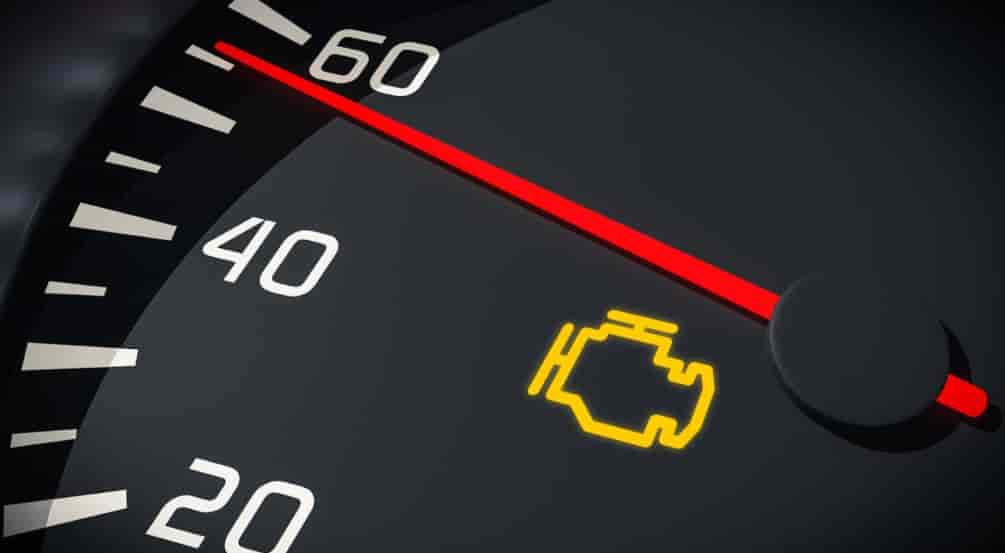
A check engine light appearing on your Ford dashboard can instantly create stress for many drivers. Most people assume they must visit a repair shop or buy an expensive diagnostic tool just to understand what the problem is. However, many Ford vehicles include a built in self diagnostic system that allows you to identify certain engine issues even if you do not have a scanner. This means you may still be able to diagnose a Ford check engine light without a scanner and gain valuable insight into what is happening under the hood.
The check engine light is designed to alert drivers when the vehicle’s engine control system detects something unusual. The problem might be minor such as a loose gas cap, or it could indicate a sensor malfunction that affects engine performance. Ignoring the warning can sometimes lead to reduced fuel efficiency, poor engine performance, or even more expensive repairs in the future.
Many drivers feel stuck when the warning light appears because they do not have an OBD scanner at home. Fortunately, Ford engineers designed earlier diagnostic systems that allow the car to communicate problems through simple flash codes. By following a few basic steps, you can diagnose a Ford check engine light without a scanner and understand what the vehicle is trying to tell you.
In this step by step guide, you will learn how the Ford diagnostic system works, how to trigger the self test procedure, and how to read the flashing codes that reveal possible engine problems.
Contents
What Does the Ford Check Engine Light Mean?
The check engine light is one of the most important warning indicators in a Ford vehicle. When this light appears on the dashboard, it means the engine control system has detected an abnormal condition. Modern Ford vehicles rely on multiple sensors to monitor engine performance, fuel efficiency, and emissions. When one of these sensors sends unusual data, the engine control module stores a diagnostic code and activates the check engine light to alert the driver.
In many cases, the problem behind the warning light is not immediately serious. A common cause is a loose or damaged gas cap. The fuel system must maintain proper pressure to control emissions, and even a small leak can trigger the warning light. Tightening or replacing the gas cap may solve the issue in some situations.
Another frequent cause is a faulty oxygen sensor. This sensor measures the amount of oxygen in the exhaust gases and helps the engine maintain the correct air and fuel mixture. When it fails, the engine may burn more fuel than necessary and produce higher emissions.
Problems with the mass airflow sensor can also activate the check engine light. This sensor measures the amount of air entering the engine so the control system can deliver the correct amount of fuel. If the data becomes inaccurate, the engine may run rough or lose efficiency. Ignition system components such as spark plugs or ignition coils may also cause the warning if they begin to fail.
Because many different issues can trigger this light, proper diagnosis is essential. Fortunately, drivers can still diagnose a Ford check engine light without a scanner by using the vehicle’s built in self diagnostic system.
Can You Diagnose a Ford Check Engine Light Without a Scanner?
Many Ford owners think they need a diagnostic scanner to understand why the check engine light turns on. In reality, some Ford vehicles allow drivers to diagnose basic problems without using a scanner. This is possible because Ford built a simple self diagnostic system into many older models.
The system stores trouble codes when it detects a problem in the engine or emissions system. Drivers can activate the self test procedure and watch the check engine light on the dashboard. The light will flash in a specific pattern that represents a diagnostic code. Each code points to a possible issue inside the vehicle.
By counting the flashes and pauses carefully, drivers can identify the stored codes. For example, two flashes followed by one flash may represent a specific engine fault code. After writing down the pattern, drivers can compare the code with a Ford diagnostic chart to understand the problem.
This method does not require expensive tools. In many cases, a simple jumper wire or paper clip is enough to start the self test process. Although the process requires attention and patience, it can reveal useful information about engine performance.
Learning how to diagnose a Ford check engine light without a scanner can help drivers understand what is happening under the hood. It also allows them to perform basic troubleshooting before visiting a repair shop.
How to Diagnose a Ford Check Engine Light Without a Scanner
Diagnosing a Ford check engine light without a scanner is possible if you follow the correct procedure. Many Ford vehicles include a built in self test system that allows the engine control unit to display diagnostic codes through the dashboard light. By activating this test and watching the flashing pattern, drivers can identify possible engine problems.
The first step is to locate the diagnostic connector. In many Ford models, this connector sits inside the engine bay near the firewall or close to the fuse box. Once you find the connector, make sure the vehicle is parked safely and the transmission is in park or neutral.
Next, turn the ignition key to the ON position without starting the engine. This step powers the vehicle’s electrical system and prepares the onboard computer for the diagnostic test. After that, use a small jumper wire or a paper clip to connect the correct terminals on the diagnostic connector. This action triggers the self test mode.
Once the test begins, look at the check engine light on the dashboard. The light will start flashing in a specific sequence. Each flash pattern represents a diagnostic trouble code stored in the engine control module. Count the flashes carefully and write them down so you do not forget the sequence.
After recording the flash codes, compare them with a Ford diagnostic code chart. This chart explains what each code means and which component may be causing the issue. By following this process, drivers can diagnose a Ford check engine light without a scanner and gain a clearer idea of the problem before performing repairs or visiting a mechanic.
Common Ford Check Engine Light Codes
When you diagnose a Ford check engine light without a scanner, the flashing pattern from the dashboard light represents stored diagnostic trouble codes. Each code points to a specific sensor, system, or component that may be causing the problem. After counting the flashes and writing down the numbers, you can compare them with a Ford diagnostic code chart to understand the possible issue.
Some codes indicate that the system is working normally. Code 11 usually means the diagnostic test completed successfully and no faults were detected. If the system displays other codes, the vehicle may have a sensor or engine related problem that needs attention.
Code 21 often relates to the engine coolant temperature sensor. This sensor measures engine temperature and helps the control unit adjust fuel delivery. If the sensor fails or sends incorrect data, the engine may run inefficiently or consume more fuel.
Code 41 typically points to an oxygen sensor issue. The oxygen sensor monitors the amount of oxygen in the exhaust gases. When it reports inaccurate readings, the engine may run too lean and trigger the check engine light.
Code 67 may indicate a problem with the neutral drive switch or transmission input signal. This issue can affect the vehicle’s ability to complete certain diagnostic tests and may require further inspection.
Understanding these common codes helps drivers identify the source of the problem faster. Even without a scanner, this method can reveal useful information about engine performance and help you diagnose a Ford check engine light without a scanner before deciding on repairs.
How to Reset a Ford Check Engine Light Without a Scanner
After you diagnose a Ford check engine light without a scanner, the next step may involve resetting the warning light. In some cases, the light remains on even after the issue has been fixed. Resetting the system allows the engine control module to clear stored codes and begin monitoring the vehicle again.
One common method is the battery disconnect procedure. Start by turning off the engine and opening the hood. Locate the vehicle battery and disconnect the negative battery cable using a wrench. Leave the cable disconnected for about ten to fifteen minutes. This allows the electrical system to fully discharge and clears temporary diagnostic codes stored in the control module.
After waiting, reconnect the negative cable and tighten it securely. Start the engine and check the dashboard to see if the warning light has disappeared. If the original problem has been resolved, the check engine light should remain off during normal driving.
Another simple method involves completing a full drive cycle. The engine control system continuously monitors sensors while the vehicle operates. Driving the car under normal conditions for several trips can allow the system to reset itself if no faults are detected.
Although these methods can clear the warning light, they should only be used after identifying the cause of the problem. If the underlying issue remains, the check engine light will likely return. Learning how to diagnose a Ford check engine light without a scanner first ensures that the reset process does not hide a real engine problem.
Conclusion
A check engine light can make many Ford drivers feel uncertain about what is happening inside their vehicle. Many people assume they need a professional diagnostic tool to identify the problem. However, it is still possible to diagnose a Ford check engine light without a scanner by using the vehicle’s built in self diagnostic system.
Ford designed many models with a simple method that allows the engine control module to communicate through flash codes. By locating the diagnostic connector, activating the self test process, and carefully counting the flashing patterns, drivers can identify stored trouble codes. These codes provide useful clues about potential issues with sensors, ignition components, or the emissions system.
Understanding these codes helps drivers take the first step toward solving the problem. It can also prevent unnecessary repair costs by identifying simple issues such as a loose gas cap or a faulty sensor. After diagnosing the issue, drivers can decide whether a quick repair is possible or if professional service is required.
Learning how to diagnose a Ford check engine light without a scanner gives Ford owners more confidence when dealing with dashboard warnings. With a basic understanding of the diagnostic process, drivers can respond quickly to warning lights and keep their vehicles running safely and efficiently.