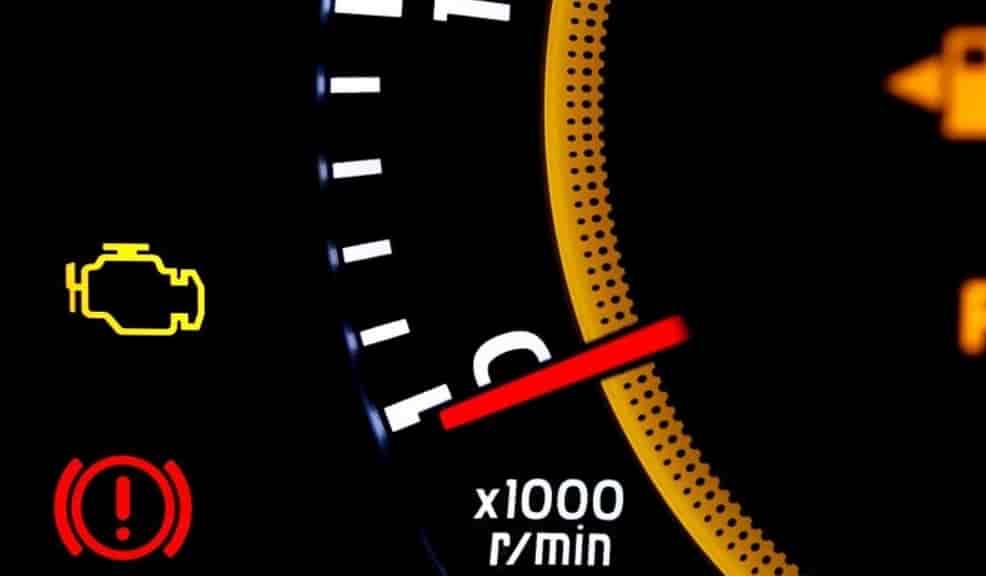
A Ford check engine light blinking can alarm any driver. This warning often signals a serious engine problem. Unlike a steady light, a blinking one demands immediate attention. If you ignore it, the issue can become much worse.
Many drivers hope the light will disappear after restarting the car. In reality, the blinking signal usually points to an engine misfire. This happens when the fuel inside the cylinders does not burn correctly. When misfires continue, they can damage critical parts inside the engine.
Vehicles produced by Ford Motor Company use advanced onboard diagnostic systems. These systems monitor engine performance at all times. When sensors detect abnormal combustion, the system triggers the blinking warning light. This alert helps drivers act before serious damage occurs.
Drivers often notice other symptoms at the same time. The engine may shake or vibrate. The car may lose power while driving. Some vehicles develop rough idling or burn more fuel than usual. These signs show that the engine is struggling to operate normally.
This guide explains the most common reasons behind a Ford check engine light blinking. You will also learn the risks of ignoring the warning. Most importantly, you will discover practical ways to diagnose and fix the issue quickly. Early action can prevent expensive repairs and keep your Ford running smoothly.
Contents
- What Does a Blinking Check Engine Light Mean on a Ford?
- Is It Safe to Drive With a Ford Check Engine Light Blinking?
- Most Common Causes of a Ford Check Engine Light Blinking
- Symptoms That Often Appear With a Blinking Engine Light
- How to Diagnose a Ford Check Engine Light Blinking
- How to Fix a Ford Check Engine Light Blinking
- Estimated Repair Costs
- Conclusion
What Does a Blinking Check Engine Light Mean on a Ford?
A Ford check engine light blinking usually signals a serious engine problem that needs immediate attention. In most cases, the blinking light means the engine is misfiring. An engine misfire happens when one or more cylinders fail to burn fuel properly. This problem disrupts the normal combustion process and reduces engine performance.
When the engine misfires, unburned fuel can enter the exhaust system. This fuel may overheat the catalytic converter and cause severe damage. The catalytic converter plays a critical role in controlling vehicle emissions. Replacing it can be very expensive, which is why drivers should never ignore a blinking engine warning.
Modern vehicles from Ford Motor Company rely on a sophisticated onboard diagnostic system. This system constantly monitors sensors throughout the engine. When the computer detects abnormal combustion or irregular engine timing, it triggers the blinking check engine light to warn the driver.
Many drivers confuse a blinking light with a solid check engine light. A solid light usually indicates a minor issue such as a loose gas cap or a faulty sensor. A blinking light, however, often points to a more urgent mechanical problem. The vehicle may still run, but the engine could suffer serious damage if the driver continues to operate the car.
Drivers often notice other symptoms when the warning appears. The vehicle may shake during acceleration. The engine may run rough while idling. Some drivers also experience a sudden loss of power or poor fuel efficiency. These symptoms confirm that the engine is not running smoothly.
Understanding what a blinking engine light means helps drivers react quickly. Early diagnosis can prevent major engine damage and reduce costly repairs.
Is It Safe to Drive With a Ford Check Engine Light Blinking?
A Ford check engine light blinking is a warning that drivers should take seriously. In most situations, it is not safe to continue driving for long. The blinking signal usually indicates an active engine misfire. This condition can damage important engine components within a short period of time.
When an engine misfires, the combustion process inside the cylinders becomes unstable. Some fuel does not burn completely. That unburned fuel travels into the exhaust system. Over time, it can overheat the catalytic converter and cause severe internal damage. The catalytic converter is one of the most expensive emission components in modern vehicles.
Drivers may still move the car for a short distance if necessary. For example, they might need to reach a safe parking area or the nearest repair shop. However, long trips or highway driving can worsen the problem quickly. Continuous driving under these conditions may increase repair costs and create additional engine issues.
Vehicles manufactured by Ford Motor Company include sensors that monitor engine timing, fuel mixture, and exhaust performance. When these sensors detect repeated misfires, the system activates the blinking check engine light to alert the driver. This warning helps prevent serious mechanical damage.
Drivers should also pay attention to other symptoms. The engine may shake while idling. Acceleration may feel weak or uneven. Some vehicles produce louder engine noise or a strong fuel smell. These warning signs often appear together with a blinking engine light.
If you see this warning, reduce speed and avoid heavy acceleration. Find a safe place to stop and inspect the vehicle. If the problem continues, the best decision is to schedule a diagnostic check as soon as possible. Early action can protect the engine and prevent much higher repair costs later.
Most Common Causes of a Ford Check Engine Light Blinking
Several mechanical or electronic problems can trigger a Ford check engine light blinking. In most situations, the issue relates to engine misfires or failures in the ignition or fuel system. Understanding these causes can help drivers identify the problem faster and prevent serious damage.
Engine Misfire
An engine misfire is the most common reason for a blinking engine light. A misfire occurs when one or more cylinders fail to burn the fuel air mixture correctly. This problem disrupts the engine’s normal power cycle and reduces performance.
Drivers often notice strong vibrations when a misfire occurs. The vehicle may shake during acceleration or while idling. Continuous misfires can also push unburned fuel into the exhaust system, which may damage the catalytic converter over time.
Faulty Spark Plugs
Spark plugs ignite the fuel mixture inside the engine cylinders. When spark plugs wear out, they may fail to create a strong spark. Weak ignition can cause incomplete combustion and trigger the blinking warning light.
Old or dirty spark plugs also reduce fuel efficiency. Many vehicles from Ford Motor Company require spark plug replacement at regular maintenance intervals. Ignoring worn spark plugs can increase the risk of engine misfires.
Failing Ignition Coils
Ignition coils supply high voltage to the spark plugs. If a coil fails, the spark plug cannot ignite the fuel properly. This situation often creates repeated engine misfires.
Drivers may experience rough acceleration or sudden power loss. In many cases, replacing a faulty ignition coil can solve the blinking engine light problem quickly.
Fuel Injector Problems
Fuel injectors deliver precise amounts of fuel into the engine cylinders. If an injector becomes clogged or fails completely, the engine may receive too little or too much fuel.
An improper fuel mixture affects combustion efficiency. As a result, the engine may misfire and trigger the warning light. Cleaning or replacing faulty injectors can restore normal engine performance.
Vacuum Leaks
The engine relies on proper air pressure to maintain the correct fuel air mixture. A vacuum leak allows extra air to enter the system. This imbalance can cause unstable combustion inside the cylinders.
Drivers may notice rough idling or irregular engine speed. Mechanics often inspect hoses, intake manifolds, and vacuum lines when diagnosing this problem.
Catalytic Converter Problems
The catalytic converter reduces harmful exhaust emissions. However, repeated engine misfires can overheat this component. Excessive heat may damage the internal structure of the converter.
Once the catalytic converter becomes damaged, engine performance can drop significantly. The vehicle may also produce unusual exhaust smells or lose power during acceleration.
Understanding these common causes helps drivers respond quickly when a Ford check engine light blinking appears. Early diagnosis can prevent severe engine damage and keep repair costs under control.
Symptoms That Often Appear With a Blinking Engine Light
A Ford check engine light blinking rarely appears without other warning signs. In many situations, the engine begins to show clear symptoms that indicate something is wrong with the combustion process. Drivers who recognize these signs early can reduce the risk of serious mechanical damage.
One of the most common symptoms is strong engine vibration. The vehicle may shake while idling at a traffic light or when accelerating on the road. This usually happens because one or more cylinders fail to ignite the fuel mixture correctly. When this occurs, the engine loses its natural balance and begins to run unevenly.
Drivers often notice a sudden loss of power as well. The car may feel slow when pressing the accelerator, and the engine may struggle to reach normal speed. This loss of power occurs because the engine cannot produce full energy when the combustion process fails in one or more cylinders.
Another frequent symptom is rough idling. Instead of running smoothly, the engine may feel unstable while the vehicle remains stationary. The RPM may fluctuate slightly, and the engine may produce irregular vibrations. This behavior often indicates problems within the ignition system or the fuel delivery system.
Fuel consumption may also increase during this type of engine problem. When the combustion process becomes inefficient, the engine requires more fuel to generate the same amount of power. Many drivers notice that their fuel tank empties faster than usual during normal driving conditions.
In some cases, drivers may also detect a strong fuel smell near the vehicle. This happens when unburned fuel passes through the exhaust system. Continuous fuel flow into the exhaust can overheat critical emission components and lead to further damage if the problem remains unresolved. Vehicles produced by Ford Motor Company may display several of these symptoms at the same time when a serious engine issue develops.
How to Diagnose a Ford Check Engine Light Blinking
Proper diagnosis plays an important role when a Ford check engine light blinking appears on the dashboard. Identifying the exact cause helps mechanics fix the problem faster and prevents unnecessary replacement of working components.
Most technicians begin the diagnostic process by connecting an OBD2 scanner to the vehicle’s diagnostic port. This tool communicates directly with the engine control unit and retrieves stored error codes. Each code represents a specific problem detected by the onboard monitoring system.
Misfire related trouble codes are very common when the engine warning light blinks. These codes often begin with the letter P followed by a number sequence. For example, codes such as P0300 or P0301 indicate that the engine experiences random or cylinder specific misfires. Once the faulty cylinder is identified, technicians can inspect the affected components more efficiently.
After reading the diagnostic codes, mechanics usually examine ignition system parts such as spark plugs and ignition coils. Worn spark plugs or weak ignition coils frequently cause unstable combustion inside the cylinders. Replacing these components often restores proper engine performance and stops the warning light from blinking.
Technicians may also inspect fuel injectors and air intake components during the diagnostic process. Fuel injectors control the amount of fuel entering each cylinder, while the intake system regulates the airflow needed for efficient combustion. Any imbalance in fuel or air delivery can create conditions that lead to engine misfires.
A thorough diagnostic procedure helps ensure that the real problem is identified and repaired quickly. Early diagnosis can protect the engine from further damage and reduce the overall cost of repairs.
How to Fix a Ford Check Engine Light Blinking
When a Ford check engine light blinking appears on the dashboard, drivers should act quickly. Fast action can prevent serious engine damage and reduce expensive repairs. The best solution depends on the exact cause of the problem, but several common fixes often resolve the issue.
One of the first components technicians inspect is the spark plug. Spark plugs ignite the fuel and air mixture inside the engine cylinders. Over time, these parts wear out and produce a weaker spark. Weak ignition can cause incomplete combustion and trigger engine misfires. Replacing worn spark plugs often restores proper engine performance and stops the blinking warning light.
Ignition coils are another common source of engine misfires. These coils deliver high voltage to the spark plugs so they can ignite the fuel mixture. If an ignition coil fails, the spark plug cannot generate a strong spark. This problem leads to repeated misfires and poor engine performance. Replacing a faulty ignition coil is usually a straightforward repair that solves the issue.
Fuel injectors also play an important role in the combustion process. These components control the amount of fuel entering each cylinder. A clogged or malfunctioning injector can disrupt the fuel mixture and cause unstable combustion. Cleaning or replacing the affected injector can restore normal engine operation.
Mechanics may also inspect the intake system for vacuum leaks. Small cracks in vacuum hoses or intake components allow extra air to enter the engine. This imbalance changes the fuel air mixture and may lead to misfires. Repairing damaged hoses or sealing leaks often resolves the problem.
In some cases, the catalytic converter may suffer damage after prolonged engine misfires. When unburned fuel enters the exhaust system, it can overheat this component. If the converter becomes damaged, it may require replacement to restore proper emission control and engine efficiency. Vehicles manufactured by Ford Motor Company often rely on precise sensor systems that quickly detect these combustion issues.
Fixing the root cause of the problem is the most effective way to stop the blinking warning light. Early repair not only protects the engine but also helps maintain fuel efficiency and overall vehicle reliability.
Estimated Repair Costs
Repair costs for a Ford check engine light blinking vary depending on the underlying problem. Some issues require simple maintenance, while others involve more complex engine repairs. Understanding the potential costs helps drivers prepare for the repair process.
Replacing spark plugs is usually one of the most affordable repairs. Depending on the vehicle model and labor rates, the cost typically ranges between 100 and 300 dollars. This repair often resolves many misfire related problems.
Ignition coil replacement may cost slightly more. A single ignition coil can cost between 150 and 400 dollars including labor. Some vehicles require multiple coils, which can increase the total repair cost.
Fuel injector repairs can be more expensive because of the complexity of the fuel delivery system. Cleaning or replacing injectors may cost between 300 and 800 dollars depending on the vehicle and the number of injectors involved.
The catalytic converter is one of the most expensive components in the emission system. If it becomes damaged due to continuous misfires, replacement costs can range from 900 to more than 2500 dollars. This is one of the main reasons drivers should never ignore a blinking engine warning.
Early diagnosis often keeps repair costs lower. Addressing a simple ignition problem quickly can prevent damage to more expensive components later.
Conclusion
A Ford check engine light blinking is one of the most serious warning signals a driver can encounter. Unlike a steady engine light, a blinking indicator usually points to active engine misfires that require immediate attention. Ignoring this warning can allow unburned fuel to damage critical components inside the exhaust system.
Drivers often notice symptoms such as engine shaking, rough idling, or sudden power loss when this warning appears. These signs indicate that the engine is struggling to maintain normal combustion. Continuing to drive under these conditions may lead to costly repairs.
Understanding the common causes of a blinking engine light can help drivers react quickly. Problems with spark plugs, ignition coils, fuel injectors, or vacuum leaks frequently trigger this warning. A proper diagnostic test allows technicians to identify the exact issue and repair it efficiently.
Taking action early protects the engine and reduces the risk of expensive damage. Regular maintenance, timely inspections, and quick diagnostics help keep vehicles from Ford Motor Company running smoothly for many years.
If you notice a blinking engine warning on your dashboard, do not ignore it. Schedule a diagnostic check as soon as possible to ensure your vehicle remains safe, reliable, and efficient on the road.