A Dodge No Bus error indicates that one or more control modules have stopped communicating over the vehicle’s data network. When this communication fails, the instrument cluster may display “NO BUS”, warning lights can illuminate, gauges may stop responding, and the engine may crank without starting. Because multiple electronic systems rely on the same communication network, a single fault can affect several vehicle functions at once.
In most cases, a No Bus message is not the actual problem—it is a symptom of a communication failure. Common causes include a weak battery, blown fuse, damaged wiring, poor ground connection, failed sensor, malfunctioning Powertrain Control Module (PCM), or another module pulling down the communication network. Replacing parts without identifying the source of the fault often results in unnecessary repair costs and does not resolve the issue.
This guide explains how to fix a Dodge No Bus error using a logical diagnostic process. You’ll learn what the message means, the most common causes, the symptoms that help narrow down the fault, and a step-by-step troubleshooting procedure. The guide also explains when a simple repair is sufficient, when module replacement becomes necessary, and how to reduce the risk of the problem returning in the future.
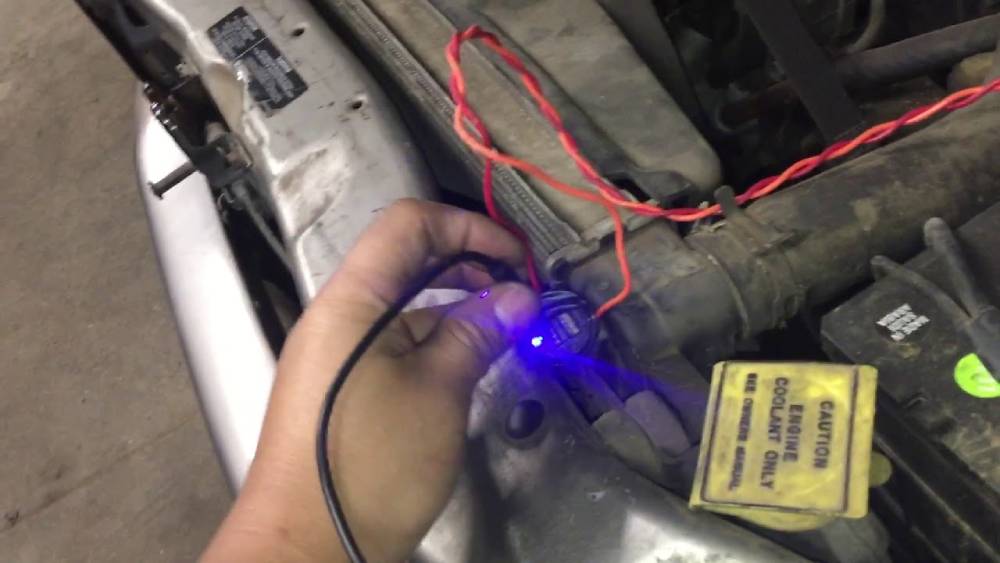
What Does the “No Bus” Message Mean on a Dodge Vehicle?
A “No Bus” message means one or more electronic control modules can no longer communicate through the vehicle’s data communication network. Dodge vehicles use a communication bus—such as the CCD Bus on older models or the CAN Bus on newer models—to exchange information between modules including the Powertrain Control Module (PCM), Body Control Module (BCM), instrument cluster, ABS module, airbag module, and transmission controller. When this network stops functioning correctly, the instrument cluster displays “NO BUS” because it is no longer receiving the data required to operate normally.
The communication network functions as the vehicle’s central information highway. Instead of operating independently, control modules constantly transmit sensor readings, engine operating data, transmission status, vehicle speed, and diagnostic information across the bus. If a module stops responding or the network becomes electrically unstable, communication can fail across multiple systems simultaneously. As a result, the dashboard message often indicates a network-level problem rather than a failure of the instrument cluster itself.
Unlike a conventional diagnostic trouble code that identifies a specific component, a No Bus message is a communication symptom. The underlying fault may originate from damaged wiring, poor electrical connections, insufficient battery voltage, a defective sensor, or a failed control module disrupting the entire network.
Which communication network does the message refer to?
The communication network depends on the Dodge model year. Older Dodge vehicles commonly use the CCD (Chrysler Collision Detection) Bus, while newer vehicles use the faster and more reliable CAN (Controller Area Network) Bus.
Both systems perform the same primary function: allowing electronic modules to exchange data without requiring dedicated wiring between every component. Instead of separate communication lines for each module, all controllers share the same network. This architecture reduces wiring complexity while enabling hundreds of messages to be transmitted every second.
Because every module depends on the shared network, a single short circuit, failed controller, or damaged communication wire can interrupt data transmission for the entire vehicle. This explains why multiple unrelated systems may fail at the same time after a No Bus message appears.
What systems stop working when communication is lost?
Several vehicle systems can stop functioning once the communication bus fails. The exact symptoms depend on which module interrupts the network, but communication failure often affects both engine operation and vehicle electronics simultaneously.
Common systems affected include:
- Instrument cluster gauges may freeze, drop to zero, or stop updating.
- Warning lights such as the Check Engine, ABS, Airbag, or Security indicator may illuminate unexpectedly.
- The engine may crank normally but fail to start because the PCM cannot exchange information with critical sensors or security modules.
- The transmission may enter limp mode if communication with the transmission control module is interrupted.
- Power accessories, including the radio, climate controls, power windows, or electronic displays, may stop responding.
- An OBD-II scanner may be unable to communicate with one or more modules, making diagnosis more difficult.
The wider the communication failure spreads across the network, the greater the number of affected systems. Vehicles experiencing complete network failure often display multiple electrical symptoms simultaneously rather than a single isolated malfunction.
What Causes a Dodge No Bus Error?
There are six primary causes of a Dodge No Bus error: low system voltage, blown fuses, damaged wiring, poor ground connections, failed control modules, and defective sensors that disrupt network communication. Identifying which condition is responsible requires systematic diagnosis because several different faults can produce the same dashboard message.
Can a weak battery or low voltage trigger the error?
Yes. Low battery voltage is one of the most common causes of a No Bus message. Every electronic control module requires stable operating voltage to initialize correctly and communicate over the network. When battery voltage drops below the required threshold during engine cranking or while driving, individual modules may reboot, shut down, or stop transmitting data.
Battery-related communication failures often occur after the vehicle has been parked for an extended period, during cold weather, or when the charging system is malfunctioning. A weak battery, failing alternator, or corroded battery terminals can all create unstable voltage that interrupts communication between modules.
Before replacing expensive electronic components, technicians typically verify battery voltage under load and confirm that the alternator maintains proper charging voltage during engine operation.
Can a blown fuse interrupt module communication?
Yes. A blown fuse can disable a control module and immediately remove it from the communication network. Most electronic modules receive power through dedicated fuse circuits. If the fuse supplying the PCM, BCM, instrument cluster, ABS controller, or another critical module fails, that controller will stop communicating with the rest of the vehicle.
In some cases, replacing the blown fuse restores normal operation immediately. However, if the replacement fuse fails again shortly afterward, the vehicle likely has an underlying short circuit or defective component that must be repaired before installing another fuse.
A complete fuse inspection should include both the interior fuse panel and the under-hood power distribution center because communication-related modules often receive power from multiple fuse locations.
Can damaged wiring or poor ground connections cause a No Bus message?
Yes. Damaged communication wiring and poor ground connections are among the leading causes of intermittent No Bus errors. The communication bus depends on uninterrupted electrical continuity between every connected module. Broken wires, loose connectors, corrosion, water intrusion, or damaged wiring harnesses can increase electrical resistance or completely interrupt data transmission.
Ground connections are equally important because every control module depends on a stable electrical reference point. A loose chassis ground or corroded ground strap may create voltage fluctuations that cause one or more modules to reset repeatedly, resulting in intermittent communication failures that are difficult to reproduce.
Vehicles that have experienced collision damage, aftermarket electrical modifications, rodent damage, or prolonged exposure to moisture are particularly susceptible to wiring-related communication problems.
Can a faulty PCM or ECU create communication failure?
Yes. A failed PCM or another electronic control module can disable communication across the entire network. The PCM continuously exchanges engine operating data with other controllers. If it develops an internal hardware failure or loses the ability to transmit data, other modules may report communication errors or stop functioning altogether.
However, replacing the PCM should never be the first repair attempt. Because wiring faults, voltage problems, and failed sensors can produce identical symptoms, technicians normally eliminate external electrical faults before concluding that the PCM itself has failed. Premature PCM replacement can result in significant repair costs without resolving the underlying communication problem.
Can a failed sensor bring down the communication bus?
Yes. Certain sensors can create a communication failure if they develop an internal electrical short. Components such as the crankshaft position sensor, camshaft position sensor, or other engine-related sensors may fail in a way that interferes with module operation or destabilizes the communication network.
A common diagnostic technique is to disconnect suspected components individually while monitoring network communication. If communication resumes after disconnecting a specific sensor or module, that component becomes the primary suspect for further testing or replacement.
Although failed sensors are less common than wiring or power supply issues, they should remain part of the diagnostic process because replacing the defective sensor often restores full communication without requiring module replacement.
What Symptoms Usually Appear Before or During a No Bus Error?
A Dodge No Bus error usually produces multiple electrical and drivability symptoms instead of a single isolated problem. Because the communication network connects nearly every electronic control module, one communication failure can affect several vehicle systems simultaneously. The severity of the symptoms depends on whether the communication interruption is intermittent or complete.
Recognizing these symptoms before beginning diagnosis helps narrow the list of possible causes. For example, a vehicle that only loses gauge operation may have a different underlying issue than one that completely loses communication with every control module.
Which dashboard warning lights commonly appear?
Several warning lights may illuminate when a No Bus error occurs. The Check Engine Light is the most common indicator because the PCM detects communication failures with one or more control modules. Depending on the affected system, the ABS warning light, Airbag warning light, Security indicator, Brake warning light, or Transmission warning light may also remain illuminated.
In many cases, the instrument cluster itself behaves abnormally. The speedometer, tachometer, fuel gauge, coolant temperature gauge, or odometer display may freeze, reset unexpectedly, or stop functioning entirely. Some vehicles display only the “NO BUS” message, while others cycle through multiple warning indicators as communication repeatedly disconnects and reconnects.
When several warning lights appear simultaneously without an obvious mechanical problem, technicians often suspect a network communication issue before investigating individual systems.
Does the engine crank but fail to start?
Yes. A Dodge vehicle experiencing a No Bus error may crank normally but fail to start. Starting the engine requires continuous communication between the PCM, crankshaft position sensor, camshaft position sensor, fuel injection system, ignition system, and, on many models, the immobilizer or security module.
If one of these modules cannot exchange information across the communication bus, the PCM may disable spark, fuel delivery, or injector operation to prevent improper engine operation. As a result, the starter motor turns the engine normally, but combustion never begins.
Some vehicles exhibit intermittent no-start conditions where the engine starts successfully after several attempts. This behavior often indicates an unstable electrical connection or an intermittent communication failure rather than complete module failure.
Can gauges, radio, or other electronics stop working?
Yes. Interior electronics commonly malfunction during a No Bus communication failure. Because the instrument cluster depends on continuous network data, gauges may immediately stop updating after communication is interrupted. Digital displays can become blank, warning chimes may sound unexpectedly, and dashboard indicators may behave erratically.
Other accessories connected to the communication network can also become unresponsive. Depending on the vehicle configuration, the radio, climate control system, steering wheel controls, power windows, door locks, or overhead information display may temporarily lose functionality until communication is restored.
These symptoms frequently appear together because multiple modules share the same communication bus. The more modules that disappear from the network, the more noticeable the electrical failures become throughout the vehicle.
How Do You Diagnose a Dodge No Bus Error Step by Step?
Diagnosing a Dodge No Bus error requires following a structured sequence rather than replacing components based on symptoms alone. Since communication failures can originate from power supply problems, damaged wiring, failed sensors, or defective control modules, each potential cause should be eliminated before moving to the next step.
Following the diagnostic process in the correct order reduces repair costs and minimizes the risk of replacing functional components.
Step 1. Verify battery voltage.
Begin by confirming that the battery and charging system provide stable voltage. Low system voltage is one of the most frequent causes of communication failures because electronic control modules require adequate voltage to initialize and remain connected to the network.
Measure battery voltage with the engine off. A fully charged battery should typically read approximately 12.6 volts. After starting the engine, charging voltage should generally remain between 13.5 and 14.7 volts depending on the vehicle and operating conditions.
If battery voltage is below specification, recharge or replace the battery before continuing with additional diagnostic procedures. Also inspect battery terminals for corrosion, loose connections, or damaged cables that may create excessive voltage drop.
Step 2. Inspect fuses and relays.
Inspect every fuse supplying power to communication-related modules before assuming an electronic failure. Even a single blown fuse can disconnect an important controller from the communication network and trigger a No Bus message.
Use the fuse diagram for the specific Dodge model to identify circuits supplying the PCM, BCM, instrument cluster, ABS controller, TIPM, ignition system, and diagnostic connector. Replace any blown fuse only after identifying why it failed. If the replacement fuse blows immediately, a short circuit or failed component is likely present elsewhere in the circuit.
Relays should also be inspected for signs of overheating, corrosion, or poor terminal contact because an intermittent power supply can produce communication failures similar to wiring defects.
Step 3. Scan every module with an OBD-II scanner.
Connect a professional OBD-II scan tool capable of communicating with every control module, not just the engine computer. Entry-level scanners often retrieve only powertrain codes, while advanced diagnostic tools can identify communication faults throughout the entire vehicle network.
Record every Diagnostic Trouble Code (DTC) before clearing any faults. Communication-related codes such as U-codes often identify which module has stopped responding or which controller cannot establish network communication.
If the scanner cannot communicate with multiple modules, the problem likely involves the communication network itself rather than a single failed component.
Step 4. Check CAN Bus resistance and voltage.
Test the communication network electrically before replacing control modules. Disconnect the battery and measure resistance across the CAN High and CAN Low circuits at the diagnostic connector or another approved test location.
On most CAN Bus systems, total network resistance should measure approximately 60 ohms with the ignition switched off. A significantly higher or lower reading may indicate an open circuit, short circuit, damaged termination resistor, or failed control module connected to the network.
Voltage measurements can also identify communication faults. Abnormal voltage on either communication wire may indicate that one module is pulling the network high or low, preventing normal data transmission.
Step 5. Inspect wiring harnesses and connectors.
Perform a detailed visual inspection of communication wiring throughout the vehicle. Many No Bus problems originate from physical damage rather than electronic component failure.
Inspect harnesses routed near the battery, engine compartment, firewall, transmission, steering column, and under the dashboard. Look for broken insulation, crushed wiring, melted sections, loose terminals, corrosion, water intrusion, or connectors that do not fully seat.
Vehicles that have been involved in collisions, aftermarket accessory installations, or rodent infestations deserve particularly careful inspection because wiring damage in these situations is common.
Step 6. Disconnect modules one at a time to isolate the fault.
If the communication network remains inoperative, isolate the defective component by disconnecting individual modules sequentially. A failed controller with an internal short circuit can prevent every other module from communicating correctly.
Disconnect one module, reconnect the battery, and determine whether communication returns. If the network begins functioning normally after disconnecting a specific controller, that module becomes the leading suspect for additional testing or replacement.
This procedure should always follow the manufacturer’s service information because disconnecting certain modules incorrectly may generate additional diagnostic codes or require system recalibration.
Step 7. Test or replace the defective module.
Replace a control module only after confirming it is the source of the communication failure. Modern electronic modules are expensive, often require software programming, and may need vehicle-specific configuration after installation.
Before replacing the PCM, BCM, TIPM, or any other controller, verify that the module receives proper battery voltage, ignition voltage, ground, and communication signals. If all supporting circuits test correctly but the module still cannot communicate, replacement becomes the appropriate repair.
After installation, clear all stored diagnostic codes, verify successful communication with every module, and perform a complete road test to ensure the No Bus message does not return.
How Do You Fix a Dodge No Bus Error?
Fixing a Dodge No Bus error requires repairing the component that interrupts communication rather than simply clearing the dashboard message. Once the diagnostic process identifies the root cause, the repair usually falls into one of six categories: wiring repair, ground repair, fuse replacement, battery service, sensor replacement, or control module replacement. Performing these repairs in the correct order minimizes unnecessary parts replacement and restores stable communication across the vehicle network.
Repair damaged wiring.
Repairing damaged communication wiring is one of the most effective solutions for a No Bus error. Broken wires, short circuits, pinched harnesses, and corroded connectors can interrupt data transmission between electronic modules even when every control unit is functioning correctly.
Begin by locating the damaged section of the wiring harness. Carefully inspect areas exposed to engine heat, vibration, collision damage, or frequent movement. Pay particular attention to harnesses routed near the battery, firewall, transmission, steering column, and frame rails because these locations experience the greatest mechanical stress.
Minor wiring damage can often be repaired by replacing the affected section with automotive-grade wire of the same gauge. Heat-shrink tubing and sealed crimp connectors provide more reliable long-term protection than standard electrical tape. If multiple wires are severely damaged, replacing the complete wiring harness is usually the more dependable solution.
After completing the repair, verify continuity with a multimeter and confirm that network communication has been restored before reassembling surrounding components.
Clean and tighten ground connections.
Restoring proper ground connections often resolves intermittent No Bus communication failures. Every control module depends on a stable ground reference to transmit and receive digital signals. Corrosion, oxidation, loose fasteners, or damaged ground straps increase electrical resistance and may cause modules to disconnect from the communication network.
Inspect all major chassis grounds associated with the battery, engine block, transmission, body panels, and power distribution center. Remove each ground connection, clean both contact surfaces until bare metal is exposed, and reinstall the fasteners using the manufacturer’s recommended torque specification.
Ground straps should also be inspected for broken strands, corrosion beneath insulation, or loose terminals. Replacing a damaged ground strap is generally inexpensive and often eliminates intermittent electrical problems that are difficult to diagnose.
After cleaning the grounds, repeat a network scan to verify that every control module communicates normally.
Replace blown fuses.
Replacing a blown fuse restores power only if the underlying electrical fault has already been corrected. Communication-related modules rely on dedicated fuse protection to prevent wiring damage during overload conditions. When a fuse opens, the affected module immediately stops participating in network communication.
Before installing a replacement fuse, inspect the protected circuit for damaged insulation, melted wiring, water intrusion, or components showing signs of internal short circuits. Installing a new fuse without correcting the root cause may result in another immediate failure.
Always install a fuse with the identical amperage rating specified by Dodge. Using a higher-rated fuse can allow excessive current to damage expensive control modules or wiring harnesses before the fuse opens.
Once the proper fuse has been installed, cycle the ignition and confirm that communication with the previously offline module has resumed.
Recharge or replace the battery.
Restoring stable battery voltage is essential before diagnosing any remaining communication faults. Modern Dodge vehicles contain multiple electronic control modules that rely on consistent voltage during startup and normal operation. Even a healthy communication network may become unstable if battery voltage drops below operating requirements.
Recharge the battery if testing indicates it has simply discharged from extended storage or temporary electrical drain. If the battery repeatedly fails load testing or cannot maintain adequate voltage, replacement is the more reliable solution.
Battery terminals should also be cleaned thoroughly to remove corrosion that increases electrical resistance. Loose battery cables may produce voltage fluctuations severe enough to interrupt communication even when the battery itself remains in good condition.
After battery service, clear any stored communication codes and verify that they do not return during a road test.
Replace a failed sensor if it is pulling down the network.
Replace a defective sensor only after confirming it is disrupting communication across the network. Although sensor failures occur less frequently than wiring or power supply problems, certain internally shorted sensors can interfere with module operation and trigger a No Bus message.
Crankshaft position sensors, camshaft position sensors, transmission sensors, and other engine management components should be tested according to factory service procedures before replacement. Resistance measurements, voltage tests, waveform analysis, or live scan tool data can confirm whether the sensor is operating within specification.
If disconnecting a suspected sensor immediately restores communication, replacing that component is usually the appropriate repair. After installation, verify that the communication network remains stable and that no additional diagnostic trouble codes are stored.
Reprogram or replace the PCM when necessary.
PCM replacement should be considered only after every supporting circuit has been tested successfully. The Powertrain Control Module rarely fails compared with wiring, battery, or connector problems, but internal hardware damage can eventually prevent reliable communication with the rest of the vehicle.
Before replacing the PCM, confirm that battery voltage, ignition voltage, ground circuits, and CAN Bus wiring all meet specification. Any external electrical problem should be corrected before installing a replacement module because unresolved wiring faults may damage the new controller.
Most replacement PCMs require programming using manufacturer-approved diagnostic equipment. Vehicle identification information, immobilizer configuration, software calibration, and security functions must often be synchronized before the vehicle will start and operate correctly.
After programming is complete, perform a full system scan, erase all stored communication codes, and complete an extended road test to verify that the No Bus message does not reappear.
Which Dodge Models Commonly Experience a No Bus Error?
A No Bus error can occur on almost any Dodge vehicle equipped with electronically controlled communication networks. While the underlying causes remain largely the same across different models, the affected modules and common failure points vary depending on the electrical architecture of each vehicle generation.
Dodge Ram
Dodge Ram trucks are among the most frequently reported vehicles for No Bus communication problems. Older Ram models commonly develop wiring damage near the engine compartment, battery tray, and firewall due to heat, vibration, and age-related deterioration. Corroded ground connections and failing crankshaft position sensors are also recurring causes of intermittent communication failures.
Later Ram models equipped with CAN Bus networks may additionally experience communication issues involving the TIPM or other integrated control modules.
Dodge Dakota
The Dodge Dakota often develops No Bus errors because of aging electrical components and deteriorating wiring harnesses. Vehicles with high mileage may experience connector corrosion, damaged ground straps, or intermittent communication failures caused by worn ignition switch contacts.
Technicians frequently inspect battery cables, fuse boxes, and firewall connectors before considering module replacement because these components account for a large percentage of communication-related repairs.
Dodge Caravan
The Dodge Caravan commonly experiences No Bus messages associated with electrical connector problems and module communication failures. Moisture intrusion, interior fuse box corrosion, and deteriorating wiring behind the dashboard can interrupt communication between multiple control modules.
Because the Caravan contains numerous body control functions, owners may notice simultaneous failures involving power doors, climate controls, dashboard displays, and instrument cluster gauges in addition to engine-related symptoms.
Dodge Durango
The Dodge Durango can develop communication failures affecting both drivetrain and body control systems. Wiring harness damage around the engine compartment, poor chassis grounds, and module connector corrosion are common inspection points during diagnosis.
On some vehicles, intermittent communication loss appears only after the engine reaches operating temperature, making thorough road testing an important part of the diagnostic process.
Dodge Charger
The Dodge Charger relies heavily on CAN Bus communication between advanced electronic control systems. Communication failures may affect engine management, ABS, traction control, electronic stability control, and the instrument cluster simultaneously.
Because modern Charger models contain a larger number of interconnected control modules than earlier Dodge vehicles, professional scan tools capable of communicating with every module are especially valuable when diagnosing a persistent No Bus error.
Can You Drive a Dodge with a No Bus Error?
Driving a Dodge with a No Bus error is not recommended because the communication failure can disable critical vehicle systems without warning. Although some vehicles remain drivable when only one module temporarily loses communication, others may experience engine stalling, transmission malfunctions, or complete no-start conditions. The severity depends on which control module has failed and whether the communication interruption is intermittent or continuous.
If the No Bus message appears while driving but the engine continues running normally, reduce speed, avoid unnecessary driving, and move the vehicle to a safe location as soon as practical. Continued operation may increase the risk of losing important safety systems such as ABS, electronic stability control, or powertrain management.
If the engine stalls, repeatedly fails to start, or multiple warning lights illuminate simultaneously, the vehicle should not be driven until the communication fault has been diagnosed. Towing the vehicle to a repair facility is generally safer than attempting to continue driving with an unstable communication network.
When Should You Replace the PCM Instead of Repairing the Wiring?
Replace the PCM only after confirming that every external electrical circuit functions correctly. Wiring problems account for a significantly larger percentage of No Bus errors than internal PCM failures. Replacing the PCM before completing electrical diagnosis often increases repair costs without solving the communication problem.
A PCM becomes the primary suspect when all battery voltage, charging voltage, fuse circuits, ground connections, CAN Bus wiring, and communication connectors pass inspection but the module still cannot communicate with diagnostic equipment or other controllers.
Professional technicians typically verify several conditions before recommending PCM replacement:
- Battery and charging system operate within specification.
- All PCM power and ground circuits pass voltage drop testing.
- CAN Bus resistance and voltage measurements meet manufacturer specifications.
- Communication wiring has no shorts or open circuits.
- Other control modules communicate normally after network testing.
- The PCM fails manufacturer-recommended diagnostic procedures.
If these conditions are satisfied, replacing and programming the PCM is usually the correct repair. Because most Dodge PCMs require software calibration and immobilizer programming, replacement should be performed using manufacturer-approved diagnostic equipment.
How Much Does It Cost to Fix a Dodge No Bus Error?
The cost of repairing a Dodge No Bus error varies widely because the communication failure can originate from several different components. Minor electrical repairs are relatively inexpensive, while module replacement and programming represent the highest repair costs.
The following estimates reflect common repair ranges:
| Repair | Typical Cost (USD) |
|---|---|
| Battery replacement | $120–$300 |
| Fuse replacement | $5–$30 |
| Ground cleaning or repair | $50–$150 |
| Wiring repair | $100–$600 |
| Sensor replacement | $100–$500 |
| PCM replacement and programming | $700–$2,000+ |
Labor charges vary according to vehicle model and diagnostic complexity. Communication faults caused by intermittent wiring damage generally require more diagnostic time than straightforward component failures because technicians must isolate the exact location of the interruption.
Investing in a complete diagnostic inspection before replacing expensive modules often reduces the overall repair cost by preventing unnecessary parts replacement.
How Can You Prevent a No Bus Error from Happening Again?
Preventing a No Bus error focuses on maintaining a stable electrical system and protecting communication circuits from damage. While not every module failure can be prevented, regular inspection and maintenance significantly reduce the likelihood of communication-related problems.
The most effective preventive practices include:
- Test battery condition at least once each year.
- Replace aging batteries before voltage instability develops.
- Keep battery terminals clean and securely tightened.
- Inspect engine compartment wiring for abrasion, heat damage, or rodent activity.
- Repair damaged wiring immediately before corrosion spreads.
- Check chassis ground connections during routine maintenance.
- Avoid improper aftermarket electrical modifications.
- Use dielectric grease on exposed electrical connectors when recommended by the manufacturer.
- Address warning lights promptly instead of waiting for multiple communication faults to develop.
Vehicles that receive regular electrical inspections are less likely to experience widespread communication failures because minor wiring or grounding problems are identified before they affect multiple control modules.
Frequently Asked Questions About Dodge No Bus Errors
Will disconnecting the battery clear the No Bus message?
Disconnecting the battery may temporarily clear the message, but it rarely fixes the underlying problem. Resetting vehicle power can reboot electronic control modules and restore communication if the interruption resulted from a temporary software fault. However, if damaged wiring, low voltage, a failed module, or another electrical defect remains present, the No Bus message will usually return shortly after the vehicle is restarted.
Can a bad alternator cause a No Bus error?
Yes. A failing alternator can cause a No Bus error by supplying unstable charging voltage. Electronic control modules require consistent voltage to maintain communication. If the alternator produces voltage spikes, insufficient charging voltage, or intermittent output, multiple controllers may reset or disconnect from the communication network.
Charging system testing should therefore be included in every No Bus diagnostic procedure, particularly when battery-related symptoms are also present.
Can an aftermarket radio create communication problems?
Yes. An improperly installed aftermarket radio can interfere with the communication network. Incorrect wiring, incompatible interfaces, damaged connectors, or accidental contact with CAN Bus circuits may interrupt communication between factory control modules.
If the No Bus message appears shortly after installing aftermarket electronics, inspect the radio wiring first. Restoring the factory wiring configuration or installing the correct interface module often resolves the communication issue.
Can you repair a No Bus error without replacing the PCM?
Yes. Most No Bus errors are repaired without replacing the PCM. Communication failures are more commonly caused by wiring damage, blown fuses, poor ground connections, weak batteries, connector corrosion, or defective sensors than by internal PCM failure.
Completing a systematic diagnostic process before replacing any control module greatly increases the likelihood of identifying the true root cause while avoiding unnecessary repair costs.
How long does it take to diagnose a No Bus problem?
Most Dodge No Bus diagnostics require between one and three hours, although complex electrical faults may require additional time. Straightforward problems such as blown fuses or battery failures are usually identified quickly. Intermittent wiring faults, communication shorts, or multiple module failures often require more extensive electrical testing.
Vehicles that have previous collision repairs, aftermarket electrical accessories, or water damage generally require longer diagnostic procedures because technicians must inspect a greater number of wiring locations and control modules.