The right Audi coolant type depends on the coolant specification for your Audi model, engine, and production period. Audi vehicles use several coolant specifications, including G12, G12+, G12++, G13, and G12evo. The specification matters because each cooling system requires compatible coolant. You should not choose coolant based on color alone.
Your Audi model and engine can help you identify the correct coolant specification. The vehicle age can also narrow the options. You should also check the specification of the coolant already in the cooling system before adding another type. Mixing different coolant types without confirming compatibility can cause maintenance problems.
This guide explains the main Audi coolant types and their specifications. It covers G12, G12+, G12++, G13, and G12evo. You will also learn how to identify the right coolant for your Audi, whether coolant color provides a reliable identification method, and what you should consider before mixing coolant types. The guide also covers coolant capacity, coolant level checks, coolant replacement, and common signs of coolant problems.
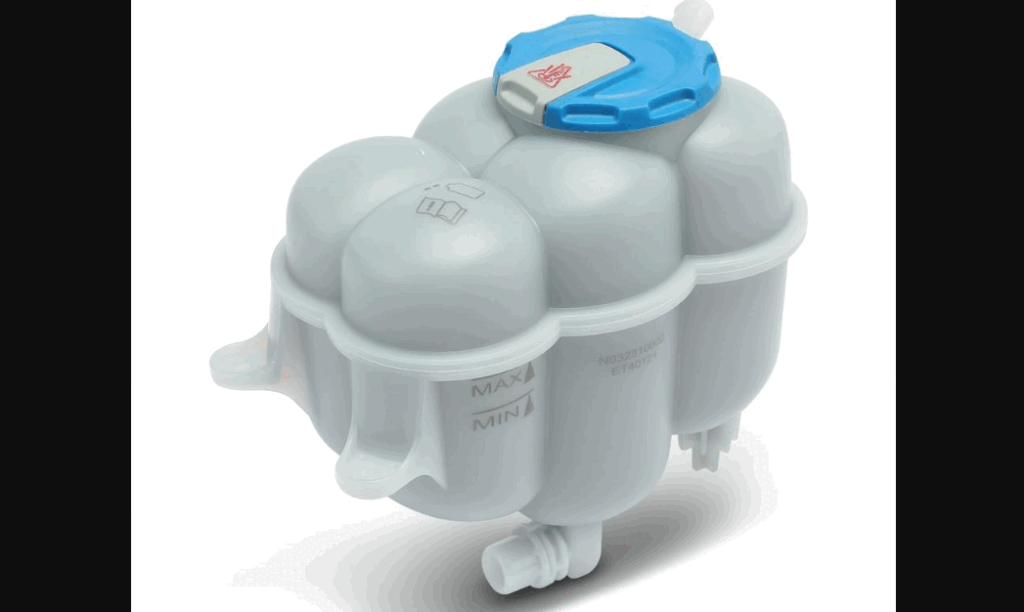
What Audi Coolant Type Does an Audi Use?
The right Audi coolant type depends on the specification required by the vehicle. Audi vehicles have used coolant specifications such as G12, G12+, G12++, G13, and G12evo. Each specification identifies a specific coolant formulation and application. You should check the required specification before adding or replacing coolant.
Your Audi model, engine, and production period can affect the correct coolant choice. A coolant that suits one Audi does not automatically suit another Audi. Vehicle specific information gives you a more reliable way to identify the right coolant than a general recommendation for the Audi brand.
Coolant color does not provide enough information to identify an Audi coolant type. Different coolant formulations can have similar colors. Color alone cannot confirm compatibility. The coolant specification provides a more reliable reference when you need to select or replace coolant.
The main coolant specifications discussed for Audi vehicles include G12, G12+, G12++, G13, and G12evo. These specifications form the core of Audi coolant selection in this guide. The available source material does not provide a complete specification list for every Audi model and engine. You should therefore verify the required coolant specification for your specific Audi before adding coolant.
Which Coolant Specifications Are Used in Audi Vehicles?
Audi vehicles use several coolant specifications, including G12, G12+, G12++, G13, and G12evo. These specifications identify different coolant formulations used in Audi and Volkswagen Group vehicle applications. The correct choice depends on the requirements of the specific vehicle.
G12 is part of the older Audi coolant specification family. G12+ follows this specification and appears in the same coolant family. G12++ represents another specification used in Audi and Volkswagen Group applications. These specifications help identify the coolant required by the vehicle rather than relying on the coolant color.
G13 became another important specification in Audi coolant applications. G12evo represents a newer coolant specification that also appears in Audi applications. The presence of several specifications means that you should not assume every Audi uses the same coolant. Your vehicle’s model, engine, and production period can help identify the correct specification.
The available source material does not provide a complete technical comparison of the chemical composition or performance differences between G12, G12+, G12++, G13, and G12evo. It also does not provide a complete Audi model and engine compatibility chart. Therefore, the specification required by your specific Audi should guide coolant selection. This approach is more reliable than choosing a coolant based only on its name or color.
How Do You Know Which Coolant Type Your Audi Needs?
You can identify the right Audi coolant type by checking the vehicle’s model, engine, and production period. These details help narrow down the coolant specification that applies to your vehicle. The coolant already in the cooling system also provides useful information when you need to add more coolant.
Start by identifying your exact Audi model and engine. An Audi A4, for example, does not automatically use the same coolant specification as every other Audi model. Engine configuration can also affect the required coolant type. The vehicle’s production period provides another useful detail because Audi has used different coolant specifications over time.
Next, check the vehicle documentation or other vehicle specific maintenance information for the required coolant specification. Look for the specification rather than relying on the coolant color. The specification gives you a more reliable basis for selecting compatible coolant.
You should also consider the coolant already in the system before adding another type. If you know its specification, you can compare it with the specification required by your Audi. If you cannot identify the existing coolant or confirm compatibility, avoid choosing a coolant based only on its color or general suitability for Audi vehicles.
The safest selection process is straightforward. Identify the Audi model, confirm the engine, check the production period, and verify the required coolant specification. This approach helps you choose an Audi coolant type that matches the vehicle instead of relying on a generic coolant recommendation.
Does Audi Coolant Color Tell You Which Coolant Type to Use?
Audi coolant color does not provide enough information to identify the correct Audi coolant type. Coolant color can help you recognize a product, but it does not confirm the coolant specification. You should use the required specification as the main reference when selecting coolant for your Audi.
Different coolant formulations can have similar colors. This means two coolants with a similar appearance may not have the same specification or compatibility. Choosing coolant by color alone can therefore lead to the wrong selection. The same principle applies when you compare the coolant already in your Audi with a new product.
The coolant specification provides a more reliable way to identify the correct type. Audi vehicles use specifications such as G12, G12+, G12++, G13, and G12evo. Your specific Audi may require one of these specifications based on its model, engine, and production period. Checking the required specification gives you a clearer basis for coolant selection than visual appearance.
You should also check the existing coolant before adding another type. If you cannot confirm its specification, do not assume that a similar color means compatibility. Verify the required coolant specification for your Audi first. This approach reduces the risk of selecting the wrong coolant and keeps the focus on the vehicle’s actual cooling system requirements.
Can You Mix Different Types of Audi Coolant?
You should confirm coolant compatibility before mixing different Audi coolant types. Audi vehicles use several coolant specifications, including G12, G12+, G12++, G13, and G12evo. These specifications do not mean that every coolant works interchangeably in every Audi. Your vehicle’s required specification should guide the decision.
Coolant color cannot confirm whether two coolant types are compatible. Two products can have similar colors while using different formulations. You should therefore check the coolant specification instead of comparing colors when you need to add coolant. This approach gives you a more reliable basis for deciding whether a new coolant fits the existing coolant.
If you know the specification of the coolant already in your Audi, compare it with the specification required for your vehicle. This comparison helps you determine whether the coolant matches the vehicle’s requirements. If you cannot identify the existing coolant, avoid adding another type based only on its color or a general claim that it works with Audi vehicles.
You should also distinguish between topping up coolant and replacing the coolant. Topping up adds coolant to the existing system, so compatibility becomes especially important. A coolant replacement involves removing the existing coolant and following the appropriate service procedure. When the existing coolant or its specification remains unknown, vehicle specific maintenance information provides the most reliable basis for the next step.
The key rule is simple: check the coolant specification before mixing different types. Do not use color as the deciding factor. Verify the specification required by your Audi and confirm compatibility before adding another coolant.
How Much Coolant Does an Audi Need?
The amount of coolant an Audi needs depends on the specific vehicle configuration. Audi does not use one universal coolant capacity across every model and engine. The required volume can change with the engine, cooling system, and vehicle configuration. You should therefore use vehicle specific information when you need the exact coolant capacity.
Coolant capacity also differs from the amount needed for a simple top up. A low coolant reservoir may require only a small amount of additional coolant. A complete coolant replacement requires a larger volume because the service removes coolant from the cooling system before adding the new mixture.
You should not estimate the required capacity from the size of the coolant reservoir. The reservoir holds only part of the cooling system’s coolant. The radiator, engine, hoses, and other cooling system components also hold coolant. The total system capacity therefore exceeds the amount visible in the reservoir.
The available source material does not provide exact coolant capacities for individual Audi models or engines. It therefore cannot support a universal number for Audi coolant capacity. Before you refill or replace coolant, check the vehicle specific service information for the exact capacity and required coolant specification. This approach helps you avoid both underfilling and adding more coolant than the system requires.
How Do You Check the Coolant Level in an Audi?
You can check the Audi coolant level through the coolant reservoir. The reservoir shows the current coolant level and provides a simple way to identify whether the system has enough coolant. You should check the level under safe conditions and follow the vehicle specific instructions for your Audi.
The coolant level can change when the engine operates and when the cooling system reaches different temperatures. For this reason, you should not open the cooling system while the engine is hot. A hot cooling system can contain pressurized coolant and create a serious burn risk. Allow the system to cool before you inspect or handle the coolant reservoir.
A low coolant level does not always mean that the system simply needs more coolant. Repeated coolant loss can indicate a leak or another cooling system problem. Adding coolant may restore the level temporarily, but it does not identify or fix the reason for the loss. You should investigate repeated coolant loss instead of treating it as a normal maintenance condition.
Use the correct Audi coolant type when you need to top up the system. Check the required coolant specification before adding coolant, especially when you do not know which coolant remains in the system. Do not rely on coolant color alone to decide whether a product matches your Audi.
Checking the coolant level is therefore only one part of Audi cooling system maintenance. A correct level, compatible coolant, and a functioning cooling system all matter. If the coolant level continues to fall, the vehicle requires further inspection to determine the cause.
When Should You Replace the Coolant in an Audi?
You should replace the coolant in an Audi according to the maintenance requirements for the specific vehicle. Audi models do not necessarily share one universal coolant replacement interval. The required service schedule can depend on the model, engine, coolant specification, and vehicle configuration.
Coolant replacement differs from topping up the coolant level. Topping up adds compatible coolant to the existing cooling system when the level falls below the required range. Replacement removes the existing coolant and adds the appropriate coolant according to the vehicle’s service procedure. These two maintenance actions serve different purposes.
You should also consider the condition of the cooling system when deciding whether the vehicle needs coolant service. A coolant level that repeatedly falls can indicate a leak or another problem. Adding new coolant does not solve the underlying issue. The vehicle needs further inspection when coolant loss continues after topping up.
The correct Audi coolant type also matters during replacement. Audi vehicles use specifications such as G12, G12+, G12++, G13, and G12evo. You should verify the specification required by your specific Audi before replacing the coolant. The vehicle model, engine, and production period can help identify the appropriate specification.
The available source material does not provide a universal replacement interval for every Audi model. You should therefore avoid using one fixed mileage or time period for all Audi vehicles. Check the vehicle specific maintenance information for the correct replacement requirements and service procedure.
What Are the Signs of a Coolant Problem in an Audi?
There are several signs that can indicate a coolant problem in an Audi. The main signs include a low coolant level, repeated coolant loss, a visible coolant leak, a coolant warning, and engine overheating. These signs can point to problems with the cooling system rather than a simple need to add more coolant.
A low coolant level is one of the clearest signs that the cooling system needs attention. You may need to add compatible coolant when the level falls below the required range. However, repeated coolant loss requires further investigation. A leak can allow coolant to escape from the system, so adding more coolant alone does not resolve the underlying problem.
A visible coolant leak provides another important warning. Coolant can escape when a cooling system component develops a fault. If you notice repeated coolant loss or visible signs of leakage, you should investigate the cause before continuing normal driving. A cooling system that cannot maintain its coolant level cannot provide reliable engine temperature control.
Engine overheating is a more serious sign of a cooling system problem. The cooling system uses coolant to help control engine temperature, so insufficient coolant or another cooling system fault can affect temperature regulation. An overheating engine requires prompt attention because continued operation can increase the risk of engine damage.
A coolant warning also deserves attention. Do not treat a warning as a reason to keep adding coolant without checking why the level changed. The correct response depends on the cause of the warning and the condition of the cooling system. If the problem continues after you restore the correct coolant level, the Audi needs further inspection.
What Happens If You Use the Wrong Coolant Type in an Audi?
Using the wrong Audi coolant type can create compatibility problems in the cooling system. Audi vehicles use different coolant specifications, including G12, G12+, G12++, G13, and G12evo. These specifications do not mean that every coolant works in every Audi. You should match the coolant specification to the requirements of your specific vehicle.
The main problem occurs when you select coolant without confirming its specification. Coolant color cannot establish compatibility because different formulations can share similar colors. A product that looks similar to the coolant already in your Audi may still have a different specification. Checking the required specification provides a more reliable way to select the correct coolant.
Mixing coolant without confirming compatibility can also create maintenance problems. This issue becomes more important when you do not know which coolant already exists in the system. Adding another coolant based only on its color or a general claim that it works with Audi vehicles does not provide enough information to confirm compatibility.
The correct response depends on what coolant you used and the condition of the cooling system. If you have added an unknown or incompatible coolant, vehicle specific maintenance information can help determine the appropriate service procedure. A complete coolant replacement may provide a clearer solution when the existing coolant cannot be identified, but the correct procedure depends on the specific Audi.
The key principle is simple: use the coolant specification required by your Audi rather than choosing coolant by color or brand alone. Confirm the specification before adding coolant, especially when the existing coolant is unknown.
How Can You Choose the Right Coolant Type for Your Audi?
You can choose the right Audi coolant type by confirming the coolant specification required for your specific vehicle. Audi vehicles use specifications such as G12, G12+, G12++, G13, and G12evo. The correct specification depends on the vehicle rather than the Audi brand alone. Your model, engine, and production period can help you identify the appropriate coolant.
Check the required specification before you add or replace coolant. Do not use coolant color as the main identification method because similar colors can appear in different formulations. You should also check the coolant already in the system when you need to top up the level. Confirm compatibility before mixing different coolant types.
The amount of coolant your Audi needs also depends on the specific vehicle configuration. Use vehicle specific information when you need the exact capacity or replacement procedure. A low coolant level does not always mean that you only need more coolant. Repeated coolant loss, visible leaks, warning messages, or engine overheating can indicate a cooling system problem that requires further inspection.
The correct process is straightforward. Identify your Audi model and engine, check the production period, verify the required coolant specification, and confirm compatibility before adding coolant. This approach helps you select the right Audi coolant type and maintain the cooling system according to the requirements of your vehicle.