When shopping for a compact SUV, reliability is often the most important factor influencing a buyer’s decision. After all, no one wants to invest in a vehicle that may lead to unexpected breakdowns, costly repairs, or frequent trips to the mechanic. Among the many options available today, the Subaru Forester has earned a reputation as a practical, safe, and capable SUV. But one question continues to stand out among potential buyers: Are Subaru Foresters reliable?
The Subaru Forester has been a popular choice for families, commuters, and outdoor enthusiasts for more than two decades. Its standard all wheel drive system, spacious interior, impressive safety ratings, and strong resale value have helped it remain competitive in a crowded SUV market. However, reliability is about more than reputation. Buyers want to know how long a Forester can last, what problems they may encounter, how much maintenance costs, and whether a used model is worth purchasing.
In this complete owner’s guide, we will take an in depth look at Subaru Forester reliability, including common issues, expected lifespan, maintenance expenses, the best and worst model years, and how the Forester compares to its key competitors. By the end of this guide, you will have a clear understanding of whether the Subaru Forester is the right SUV for your needs.
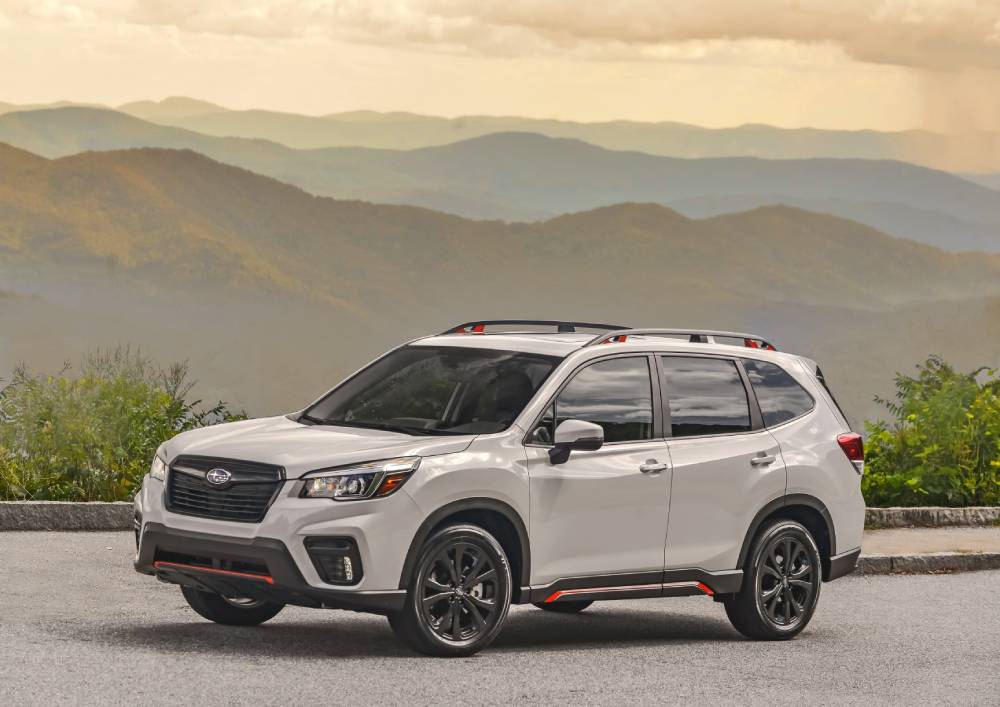
Are Subaru Foresters Reliable? The Short Answer
The short answer is yes. Subaru Foresters are generally considered reliable compact SUVs, particularly when they are properly maintained and serviced according to the manufacturer’s recommendations. Over the years, the Forester has developed a strong reputation for durability, safety, and all weather capability, making it one of the most popular choices among families and outdoor enthusiasts.
Reliability ratings from various automotive research organizations often place the Subaru Forester above average within the compact SUV segment. Many owners report driving their vehicles well beyond 200,000 miles with relatively few major mechanical issues. This level of longevity is one of the primary reasons why the Forester continues to attract both new and used car buyers.
One of the biggest strengths of the Forester is its standard Symmetrical All Wheel Drive system. Unlike many competitors that offer all wheel drive as an optional upgrade, every Forester comes equipped with this feature. The system provides excellent traction in rain, snow, and rough road conditions while contributing to a balanced driving experience.
However, no vehicle is perfect. Certain model years have experienced issues related to excessive oil consumption, CVT transmissions, and head gasket failures. These concerns have led some buyers to question the vehicle’s overall dependability. Fortunately, many of these problems are limited to specific production years and can often be avoided by choosing the right model and maintaining it properly.
For most owners, the Subaru Forester delivers a dependable ownership experience with reasonable maintenance costs and strong long term value.
How Long Do Subaru Foresters Last?
One of the most impressive aspects of Subaru Forester ownership is the vehicle’s potential lifespan. When properly maintained, a Subaru Forester can often last between 200,000 and 250,000 miles. Some owners have even reported surpassing the 300,000 mile mark while still using the vehicle as a daily driver.
To put this into perspective, the average American driver covers approximately 12,000 to 15,000 miles per year. At that rate, a well maintained Subaru Forester could remain on the road for 15 years or more before reaching high mileage territory. This longevity places it among the more durable options in the compact SUV category.
Several factors contribute to the Forester’s lifespan. Regular oil changes, timely fluid replacements, tire rotations, brake inspections, and adherence to the recommended maintenance schedule all play critical roles in preserving the vehicle’s condition. Owners who neglect routine maintenance are far more likely to encounter expensive repairs later in the vehicle’s life.
Driving habits also influence longevity. Vehicles that are frequently subjected to aggressive acceleration, heavy towing, or harsh driving conditions may experience accelerated wear on major components. On the other hand, drivers who practice smooth acceleration and consistent maintenance often enjoy significantly longer vehicle life.
For used car shoppers, mileage alone should not be the deciding factor. A Forester with 150,000 miles and a complete maintenance history can often be a safer purchase than a lower mileage vehicle that has been poorly maintained. Reviewing service records and conducting a professional inspection can reveal far more about a vehicle’s future reliability than the odometer reading alone.
What Makes the Subaru Forester Reliable?
The Subaru Forester’s reputation for reliability is not the result of a single feature. Instead, it comes from a combination of engineering choices, proven technology, and a long standing focus on safety and durability.
One major contributor is Subaru’s Symmetrical All Wheel Drive system. This design distributes power evenly and helps improve vehicle stability under a wide range of driving conditions. Because the system is engineered as an integrated part of the vehicle rather than an added option, it often delivers smoother performance and reduced drivetrain stress over time.
Another key factor is Subaru’s Boxer engine design. Unlike traditional inline or V shaped engines, Boxer engines position their cylinders horizontally. This layout lowers the vehicle’s center of gravity and contributes to improved handling and stability. While Boxer engines require specialized maintenance knowledge, they have demonstrated strong long term durability when properly cared for.
Safety engineering also plays a significant role. Subaru consistently invests in advanced driver assistance technologies and structural safety improvements. Features such as automatic emergency braking, lane departure warning, adaptive cruise control, and collision mitigation systems help reduce accident risks and may contribute to lower ownership costs over time.
Owner loyalty provides another indicator of reliability. Subaru regularly ranks among brands with high customer retention rates. Many Forester owners purchase multiple Subaru vehicles throughout their lifetime because of positive ownership experiences and confidence in the brand’s long term dependability.
The Forester’s practical design further supports reliability. The vehicle avoids unnecessary complexity found in some competitors and focuses on delivering consistent everyday performance. This balance of durability, functionality, and proven engineering has helped establish the Forester as one of the most trusted compact SUVs on the market.
Common Subaru Forester Problems Owners Should Know
Although the Subaru Forester is generally regarded as a reliable SUV, prospective buyers should be aware of several issues that have affected certain model years. Understanding these problems can help owners identify warning signs early and avoid unexpected repair costs.
One of the most widely reported concerns involves excessive oil consumption. Some Forester models, particularly those produced during the early 2010s, were known to consume oil at a faster than expected rate. Owners often discovered the issue when the oil level dropped significantly between scheduled oil changes. If left unaddressed, low oil levels can increase engine wear and potentially lead to more serious mechanical damage. Regular oil level checks are essential for owners of affected vehicles.
Another area of concern is the Continuously Variable Transmission, commonly known as the CVT. While Subaru’s CVT is designed to improve fuel efficiency and provide smoother acceleration, some owners have reported hesitation, shuddering, or unusual noises during operation. Although many vehicles perform without issue, transmission repairs can be expensive when problems arise. Buyers should carefully review maintenance records and ensure the transmission has been properly serviced.
Older Forester models have also been associated with head gasket failures. This issue was more common in earlier generations and could result in coolant leaks, overheating, and costly repairs if ignored. Fortunately, Subaru made significant improvements in later generations, reducing the frequency of these problems.
Suspension wear is another issue occasionally reported by long term owners. Components such as control arm bushings, wheel bearings, and shock absorbers naturally wear over time, especially on vehicles driven extensively on rough roads. While these repairs are not unique to Subaru, they can become more common as mileage increases.
Electrical issues, including battery drain and malfunctioning sensors, have also been reported by some owners. Most of these problems are relatively minor compared to major engine or transmission failures, but they can still be frustrating and may require diagnostic work to resolve.
The good news is that many of these concerns are limited to specific model years. Buyers who research vehicle history, obtain a pre purchase inspection, and choose well maintained examples can significantly reduce the likelihood of encountering major problems.
Best Subaru Forester Model Years to Buy
Not all Subaru Forester model years are created equal. Some years stand out for their exceptional reliability, modern technology, safety features, and owner satisfaction. Buyers looking for the most dependable Forester should focus on these highly regarded model years.
The 2019 Subaru Forester marked the beginning of a new generation and introduced significant improvements in design, safety, and refinement. Built on Subaru’s Global Platform, the vehicle offered enhanced structural rigidity, better ride quality, and improved crash protection. Owners praised its comfortable interior, fuel efficiency, and dependable performance.
The 2020 Subaru Forester continued the strengths of the previous year while benefiting from minor refinements and software updates. Reliability scores remained strong, and many owners appreciated the standard EyeSight Driver Assist Technology package, which added valuable safety features without increasing complexity.
The 2021 model further enhanced the Forester’s reputation by delivering a balanced combination of practicality, comfort, and reliability. Reports of major mechanical issues remained relatively low, making it one of the safest choices for used vehicle shoppers.
The 2022 Subaru Forester introduced updated styling and additional technology features while maintaining the dependable foundation established by earlier models. Improved driver assistance systems and refined cabin materials made it an attractive option for families seeking a long lasting SUV.
The 2023 Forester continued this trend, offering excellent safety ratings, strong owner satisfaction, and consistent reliability. Buyers looking for a newer used vehicle often view this model year as a particularly attractive option because it combines modern features with a proven mechanical design.
These newer generation Foresters generally benefit from years of engineering improvements and tend to experience fewer major reliability concerns than some older versions. While routine maintenance remains essential, these model years represent some of the strongest choices for long term ownership.
Subaru Forester Years to Avoid
While the Forester has many excellent model years, certain versions have generated a higher number of owner complaints and reliability concerns. Buyers considering a used Subaru Forester should carefully evaluate these years before making a purchase decision.
The 2011 Subaru Forester is frequently cited as a model that experienced higher than average reports of engine related issues. Excessive oil consumption and head gasket concerns were among the most commonly discussed problems. Although not every vehicle was affected, repair costs could become substantial for owners who encountered these issues.
The 2012 model also received criticism for oil consumption problems. Some owners reported adding oil frequently between scheduled maintenance intervals. While Subaru addressed some concerns through warranty programs and technical updates, buyers should verify service history carefully before purchasing this model year.
The 2014 Subaru Forester introduced a redesigned generation but experienced mixed reliability reviews. Some owners reported issues involving the CVT transmission, excessive oil use, and various electronic system concerns. While many vehicles performed well, the volume of complaints was higher than what many buyers would expect from a reliability focused SUV.
The 2015 Forester continued to receive reports related to oil consumption and transmission behavior. Although Subaru implemented improvements over time, some vehicles still experienced issues that affected owner satisfaction and long term maintenance costs.
This does not mean these model years should automatically be avoided. A well maintained example with complete service records can still provide years of dependable transportation. However, buyers should conduct a thorough inspection, review maintenance documentation, and consider setting aside a repair budget if choosing one of these years.
In many cases, spending slightly more on a newer and more reliable model year can result in lower overall ownership costs and greater peace of mind over the long term.
Subaru Forester Maintenance Costs
One of the reasons the Subaru Forester remains a popular choice among families and daily commuters is its relatively affordable ownership cost. While maintenance expenses are not the lowest in the compact SUV segment, they are generally reasonable and predictable when compared to many competitors.
Routine maintenance plays a crucial role in preserving the Forester’s reliability and longevity. Regular oil changes, tire rotations, brake inspections, fluid replacements, and scheduled servicing help prevent small issues from turning into expensive repairs. Owners who follow Subaru’s recommended maintenance schedule often experience fewer major mechanical problems throughout the vehicle’s life.
Oil changes are among the most common maintenance tasks and should be performed according to the manufacturer’s guidelines. Depending on driving conditions and oil type, many owners schedule service every 5,000 to 7,500 miles. Consistent oil maintenance is particularly important for protecting the Boxer engine and ensuring long term performance.
Brake service costs are generally in line with other compact SUVs. Brake pads and rotors naturally wear over time, especially for drivers who frequently travel in stop and go traffic. Tire replacement can also be a significant expense because all wheel drive vehicles require proper tire matching to maintain drivetrain performance.
Transmission maintenance deserves special attention. Although Subaru’s CVT transmission is designed for durability, regular fluid inspections and servicing can help extend its lifespan. Ignoring transmission maintenance may increase the risk of expensive repairs later in ownership.
Unexpected repairs can occur with any vehicle, but the Forester typically avoids the high maintenance costs associated with many luxury SUVs. Owners who address issues promptly and invest in preventive maintenance often find that the vehicle remains affordable to operate even at higher mileage levels.
When evaluating ownership costs, buyers should consider not only maintenance expenses but also factors such as fuel economy, insurance rates, resale value, and repair frequency. In these areas, the Subaru Forester generally performs well, contributing to its reputation as a practical long term investment.
Is a Used Subaru Forester Worth Buying?
For many shoppers, purchasing a used Subaru Forester represents an opportunity to obtain a capable and reliable SUV at a significantly lower price than a new model. In many cases, a well maintained used Forester can provide excellent value and years of dependable service.
One of the biggest advantages of buying a used Forester is its strong reputation for longevity. Many examples remain on the road well beyond 200,000 miles, demonstrating the vehicle’s ability to withstand years of daily use. This durability makes the Forester particularly appealing to budget conscious buyers seeking long term value.
The standard all wheel drive system is another major selling point. Unlike many competitors that reserve all wheel drive for higher trim levels, every Forester includes this feature. For drivers living in regions with snow, rain, or challenging road conditions, this can provide additional confidence and safety.
However, buying a used Forester requires careful research. Not all model years offer the same level of reliability, and some vehicles may have experienced inadequate maintenance throughout their lives. Buyers should always request maintenance records, review vehicle history reports, and arrange for an independent mechanical inspection before finalizing a purchase.
A thorough inspection should focus on engine condition, transmission performance, suspension components, fluid leaks, and electronic systems. Test driving the vehicle can also reveal warning signs such as unusual noises, vibration, hesitation during acceleration, or steering issues.
Mileage should not be the sole factor influencing a purchase decision. A higher mileage Forester with detailed service records may be a better investment than a lower mileage vehicle that has been neglected. Consistent maintenance often tells a more important story than the odometer alone.
For buyers willing to conduct proper research and choose the right model year, a used Subaru Forester can be one of the most practical and cost effective compact SUVs available on the market.
Subaru Forester vs Competitors
The compact SUV segment is one of the most competitive categories in the automotive industry. Buyers considering a Subaru Forester often compare it with rivals such as the Toyota RAV4, Honda CR-V, and Mazda CX-5. Each vehicle offers unique strengths, but understanding how the Forester compares in terms of reliability and ownership can help buyers make a more informed decision.
The Toyota RAV4 is widely recognized as one of the most reliable compact SUVs available. It consistently receives strong reliability ratings and benefits from Toyota’s long standing reputation for durability. In terms of long term dependability, the RAV4 may hold a slight advantage. However, the Forester counters with standard all wheel drive across all trims, making it particularly attractive for drivers who regularly encounter challenging weather conditions.
The Honda CR-V is another strong competitor known for practicality, fuel efficiency, and reliability. Both vehicles offer spacious interiors and comfortable ride quality. The CR-V often receives praise for its refined driving experience, while the Forester stands out for superior visibility, off pavement capability, and confidence inspiring traction.
The Mazda CX-5 takes a different approach by emphasizing premium interior quality and engaging driving dynamics. Drivers seeking a more upscale feel may prefer the Mazda, but the Forester generally offers greater cargo space, better outward visibility, and stronger utility for outdoor activities.
When comparing maintenance costs, all four vehicles remain relatively affordable compared to larger SUVs or luxury models. Differences in ownership expenses are often small enough that buyers should focus on their individual priorities rather than maintenance costs alone.
For families, outdoor enthusiasts, and drivers who value all weather confidence, the Subaru Forester presents a compelling balance of reliability, safety, practicality, and versatility. While competitors may outperform it in specific categories, the Forester continues to stand out as one of the most well rounded compact SUVs available today.
Conclusion
So, are Subaru Foresters reliable? For most drivers, the answer is a confident yes.
Over the years, the Subaru Forester has established itself as one of the most dependable compact SUVs on the market. Its combination of standard all wheel drive, strong safety performance, practical design, and impressive longevity makes it a vehicle that appeals to a wide range of buyers. Whether you are a daily commuter, a growing family, or an outdoor enthusiast who frequently ventures beyond paved roads, the Forester offers a level of versatility that few competitors can match.
Like any vehicle, the Forester is not without flaws. Certain model years have experienced issues related to oil consumption, CVT transmissions, and head gaskets. However, these concerns are largely limited to specific production periods rather than the entire lineup. Buyers who research model years carefully and follow recommended maintenance schedules can significantly reduce the risk of encountering major problems.
One of the Forester’s greatest strengths is its ability to deliver long term value. Many owners report driving their vehicles for well over 200,000 miles, and some exceed 250,000 miles with proper care. This durability helps offset ownership costs and contributes to strong resale values.
For shoppers considering a used vehicle, choosing a well maintained Forester with documented service records can be a smart investment. For those purchasing new, the latest generations continue to build upon Subaru’s reputation for reliability while incorporating modern safety and technology features.
Ultimately, the Subaru Forester remains one of the most practical and trustworthy choices in the compact SUV segment. If reliability, safety, all weather capability, and long term ownership value are among your top priorities, the Forester deserves a place near the top of your shopping list.
Before making your final decision, compare model years, review maintenance histories, and evaluate your specific driving needs. Taking the time to do your research today could help you enjoy years of dependable and stress free ownership in the future.