Many car buyers ask the same question when comparing affordable vehicles: Are Honda and Hyundai the same company? The confusion is understandable because both brands are incredibly popular in the global automotive market. They both produce reliable sedans, practical SUVs, and fuel efficient family vehicles that compete in similar price ranges. At first glance, Honda and Hyundai may even seem connected because their names sound somewhat similar and their cars often appear side by side in dealerships and online comparisons.
However, Honda and Hyundai are completely different automotive manufacturers with separate histories, ownership structures, and engineering philosophies. Honda originated in Japan and built its reputation around reliability, efficient engineering, and long lasting vehicles. Hyundai, on the other hand, comes from South Korea and became famous for offering modern technology, attractive pricing, and one of the best warranty programs in the auto industry.
Understanding the differences between these two brands is important before buying a new vehicle. Many drivers worry about maintenance costs, resale value, fuel economy, reliability, and long term ownership expenses. Choosing the wrong brand for your needs can lead to frustration, higher repair bills, or disappointment with performance and comfort.
In this guide, you will discover whether Honda and Hyundai are the same company, how they differ, which brand is more reliable, and what makes each automaker unique in today’s competitive market. You will also learn which brand may be the better choice depending on your budget, driving habits, and personal preferences.
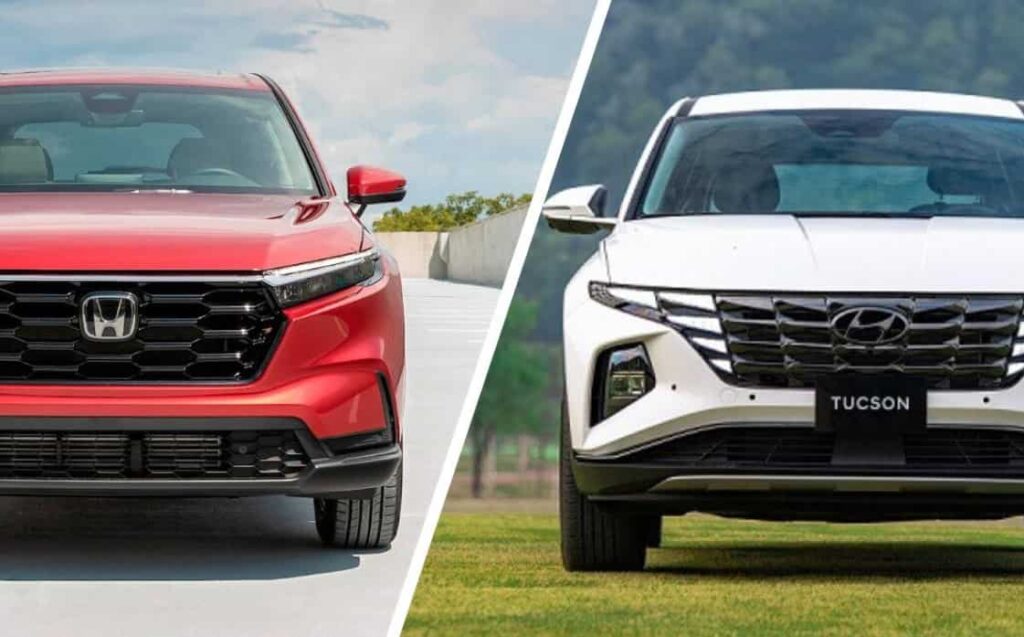
Are Honda and Hyundai the Same Company?
No, Honda and Hyundai are not the same company. They are completely separate automakers from different countries with different ownership groups, manufacturing strategies, and brand identities.
Honda is a Japanese automotive company officially known as Honda Motor Co. The company was founded in 1948 and quickly became one of the most respected names in the automotive industry. Honda earned global recognition through its motorcycles before expanding into cars, SUVs, engines, and advanced mobility technology. Today, Honda is known for producing dependable vehicles with strong fuel efficiency and excellent resale value.
Hyundai is a South Korean automotive manufacturer officially called Hyundai Motor Company. It was founded in 1967 and has grown into one of the largest car brands in the world. Hyundai initially gained attention by offering affordable vehicles with generous warranties. Over time, the company improved its design quality, safety technology, and overall reliability. Modern Hyundai vehicles now compete directly with Japanese brands in multiple segments.
Although Honda and Hyundai compete in many categories, they are not related companies. Honda operates independently, while Hyundai belongs to the Hyundai Motor Group, which also owns Kia and Genesis. Their engineering teams, production facilities, and business operations are entirely separate.
Many consumers compare Honda and Hyundai because both brands focus on practical transportation for everyday drivers. They produce compact sedans, midsize cars, family SUVs, and hybrid models aimed at buyers looking for value and reliability. Despite these similarities, each brand has developed a very different reputation over the years.
Honda is often associated with long term durability and sporty driving dynamics. Hyundai is commonly praised for technology features, modern styling, and competitive pricing. Understanding these differences can help buyers choose the brand that better matches their expectations and driving lifestyle.
What Is Honda?
Honda ranks among the most recognizable automotive brands in the world. Soichiro Honda founded the company in Japan in 1948 with a strong passion for innovation and mechanical performance. Before entering the automobile industry, Honda achieved success through motorcycles. The company quickly earned a reputation for building efficient and reliable engines that attracted consumers searching for affordable transportation.
As global demand for fuel efficient vehicles increased, Honda expanded into the automobile market and introduced iconic models that influenced the industry. Cars like the Honda Civic and Honda Accord became extremely popular because they delivered reliability, practicality, and low operating costs. Drivers who wanted a vehicle that could last for years without major mechanical issues often chose Honda as a dependable option.
Honda’s engineering consistency remains one of the brand’s greatest strengths. The company spent decades improving its engines, transmissions, and vehicle platforms. This commitment to quality helped Honda build a strong reputation for durability and resale value. Even today, many older Honda vehicles continue running with high mileage, which strengthens consumer trust in the brand.
Honda also focuses on creating vehicles that combine comfort with driving enjoyment. Unlike some economy car manufacturers that prioritize affordability alone, Honda designs many vehicles with responsive handling and smooth acceleration. As a result, many Honda models deliver a sportier driving experience than competitors in similar price ranges.
Today, Honda sells a wide range of vehicles including sedans, SUVs, hybrids, and trucks. Popular models include the Honda Civic, Honda Accord, Honda CR V, Honda Pilot, and Honda HR V. The company also produces motorcycles, marine engines, and power equipment for customers around the world.
Many buyers view Honda as a symbol of long term value. Drivers who worry about expensive repairs, poor fuel economy, or rapid depreciation often choose Honda because of its proven reliability. Although Honda vehicles sometimes cost more upfront than competitors, many consumers believe the lower maintenance expenses and stronger resale value justify the higher initial investment.
What Is Hyundai?
Hyundai stands as one of the fastest growing automotive brands in the global market. The company launched in South Korea in 1967 and initially focused on producing affordable vehicles for consumers who needed practical transportation at competitive prices. During its early years, Hyundai struggled to compete with established Japanese and American automakers, especially in quality perception and long term reliability.
Over the past two decades, Hyundai completely transformed its image. The company invested heavily in research, engineering, safety technology, and vehicle design. These investments allowed Hyundai to evolve from a budget focused manufacturer into a serious competitor across nearly every major vehicle segment. Today, many drivers praise Hyundai models for their modern interiors, advanced technology, and stylish exterior designs.
Hyundai gained popularity quickly because the company strongly emphasizes value. Many Hyundai vehicles include premium features at lower prices than competing brands. Buyers often receive advanced infotainment systems, driver assistance technology, large touchscreen displays, and safety features without paying luxury level prices. This strategy helped Hyundai attract younger drivers and families searching for affordable vehicles with modern convenience.
Hyundai also strengthened its reputation by offering one of the best warranty programs in the automotive industry. The company gives buyers long warranty coverage that reduces concerns about repair expenses and long term ownership costs. This approach became especially effective among consumers who previously questioned Hyundai’s reliability.
The Hyundai lineup now includes sedans, SUVs, hybrid vehicles, and electric models. Popular options include the Hyundai Elantra, Hyundai Sonata, Hyundai Tucson, Hyundai Santa Fe, and Hyundai Palisade. Hyundai also owns Genesis, a luxury automotive brand that competes with premium manufacturers.
Compared to Honda, Hyundai often attracts buyers who prioritize technology, comfort, and affordability. Many consumers choose Hyundai because they want modern features at lower monthly payments. Others appreciate the stylish designs and generous warranty coverage that help reduce anxiety about future maintenance costs.
Although Hyundai and Honda compete directly in many markets, Hyundai created its own identity through innovation, aggressive pricing, and rapid technological development.
Key Differences Between Honda and Hyundai
Country of Origin and Brand Identity
Honda originates from Japan while Hyundai comes from South Korea. This difference shapes how each company builds its brand identity and engineering philosophy. Honda developed its reputation through precision engineering and long term durability. Hyundai built its identity by focusing on affordability, design innovation, and rapid technological improvement. Both companies compete globally, but they follow different paths to attract customers in the automotive market.
Reliability and Long Term Durability
Honda earned a strong reputation for long lasting engines and consistent mechanical performance. Many Honda vehicles remain reliable even after high mileage, which increases trust among used car buyers. Hyundai has significantly improved its reliability over the past decade. The company now produces vehicles that perform well in long term ownership, although Honda still holds a slight advantage in overall durability perception among many consumers.
Pricing and Overall Value
Hyundai usually offers more features at a lower price compared to Honda. Buyers often receive advanced technology and comfort features without paying extra. Honda typically prices its vehicles slightly higher, but many customers accept this because Honda vehicles tend to hold their value better over time. In terms of long term ownership cost, both brands remain competitive, but they appeal to different budget priorities.
Technology and Interior Features
Hyundai places strong emphasis on modern technology and user friendly interfaces. Many Hyundai models include large touchscreens, digital dashboards, and advanced driver assistance systems as standard features. Honda focuses more on simplicity, usability, and functional design. While Honda also offers modern technology, Hyundai often feels more advanced in terms of interior features and digital experience.
Driving Experience and Performance
Honda designs its vehicles to deliver a more engaging driving experience. Many drivers notice sharper handling and smoother engine response in Honda models. Hyundai prioritizes comfort and relaxed driving dynamics, making its vehicles more suitable for everyday commuting and long distance travel. The difference is not extreme, but it reflects each brand’s engineering priorities.
Warranty and Ownership Benefits
Hyundai provides one of the strongest warranty programs in the automotive industry, which gives buyers extra confidence and reduces long term risk. Honda offers a standard warranty package, but it relies more on proven reliability than extended coverage. This difference often influences first time buyers who want additional protection against unexpected repair costs.
Are Honda and Hyundai Owned by the Same Company?
Honda and Hyundai are not owned by the same company, and they do not share any corporate relationship. Each brand operates as an independent automotive manufacturer with its own leadership, engineering teams, and global business strategy. Honda belongs to Honda Motor Co., a Japanese company that has been developing motorcycles, automobiles, and power equipment since 1948. Hyundai belongs to Hyundai Motor Company, a South Korean automaker founded in 1967 and part of the larger Hyundai Motor Group, which also includes Kia and Genesis.
Honda operates as a standalone corporation with no parent company controlling its decisions. The company focuses heavily on internal research and development, especially in engine efficiency, reliability engineering, and long term vehicle durability. Its global reputation is built on producing practical vehicles that maintain performance over many years of use.
Hyundai, on the other hand, functions within a larger automotive group structure. Hyundai Motor Group oversees multiple brands, including Kia and Genesis, and shares technology, platforms, and manufacturing resources across its subsidiaries. This structure allows Hyundai to rapidly develop new models and integrate advanced features across different vehicle lines.
Although Honda and Hyundai compete in similar markets such as sedans, SUVs, and hybrid vehicles, they remain fully separate entities. There is no shared ownership, no cross branding, and no joint corporate governance between them. Any similarities between the two brands come from market competition rather than corporate connection.
Understanding this difference is important for car buyers because it clarifies that Honda and Hyundai develop vehicles independently, with different design philosophies, technologies, and long term strategies.
Why People Confuse Honda and Hyundai
Many car buyers confuse Honda and Hyundai because both brands operate in very similar segments of the automotive market. They both produce affordable sedans, compact cars, and family SUVs that target everyday drivers. When consumers compare models online or visit dealerships, they often see Honda and Hyundai vehicles listed side by side, which naturally creates the impression that the two companies are closely related.
Another reason for the confusion is the similarity in naming style. Both “Honda” and “Hyundai” start with the letter H and have a modern, international sound. For new car buyers who are not familiar with automotive brands, this can easily lead to the assumption that they are connected or even part of the same company group.
The confusion also increases because both brands are known for offering strong value in their price range. Honda is widely recognized for reliability and long term durability, while Hyundai is known for modern features and competitive pricing. Since both brands appeal to budget conscious consumers, they are often compared in the same discussions, reviews, and search queries.
In addition, Honda and Hyundai compete directly in many global markets. Models such as the Honda Civic and Hyundai Elantra, or Honda CR V and Hyundai Tucson, often target the same group of buyers. This constant head to head competition makes it easy for people to associate the two brands with each other.
However, despite these similarities, Honda and Hyundai are completely independent companies with different origins, engineering philosophies, and corporate structures. The confusion comes from market positioning rather than any actual business connection.
Frequently Asked Questions
Is Honda more reliable than Hyundai?
Honda is often viewed as slightly more reliable in terms of long term durability and consistent performance over high mileage. Many Honda vehicles are known to run smoothly for many years with minimal major repairs when properly maintained. However, Hyundai has made significant improvements in quality and reliability over the past decade. In many recent model years, Hyundai vehicles have shown strong performance in dependability studies and real world usage. The difference between the two brands is now much smaller than it was in the past, and both are considered reliable choices depending on the specific model and maintenance history.
Does Hyundai make Honda cars?
No, Hyundai does not manufacture any Honda vehicles. Honda and Hyundai are completely separate companies that design, engineer, and produce their own cars independently. Honda vehicles are built by Honda Motor Co., while Hyundai vehicles are produced by Hyundai Motor Company and its manufacturing partners within the Hyundai Motor Group.
Which brand is cheaper to maintain?
Hyundai is often considered more affordable in terms of upfront features and initial purchase price, and many models come with strong warranty coverage that helps reduce early ownership costs. Honda, while sometimes slightly more expensive to buy, is known for lower long term maintenance costs due to its strong reliability record and fewer major mechanical issues over time. The overall cost difference depends on the model, driving habits, and how long the vehicle is kept.
Are Honda and Hyundai luxury brands?
No, neither Honda nor Hyundai is classified as a luxury brand. Both focus on mainstream vehicles designed for everyday consumers. However, Hyundai does have a luxury division called Genesis, which produces premium vehicles that compete with high end brands such as Lexus, BMW, and Mercedes Benz. Honda does not operate a separate luxury brand but uses Acura as its premium division in some markets.
Conclusion
Honda and Hyundai are two completely different automotive manufacturers with separate origins, corporate structures, and brand philosophies. Honda, a Japanese company, has built its reputation on long term reliability, efficient engineering, and strong resale value. Hyundai, a South Korean automaker, has focused on delivering modern design, advanced technology, and strong value for money, supported by an industry leading warranty program.
Although both brands compete in similar vehicle segments such as sedans, SUVs, and hybrid models, their approaches to vehicle development are different. Honda emphasizes durability and consistent performance over time, making it a popular choice for drivers who prioritize long term ownership confidence. Hyundai focuses more on innovation, comfort, and affordability, appealing to buyers who want more features at a lower price point.
Understanding the differences between Honda and Hyundai helps car buyers make more informed decisions based on their needs, budget, and driving preferences. There is no universal “better” brand because each one serves a different type of customer. Honda may be more suitable for those who value proven reliability and resale strength, while Hyundai may be ideal for those who prioritize technology and upfront value.
Ultimately, the choice between Honda and Hyundai depends on what matters most to the driver. Both brands have proven themselves globally and continue to evolve, offering competitive options in today’s automotive market.