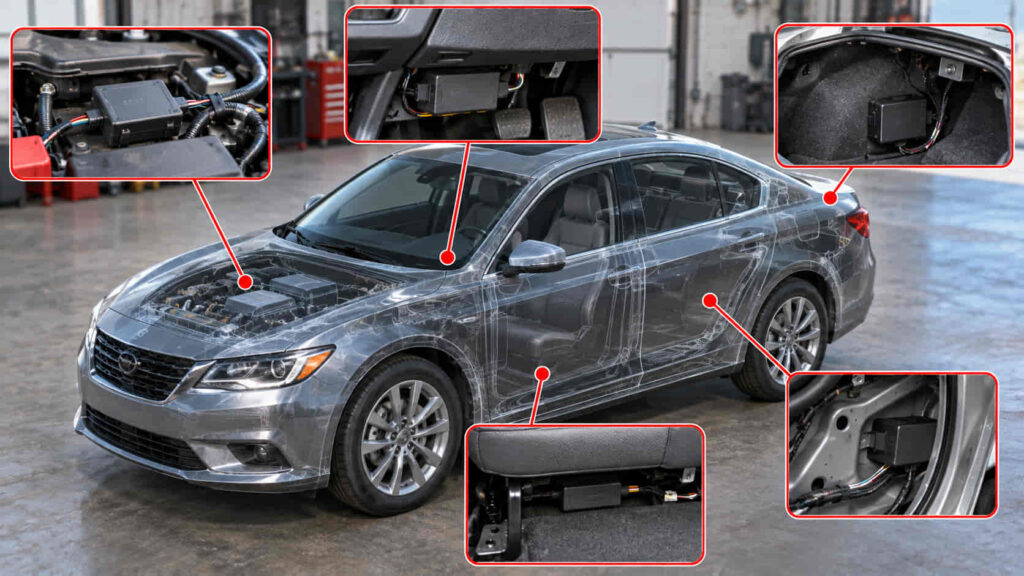
Where is LoJack located on a car? LoJack tracking devices do not have one universal installation location because their placement depends on the vehicle’s design, the type of LoJack system, and the installation method used by the technician. As stolen-vehicle recovery equipment, LoJack hardware is generally installed discreetly to reduce the risk of unauthorized interference. Vehicle owners should therefore rely on installation records, dealership documentation, or authorized service providers rather than assume that every car contains the device in the same position.
LoJack systems also differ by product generation. Classic LoJack used radio-frequency technology to support stolen-vehicle recovery, while modern LoJack products use GPS positioning and cellular connectivity to deliver supported location services. These technologies have different operating and installation requirements, making it important to identify the specific product before requesting an inspection. A vehicle’s model year or an active tracking application alone cannot establish the physical mounting position of its LoJack equipment.
This guide explains why LoJack installation locations vary, how to confirm whether your vehicle has the system, and how installation records or a Vehicle Identification Number (VIN) can support verification. It also covers LoJack in used cars, older devices that remain installed after service ends, and the role of qualified automotive electronics technicians in inspecting or removing the equipment safely.
Where Is LoJack Located on a Car?
LoJack is installed in a discreet, vehicle-specific location rather than one fixed position shared by all cars. The exact installation depends on the LoJack product, vehicle configuration, and procedures followed by the installer. Because LoJack is designed to support stolen-vehicle recovery, its hardware is generally positioned to reduce unnecessary visibility and interference. Consequently, a device installed in one vehicle may occupy a different location in another vehicle, even when both cars use the same brand of tracking system. Owners cannot reliably determine the installation position from the vehicle’s make, model, or production year alone.
The type of LoJack system is an important factor in understanding its installation. Classic LoJack used radio-frequency technology to help authorized recovery personnel locate stolen vehicles, while modern LoJack systems use GPS positioning and cellular communications to support connected tracking services. These technologies have different hardware configurations and operating requirements. For example, GPS-based equipment must support reliable satellite reception and data communication, whereas older radio-frequency equipment was engineered around a different recovery network. These differences affect installation planning, although they do not establish a universal mounting location for either system.
Vehicle design also determines which installation arrangements are technically appropriate. Modern cars contain extensive electrical wiring, electronic control modules, safety systems, and communication networks. A professionally installed tracking device must operate without interfering with these components or compromising the vehicle’s normal functions. Installers must consider electrical compatibility, environmental protection, mounting stability, and the product’s communication requirements. An installation suitable for one vehicle platform may therefore be inappropriate for another.
The most reliable way to confirm where LoJack is installed in a specific car is to contact the original installing dealership, check the installation documentation, or request an authorized inspection. Installation records may identify the LoJack product and service provider, while professional technicians can assess the vehicle’s equipment without unnecessarily disturbing its electrical system. A VIN can help locate relevant registration records, but it does not independently reveal the device’s physical position. This distinction allows owners to verify the system accurately without relying on assumptions about concealed hardware.
Why Are LoJack Devices Installed in Different Locations?
LoJack devices are installed in different locations because vehicle architecture, tracking technology, electrical requirements, and security considerations vary between installations. A tracking system must function reliably within the physical and electronic constraints of the vehicle. These constraints differ across passenger cars, SUVs, pickup trucks, and other vehicle types. Even vehicles from the same manufacturer may use different electrical layouts or component arrangements, affecting how an installer integrates the system. As a result, LoJack installation is not governed by a single mounting position that applies to every automobile.
Vehicle electrical architecture is one of the main reasons installation arrangements differ. Modern vehicles use electronic modules and wiring networks to control functions such as engine operation, lighting, driver assistance, and onboard diagnostics. Additional electronic equipment must be installed in a way that preserves the reliability of these systems. Professional installation therefore involves evaluating electrical compatibility, securing the hardware appropriately, and checking that the vehicle continues to operate correctly. For example, a vehicle with a densely packaged electrical system may require a different approved installation configuration from one with a less complex layout.
Tracking technology introduces another important distinction. GPS-based systems depend on satellite positioning and supported communication networks, while classic LoJack radio-frequency systems used a different method of supporting stolen-vehicle recovery. These technologies have different signal and hardware requirements, so installation practices cannot automatically be transferred between product generations. Physical mounting conditions can also influence protection from moisture, vibration, and temperature changes. A suitable installation must balance these environmental and technical requirements with the device manufacturer’s guidance.
Security is also a central consideration because an easily identifiable recovery device may be more vulnerable to unauthorized interference. For this reason, legitimate installation information is often handled through the relevant provider or authorized service channel rather than presented as a universal location guide. Different mounting arrangements do not necessarily indicate inconsistent installation quality; they may reflect the requirements of the vehicle and product involved. For vehicle owners, the practical solution is to identify the installed LoJack system and verify its installation through trustworthy records or qualified professionals rather than assume that one location applies to all cars.
Read more: how to increase torque in a car
What Is the Difference Between Classic LoJack and Modern LoJack GPS?
The main difference between classic LoJack and modern LoJack GPS is the technology used to locate and recover stolen vehicles. Classic LoJack relied on a radio-frequency (RF) recovery network, while modern LoJack products use GPS positioning and connected communication services. Both systems were developed to support vehicle theft protection and recovery, but their tracking methods, service requirements, and installation configurations differ. Identifying which generation is installed is essential because the LoJack name alone does not establish how a particular device operates.
Classic LoJack was designed around radio-frequency signals that could be detected using specialized recovery equipment operated by participating law enforcement agencies. Unlike a modern GPS tracking service, the original system did not primarily depend on displaying a vehicle’s geographic position through a consumer smartphone application. Its recovery process relied on the availability of compatible network infrastructure and authorized recovery resources. This distinction explains why an older LoJack installation may not provide the same features as a contemporary connected vehicle tracking system.
Modern LoJack GPS systems use satellite-based positioning to determine a vehicle’s geographic location and supported communication networks to transmit location information. Depending on the product and service plan, connected features may include vehicle location monitoring, theft-related notifications, and recovery assistance. These capabilities depend on suitable hardware, network availability, account activation, and communication conditions. For example, a vehicle owner may be able to access location information through an authorized connected service without knowing where the physical tracking module is mounted. The geographic position of the vehicle and the installation position of the hardware are separate types of information.
An important distinction for vehicle owners in the United States is that the legacy LoJack RF vehicle recovery network was decommissioned on March 26, 2026. This change affected certain older RF products that relied on that network, not every LoJack-branded product or modern GPS-based service. A legacy device may remain physically installed even though the associated recovery network is no longer operating. Consequently, owners should identify the product generation and confirm its current service status with the relevant provider rather than assume that an installed LoJack device remains operational.
How Can You Tell if Your Car Has LoJack Installed?
The most reliable way to determine whether your car has LoJack installed is to verify its installation through vehicle purchase documents, dealership records, or the relevant LoJack service provider. LoJack is not standard equipment on every vehicle, and its presence cannot be established simply by identifying the vehicle’s manufacturer, model, or production year. Because tracking hardware is generally installed discreetly, the absence of an obvious device does not prove that the system is missing. Installation documentation provides a stronger starting point than assumptions based on the vehicle’s appearance.
Vehicle purchase records may identify whether a LoJack product was included when the car was sold. Relevant documents can include the sales agreement, optional equipment disclosure, installation invoice, warranty materials, or vehicle protection contract. These records may identify the purchased service, installation date, or associated provider. For example, a buyer who purchased LoJack through a dealership may find the product listed separately from factory-installed vehicle equipment. However, a charge for a tracking or protection service does not automatically prove that a particular device was successfully installed and activated. The installation should be confirmed against the provider’s records when documentation is incomplete.
The Vehicle Identification Number (VIN) can support this verification process because professional installation systems may associate a registered tracking device with a specific vehicle. Dealership personnel or authorized service representatives can use the VIN, together with ownership information and available transaction records, to investigate whether a LoJack installation was recorded. Modern dealer installation workflows can include verification that the device and vehicle VIN are correctly paired and reporting as intended. This establishes a more reliable connection between the vehicle and the installed equipment than a general statement that the car was sold with a tracking package.
Used-car ownership introduces additional complications because the tracking device, subscription, and user account may not transfer together. A vehicle can contain previously installed hardware even when the current owner has no access to the original service account. Conversely, an old purchase record may refer to equipment that was subsequently removed or replaced. For example, a used-car buyer may discover a LoJack charge in the vehicle’s original sales paperwork but find no active service associated with the current ownership. The correct next step is to contact the selling dealership or relevant provider to establish the installation and account status.
A confirmed LoJack installation requires more than finding a generic GPS tracker or seeing a vehicle location application. Different aftermarket tracking products can perform similar functions without being LoJack devices. Accurate identification depends on product-specific documentation, registration information, or an authorized professional inspection. This distinction helps owners avoid misidentifying unrelated vehicle electronics and provides a reliable basis for subsequent service or maintenance decisions.
Can You Locate LoJack Using Your Vehicle Identification Number?
A Vehicle Identification Number (VIN) can help confirm whether a LoJack system was registered to a car, but it cannot directly reveal where the tracking device is physically installed. The VIN is a unique 17-character identifier assigned to a vehicle by its manufacturer. Dealerships and authorized service providers use this identifier to connect vehicles with sales records, service histories, and certain aftermarket equipment registrations. When a LoJack installation has been properly documented, its associated records may link the installed device to the vehicle’s VIN. However, that connection establishes device identity and registration rather than its physical mounting position.
During a professional LoJack installation, the installer may associate the tracking device with the vehicle’s VIN through an approved registration or activation process. This association helps ensure that the provider’s system recognizes the correct vehicle when processing supported location data or service requests. For example, a dealership technician installing a modern LoJack GPS product may verify that the device identifier matches the VIN entered into the installation platform. This process reduces the risk of assigning one vehicle’s tracking information to another vehicle. It does not mean the VIN contains an encoded description of where the hardware was mounted.
Vehicle owners can use their VIN when requesting information from the dealership that originally sold or installed the LoJack system. An authorized representative may be able to search available installation or registration records and determine whether a compatible LoJack product was associated with the vehicle. The owner may need to provide proof of ownership because tracking information and device records can involve vehicle security and privacy. If the dealership no longer maintains the relevant records, the appropriate LoJack service provider may be able to investigate using the VIN and other available account information.
The absence of a LoJack record does not conclusively establish that no tracking equipment is installed. A previous owner may have arranged an aftermarket installation through a separate provider, or historical records may be incomplete. Similarly, an old registration entry does not guarantee that the device remains installed or that its service is active. The VIN is therefore a useful verification tool for identifying recorded LoJack installations, but confirming the actual hardware and its installation status requires documentation or an authorized professional inspection.
How Can You Find Out Which LoJack System Your Car Uses?
You can identify which LoJack system your car uses by checking its installation documentation, product registration, service agreement, and information available from the installing dealership or LoJack provider. Identifying the product generation is important because classic LoJack radio-frequency systems and modern GPS-based LoJack products operate differently. Their recovery capabilities, account requirements, and service arrangements are not interchangeable. A vehicle’s age may provide context, but it cannot independently confirm which LoJack product was installed, especially when aftermarket equipment was added after the original purchase.
The vehicle’s sales and installation records provide the strongest starting point. A purchase agreement may identify LoJack as an optional protection product, while a separate installation invoice or registration document may contain the product name, installation date, or service provider. These details can help distinguish a legacy recovery system from a newer connected tracking product. For example, a used car originally sold without LoJack may have received a GPS-based installation several years later. In that situation, the vehicle’s production year would not accurately indicate the tracking system’s generation.
Account and subscription information can provide additional evidence for modern LoJack products. If the owner has access to an associated service account, the available documentation may identify the supported product and connected features. GPS-based systems can provide vehicle location information through supported services, whereas classic LoJack relied on a different recovery process. However, access to a mobile application does not automatically prove that the vehicle contains a particular LoJack hardware model. Several automotive security products offer similar location features, so the application name and account information should be checked against the product’s official records.
When documents are missing or the product identity remains uncertain, the owner should contact the original installing dealership or the relevant LoJack support channel. A representative may request the VIN, available purchase information, and proof of ownership before discussing installation or account records. If the system cannot be identified through documentation, a qualified automotive electronics technician can evaluate the vehicle during an authorized inspection. This approach is especially useful when a vehicle has changed owners or received aftermarket electrical modifications.
Correctly identifying the LoJack product allows the owner to determine which services are supported, whether the associated recovery network remains operational, and who is responsible for technical assistance. This distinction is particularly relevant for older vehicles because the legacy LoJack RF recovery network in the United States was discontinued on March 26, 2026. That discontinuation does not establish the operating status of every modern LoJack GPS product. Product-specific verification is necessary before making decisions about continued service, maintenance, or authorized removal.
Who Can Confirm Where LoJack Is Installed in Your Car?
An authorized LoJack installer, the dealership responsible for the installation, or a qualified automotive electronics technician can help confirm where LoJack is installed in your car. These professionals can review installation records, identify the tracking system, and determine whether further inspection is necessary. Because LoJack equipment is designed to support stolen-vehicle recovery, its physical placement may be treated as security-sensitive information. For this reason, installation details are not always publicly available, and the appropriate service provider may require proof of vehicle ownership before discussing the equipment.
The original installing dealership is generally the most relevant starting point when LoJack was included in the vehicle purchase. Dealership records may contain the installation date, product identification, associated VIN, and service registration information. These details help establish which LoJack system was installed and which provider is responsible for technical support. For example, a vehicle owner who purchased a new car with a dealer-installed LoJack GPS package can contact the selling dealership to request confirmation of the installation. If the original records are available, the dealership may identify the relevant product and arrange an authorized inspection without requiring the owner to search for the concealed hardware.
A qualified automotive electronics technician can provide additional assistance when installation documents are missing or the vehicle has received aftermarket modifications. Professional inspection involves evaluating the relevant vehicle electronics and distinguishing legitimate tracking equipment from factory-installed control modules or unrelated aftermarket devices. This distinction matters because modern cars contain numerous electronic components that may resemble tracking hardware to an untrained observer. Incorrectly identifying or disconnecting an electrical component can cause warning lights, communication errors, or other vehicle malfunctions. An authorized technician can assess the installation while following appropriate electrical safety procedures and the available manufacturer guidance.
LoJack customer support or the relevant service provider can also help owners verify product registration and determine the appropriate service channel. The provider may request the VIN, proof of ownership, and available account information before discussing vehicle-specific records. However, confirming that a device is registered does not necessarily establish its current physical condition or whether it remains installed. When documentation alone cannot resolve the question, professional inspection provides a more reliable method of evaluating the vehicle. The safest way to confirm a LoJack installation is to combine verified ownership records with assistance from the responsible dealership, provider, or qualified technician rather than attempt to locate unfamiliar electrical equipment independently.
How Do You Check for LoJack in a Used Car?
You can check whether a used car has LoJack by reviewing its purchase history, requesting installation information from the selling dealership, and verifying any recorded system with the relevant LoJack provider. Used vehicles require additional attention because tracking hardware, service subscriptions, and account ownership do not necessarily transfer together. A car may still contain a previously installed LoJack device even when the current owner has no active tracking subscription. Conversely, paperwork from an earlier sale may refer to a system that was removed or replaced before the vehicle changed hands.
The vehicle’s sales documentation provides a practical starting point for identifying an earlier installation. Original purchase agreements, dealer-installed accessory invoices, protection contracts, and maintenance records may contain references to LoJack equipment or recovery services. For example, a used-car buyer may discover that the first owner purchased LoJack as an optional dealership product. This establishes a reason to investigate the system, but it does not prove that the hardware remains present or operational. The buyer should distinguish documented purchase history from verified installation status, particularly when the vehicle has passed through several owners.
Ownership changes can also affect access to connected tracking services. A modern LoJack GPS device may be associated with an account established by a previous owner or dealership. Even if the hardware remains installed, the new owner may not automatically receive access to the original account or its vehicle location features. The service provider may require updated ownership documentation before discussing account eligibility, registration changes, or available service options. For example, a buyer who receives no LoJack login credentials with a used vehicle should not assume that the system is absent. The correct approach is to determine whether the product was installed and whether its service can be transferred, reactivated, or otherwise managed under the provider’s current policies.
When the vehicle’s history is incomplete, the current selling dealership may be able to contact the original installing dealer or identify the relevant protection product through available records. If these efforts do not establish the installation status, a qualified automotive electronics technician can assess the vehicle during an authorized inspection. This is particularly important when the car contains multiple aftermarket electrical accessories, such as remote-start systems, alarm modules, or other tracking devices. These products perform different functions and should not automatically be identified as LoJack. For used-car owners, confirming the installed product, its current service status, and the authorized account holder provides a more complete answer than relying on purchase paperwork or visible hardware alone.
Can an Old LoJack Device Still Be Installed After Service Ends?
An old LoJack device can remain physically installed in a car after its subscription expires, its service is canceled, or the recovery network it depends on is discontinued. The presence of tracking hardware and the availability of an active recovery service are two separate conditions. Ending a service agreement does not automatically remove electronic equipment from a vehicle. Consequently, a car may contain a LoJack device that no longer provides its original theft-recovery functions, especially if the equipment was installed by a previous owner or dealership.
This distinction is particularly important for vehicles equipped with classic LoJack radio-frequency technology. The original system depended on specialized recovery infrastructure that differed from the GPS and cellular networks used by modern connected tracking products. When a recovery network stops operating, compatible hardware does not automatically disappear from the vehicles in which it was installed. For example, an older car may still contain its original radio-frequency recovery unit even though the supporting service is no longer available. The device’s continued physical presence does not establish that it can transmit usable recovery information or receive support under a current service program.
Modern GPS-based LoJack systems introduce a different relationship between hardware and service activation. A tracking module may remain installed after a subscription ends, but access to connected features depends on the applicable product, account status, network availability, and provider policies. Some services require an active subscription to display vehicle location information or support recovery assistance. An inactive account therefore does not prove that the hardware has been removed, just as an installed device does not guarantee that its connected functions remain available. Vehicle owners should verify both conditions separately before making decisions about maintenance or continued use.
An older LoJack installation should also be evaluated in relation to the vehicle’s electrical system. Electronic equipment that remains connected to a vehicle can have electrical characteristics that matter during diagnosis, even when its original service is inactive. However, an expired subscription alone does not establish that the device is draining the battery or causing an electrical fault. For example, if an older vehicle develops an unexplained battery discharge, a qualified technician should perform a proper electrical diagnosis rather than assume the LoJack unit is responsible. This approach helps distinguish an actual hardware problem from an unrelated vehicle maintenance issue.
Owners who discover an old LoJack installation should confirm the product generation, service status, and available support options before requesting any changes. Installation records or the relevant provider may clarify whether the equipment remains supported and whether professional inspection or authorized removal is appropriate. This is especially important for used vehicles, where the current owner may have limited information about the original installation. Hardware identification and service verification provide a reliable basis for deciding whether the device should remain installed.
Can You Use the LoJack App to Find the Installed Device?
The LoJack app can provide information about a vehicle’s geographic location when supported by an active connected service, but it does not ordinarily identify the physical mounting position of the tracking device inside the car. These are two different types of location information. Vehicle location refers to where the automobile is positioned geographically, while device installation location refers to where the tracking hardware is mounted within the vehicle. A GPS tracking application is designed primarily to support the former, not to provide a diagram showing the concealed position of its electronic components.
Modern LoJack GPS systems determine geographic position through satellite-based signals received by compatible tracking hardware. Depending on the product, the device can communicate supported location information through a cellular connection to the provider’s service platform. Authorized users may then access the available vehicle information through an associated application or connected account. For example, an owner may see that their car is parked at a particular address without receiving any information about the physical position of the GPS module. This happens because geographic tracking data and hardware installation records serve different purposes.
Access to the app also depends on the specific LoJack product and its service configuration. An account must be associated with the appropriate vehicle and supported features, and some functions depend on an active subscription or available connectivity. A vehicle with classic radio-frequency LoJack equipment should not be assumed to support the same application features as a modern GPS-based system. Similarly, a used-car buyer who cannot access an existing tracking account should not conclude that the device is absent. Account ownership, service activation, and hardware installation must be verified independently.
The application may still provide useful information when an owner is trying to establish whether a modern LoJack system is operating. If the connected service displays current vehicle information, that can help demonstrate that the account is receiving supported tracking data. However, a successful location update does not establish the device’s mounting position, and a missing update does not necessarily indicate that the hardware has been removed. Network coverage, device power, account configuration, and other operating conditions can affect communication. A service representative or qualified technician can help determine which factor is relevant.
To confirm where the LoJack hardware is installed, vehicle owners should use verified installation records or request assistance from the authorized service provider rather than rely on the tracking application. The app is useful for supported vehicle-location services, while installation documentation and professional inspection address questions about the equipment itself. Recognizing this distinction prevents confusion between finding a car and identifying the tracking system installed inside it.
What Should You Do if You Cannot Confirm a LoJack Installation?
If you cannot confirm whether LoJack is installed in your car, review the available vehicle records, contact the relevant dealership or LoJack service provider, and arrange a professional inspection when documentation is insufficient. An unavailable installation record does not prove that the tracking device is absent. LoJack equipment may have been installed by a previous owner, supplied through a dealership protection package, or registered under an account that the current owner cannot access. Establishing the product’s identity is therefore more reliable than attempting to identify unfamiliar electronic components without supporting documentation.
Missing installation information is particularly common when a vehicle has changed ownership or received aftermarket electrical modifications. A used-car buyer may receive the vehicle title and maintenance history without obtaining the original tracking service agreement. In other cases, the selling dealership may have changed ownership, discontinued a particular protection program, or transferred service administration to another provider. These circumstances can create gaps between the vehicle’s documented history and its current equipment. For example, an invoice may establish that LoJack was purchased when the car was new, but it may not confirm whether the hardware remains installed or whether the service is active.
The Vehicle Identification Number can help connect the investigation to the correct vehicle. An authorized dealership or service representative may use the VIN alongside purchase records and proof of ownership to search available installation or registration information. The result can help determine whether a LoJack product was associated with the vehicle and identify the appropriate support channel. However, the absence of a matching record in one system does not rule out an installation performed by an independent provider. Different registration systems do not necessarily share a complete history of aftermarket vehicle electronics.
When documentary verification fails, a qualified automotive electronics technician can evaluate the vehicle during an authorized inspection. This is particularly important if the owner is investigating an electrical problem or trying to distinguish LoJack from another tracking product. Modern vehicles contain electronic control modules, communication components, and aftermarket accessories that can be difficult to identify without appropriate technical information. Disconnecting an unidentified device can create electrical faults or interfere with unrelated vehicle functions. Professional assessment provides a safer way to establish the equipment’s identity and condition while preserving the integrity of the vehicle’s electrical system.
Can You Remove LoJack After Finding Out It Is Installed?
A vehicle owner can generally request professional removal of an installed LoJack device when they have the legal authority to modify the vehicle and no applicable agreement restricts the removal. The appropriate procedure depends on the vehicle’s ownership status, the type of LoJack system, and the conditions of any financing, leasing, insurance, or service contract. Physical removal is also different from canceling a tracking subscription. Ending an account may stop access to connected services without removing the equipment, while removing hardware does not automatically settle contractual obligations associated with the product.
Before arranging removal, the owner should establish which LoJack product is installed and whether the service remains active. This information matters because older radio-frequency equipment and modern GPS-based systems have different hardware and service arrangements. The owner should also review any relevant purchase, financing, or protection agreements to determine whether the equipment is subject to additional conditions. For example, a vehicle purchased with a dealership-installed LoJack package may have separate documents governing the recovery service. A leased vehicle may also be subject to restrictions on aftermarket equipment modifications, even when the lessee is responsible for routine maintenance.
A qualified automotive electronics technician should perform the physical assessment and any authorized removal work. Professionally installed tracking equipment may interact with the vehicle’s electrical system, and an incorrect removal procedure can damage wiring, create warning indicators, or cause electrical malfunctions. The technician should identify the installed system, consult available product information, and determine the appropriate service process before modifying the installation. For example, a vehicle with several aftermarket accessories requires careful identification of the relevant equipment so that unrelated security, communication, or convenience functions remain intact.
After authorized removal, the vehicle should undergo appropriate functional checks to confirm that its electrical systems operate normally. The owner should retain documentation identifying the removed product, the service performed, and any recommendations provided by the technician. If the connected account remains active, the owner should separately contact the provider to confirm the status of the associated service agreement. The correct approach to LoJack removal is to verify ownership rights, establish the product’s identity, and use professional service rather than treat subscription cancellation and physical hardware removal as the same process.
What Should You Check After a LoJack Inspection?
After a LoJack inspection, vehicle owners should confirm the installed device’s identity, current service status, electrical condition, and any maintenance recommendations provided by the technician. These details establish whether the inspected equipment is a LoJack product, whether its associated recovery services are supported, and whether the installation requires further attention. A professional inspection should produce clear findings rather than simply confirm that an electronic module is present. The distinction matters because installed hardware does not automatically mean the vehicle has an active or functional stolen-vehicle recovery system.
Device identification is the first important result to review. The inspection documentation should identify the LoJack product or generation whenever that information can be established reliably. This allows the owner to distinguish legacy radio-frequency equipment from modern GPS-based tracking systems and contact the appropriate service provider. The technician may also be able to confirm whether the available installation records match the vehicle’s identification information. For example, a used-car owner who discovers an older LoJack unit should determine whether its original recovery service remains available before relying on the device for theft protection. A physical inspection alone cannot establish the current status of an external recovery network or subscription.
The vehicle’s electrical condition is another important consideration. A qualified technician should assess whether the inspected installation presents an identifiable electrical concern and whether the vehicle operates normally after the examination. If the owner originally requested the inspection because of a battery drain, warning light, or intermittent electrical fault, the technician should document the relevant diagnostic findings. An inactive LoJack subscription does not automatically cause electrical problems, and the presence of tracking equipment does not prove that it is responsible for a malfunction. For example, a recurring battery discharge requires appropriate electrical testing to distinguish a tracking-related issue from a failing battery, faulty charging system, or unrelated electronic accessory.
Owners should retain the inspection report, product identification information, service recommendations, and any documentation of authorized work. These records can support future maintenance, conversations with the LoJack provider, and disclosure of aftermarket equipment during vehicle resale. If the inspection identifies a service or registration issue, the owner should contact the appropriate provider to clarify account status and available options. A completed LoJack inspection should leave the owner with a verified understanding of the equipment, its service eligibility, and the vehicle’s electrical condition without requiring unnecessary interference with the tracking system.