Toyota Camry trim packages separate the Camry lineup by price, exterior styling, interior comfort, technology, and driving character. The lineup progresses from value-focused models to higher trims with additional comfort and appearance features, allowing buyers to choose a Camry based on the equipment they actually need rather than paying for every available upgrade.
The differences between Toyota Camry trims extend beyond cosmetic changes. Moving from one trim to another can change wheel design, exterior details, seating materials, cabin technology, convenience features, and other equipment. This makes the trim hierarchy important when comparing purchase price with the features gained at each level. A higher trim provides more equipment, but it is not automatically the best choice for every buyer.
This guide compares the available Toyota Camry trim packages from the entry-level option through the highest-equipped trim. It explains what each trim includes, identifies the main differences between them, and compares their value for different buyers. The comparison focuses on five decision factors: price, standard features, interior comfort, styling, and driving preferences, making it easier to determine which Toyota Camry trim provides the right combination for your budget and priorities.
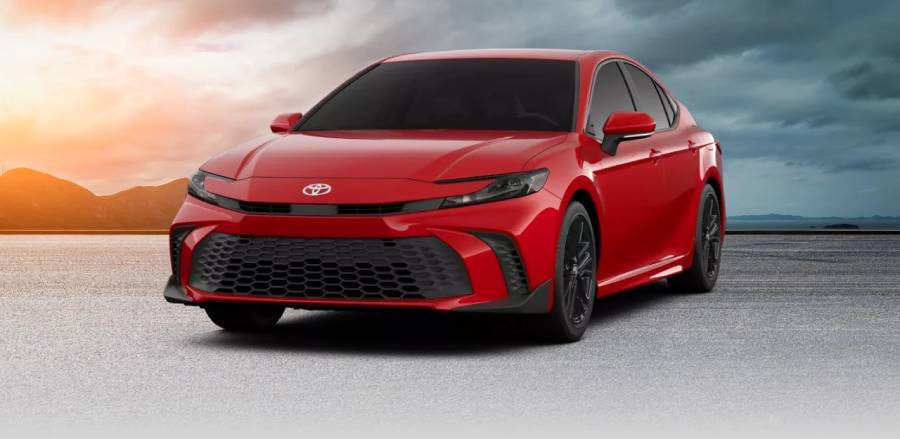
What Toyota Camry trim packages are available?
The Toyota Camry lineup is available in four primary trim levels: LE, SE, XLE, and XSE. These trims create two general paths within the lineup. LE and XLE emphasize comfort and refinement, while SE and XSE use sport-oriented styling and chassis tuning. This structure lets buyers move from an entry-level Camry to a more highly equipped model without changing the sedan’s basic purpose.
The LE serves as the value-focused starting point, providing the essential comfort, technology, and safety equipment expected in a Camry. The SE builds on that foundation with sportier exterior and interior details. The XLE moves toward a more premium experience by emphasizing cabin comfort and convenience features, while the XSE combines higher-level equipment with the sport-oriented character of the SE.
The main differences between these Toyota Camry trims are therefore not limited to price. Buyers should compare the equipment gained at each step, particularly wheels and exterior styling, seating materials, cabin technology, comfort features, and suspension tuning. A buyer who prioritizes affordability may find the LE sufficient, while someone who values a more upscale cabin or sportier appearance may receive more relevant features from the XLE or XSE.
| Trim | Primary Character | Position in Lineup | Best Suited For |
|---|---|---|---|
| LE | Comfort-focused | Entry level | Buyers prioritizing value |
| SE | Sport-oriented | Lower-mid level | Buyers wanting sportier styling |
| XLE | Premium comfort | Upper level | Buyers prioritizing comfort and refinement |
| XSE | Premium sport | Upper level | Buyers wanting features and sporty styling |
Exact pricing and individual equipment can change by model year and configuration. For that reason, MSRP and specifications should always be compared within the same Toyota Camry model year rather than combining information from different generations.
What is included with the Toyota Camry LE trim?
The Toyota Camry LE is the entry-level trim and focuses on delivering the core Camry experience at the lowest starting price in the lineup. Its role is not simply to remove equipment to reduce cost. The LE establishes the baseline for comfort, efficiency, safety, and everyday usability against which the SE, XLE, and XSE can be compared.
The LE is primarily comfort-oriented rather than sport-oriented. Its wheel, tire, suspension, and exterior treatment favor a conventional sedan configuration instead of the more aggressive appearance associated with the SE family. This distinction matters because buyers choosing between LE and SE are not only deciding which feature list they prefer; they are also choosing between two different design directions within the Camry range.
Inside, the Camry LE provides the essential seating, climate, infotainment, connectivity, and convenience functions needed for daily driving. Higher trims add or upgrade specific cabin features, but the LE remains the reference point for determining whether those additions justify their price premiums. For example, a buyer who does not prioritize premium upholstery, larger wheels, sport-oriented styling, or additional convenience equipment can avoid paying for features that provide little practical value for their needs.
The LE is therefore best suited to buyers who prioritize purchase price, everyday comfort, and essential equipment over premium or sport-oriented upgrades. Its value becomes clearer when compared directly with the SE: the important question is not whether the SE contains more equipment, but whether its additional styling and driving-oriented features are worth the extra cost for a particular buyer.
What is included with the Toyota Camry SE trim?
The Toyota Camry SE adds a sport-oriented design and driving character to the equipment foundation established by the LE. The most meaningful reason to move from LE to SE is therefore not simply to obtain more features. The SE is intended for buyers who want their Camry to look and feel sportier while retaining the everyday practicality of the sedan.
The exterior provides one of the clearest distinctions between the SE and LE. Sport-oriented wheels, more aggressive body details, and trim-specific exterior treatments give the SE a different visual identity from the comfort-focused LE. These changes are important because Toyota uses the SE as the starting point of the sport side of the Camry lineup, while the LE begins the comfort-oriented side.
The same positioning continues inside the cabin. The SE uses interior details intended to complement its sportier exterior rather than simply replicating the LE cabin with a different badge. Seating treatments, trim details, and other design elements distinguish the two models, while their fundamental passenger and everyday-use functions remain similar. Buyers therefore gain a different presentation without needing to move directly to one of the higher trims.
Driving character is another reason to choose the SE over the LE. The SE uses a sport-oriented configuration intended to provide a more responsive feel than the comfort-focused entry trim. This does not make the SE a dedicated performance car; it changes how the Camry balances ride comfort, handling, and driver engagement. Buyers expecting a substantial increase in straight-line performance should distinguish these chassis and styling differences from actual changes in engine output.
The Camry SE is worth choosing over the LE when sportier styling and driving character are priorities. Buyers primarily concerned with price and comfortable everyday transportation receive less benefit from paying extra for those changes. In contrast, someone who already intends to modify the appearance of an LE or prefers a more aggressive factory design can obtain those characteristics directly with the SE.
What is included with the Toyota Camry XLE trim?
The Toyota Camry XLE is the comfort-oriented higher trim, adding a more premium cabin and additional convenience equipment over the LE. Its position in the lineup is different from that of the SE. Instead of making the Camry look and feel sportier, the XLE directs its upgrades toward refinement, passenger comfort, and a more upscale ownership experience.
Interior upgrades form a major part of the XLE’s value proposition. Higher-grade seating and cabin treatments create a more premium environment than the LE provides, while additional comfort and convenience equipment reduces the gap between the Camry and more expensive sedans. These improvements matter most to drivers who spend substantial time in the vehicle or regularly carry passengers, because cabin-related features provide benefits on virtually every trip.
Technology also helps distinguish the XLE from the entry trim. Higher trims can provide upgraded displays, infotainment functions, convenience technology, and additional equipment beyond the LE’s essential setup. The practical value of these upgrades depends on how frequently the driver uses them. A feature used every day can justify a trim upgrade more easily than an appearance feature that has little effect on how the vehicle functions.
The exterior follows the XLE’s comfort-oriented positioning rather than the aggressive approach used for the SE. Wheel designs and exterior details differentiate it from the LE while maintaining a more refined visual character. This creates two distinct upgrade routes within the lineup: LE buyers can move toward the XLE for greater comfort and refinement, while buyers attracted to the SE’s sport-oriented identity can move toward the XSE.
The XLE is a stronger choice than the LE for buyers who place a higher value on cabin comfort, convenience, and premium equipment than on obtaining the lowest purchase price. The LE remains more logical when those additional features are not priorities. The XLE becomes worthwhile when the equipment gained is used frequently enough to justify the higher price rather than when a buyer simply wants a higher trim designation.
What is included with the Toyota Camry XSE trim?
The Toyota Camry XSE is the higher-level sport-oriented trim, combining the athletic appearance of the SE with additional comfort, technology, and premium equipment. Within the Camry trim hierarchy, it serves buyers who want the sport-oriented side of the lineup without giving up the additional amenities associated with a higher trim.
The XSE builds on the design direction established by the SE. Its exterior emphasizes a more aggressive appearance through trim-specific wheels, body details, and visual treatments rather than adopting the more restrained character of the XLE. These differences give the XSE a distinct role: the SE introduces the sport-oriented design theme, while the XSE develops that theme with a higher level of equipment.
The cabin follows the same approach. The XSE combines sport-oriented design elements with upgraded materials, seating, technology, and convenience equipment. This combination distinguishes it from the SE, which prioritizes a sportier character at a lower position in the lineup. The XSE is therefore relevant to buyers who like the SE’s design direction but want more of the comfort and technology available on higher trims.
Driving character is also part of the XSE’s positioning. Sport-oriented chassis tuning and wheel-and-tire choices can create a different balance between handling response and ride comfort compared with the comfort-focused trims. The benefit is most relevant to drivers who value steering response and a firmer road feel. Buyers who prioritize a softer ride have a stronger reason to consider the XLE instead.
The XSE is best suited to buyers who want three characteristics in the same Camry: sport-oriented styling, higher-level cabin equipment, and a more driver-focused character. Buyers who only want the sport appearance can obtain much of that positioning from the SE, while buyers primarily interested in refinement can consider the XLE. This makes the XSE most valuable when both sport-oriented and premium attributes matter.
What is the difference between the Toyota Camry XLE and XSE?
The main difference between the Toyota Camry XLE and XSE is their emphasis: the XLE prioritizes comfort and refinement, while the XSE combines higher-level equipment with sport-oriented styling and driving characteristics. Both occupy the upper portion of the Camry lineup, but they are designed for different buyer preferences rather than functioning as simple lower and higher versions of the same trim.
Exterior design creates the most immediately visible distinction. The XLE follows the more conventional, comfort-oriented branch of the Camry lineup, whereas the XSE uses more aggressive exterior treatments and sport-oriented wheels. A buyer can therefore prefer one over the other even when the two vehicles provide a similar level of everyday functionality. The decision depends on whether understated refinement or a sportier appearance is more desirable.
Their interiors follow a similar distinction. Both are positioned above their respective LE and SE counterparts and emphasize a higher equipment level, but their cabin treatments support different identities. The XLE focuses on a refined environment, while the XSE incorporates design details that complement its sport-oriented exterior. Exact equipment should be compared by model year because individual standard and optional features can change between Camry lineups.
Ride and handling provide another meaningful distinction. The XLE is the more logical option for a buyer who places ride comfort ahead of sporty road manners. The XSE targets drivers who prefer a more responsive character and are willing to accept the trade-offs associated with sport-oriented wheels, tires, and chassis tuning. This difference illustrates why the most expensive or most aggressively styled trim is not automatically the best Camry for every driver.
| Comparison Area | Camry XLE | Camry XSE |
|---|---|---|
| Primary focus | Comfort and refinement | Sport and premium equipment |
| Exterior character | Refined | More aggressive |
| Interior character | Comfort-oriented | Premium and sport-oriented |
| Driving preference | Comfortable everyday driving | More responsive road feel |
| Ideal buyer | Prioritizes refinement | Prioritizes styling and driving character |
Choose the Camry XLE when comfort and refinement are the primary priorities; choose the XSE when sport-oriented styling and driving character matter more. The final decision should be based on the specific equipment and price difference for the model year being purchased, because trim specifications can change from one year to another.
What are the main differences between Toyota Camry trims?
The main differences between Toyota Camry trims are their price position, exterior styling, interior appointments, comfort features, technology, and driving character. The LE establishes the value and comfort baseline, the SE introduces a sport-oriented character, the XLE adds a more premium comfort experience, and the XSE combines higher-level equipment with sport-oriented styling.
The clearest way to understand the lineup is to view it as two parallel paths rather than four trims that simply become progressively better. The LE and XLE form the comfort-oriented path, with the XLE adding refinement and convenience over the LE. The SE and XSE form the sport-oriented path, with the XSE adding premium equipment while retaining the more aggressive design direction of the SE. This distinction explains why moving from SE to XLE is not necessarily an upgrade for every buyer; it also represents a change in vehicle character.
Exterior styling separates the two paths visually. LE and XLE models favor a more restrained presentation, while SE and XSE models use sport-oriented exterior treatments and wheel designs. Larger or more aggressive wheel-and-tire combinations can also influence ride quality and road feel, so these differences have functional consequences in addition to changing appearance.
Interior equipment becomes increasingly important when comparing the lower and higher trims. The LE and SE cover the core requirements for everyday driving, while XLE and XSE move further toward premium materials, comfort, convenience, and technology. The higher trims therefore make more sense for buyers who will regularly use these additions rather than buyers selecting a trim solely because it sits higher in the lineup.
Driving preference creates another distinction. LE and XLE are better aligned with drivers who prioritize comfortable daily transportation, whereas SE and XSE target buyers who want a sportier presentation and more responsive driving character. Sport-oriented tuning does not automatically mean substantially greater engine performance. Suspension, wheels, tires, and chassis calibration can change how a vehicle feels even when major powertrain specifications are shared.
| Trim | Main Priority | Exterior Character | Cabin Position | Driving Character | Best Fit |
|---|---|---|---|---|---|
| LE | Value and comfort | Conservative | Essential equipment | Comfort-focused | Budget-conscious daily drivers |
| SE | Sport and value | Sport-oriented | Essential with sporty details | More responsive | Buyers wanting sportier character |
| XLE | Comfort and refinement | Refined | Higher-level comfort | Comfort-focused | Buyers wanting a premium feel |
| XSE | Sport and features | Most sport-oriented | Higher-level sport/premium | More responsive | Buyers wanting sport and amenities |
The most important comparison is therefore not simply LE vs. SE vs. XLE vs. XSE. Buyers should first decide whether they prefer the comfort or sport branch of the Camry lineup and then determine whether the additional equipment of the higher trim justifies its price premium. This method reduces the decision to two practical questions: which character suits the driver, and how much additional equipment is worth paying for?
Which Toyota Camry trim is the best value?
The Toyota Camry trim with the best value is the one that provides the features a buyer will regularly use without requiring payment for unnecessary upgrades. There is no universal best-value trim because value changes according to whether the buyer prioritizes purchase price, sport-oriented styling, cabin comfort, or additional technology.
The LE provides the strongest value proposition for buyers focused primarily on affordability and everyday transportation. It establishes the Camry’s core comfort, technology, safety, and usability without requiring the price premium associated with higher-level appearance or convenience equipment. A buyer who does not place significant value on sport styling or premium cabin features has little reason to move higher solely for the trim designation.
The SE offers stronger value for buyers who specifically want a sportier Camry. Its advantage comes from obtaining the sport-oriented appearance and driving character as a factory configuration rather than purchasing an LE and attempting to reproduce those characteristics afterward. The additional cost makes the most sense when the exterior design, wheels, interior treatment, and driving feel are meaningful parts of the purchase decision.
The XLE becomes the stronger value proposition when comfort and refinement are priorities. Paying more for cabin and convenience equipment is easier to justify when those features are used during every commute, road trip, or passenger journey. For a driver spending substantial time behind the wheel, improvements to seating, cabin materials, displays, and convenience equipment can provide more practical value than exterior upgrades.
The XSE provides its strongest value to a narrower buyer profile: someone who wants both higher-level equipment and the sport-oriented identity of the Camry lineup. A buyer interested only in sporty appearance can consider the SE, while someone interested primarily in comfort can consider the XLE. Paying for the XSE becomes more logical when both sets of attributes are priorities.
For most buyers, the best-value decision should be made by comparing the price increase between two relevant trims with the specific equipment gained. For example, a comfort-focused buyer should compare LE with XLE, while a sport-focused buyer should compare SE with XSE. This approach measures value using features and actual use rather than assuming that moving one step higher in the trim hierarchy always produces a better purchase.
Which Toyota Camry trim should you buy?
The Toyota Camry trim you should buy depends on four primary factors: budget, comfort requirements, styling preference, and desired equipment. The LE is the logical starting point for buyers focused on cost and everyday usability, the SE suits drivers who prefer sport-oriented styling, the XLE prioritizes comfort and refinement, and the XSE combines higher-level features with a sport-oriented character.
Choosing between these trims is easier when the decision begins with intended use rather than the trim hierarchy. Buyers should first identify features they consider essential, then determine whether those features require moving above the LE or SE. This prevents paying for an entire trim upgrade to obtain equipment that provides little practical value during ownership.
Which Toyota Camry trim is best for a lower budget?
The Toyota Camry LE is the best choice for a lower budget because it occupies the entry-level position while retaining the core equipment required for everyday driving. Buyers choosing the LE prioritize the fundamental Camry experience over sport-oriented appearance or higher-level cabin amenities.
The financial advantage extends beyond selecting the least expensive trim. Features have value only when the owner benefits from them, so paying more for larger wheels, premium cabin treatments, or additional convenience equipment does not automatically produce better value. A driver primarily using the Camry for commuting, errands, and general transportation can therefore have a stronger reason to remain with the LE.
The LE is less suitable when the buyer already considers sport styling or premium comfort equipment essential. In those cases, selecting the appropriate higher trim from the beginning provides a more coherent factory configuration than choosing the LE solely because its initial price is lower.
Which Toyota Camry trim is best for comfort?
The Toyota Camry XLE is the best fit for buyers who place comfort and refinement ahead of sport-oriented styling. Its position above the LE on the comfort-focused side of the lineup makes it the natural choice for drivers seeking a more upscale cabin and additional convenience equipment.
Comfort should be evaluated according to features used repeatedly rather than the total number of features on a specification sheet. Seating materials, seat-related functions, cabin appointments, displays, climate-related equipment, and convenience technology can affect the ownership experience every day. These attributes become particularly relevant for long commutes, frequent highway driving, and regular passenger use.
The XLE also avoids requiring a comfort-focused buyer to accept the sport-oriented identity of the XSE simply to obtain higher-level equipment. This distinction is important because the XLE and XSE represent two preferences within the upper portion of the Camry lineup rather than a simple good-better-best progression.
Which Toyota Camry trim is best for sporty styling?
The Toyota Camry SE is the most logical choice for buyers who want sport-oriented styling without moving directly to a higher-level trim. It introduces the sport branch of the Camry lineup through changes to exterior design, wheels, cabin treatment, and driving character.
The SE provides a useful middle ground because sporty appearance does not require every premium feature available higher in the range. Buyers who prioritize the visual character of the vehicle can therefore obtain that identity while avoiding equipment that may not matter to them. This makes the SE particularly relevant when styling is a stronger purchase factor than luxury-oriented cabin features.
The XSE becomes the alternative when sporty styling alone is insufficient. It retains the sport-oriented direction while adding a higher level of comfort, technology, and convenience. The decision between SE and XSE should consequently depend on whether those additional amenities justify the extra cost, not on styling alone.
Which Toyota Camry trim has the most features?
The higher-level XLE and XSE trims provide the broadest equipment offering, with the appropriate choice depending on whether the buyer prefers comfort-oriented or sport-oriented characteristics. Exact standard and optional equipment varies by model year, so the feature list must be checked for the specific Camry being purchased rather than inferred from the trim name alone.
The XLE concentrates its higher-level positioning around refinement and comfort. The XSE combines a similarly elevated position with the sport-oriented design direction established by the SE. This means a buyer searching for the Camry with the most desirable features should define which features matter before comparing the two upper trims.
For example, a buyer who prioritizes cabin comfort has a stronger reason to investigate the XLE, while a buyer who wants premium equipment combined with aggressive exterior styling has a stronger reason to consider the XSE. The highest feature count is less useful as a buying criterion than selecting the trim whose additional equipment matches the driver’s actual priorities.
What is the cheapest Toyota Camry trim?
The Toyota Camry LE is the cheapest trim in the four-trim lineup covered in this guide and serves as the entry point for buyers who prioritize purchase price and essential equipment. Its lower position in the trim hierarchy does not mean it lacks the fundamental characteristics expected from a Camry. Instead, the LE concentrates spending on everyday transportation while leaving sport-oriented styling and higher-level comfort equipment to the trims above it.
The LE makes the most financial sense when a buyer does not need the specific upgrades offered by the SE, XLE, or XSE. Standard comfort, infotainment, connectivity, and safety equipment cover the primary requirements of daily driving, while the more conventional exterior and cabin configuration avoids paying extra for appearance-oriented or premium upgrades. The result is a trim aimed at maximizing access to the Camry rather than maximizing equipment.
Choosing the cheapest trim solely because of its purchase price is not always the lowest-cost decision for every buyer. A driver who already knows that sport-oriented styling, additional cabin comfort, or higher-level technology is essential may eventually spend more trying to reproduce those features after purchase. The LE provides its strongest value when its factory equipment already satisfies the buyer’s requirements.
Exact MSRP should be checked for the specific model year and vehicle configuration being considered. Trim pricing can change between model years, and optional equipment can increase the transaction price beyond the base figure.
What is the highest Toyota Camry trim?
The XLE and XSE occupy the upper end of the Toyota Camry lineup covered in this comparison, representing the comfort-oriented and sport-oriented paths respectively. Rather than treating one as automatically superior to the other, buyers should distinguish their different purposes: XLE emphasizes refinement, while XSE combines higher-level equipment with a sportier identity.
The XLE builds upward from the LE’s comfort-focused formula. Its additional value comes from cabin refinement, convenience, technology, and equipment intended to create a more premium daily-driving experience. Buyers who want a highly equipped Camry without making sport-oriented styling a priority have a stronger reason to choose this branch of the lineup.
The XSE performs a similar role on the sport-oriented side. It develops the SE formula by retaining a more aggressive visual and driving character while adding equipment associated with an upper trim. This combination makes the XSE relevant to buyers who would otherwise like the SE but want additional comfort, technology, or convenience features.
A higher trim is therefore not automatically a better purchase. The additional equipment must provide enough practical or personal value to justify its price premium. A buyer who does not care about the distinguishing features of the XLE or XSE can obtain better value lower in the lineup, while a buyer who uses those features regularly can justify the additional expense more easily.
Read more: Toyota Camry Service Schedule by Mileage: Complete Maintenance Guide
How do you choose the right Toyota Camry trim?
Choose the right Toyota Camry trim by evaluating four factors in order: budget, must-have features, comfort requirements, and styling or driving preference. This process narrows the lineup according to actual ownership needs instead of assuming that the most expensive trim is the best option.
Start with budget because it establishes which trims are realistic before optional equipment and other purchase costs are considered. Compare trims using the same model year and equivalent pricing basis. A base MSRP from one trim should not be compared directly with the price of another vehicle carrying several options because that comparison measures configuration differences as well as trim differences.
Next, identify must-have equipment before considering desirable extras. For example, a buyer may place a high priority on specific seating, infotainment, convenience, or exterior features. Determine which trim first provides those requirements and then compare its price with the trim immediately below it. This reveals the actual cost of obtaining the equipment that influences the purchase decision.
Comfort should be evaluated separately from feature quantity. The LE and XLE form the more comfort-oriented route through the lineup, with the XLE serving buyers who place greater value on refinement and cabin amenities. The SE and XSE follow the sport-oriented route. Separating these preferences prevents a buyer from paying for a sport-focused configuration when the actual objective is a more comfortable Camry.
Finally, decide how important styling and driving character are. Choose the LE when affordability and everyday comfort dominate the decision, the SE when sport-oriented styling matters at a lower price position, the XLE when refinement and comfort are priorities, and the XSE when both higher-level equipment and sport-oriented character are desired. The right Toyota Camry trim is the version whose distinguishing features match the driver’s regular needs closely enough to justify the additional cost.