A clutch master cylinder should be replaced when it can no longer generate or maintain the hydraulic pressure required to disengage the clutch correctly. Common warning signs include a soft or spongy clutch pedal, a pedal that stays near the floor, hydraulic fluid leaks, low fluid levels, and difficulty shifting gears. These symptoms occur because the master cylinder converts clutch pedal movement into hydraulic pressure that operates the clutch release system.
A faulty clutch master cylinder does not always produce a visible leak. Worn or damaged internal seals can allow fluid to bypass inside the cylinder, reducing hydraulic pressure while the reservoir appears relatively normal. Similar symptoms can also result from air in the hydraulic system, a leaking clutch line, or a failing slave cylinder. The master cylinder should therefore be diagnosed before replacement rather than replaced based on pedal feel alone.
Clutch master cylinder replacement involves confirming the failure, removing the existing cylinder, installing the correct replacement, refilling the specified hydraulic fluid, bleeding air from the system, and checking clutch operation. Replacement cost and repair difficulty depend on the vehicle, part selection, component accessibility, and labor required.
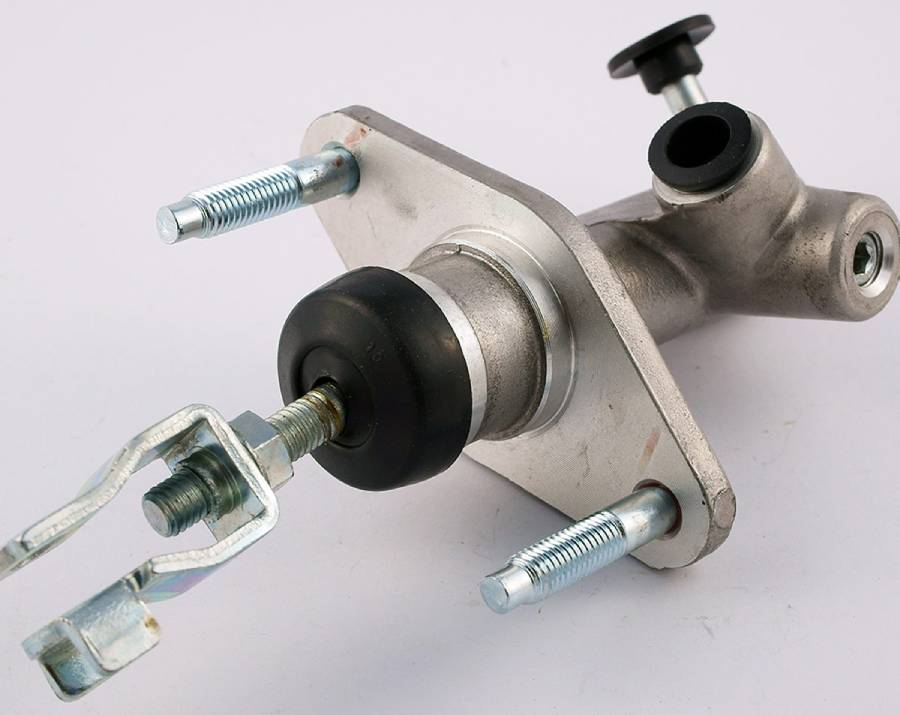
What Are the Symptoms of a Bad Clutch Master Cylinder?
There are 6 common symptoms of a bad clutch master cylinder: a soft or spongy clutch pedal, a pedal that stays on the floor, difficulty shifting gears, low clutch fluid, visible hydraulic fluid leaks, and inconsistent clutch engagement. These symptoms develop when the master cylinder cannot create or maintain enough hydraulic pressure to operate the clutch release mechanism correctly. However, several clutch hydraulic faults produce similar symptoms, so the master cylinder should be diagnosed before replacement.
A soft or spongy clutch pedal is one of the most noticeable symptoms. Pressing the clutch pedal moves a piston inside the master cylinder, which pressurizes hydraulic fluid and transfers that pressure toward the slave cylinder. Air in the hydraulic circuit, worn internal seals, or fluid escaping from the system reduces effective pressure transfer. The pedal consequently feels softer than normal and may require additional travel before the clutch begins to disengage. A soft pedal alone does not confirm master cylinder failure because trapped air and slave cylinder problems can create a similar pedal feel.
A clutch pedal that stays on or near the floor indicates a more significant problem with pedal return or the hydraulic system. Internal seal failure can prevent the master cylinder from maintaining pressure as the pedal moves through its stroke. External fluid loss can produce a similar result by reducing the amount of hydraulic fluid available to transmit force. When hydraulic operation deteriorates sufficiently, the pedal may return slowly or require the driver to pull it back manually.
Difficulty shifting gears occurs when the clutch does not disengage completely. The master cylinder must create sufficient hydraulic pressure for the slave cylinder to operate the clutch release mechanism. Insufficient pressure reduces release movement, allowing the clutch to remain partially engaged even when the pedal is depressed. The driver may notice resistance when selecting a gear, particularly from a stop, or abnormal difficulty engaging reverse. These symptoms require diagnosis because mechanical clutch components can also prevent complete disengagement.
Low clutch fluid or a visible hydraulic fluid leak provides stronger evidence of a hydraulic-system problem. Depending on vehicle design, leakage may appear around the master cylinder body, hydraulic line connection, pushrod area, or inside the vehicle near the firewall and clutch pedal assembly. The reservoir level can fall as fluid escapes. Repeatedly adding fluid does not repair the underlying failure; the leaking component and associated connections need to be identified.
Inconsistent clutch engagement can occur when the master cylinder loses pressure internally. For example, worn piston seals may allow hydraulic fluid to bypass the piston rather than remaining pressurized. The driver may experience a changing engagement point or different pedal behavior between consecutive clutch applications. This internal bypass is important diagnostically because a master cylinder can fail without leaving hydraulic fluid underneath the vehicle.
How Can You Tell if the Clutch Master Cylinder Needs Replacement?
A clutch master cylinder needs replacement when diagnosis confirms that it is leaking, internally bypassing hydraulic pressure, physically damaged, or otherwise unable to operate the clutch hydraulic system correctly. Pedal symptoms alone are insufficient because the master cylinder, slave cylinder, hydraulic lines, fluid condition, and trapped air can affect clutch operation.
Start by inspecting the clutch fluid reservoir. Check whether the fluid is at the specified level and inspect its condition according to the vehicle manufacturer’s service requirements. A falling fluid level indicates that the hydraulic system should be inspected for leakage. Low fluid does not automatically identify the master cylinder as the source because fluid can escape through another part of the hydraulic circuit.
Next, inspect the master cylinder and its connections for external leakage. Relevant areas include the cylinder body, hydraulic line connection, reservoir connection where applicable, pushrod area, and the firewall or pedal-side mounting area. Fluid around these locations can indicate a failed seal, damaged connection, or another hydraulic fault. The source should be identified rather than assuming every leak near the clutch system originates from the master cylinder.
Internal leakage requires a different diagnostic approach because a clutch master cylinder can fail without visibly losing fluid. Worn piston seals can allow pressurized fluid to move internally past the piston. The reservoir may therefore remain relatively full while the cylinder fails to maintain the pressure needed for reliable clutch disengagement. A pedal that gradually sinks or changes resistance under sustained pressure can justify further hydraulic diagnosis, but the exact diagnostic procedure should follow the vehicle manufacturer’s service information.
How Can You Tell a Bad Clutch Master Cylinder From a Bad Slave Cylinder?
The most useful distinction between a bad clutch master cylinder and a bad slave cylinder is the location and behavior of the hydraulic failure. Both components belong to the same hydraulic circuit and can cause a soft pedal, fluid loss, incomplete clutch disengagement, and difficulty shifting, so symptoms overlap.
The master cylinder is mechanically connected to the clutch pedal and creates hydraulic pressure when the driver presses the pedal. A leak around the master cylinder, pushrod, firewall, or pedal area therefore points toward the master-cylinder side of the system. Internal seal bypass can also prevent the master cylinder from maintaining pressure even when no external leak is visible.
The slave cylinder receives hydraulic pressure and converts it into movement at the clutch release mechanism. Fluid leakage around the slave cylinder, transmission housing, or its hydraulic connection points toward a slave-cylinder-side problem. Component location varies by vehicle; some designs use an external slave cylinder, while others incorporate a concentric slave cylinder inside the transmission bellhousing.
Diagnosis should therefore follow the hydraulic path rather than relying on one symptom. Check the reservoir, master cylinder, hydraulic lines, connections, and slave cylinder before deciding which component requires replacement. This prevents a master cylinder from being replaced when the actual pressure loss originates elsewhere in the clutch hydraulic system.
When Should You Replace a Clutch Master Cylinder?
Replace a clutch master cylinder when its failure has been confirmed and it can no longer reliably create or maintain the hydraulic pressure required for clutch operation. Strong replacement indicators include an external leak from the cylinder, confirmed internal hydraulic bypass, physical cylinder damage, or recurring loss of clutch operation attributable to the master cylinder.
Do not replace the master cylinder solely because the clutch pedal feels soft. Air trapped in the system, low hydraulic fluid, leaking lines or connections, and slave cylinder failure can produce similar pedal behavior. Identifying the actual fault before purchasing parts reduces the risk of replacing a functional component while leaving the original clutch problem unresolved.
A master cylinder also does not have one universal replacement mileage that applies to every vehicle. Component design, seal condition, hydraulic fluid condition, operating environment, vehicle use, and previous repairs affect service life. Replacement should therefore be based primarily on component condition and diagnosis unless the vehicle manufacturer specifies a particular service requirement.
Replacing the master cylinder and slave cylinder together is not automatically required. Replace both when diagnosis shows that both components are defective, when a vehicle-specific repair procedure requires it, or when their condition makes simultaneous replacement appropriate. If the slave cylinder operates correctly and has no evidence of leakage or hydraulic failure, master-cylinder replacement does not by itself prove that the slave cylinder also needs replacement.
How Much Does Clutch Master Cylinder Replacement Cost?
Clutch master cylinder replacement cost consists of the replacement cylinder, labor, hydraulic fluid and bleeding, plus any additional repairs discovered during diagnosis. There is no single accurate replacement price for every vehicle because part prices, component accessibility, labor rates, and hydraulic-system designs differ between makes and models. A vehicle-specific estimate is therefore more useful than applying one universal price range to every clutch master cylinder replacement.
The replacement master cylinder is the primary parts expense. Price varies according to the vehicle make and model, cylinder design, manufacturer, and whether an OEM or aftermarket component is selected. Some vehicles use a relatively simple master cylinder and reservoir arrangement, while others have packaging or component designs that make the replacement part more vehicle-specific. The correct replacement cylinder should match the vehicle application rather than being selected by price alone.
Labor cost depends on both repair time and the shop’s labor rate. Accessibility has a direct effect on repair time because the technician must disconnect the master cylinder from both the clutch pedal mechanism and the hydraulic circuit. A cylinder that can be reached easily from the engine compartment and pedal area generally requires less disassembly than one positioned behind other components. The hydraulic system must also be properly bled after installation, adding another required stage to the repair.
Additional costs arise when diagnosis identifies other hydraulic-system problems. For example, a leaking hydraulic line, damaged connection, failing slave cylinder, or contaminated fluid can require attention during the same repair. These costs should be separated from the master cylinder replacement itself because replacing the master cylinder does not repair an independent failure elsewhere in the clutch hydraulic circuit.
What Factors Affect Clutch Master Cylinder Replacement Cost?
There are 5 main factors that affect clutch master cylinder replacement cost: vehicle application, replacement part choice, labor time, local labor rate, and additional hydraulic repairs. Vehicle application determines both the required cylinder and how easily technicians can access it. Part choice affects component cost, while labor time and shop rate determine most of the service expense.
Additional hydraulic repairs can produce the largest difference between an uncomplicated replacement and a more extensive clutch repair. For example, replacing a leaking master cylinder is a different job from replacing the master cylinder while also repairing a hydraulic line or defective slave cylinder. An accurate estimate should therefore identify which components and services are included rather than presenting the entire repair bill as the cost of the master cylinder alone.
How Is a Clutch Master Cylinder Replaced?
A clutch master cylinder is replaced by removing hydraulic pressure from the existing component, disconnecting it from the hydraulic line and clutch pedal mechanism, removing its mounting hardware, installing the new cylinder, reconnecting the system, adding the specified fluid, and bleeding trapped air. Exact removal and installation procedures differ by vehicle, so manufacturer service information takes priority over a generic sequence.
The repair begins by confirming the correct replacement component and preparing the hydraulic system. The vehicle should be positioned securely, and surrounding areas should be protected from hydraulic fluid. The correct fluid specification must be confirmed before opening or refilling the system because clutch hydraulic systems do not all use specifications that can be assumed from appearance alone.
The next stage is to disconnect the old master cylinder from the hydraulic circuit. Fluid must be managed to limit spills and prevent unnecessary contamination. The hydraulic line is then disconnected using the appropriate method for its fitting design. Connections should not be forced because damage to a hydraulic fitting or line can turn a master cylinder replacement into a larger hydraulic repair.
The master cylinder must also be disconnected from the clutch pedal or pushrod mechanism. Depending on vehicle design, this connection can use a pin, clip, fastener, or another retaining arrangement. The cylinder mounting fasteners can then be removed, allowing the old component to be taken out of the vehicle. The surrounding area and connections should be inspected for leakage, damage, or contamination before installing the replacement.
Installation follows the reverse functional sequence. Position and secure the new master cylinder, connect the pushrod or pedal mechanism, reconnect the hydraulic line, and restore the fluid level with the specified hydraulic fluid. Connections must be correctly seated and secured because even a small hydraulic leak can prevent the system from maintaining the pressure required for complete clutch disengagement.
The hydraulic circuit then requires bleeding before normal clutch operation can be verified. Opening the system during master cylinder removal allows air to enter. Unlike hydraulic fluid, trapped air compresses when the pedal is pressed, reducing the amount of force transferred through the circuit. Installation is therefore not complete simply because the new cylinder has been physically mounted.
What Tools Do You Need to Replace a Clutch Master Cylinder?
Clutch master cylinder replacement generally requires basic hand tools, tools suitable for the hydraulic-line connection, fluid-handling equipment, the correct replacement cylinder, the specified hydraulic fluid, and equipment for bleeding the clutch system. The exact tool sizes and connection types depend on the vehicle.
Basic hand tools can include a ratchet, sockets, wrenches, screwdrivers, and pliers for accessing mounting hardware and pedal retainers. A suitable line wrench may be appropriate for certain hydraulic fittings because it provides better contact with the fitting than a standard open-end wrench. A drain container and protective materials help control hydraulic fluid during disconnection.
Bleeding equipment depends on the method specified for the vehicle and the tools available. Manual bleeding, pressure bleeding, and vacuum-assisted methods do not use identical equipment or procedures. The vehicle’s service information should determine the correct approach, particularly when the clutch hydraulic circuit has vehicle-specific bleeding requirements.
How Do You Bleed the Clutch After Replacing the Master Cylinder?
Bleeding the clutch removes trapped air from the hydraulic circuit so pedal force can be transferred effectively from the master cylinder to the slave cylinder. Bleeding is required after the hydraulic system has been opened because air can enter during removal and installation. Leaving air in the circuit can produce a soft pedal, inconsistent clutch engagement, or insufficient clutch release even when the new master cylinder is functioning correctly.
The basic bleeding process involves filling the reservoir with the specified fluid, moving fluid through the hydraulic circuit, releasing trapped air at the appropriate bleeding point, and maintaining the reservoir level throughout the procedure. The reservoir must not be allowed to run dry because doing so can introduce additional air and require the bleeding process to be repeated.
In a conventional manual procedure, pressure is created through clutch pedal operation while fluid and air are released from the system in a controlled sequence. The exact pedal sequence and bleed-point procedure depend on vehicle design. Pressure or vacuum bleeding can use different methods to move fluid through the circuit, so a generic procedure should not override manufacturer-specific instructions.
Air affects clutch operation because gas is substantially more compressible than hydraulic fluid. When the driver depresses the pedal, part of the pedal movement can compress trapped air instead of transferring the intended hydraulic force to the slave cylinder. The driver experiences this pressure loss as excessive pedal travel, a soft or spongy pedal, or incomplete clutch disengagement.
Bleeding is complete when the system demonstrates consistent pedal resistance, normal pedal return, stable fluid level, no visible hydraulic leaks, and correct clutch disengagement. Gear selection should also return to normal if trapped air was the remaining cause of the problem. If the pedal remains soft after thorough bleeding, further diagnosis is required instead of repeatedly assuming that additional bleeding will solve the fault.
What Should You Check After Replacing a Clutch Master Cylinder?
There are 5 main checks to perform after replacing a clutch master cylinder: fluid level, hydraulic leaks, clutch pedal resistance, pedal return, and clutch disengagement. These checks confirm that the new component is installed correctly, the hydraulic circuit is sealed, and pedal movement is being converted into sufficient hydraulic pressure. A new master cylinder does not complete the repair if air, leakage, or another clutch-system fault remains.
Check the hydraulic fluid level first. The reservoir should contain the correct fluid at the specified level after bleeding. A small change during the bleeding process is expected as fluid moves through the hydraulic circuit, but a continuing drop after the system has been filled requires inspection. Fluid loss indicates that the system may still have an external leak at the master cylinder, hydraulic line, connection, or slave cylinder.
Inspect the master cylinder and every connection disturbed during replacement for leaks. Pay particular attention to the hydraulic-line connection, reservoir connection where applicable, cylinder body, and pushrod area. A connection can appear secure while still allowing a small amount of fluid to escape under pressure. The surrounding area should remain dry after repeated clutch pedal operation.
Next, evaluate clutch pedal resistance and return movement. The pedal should provide consistent resistance through repeated applications rather than becoming progressively softer or changing its engagement behavior. It should also return correctly after being released. Abnormal pedal movement after replacement indicates that the hydraulic system or pedal mechanism requires further inspection.
The final functional check is clutch disengagement and gear selection. With the clutch pedal depressed, the release system must move far enough to disengage the clutch correctly. Difficulty selecting gears after replacement indicates that the original problem has not necessarily been resolved. The remaining cause can be trapped air, inadequate hydraulic travel, a slave cylinder fault, or a mechanical problem within the clutch assembly.
Why Is the Clutch Pedal Still Soft After Replacing the Master Cylinder?
A clutch pedal that remains soft after master cylinder replacement usually indicates that the hydraulic system still cannot transfer pressure correctly. Trapped air is an important cause after replacement because opening the hydraulic circuit allows air to enter. Incomplete bleeding leaves compressible air inside the system, reducing the hydraulic force transmitted with each pedal stroke.
A continuing hydraulic leak can produce the same symptom. Check the new master cylinder installation, hydraulic connections, lines, and slave cylinder rather than assuming the replacement component is defective. Fluid escaping from any point in the circuit reduces the system’s ability to maintain pressure and can eventually lower the reservoir level.
The slave cylinder can also be responsible when the master cylinder has already been replaced. Both cylinders operate within the same hydraulic circuit, and replacing one does not restore a second component that is leaking or internally failing. This is why diagnosis should continue through the entire hydraulic path if normal pedal operation does not return after bleeding.
A soft pedal can therefore be treated as a diagnostic sequence: verify fluid level, check for leaks, confirm that bleeding is complete, inspect the slave-cylinder side of the circuit, and then investigate other hydraulic or mechanical faults if necessary. Replacing additional components without identifying the source of pressure loss can increase repair cost without solving the clutch problem.
Can You Drive With a Bad Clutch Master Cylinder?
Driving with a bad clutch master cylinder is not recommended because the failure can prevent the clutch from disengaging correctly. A master cylinder that is already leaking or losing pressure internally can deteriorate further, leaving the driver unable to operate the clutch normally or select gears as expected.
The immediate problem is loss of hydraulic control. Pressing the clutch pedal should create pressure that operates the slave cylinder and clutch release mechanism. When the master cylinder cannot maintain that pressure, the available release travel decreases. A pedal that initially feels slightly soft can progress to excessive travel or remain near the floor as hydraulic operation deteriorates.
Loss of clutch disengagement also affects gear selection and vehicle control. The driver may have difficulty selecting a gear from a stop or changing gears during normal operation. If hydraulic pressure is lost completely, normal clutch operation can become unavailable. Continuing to drive based on the assumption that the remaining pedal function will last for a specific distance is therefore unreliable.
There is no dependable mileage that a vehicle can safely travel with a failing clutch master cylinder. An internal seal problem, external leak, or another hydraulic fault can deteriorate at different rates. Once master cylinder failure is confirmed, the appropriate response is to repair the hydraulic fault rather than using remaining driving distance as the replacement threshold.
What Causes a Clutch Master Cylinder to Fail?
The main causes of clutch master cylinder failure are seal deterioration, internal component wear, hydraulic fluid contamination, external damage, and problems that place abnormal stress on the hydraulic system. These failure mechanisms reduce the cylinder’s ability to create, contain, or transfer hydraulic pressure.
Seal deterioration is a direct cause of both internal and external hydraulic failure. The piston and seals must maintain a pressure boundary as the clutch pedal moves. A deteriorated seal can allow fluid to escape externally or bypass internally around the piston. External leakage reduces fluid volume, while internal bypass reduces pressure even when no fluid appears outside the cylinder.
Internal wear develops through repeated piston movement inside the cylinder. The master cylinder operates every time the clutch pedal is pressed, so its internal components experience repeated movement over the vehicle’s service life. Wear affecting the sealing surfaces can eventually prevent consistent hydraulic pressure from being maintained.
Contaminated or incorrect hydraulic fluid can interfere with reliable hydraulic-system operation. The clutch system should contain fluid that meets the vehicle manufacturer’s specification. Introducing incompatible fluid or contamination can affect seals and other hydraulic components. Fluid specification should therefore be verified before topping up, flushing, or bleeding the system.
External damage and related hydraulic faults can also contribute to failure or produce symptoms that resemble master cylinder failure. Damaged connections, hydraulic lines, pedal linkage, or other clutch hydraulic components can change how force is transferred through the system. Inspecting the complete hydraulic path is therefore more reliable than diagnosing the master cylinder from pedal feel alone.
How Long Does a Clutch Master Cylinder Last?
A clutch master cylinder does not have one universal service-life or replacement-mileage interval that applies to every vehicle. Its lifespan depends on component design and quality, seal condition, operating conditions, hydraulic fluid condition, clutch usage, and the condition of the surrounding hydraulic system.
Clutch usage affects the number of operating cycles the master cylinder experiences. Every clutch application moves the piston and seals through the cylinder. A vehicle driven frequently in conditions requiring repeated clutch operation can therefore accumulate hydraulic-cylinder cycles differently from a vehicle covering similar mileage with fewer clutch applications. Mileage alone does not describe this difference.
Hydraulic-system condition also affects service life. Correct, uncontaminated fluid and properly functioning related components provide the operating environment intended for the cylinder. Leaks, contamination, incorrect fluid, or damaged connections require attention because they can compromise hydraulic operation independently of the master cylinder’s age.
For maintenance decisions, condition and diagnosis are more useful than replacing the master cylinder at an arbitrary mileage unless the vehicle manufacturer specifies otherwise. A functioning cylinder without leakage or pressure-loss symptoms does not automatically require replacement simply because the vehicle has reached a particular odometer reading.
Read more: Engine Oil Pressure Low Stop Engine: What Does It Mean?
Should You Replace a Clutch Master Cylinder Yourself or Use a Mechanic?
DIY clutch master cylinder replacement is appropriate when you can correctly diagnose the hydraulic fault, safely access the component, disconnect and reconnect the hydraulic system, and bleed the clutch according to the vehicle’s service procedure. Professional replacement is more appropriate when diagnosis is uncertain, component access is difficult, specialized bleeding procedures are required, or other clutch faults may be present.
The mechanical portion of the job requires more than removing mounting bolts. The repair involves the clutch pedal mechanism and a sealed hydraulic circuit, so installation errors can create leaks, excessive pedal travel, or incomplete clutch disengagement. Hydraulic fittings must be handled without damage, the correct fluid must be used, and the system must be bled sufficiently after installation.
Diagnosis is another important distinction between DIY and professional repair. A soft clutch pedal does not identify the master cylinder by itself. The actual fault can involve trapped air, a hydraulic line, a connection, the slave cylinder, or mechanical clutch components. Replacing the master cylinder without confirming the failure can leave the vehicle with exactly the same symptom after the repair.
DIY replacement can reduce labor expense when the problem has been correctly identified and the required tools and service information are available. A mechanic provides greater value when the repair requires vehicle-specific diagnosis, difficult component access, specialized equipment, or investigation beyond the master cylinder. The decision should therefore be based on repair complexity and diagnostic certainty rather than labor cost alone.