Mixing gas from different stations is generally safe for your car. Your vehicle can use gasoline from different stations as long as each fuel meets the manufacturer’s requirements. The station itself does not determine whether two fuels can mix safely.
Gasoline brands can use different detergent and additive packages. These differences do not normally prevent you from mixing their fuel. You can also mix different octane grades. However, the final fuel must meet your vehicle’s minimum octane requirement. Your owner’s manual provides the correct fuel specification for your engine.
The main risks come from fuel quality and fuel compatibility. Contaminated gasoline can affect the fuel system and engine. The wrong fuel grade can also cause problems in engines that require a specific octane rating. Ethanol content can matter when a vehicle has specific fuel compatibility requirements.
This article explains what happens when you mix gasoline from different stations. It also explains how different brands, octane ratings, additives, and fuel quality affect your vehicle.
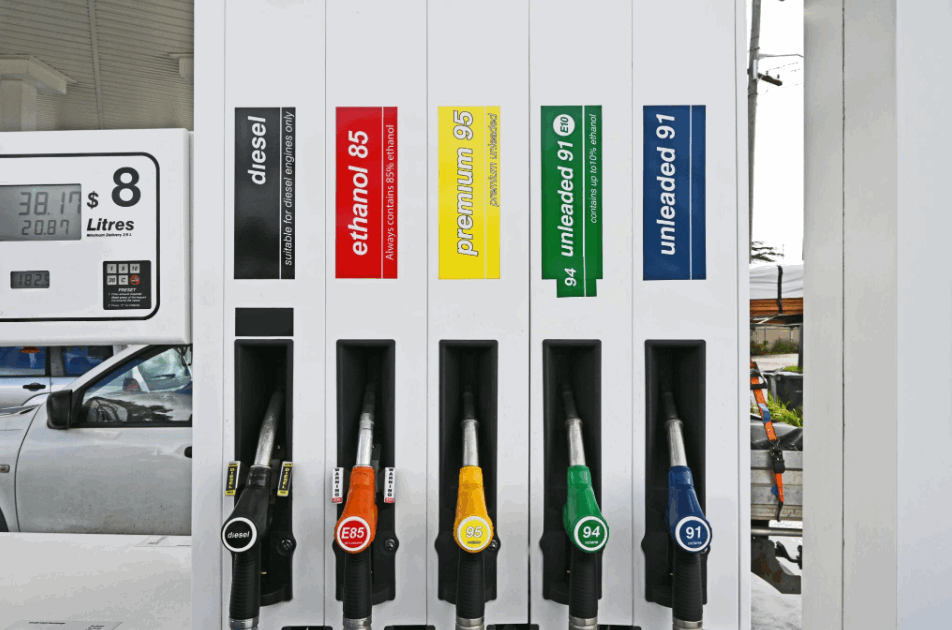
Is It Bad to Mix Gas from Different Stations?
Mixing gas from different stations does not normally harm your car. Gasoline from one station can mix with gasoline from another station inside the same fuel tank. The fuel does not become harmful simply because you bought it from different brands or locations. Your vehicle only needs gasoline that meets the fuel requirements in the owner’s manual.
The main difference between stations usually involves the gasoline brand and its additive package. Gasoline brands can use different detergent additives and other fuel additives. These ingredients support fuel quality and engine cleanliness, but they do not normally make one brand incompatible with another. You can therefore switch between stations without draining the fuel tank first.
Octane rating matters more than the name of the gas station. Regular, mid grade, and premium gasoline have different octane ratings. When you mix two grades, the fuel in your tank takes on characteristics from both fuels. The final octane level depends on the fuels and their proportions. Your engine must still receive fuel that meets its minimum octane requirement.
Fuel quality also matters. Contaminated gasoline can cause problems regardless of the station where you bought it. Water, sediment, or other contamination can affect the fuel system and engine. These problems come from poor fuel quality rather than from mixing gasoline from different stations.
Can You Mix Different Brands of Gas in the Same Tank?
Yes, you can normally mix different brands of gas in the same tank. Your car does not require gasoline from one specific station unless the manufacturer states otherwise. When you add gasoline from a different brand, the new fuel mixes with the gasoline already inside the tank.
Different gasoline brands can use different additive packages. These packages may contain detergent additives and other compounds that support fuel quality and engine cleanliness. However, the presence of different additives does not normally make the fuels incompatible. The gasoline still needs to meet the fuel specification required by your vehicle.
The fuel grade also matters when you switch brands. A driver who normally buys regular gasoline should continue using the correct regular fuel for the vehicle. A driver with an engine that requires premium gasoline should continue meeting that requirement after changing stations. The brand can change while the required fuel grade stays the same.
You also do not need to empty your tank before changing gasoline brands. The remaining fuel and the new fuel will mix during normal driving. The important factor is whether both fuels meet the vehicle’s requirements. Choosing the correct fuel specification matters more than staying with the same gasoline brand.
Can Different Gas Additives Damage Your Engine When Mixed?
Different gas additives do not normally damage your engine when you mix gasoline from different brands. Gasoline brands can use their own additive packages, but these packages remain part of fuel that meets the required gasoline specifications. Changing brands does not automatically create a harmful chemical reaction inside the fuel tank.
Detergent additives help keep parts of the fuel system cleaner. Different brands may use different detergent formulations or additive combinations. These differences explain why gasoline from two stations can have different formulations. They do not mean that drivers must avoid mixing the brands. The key factor remains the fuel specification required by the vehicle manufacturer.
The situation changes when you add separate aftermarket fuel additives to the tank. These products have different purposes and concentrations. Using an unsuitable product can create a different problem from simply mixing gasoline brands. Drivers should therefore follow the product instructions and the vehicle manufacturer’s recommendations before adding a separate fuel treatment.
For normal refueling, switching between gasoline brands does not require special action. You can add fuel from another station when the tank already contains gasoline from a different brand. As long as the fuel meets your vehicle’s requirements, the different additive packages do not make the mixture inherently unsafe.
Can You Mix Gas with Different Octane Ratings?
Yes, you can mix gas with different octane ratings in the same tank. The important requirement is that the resulting fuel must meet your vehicle’s minimum octane requirement. Octane rating measures a fuel’s resistance to engine knock. It does not measure whether gasoline comes from a particular station or brand.
Regular, mid grade, and premium gasoline contain different octane ratings. When you add one grade to another, the fuels mix throughout the tank. The resulting gasoline has an octane level influenced by both fuels and the amount of each fuel in the tank. For example, adding a small amount of regular gas to a tank containing premium gas will lower the overall octane level, but it does not automatically make the fuel harmful.
Your vehicle’s minimum octane requirement determines whether the mixture is suitable. If your engine requires premium gasoline, you should make sure the fuel in the tank continues to meet that requirement. If your vehicle accepts regular gasoline, adding premium gasoline does not create a compatibility problem. Premium fuel does not automatically provide a benefit when the engine does not require it.
The safest approach is to follow the fuel specification in your owner’s manual. The gasoline brand can change, and different fuel grades can mix, but the final fuel still needs to match the requirements of your engine.
Can Mixing Regular and Premium Gas Damage Your Engine?
Mixing regular and premium gas does not automatically damage your engine. The important factor is the minimum octane rating that your vehicle requires. If the mixed fuel still meets that requirement, the mixture does not become harmful simply because it contains two fuel grades.
Regular and premium gasoline differ mainly in octane rating. Premium gasoline has a higher resistance to engine knock than regular gasoline. When you mix the two grades, the fuel in the tank takes on characteristics from both grades. The exact result depends on how much of each fuel remains in the tank.
The situation matters more when your engine requires premium gasoline. Adding regular gas can lower the overall octane level in the tank. If the final fuel falls below the manufacturer’s required octane rating, the engine may not operate as intended. Drivers with vehicles that require premium fuel should therefore follow the fuel recommendation in the owner’s manual.
For vehicles designed to run on regular gasoline, adding premium gasoline does not normally cause a problem. However, premium fuel does not automatically improve performance or fuel economy in an engine that does not require it. The correct approach is to use the fuel grade specified by the manufacturer rather than assuming that a higher octane rating always provides a benefit.
Does Mixing Gas from Different Stations Affect Engine Performance?
Mixing gas from different stations does not normally reduce engine performance. When both fuels meet the vehicle manufacturer’s specifications, the engine can burn the mixture normally. Changing gasoline brands does not automatically change how the engine performs.
Octane rating has a greater effect on engine operation than the station where you buy the fuel. The engine needs enough octane to resist abnormal combustion and engine knock. If the fuel meets the required octane rating, switching between gasoline brands should not create a performance problem. If the fuel falls below the required rating, the engine may respond differently because the fuel no longer meets its design requirements.
Gasoline additives can also differ between brands. These additives support fuel quality and can include detergents that help keep fuel system components clean. However, different additive packages do not normally create a problem when you mix compatible gasoline. A change in performance after visiting another station does not prove that the two fuels caused the problem.
Fuel quality deserves more attention when the engine suddenly runs poorly after refueling. Contaminated gasoline can affect combustion and fuel system operation. Symptoms such as hesitation, rough running, or poor acceleration may indicate a fuel problem, but other mechanical or electrical faults can cause similar symptoms. The timing of the problem can provide a useful clue, but it does not establish the cause by itself.
Can Mixing Gas from Different Stations Damage the Fuel System?
Mixing compatible gasoline from different stations does not inherently damage your car’s fuel system. The fuel pump, fuel injectors, fuel filter, and fuel lines can handle gasoline from different brands when the fuel meets the vehicle manufacturer’s specifications. The source of the gasoline matters less than its quality and compatibility with the vehicle.
Contaminated gasoline creates a different risk. Water, sediment, and other contaminants can interfere with fuel delivery and combustion. These problems can affect fuel system components and cause the engine to run poorly. A vehicle may show symptoms such as rough running, hesitation, reduced acceleration, or stalling after receiving contaminated fuel.
The fuel grade also matters. Gasoline with an octane rating below the manufacturer’s minimum requirement can create problems for an engine designed to operate with higher octane fuel. Ethanol content can also matter when a vehicle has specific compatibility requirements. Drivers should check the owner’s manual before using fuel with a different ethanol specification.
The key distinction is simple. Mixing gasoline from two suitable stations does not damage the fuel system by itself. Using contaminated fuel or gasoline that does not meet the vehicle’s requirements creates the actual risk. If a car develops problems soon after refueling, the driver should consider fuel quality as one possible cause rather than assuming that mixing brands caused the problem.
Does It Matter Which Gas Station You Get Gas From?
The gas station you choose can matter for fuel quality, but your car does not normally need gasoline from one specific station. Drivers can switch between stations when each fuel meets the vehicle manufacturer’s requirements. The important factors include fuel grade, octane rating, fuel compatibility, and fuel quality.
Gasoline brands can use different detergent and additive packages. These differences do not normally make one brand incompatible with another. A driver can therefore use gasoline from different stations without draining the tank between fill-ups. The fuel already in the tank will mix with the new gasoline during normal driving.
Fuel quality deserves more attention than brand loyalty. Contaminated gasoline can contain water, sediment, or other unwanted material. These contaminants can affect fuel delivery and combustion. A vehicle may develop rough running, hesitation, poor acceleration, or stalling after receiving poor quality fuel. These symptoms can have other causes, so drivers should not assume that the station caused the problem without further diagnosis.
Drivers should also check the fuel requirements in the owner’s manual. The correct octane rating and fuel type matter more than the station name. When a vehicle has specific ethanol or fuel compatibility requirements, the driver should follow those specifications. The best gas station is therefore one that provides fuel that matches the vehicle’s requirements and maintains appropriate fuel quality.
Is It Bad to Switch Gas Stations Frequently?
Switching gas stations frequently is not bad for your car. Your vehicle does not normally need gasoline from the same station at every fill up. You can change stations when you travel, move to a new area, or simply choose another location. The important requirement is that the gasoline matches your vehicle’s fuel specifications.
Changing stations does not change how the engine receives or burns compatible gasoline. When you add fuel from another station, the new gasoline mixes with the fuel already in the tank. Different brands can use different additive packages, but these differences do not normally make compatible gasoline unsafe to mix.
Fuel grade matters more than station loyalty. If your vehicle requires a specific octane rating, you should continue using fuel that meets that requirement when you change stations. The same principle applies to ethanol compatibility and other fuel specifications listed by the manufacturer. Using the correct fuel protects the engine more effectively than buying gasoline from the same brand every time.
Fuel quality also matters when you switch stations. Poor quality or contaminated gasoline can cause engine and fuel system problems. If your car develops symptoms soon after refueling, consider the fuel quality and the vehicle’s fuel requirements before blaming the change in gas stations. The station itself does not make compatible gasoline harmful when you switch between locations.
How Can You Tell If You Got Bad Gas from a Gas Station?
You may have bad gas if your car develops engine problems soon after refueling. Common symptoms include hard starting, rough idling, hesitation, poor acceleration, misfires, and stalling. A check engine light may also appear when poor fuel affects engine operation. These symptoms can indicate a fuel problem, but they do not prove that contaminated gasoline caused the issue.
Contaminated gasoline can contain water, sediment, or other unwanted material. These contaminants can interfere with fuel delivery and combustion. The fuel system must deliver a consistent fuel mixture to the engine, so contamination can disrupt normal engine operation. The problem can become more noticeable during starting, acceleration, or other situations that require stable fuel delivery.
The timing of the symptoms provides an important clue. If the engine starts running poorly shortly after you refuel, the gasoline deserves attention as one possible cause. However, ignition problems, sensor faults, fuel system failures, and other mechanical issues can produce similar symptoms. A recent fill up therefore does not establish that the gasoline caused the problem.
Drivers should also distinguish bad gas from normal changes between gasoline brands. Switching stations does not automatically create poor fuel quality. If compatible gasoline from another station causes no unusual symptoms, the change itself does not indicate a problem. Focus on the fuel quality, fuel specification, and timing of the symptoms rather than the station name alone.
What Should You Do If Your Car Runs Poorly After Getting Gas?
Check the fuel you added when your car starts running poorly after refueling. Confirm the fuel grade and compare it with the requirement in your owner’s manual. The fuel grade matters because an engine may require a specific octane rating. A mismatch between the fuel and the manufacturer’s requirement can affect engine operation.
Pay attention to when the symptoms started. Problems that appear soon after refueling can make the fuel worth investigating. Hard starting, rough idling, hesitation, poor acceleration, misfires, and stalling can occur when contaminated gasoline affects fuel delivery or combustion. These symptoms can also result from mechanical, electrical, or fuel system problems, so the symptoms alone cannot confirm bad gasoline.
Check the fuel receipt if you still have it. The receipt can help you identify the fuel grade and the station where you bought the gasoline. This information can help when you need to investigate a fuel quality problem. If the vehicle continues to run poorly, professional diagnosis can help identify whether the problem involves the fuel system, engine, ignition system, or another component.
Do not assume that switching gas stations caused the problem. Compatible gasoline from different stations can mix safely in the same tank. The more relevant questions are whether the fuel meets the vehicle’s specifications and whether the gasoline contains contamination. This distinction helps separate a normal change in gasoline source from a genuine fuel quality problem.
How Do You Choose the Right Gas for Your Car?
Choose gasoline based on your vehicle manufacturer’s requirements. The owner’s manual provides the most important information about fuel type and minimum octane rating. These specifications matter more than the gasoline brand or gas station you choose.
Check the required octane rating before selecting regular, mid grade, or premium gasoline. An engine designed for regular gasoline does not normally need premium fuel. An engine that requires premium gasoline should receive fuel that meets its minimum octane requirement. Using a higher octane fuel does not automatically improve performance when the engine does not require it.
Check ethanol compatibility when your vehicle has specific fuel requirements. Ethanol content can affect fuel compatibility for some vehicles and fuel systems. The manufacturer’s specifications should guide your choice instead of assumptions about which gasoline works best.
Consider fuel quality after confirming the correct fuel specification. Choose stations that provide the appropriate fuel grade and maintain good fuel quality. You can change gasoline brands or stations without harming the vehicle when the fuel remains compatible with the manufacturer’s requirements. The best fuel choice therefore depends on vehicle specifications first, fuel quality second, and brand preference last.
Is It Bad to Mix Gas from Different Stations?
Mixing gas from different stations is generally safe for your car when both fuels meet the manufacturer’s requirements. Your vehicle does not need gasoline from the same station at every fill up. Different gasoline brands can use different additive packages, but these differences do not normally make compatible fuels unsafe to mix.
The fuel grade matters more than the gas station. Check the minimum octane rating in your owner’s manual before choosing regular, mid grade, or premium gasoline. Ethanol compatibility also matters when your vehicle has specific fuel requirements. These specifications help ensure that the fuel matches the design of your engine and fuel system.
Fuel quality deserves the most attention when a car develops problems after refueling. Contaminated gasoline can affect fuel delivery and combustion. Symptoms such as rough idling, hesitation, misfires, poor acceleration, and stalling can indicate a fuel problem, although other vehicle faults can cause similar symptoms.
You can switch gas stations without worrying about the change itself. Focus on using the correct fuel specification and choosing a reliable source of gasoline. If your car runs poorly after refueling, check the fuel grade, consider fuel quality, and seek professional diagnosis when the symptoms persist.