You should clean a throttle body when dirt and deposits begin to affect airflow or engine operation. No single cleaning interval works for every vehicle. The right frequency depends on the vehicle, driving conditions, intake system, and amount of buildup.
Mileage provides a useful maintenance reference, but it does not tell the whole story. A vehicle may need throttle body cleaning sooner when deposits accumulate quickly. Driving conditions and intake system contamination can also affect how often the throttle body needs attention.
A dirty throttle body can cause several noticeable symptoms. These include rough idle, unstable RPM, hesitation during acceleration, poor throttle response, and stalling. However, these symptoms do not always indicate a dirty throttle body. Other engine and intake problems can cause similar symptoms. An inspection can help identify the actual cause.
This guide explains how often to clean a throttle body and how to judge the right cleaning interval. It also covers mileage, driving conditions, common warning signs, and the effects of leaving significant deposits untreated.
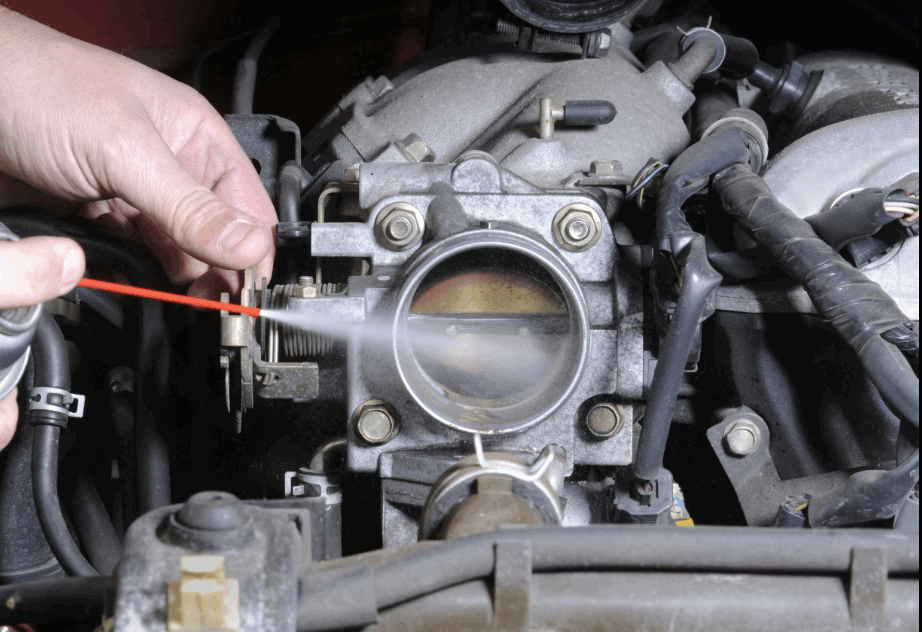
How Often Should You Clean a Throttle Body?
There is no universal mileage interval for cleaning a throttle body. Your vehicle may need cleaning when deposits affect throttle movement, airflow, idle quality, or acceleration. The vehicle manufacturer’s maintenance guidance should take priority because throttle body designs and service requirements differ between models.
Mileage can still help you plan an inspection. A higher mileage vehicle has had more time to accumulate deposits, especially when it operates in conditions that introduce more contamination into the intake system. However, mileage alone does not confirm that the throttle body needs cleaning. Inspecting the throttle body and checking the vehicle’s symptoms provide stronger evidence.
You should also consider the condition of the intake system. Dirt, oil vapor, and other deposits can collect around the throttle plate and throttle bore. As buildup increases, it can interfere with normal airflow and throttle operation. The engine may then develop symptoms such as rough idle, unstable RPM, hesitation, or poor throttle response.
For this reason, treat throttle body cleaning as a condition based maintenance task rather than an automatic service at every specific mileage point. Check the maintenance schedule, monitor engine behavior, and inspect the throttle body when symptoms or contamination suggest a problem. If the vehicle shows persistent symptoms, diagnose the underlying cause before cleaning or replacing the component.
What Factors Affect How Often a Throttle Body Needs Cleaning?
Five factors can affect how often a throttle body needs cleaning: driving conditions, driving patterns, intake system contamination, air filter condition, and deposit buildup. These factors influence how much dirt and residue reaches the throttle body over time. As deposits collect around the throttle plate and throttle bore, they can affect airflow and throttle operation.
Driving conditions matter because vehicles operate in different environments. Frequent stop and go driving creates a different operating pattern from steady highway driving. Repeated low speed operation and extended idling also change how the engine manages airflow. These conditions can affect when a driver notices symptoms that may justify an inspection.
The intake system also plays an important role. The throttle body sits within the engine’s air intake path, so contamination within that system can contribute to deposits. A dirty or poorly maintained air filter can also affect the condition of incoming air. Oil vapor and other residue can collect around the throttle plate and create additional buildup.
Deposit accumulation provides the most direct reason to inspect the throttle body. When buildup becomes significant, it can interfere with normal airflow and throttle operation. You should therefore consider the vehicle’s operating conditions and actual throttle body condition instead of relying on mileage alone.
What Are the Signs That a Throttle Body Needs Cleaning?
A dirty throttle body can produce six common warning signs: rough idle, unstable RPM, hesitation during acceleration, poor throttle response, engine stalling, and a possible check engine light. These symptoms can appear when deposits build up around the throttle plate and affect the airflow that enters the engine.
Rough idle often appears when the engine struggles to maintain a stable airflow at low speed. You may notice the RPM moving up and down while the vehicle sits at a stop. The engine may also feel uneven or shake more than usual. These changes can point to a throttle body problem, but other engine faults can cause similar symptoms.
Hesitation and poor throttle response can appear during acceleration. The engine may respond slowly when you press the accelerator, or the vehicle may hesitate before it accelerates normally. Deposits around the throttle plate can interfere with normal airflow and throttle operation. The severity of the symptoms depends on the condition of the throttle body and the vehicle’s engine system.
A check engine light can also appear when an engine control problem affects throttle operation. However, you should not assume that a dirty throttle body caused the warning light. Faulty sensors, intake leaks, ignition problems, and other issues can produce similar symptoms. When symptoms persist, diagnostic testing can identify the actual cause before you clean or replace the throttle body.
Can a Dirty Throttle Body Cause Rough Idle and Poor Acceleration?
A dirty throttle body can contribute to rough idle and poor acceleration because deposits can affect airflow through the throttle body. The throttle plate controls the amount of air entering the engine. When deposits collect around the throttle plate and throttle bore, they can interfere with normal airflow and throttle operation.
Rough idle can occur when the engine struggles to maintain stable airflow at low RPM. The driver may notice unstable engine speed, uneven operation, or engine shaking while the vehicle remains stationary. These symptoms can become more noticeable when the throttle body has significant buildup.
Poor acceleration can also occur when deposits interfere with throttle operation. The engine may hesitate when the driver presses the accelerator. Throttle response may also feel slower than normal. The problem occurs because the engine depends on controlled airflow to respond properly to changes in throttle input.
However, these symptoms do not confirm that the throttle body needs cleaning. Intake leaks, sensor problems, ignition faults, and other engine issues can produce similar symptoms. If rough idle or poor acceleration continues after inspection or cleaning, the vehicle needs further diagnosis to identify the actual cause.
What Happens If You Do Not Clean a Dirty Throttle Body?
Leaving significant deposits on a throttle body can affect airflow and throttle operation. The throttle plate controls airflow into the engine, so buildup around the plate or throttle bore can interfere with normal engine operation. The effect depends on the amount of contamination and the condition of the vehicle.
A dirty throttle body can contribute to rough idle and unstable RPM. The engine needs stable airflow to maintain consistent operation at low speed. When deposits interfere with airflow, the engine may struggle to maintain a steady idle. You may notice fluctuating RPM or uneven engine operation while the vehicle remains stationary.
Deposits can also contribute to hesitation and poor throttle response. The engine may respond less smoothly when you press the accelerator. In more noticeable cases, the vehicle may stall. These symptoms indicate that the throttle body deserves inspection, but they do not prove that deposits caused the problem.
You should not assume that every dirty throttle body will cause serious engine problems. The source material identifies specific drivability symptoms rather than evidence that neglecting throttle body cleaning will damage the engine. If symptoms continue, inspect the throttle body and diagnose other possible causes before performing repeated cleaning.
How Can You Tell If a Throttle Body Is Dirty?
You can identify a dirty throttle body through a combination of symptoms and inspection. Visible deposits around the throttle plate or throttle bore provide direct evidence of contamination. Engine symptoms such as rough idle, unstable RPM, hesitation, and poor throttle response can also indicate that deposits affect throttle operation. However, symptoms alone cannot confirm that the throttle body causes the problem.
A visual inspection can show whether dirt or residue has accumulated inside the throttle body. Pay particular attention to the area around the throttle plate and throttle bore. Deposits in these areas matter because the throttle plate controls airflow into the engine. Significant buildup can interfere with normal airflow and contribute to unstable engine operation.
You should also compare the physical condition of the throttle body with the vehicle’s symptoms. A visibly dirty throttle body with rough idle or poor acceleration provides stronger evidence for cleaning than a component that looks clean and operates normally. This approach helps prevent unnecessary maintenance based only on mileage or a single symptom.
If the vehicle has persistent drivability problems, do not assume that cleaning will solve them. Intake leaks, sensor faults, ignition problems, and other engine issues can produce similar symptoms. Inspect the throttle body as part of a broader diagnosis when the cause remains unclear.
Does Cleaning a Throttle Body Improve Engine Performance?
Cleaning a dirty throttle body can improve engine operation when deposits interfere with airflow or throttle response. The throttle body controls airflow into the engine through the throttle plate. When dirt and residue build up around this area, they can affect airflow and contribute to rough idle, hesitation, or poor throttle response.
The main benefit of cleaning comes from restoring normal throttle body operation. Removing significant deposits can help the throttle plate move and manage airflow as intended. This improvement matters most when contamination has already affected engine behavior. A clean throttle body does not automatically create extra engine power when the component already operates normally.
The effect also depends on the actual cause of the vehicle problem. A dirty throttle body can produce symptoms that resemble other engine or intake problems. Sensor faults, intake leaks, ignition issues, and other conditions can also affect idle quality and acceleration. Cleaning the throttle body will not fix those problems.
For this reason, inspect the throttle body when the vehicle shows relevant symptoms or when maintenance conditions justify an inspection. If deposits clearly affect throttle operation, cleaning can restore normal performance. If the throttle body looks clean or symptoms continue after cleaning, diagnose the wider engine and intake system instead.
Can Cleaning a Throttle Body Improve Fuel Economy?
Cleaning a throttle body can support normal engine operation when deposits affect airflow or throttle response. A dirty throttle body can contribute to rough idle, hesitation, and poor engine response. When cleaning restores normal operation, the vehicle may operate more efficiently. However, throttle body cleaning does not guarantee a measurable improvement in fuel economy.
Fuel economy depends on several factors beyond the throttle body. Driving habits, vehicle condition, engine operation, tire condition, and other maintenance issues can all affect how much fuel the vehicle uses. A throttle body therefore represents only one part of the engine and intake system.
Cleaning makes the most sense when the throttle body has significant deposits or when related symptoms indicate a possible airflow problem. Removing buildup can restore the intended operation of the throttle plate and improve throttle response. The result depends on whether contamination actually contributed to the vehicle’s operating problem.
You should not clean a throttle body solely to increase fuel economy when it already operates normally. Inspect its condition first and consider other causes of poor fuel economy when consumption remains high. This approach connects cleaning to an actual maintenance need instead of treating it as a guaranteed fuel saving measure.
Should You Clean or Replace a Throttle Body?
You should clean a throttle body when deposits cause airflow or throttle operation problems. Cleaning addresses contamination around the throttle plate and throttle bore. It makes sense when inspection shows buildup and the vehicle shows related symptoms such as rough idle, hesitation, unstable RPM, or poor throttle response.
Replacement addresses a different problem. A throttle body may require replacement when the component has a mechanical or electronic fault that cleaning cannot resolve. However, the available source material does not provide a specific list of replacement conditions or a replacement interval. You should therefore avoid replacing the component based on symptoms alone.
Diagnosis should come before either decision when the cause remains unclear. Several engine and intake problems can produce symptoms that resemble a dirty throttle body. A mechanic can inspect the throttle body and evaluate other possible causes before recommending further work.
If inspection confirms significant deposits without evidence of component failure, cleaning provides the appropriate maintenance approach. If symptoms remain after proper cleaning, investigate other engine and intake system faults. This process prevents unnecessary replacement and keeps the repair focused on the actual cause of the vehicle problem.
Should You Clean a Throttle Body Yourself or Use a Mechanic?
You can clean a throttle body yourself when you understand the vehicle specific procedure and can access the component safely. The cleaning process requires attention to the throttle plate, throttle bore, and surrounding intake components. You should follow the vehicle manufacturer’s service instructions because throttle body designs and procedures differ between vehicles.
Professional service makes more sense when the vehicle has persistent symptoms or when you cannot identify the cause of the problem. Rough idle, hesitation, poor acceleration, and stalling can result from several engine or intake system faults. A mechanic can inspect the throttle body and evaluate other possible causes before recommending cleaning or replacement.
Electronic throttle systems also require extra care. Some vehicles use electronic control systems that may require specific procedures after service. The source material does not provide a universal procedure for these systems, so you should not assume that every vehicle follows the same cleaning method.
If the throttle body only needs routine cleaning and you have the correct vehicle specific instructions, DIY maintenance may be appropriate. If the vehicle has unexplained drivability problems, persistent symptoms, or an uncertain diagnosis, professional inspection provides a safer approach. The goal is to identify the actual problem rather than repeatedly cleaning a component that may not cause the symptoms.
When Should You Clean Your Throttle Body?
You should clean your throttle body when inspection shows significant deposits or when related symptoms indicate that buildup may affect throttle operation. There is no single mileage interval that applies to every vehicle. Mileage can help you plan an inspection, but the vehicle’s maintenance guidance and actual condition should guide the final decision.
Pay attention to rough idle, unstable RPM, hesitation, poor throttle response, and stalling. These symptoms can indicate a throttle body problem, but they can also result from other engine or intake faults. Check the throttle body before assuming that cleaning will solve the issue.
The best approach combines maintenance guidance with condition based inspection. Check the manufacturer’s recommendations, consider the vehicle’s mileage and operating conditions, and inspect the throttle body when symptoms appear. Clean the component when deposits affect its operation. If symptoms continue after cleaning, investigate other possible causes instead of repeatedly cleaning the throttle body.