Car wrapping is worth it for drivers who want a reversible way to customize their vehicle while helping preserve the original paint. A quality vinyl wrap can change a car’s color, finish, or overall appearance without the permanent commitment of repainting. It also adds a layer over suitable factory paint, which can reduce direct exposure to sunlight, minor surface contaminants, and everyday environmental wear.
However, wrapping a car is not worth the cost in every situation. Its value depends on the condition of the existing paint, installation quality, expected lifespan, maintenance requirements, and how long you plan to keep the vehicle. A wrap also has limits. It will eventually fade or deteriorate, requires proper care, and cannot provide the same level of physical paint protection as paint protection film.
The decision therefore comes down to what you expect from the wrap and how much those benefits are worth over its usable life. This guide examines car wrapping costs, lifespan, benefits, drawbacks, paint protection, resale value, and repainting alternatives to determine when wrapping a car is a worthwhile investment.
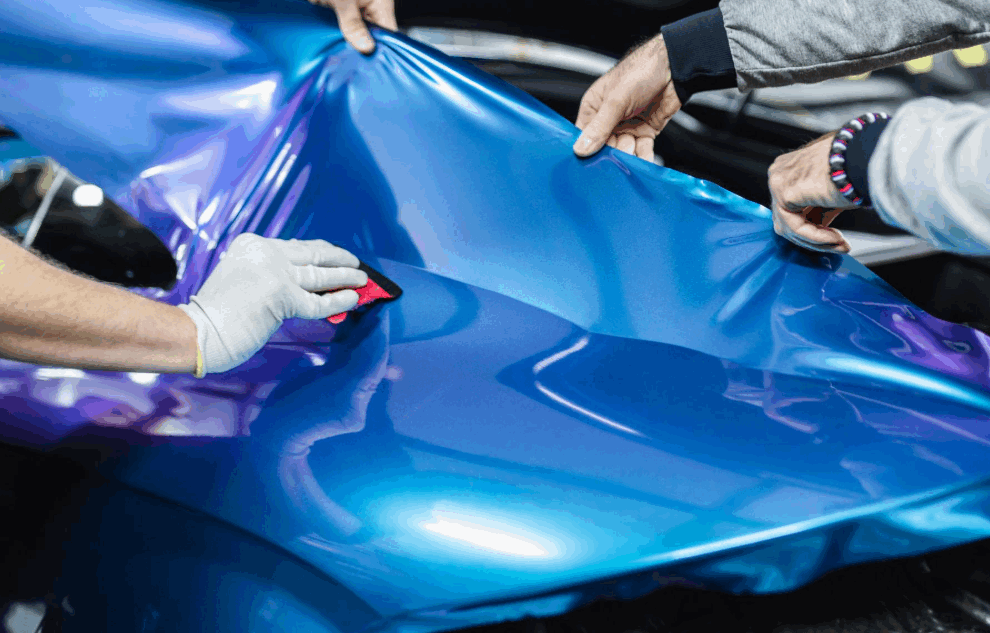
Is Car Wrapping Worth It?
Car wrapping is worth it when its customization, reversibility, and paint preservation benefits justify the installation cost and limited lifespan. The decision depends on five main factors: installation cost, expected lifespan, original paint condition, customization goals, and ownership period. A driver who wants a temporary color change without altering factory paint can receive more practical value from a wrap than someone looking for a permanent exterior finish.
Installation cost and lifespan determine much of the financial value. A professionally installed wrap costs more upfront than leaving the existing paint unchanged, and the vinyl will eventually require removal or replacement. However, the cost becomes easier to justify when the wrap remains in good condition for most of its expected service life. Poor materials, excessive sun exposure, improper washing, or low quality installation can shorten that lifespan and reduce the value of the initial investment.
The condition of the car also matters. Vinyl performs best when applied to a clean, smooth, and stable painted surface. Wrapping a vehicle with peeling paint, rust, or damaged body panels does not solve those underlying problems and may add preparation costs.
The final factor is the owner’s goal. Car wrapping provides stronger value for drivers who prioritize reversible appearance changes and preservation of suitable original paint. Drivers who want a permanent finish or maximum protection against physical paint damage may receive better value from alternatives such as repainting or paint protection film. Therefore, a car wrap is worth the money when its useful lifespan and intended benefits outweigh its total installation and maintenance costs.
How Much Does It Cost to Wrap a Car?
The cost to wrap a car depends on six main factors: vehicle size, body shape, wrap coverage, vinyl quality, surface condition, and labor. Larger vehicles need more vinyl and take longer to wrap. Complex body shapes also increase labor costs. Bumpers, spoilers, vents, mirrors, and deep curves require extra time and careful installation.
The type of wrap also changes the final price. A full wrap uses more material than a partial wrap. Vinyl finish can also affect material costs. Common options include gloss, matte, satin, metallic, textured, and color shifting films. Installers may charge more when a vehicle needs extra surface preparation. Dirt, adhesive residue, damaged paint, or body imperfections can make installation more difficult.
Installation quality has a direct effect on long term value. A cheap installation may lower the upfront cost, but it can create expensive problems later. Poor technique can cause bubbles, wrinkles, visible seams, and lifting edges. These defects may shorten the wrap’s lifespan. The owner may then need to pay for repairs, removal, or early replacement.
For this reason, drivers should compare more than the initial price. They should consider installation quality, expected lifespan, material quality, and future maintenance costs. A higher quality wrap can provide better value when it lasts longer and maintains its appearance. A cheaper wrap offers little financial advantage if the owner must replace it early.
How Long Does a Car Wrap Last?
A car wrap can last several years, but its actual lifespan depends on material quality, installation, climate, sun exposure, storage, and maintenance. High quality vinyl and professional installation give the wrap a better chance of reaching its expected service life. Poor installation or harsh conditions can cause visible wear much sooner.
Sun exposure has a major effect on vinyl. Ultraviolet radiation can gradually fade colors and weaken the material. Heat can also place extra stress on the film and adhesive. Cars parked outside every day face more exposure than vehicles stored in a garage or covered parking area. Horizontal surfaces, such as the hood and roof, may show deterioration sooner because they receive more direct sunlight.
Maintenance also affects durability. Gentle hand washing helps remove dirt, bird droppings, road grime, and other contaminants before they damage the surface. Harsh chemicals and aggressive cleaning methods can shorten the life of the vinyl. Owners should also inspect edges and seams because early lifting can allow dirt and moisture to collect underneath the film.
Common signs of an aging wrap include fading, cracking, peeling, discoloration, and lifting edges. These problems reduce both appearance and protection. Lifespan therefore plays a direct role in determining value. A wrap provides better value when it maintains an acceptable finish for most of its expected service life. Premature deterioration increases the annual cost because the owner must repair, remove, or replace the vinyl sooner.
What Are the Benefits of Wrapping a Car?
There are five main benefits of wrapping a car: customization, reversibility, paint preservation, finish variety, and flexible branding. These benefits make vinyl wrapping useful for drivers who want to change a vehicle’s appearance without choosing a permanent repaint.
Customization is one of the strongest benefits. Vinyl allows owners to change the color or visual style of a vehicle. Drivers can also choose finishes such as gloss, matte, satin, metallic, or textured vinyl. This variety creates appearance options that may be difficult to achieve with standard factory paint.
A car wrap is also reversible. An installer can remove the vinyl when the owner wants another design or the original appearance. This flexibility suits drivers who enjoy changing the look of their cars. It also avoids the permanent color change associated with repainting.
Vinyl can help preserve suitable original paint by covering its surface. The film reduces direct exposure to sunlight, road contaminants, bird droppings, and other environmental elements. However, a standard vinyl wrap does not provide the same physical protection as paint protection film.
Car wrapping also supports personal and commercial designs. Owners can add graphics, patterns, logos, or other visual elements without permanently altering the vehicle. Businesses can use the same flexibility for branded vehicles.
These benefits create the most value when an owner wants customization and reversibility at the same time. Paint preservation adds another advantage when the original finish is already in good condition.
What Are the Drawbacks of Wrapping a Car?
There are five main drawbacks of wrapping a car: upfront cost, limited lifespan, regular maintenance, installation problems, and removal risks. These disadvantages can reduce the value of a wrap when the vehicle or owner does not suit this type of modification.
The initial cost is the first drawback. A quality wrap requires suitable vinyl, careful surface preparation, and skilled labor. Owners must also account for future removal or replacement. These expenses make wrapping less attractive for drivers who only want a minor cosmetic change.
A vinyl wrap also has a limited service life. Sunlight, heat, road contaminants, and poor maintenance gradually degrade the material. Fading, cracking, peeling, and lifting edges can appear as the film ages. The owner must eventually remove or replace the wrap to maintain a clean finish.
Maintenance creates another consideration. Wrapped surfaces need appropriate cleaning and prompt removal of contaminants. Aggressive washing methods or harsh chemicals can damage the vinyl and shorten its lifespan.
Installation quality can create further problems. Poor technique may cause bubbles, wrinkles, visible seams, or loose edges. These defects affect appearance and can lead to premature failure.
Removal also carries risks when the underlying paint is already weak or damaged. Peeling paint, poor previous repairs, or unstable finishes may create problems when the vinyl comes off. Car wrapping therefore provides less value when the vehicle has poor paint condition or the owner cannot meet its maintenance requirements.
Does Wrapping a Car Protect the Original Paint?
Car wrapping can help protect original paint from sunlight, light surface contamination, and minor everyday exposure. The vinyl creates a physical layer between the painted surface and the outside environment. This barrier can help preserve suitable paint while the wrap remains properly installed and maintained.
Vinyl can reduce direct contact with bird droppings, tree sap, road grime, and similar contaminants. It also covers the paint from direct sunlight while installed. These benefits can help owners maintain the condition of factory paint. However, the paint should already have a stable surface before installation.
A standard vinyl wrap has clear protection limits. It does not provide the same level of impact resistance as paint protection film. Stones, sharp objects, deep scratches, and stronger impacts can penetrate or damage the vinyl. The force may then reach the paint underneath. Drivers who prioritize protection against physical damage should compare vinyl wrapping with PPF.
The condition of the existing paint also affects the result. Vinyl performs best on smooth and properly bonded paint. Peeling clear coat, rust, cracked paint, or poor previous repairs can create problems during installation and removal. Wrapping these surfaces does not repair the underlying damage.
Paint preservation is therefore a useful benefit of car wrapping, but customization remains its primary purpose. Owners should choose PPF when stronger physical paint protection is the main objective.
Does Wrapping a Car Affect Its Resale Value?
Car wrapping can affect resale value, but a wrap does not automatically make a vehicle worth more. Its effect depends on the condition of the original paint, installation quality, wrap condition, and removal process. A well maintained wrap may help preserve the finish underneath. However, buyers still judge the vehicle by its overall condition.
Preserving factory paint can support resale appeal. Vinyl covers the painted surface and limits direct exposure to sunlight and surface contaminants. This benefit matters most when the paint was in good condition before installation. After removing the wrap, clean factory paint may make the vehicle more attractive to buyers who value an original finish.
A poorly maintained or damaged wrap can have the opposite effect. Fading, peeling, cracking, and lifting edges can make a vehicle look neglected. Buyers may also question the condition of the paint underneath. Highly personalized colors or graphics can further limit appeal because visual preferences differ between buyers.
Removal is another important factor. Professional removal from stable paint can reveal the original finish without leaving a permanent color change. Weak paint or poor previous repairs create greater risk during this process.
Car wrapping can support resale value by helping preserve suitable original paint, but it cannot guarantee a higher selling price. Installation quality, maintenance, paint condition, and buyer preference ultimately determine whether the wrap provides a resale benefit.
Is It Better to Wrap or Repaint a Car?
Wrapping is better for a temporary and reversible appearance change, while repainting is better for a permanent finish. The right choice depends on paint condition, ownership goals, desired lifespan, and the type of exterior change the owner wants.
A car wrap covers the existing finish without permanently changing its color. This makes wrapping suitable for owners who want a new look while keeping suitable factory paint underneath. Vinyl also offers several finishes, including gloss, matte, satin, metallic, and textured options. The owner can later remove the material and return the vehicle to its previous appearance.
Repainting takes a different approach. The process changes the painted finish itself and provides a more permanent result. It makes more sense when existing paint has severe fading, peeling, or other defects that require repair. A wrap cannot fix these problems because the vinyl follows the condition of the surface underneath.
Lifespan also affects the decision. Vinyl has a limited service life and eventually needs removal or replacement. A quality paint job targets a longer term exterior finish and does not require vinyl removal. However, repainting removes the main advantage of reversibility.
Car wrapping provides better value when customization and reversibility are the main goals. Repainting provides better value when the vehicle needs paint restoration or the owner wants a permanent finish. Comparing these goals before spending money helps owners choose the option that matches the vehicle’s actual condition.
When Is Car Wrapping Not Worth It?
Car wrapping is not worth it when the vehicle needs major paint repair, the owner wants a permanent finish, or the expected benefits cannot justify the total cost. Six situations can make a vinyl wrap a poor investment.
Poor paint condition is one of the strongest reasons to avoid wrapping. Peeling clear coat, rust, cracked paint, and weak previous repairs create an unstable surface. Vinyl does not repair these defects. Removal may also create problems when the underlying paint already has poor adhesion.
Wrapping also offers limited value when a vehicle needs bodywork. Dents, corrosion, and damaged panels require proper repair first. Covering these defects with vinyl only changes their appearance without solving the underlying problem.
A wrap may also be unsuitable for owners who want a permanent exterior finish. Vinyl has a limited lifespan and eventually needs removal or replacement. Repainting may provide better value when long term color change is the main objective.
Ownership duration also matters. Spending money on a full wrap may offer poor value when the owner plans to sell the vehicle soon. The short ownership period gives less time to benefit from the modification.
Maintenance habits create another limitation. Owners who cannot follow suitable cleaning and care practices may shorten the life of the vinyl.
Finally, car wrapping is not the best choice when maximum paint protection is the primary goal. PPF is a more suitable option when protection against physical paint damage matters more than appearance customization.
Who Should Consider Wrapping Their Car?
Car wrapping is best suited to owners who want reversible customization, suitable paint preservation, or a distinctive vehicle appearance. It also works well for drivers who accept the cost, maintenance needs, and limited lifespan of vinyl. The value becomes stronger when these features match a clear ownership goal.
Drivers who want to change their car’s appearance are strong candidates for wrapping. Vinyl offers colors and finishes that can create a different look without a permanent repaint. Owners can later remove the wrap or replace it with another design. This flexibility makes wrapping useful for car enthusiasts who change styles over time.
Owners with factory paint in good condition may also benefit from a wrap. The vinyl covers the painted surface and reduces direct exposure to several environmental contaminants. This can help preserve the finish underneath. However, owners should not use a wrap as a repair method for peeling paint, rust, or damaged bodywork.
Businesses can also consider vehicle wrapping for branding. Vinyl allows companies to display logos, graphics, contact details, and other visual elements on a vehicle. They can update or remove these graphics without permanently changing the original color.
Car wrapping makes less sense for owners who want a permanent finish or maximum impact protection. Repainting better serves a permanent color change, while PPF focuses more directly on physical paint protection. The best candidates for car wrapping are owners whose main priorities are customization, reversibility, and preservation of suitable original paint.
Is Car Wrapping Worth the Money?
Car wrapping is worth the money when customization, reversibility, and preservation of suitable original paint justify the total cost. Its value depends on four main factors: installation cost, expected lifespan, vehicle condition, and the owner’s goal. A quality wrap offers stronger value when all four factors support the decision.
Wrapping makes the most sense for drivers who want to change a vehicle’s appearance without choosing a permanent repaint. It also suits owners who want to keep suitable factory paint covered during the wrap’s service life. Proper installation and maintenance are important because premature damage reduces the financial value of the modification.
However, a wrap is not the right investment for every vehicle. Cars with peeling paint, rust, or damaged bodywork may need repairs before any vinyl application. Repainting is a better option when the owner wants a permanent finish. PPF is more suitable when physical paint protection is the main priority.
The final decision should match the purpose of the modification. Choose car wrapping for reversible customization and appearance flexibility. Choose repainting for a permanent finish. Choose PPF when stronger paint protection matters most.