Hydraulic oil types differ by base fluid, performance properties, viscosity grade, and intended application. The main types include mineral, synthetic, biodegradable, fire resistant, anti wear, and rust and oxidation inhibited hydraulic oils. Each type affects lubrication, component protection, temperature performance, and service life. Therefore, choosing the correct type directly affects hydraulic system performance and reliability.
Base fluid provides one of the main ways to classify hydraulic oil. Mineral hydraulic oil serves many industrial and mobile hydraulic systems. In contrast, synthetic hydraulic oil offers specific advantages under demanding operating conditions. Biodegradable hydraulic oil reduces environmental impact when leaks threaten soil or water. Meanwhile, fire resistant hydraulic fluid provides added protection in areas with heat or ignition risks.
However, hydraulic oil type and viscosity grade describe different properties. ISO VG 32, ISO VG 46, and ISO VG 68 indicate viscosity grades, not individual oil types. For example, one product can use a synthetic base fluid and provide anti wear protection. At the same time, it can meet the requirements of ISO VG 46. Understanding these differences helps users compare hydraulic oils correctly. It also helps them match oil properties with equipment requirements, operating conditions, and specific hydraulic applications.
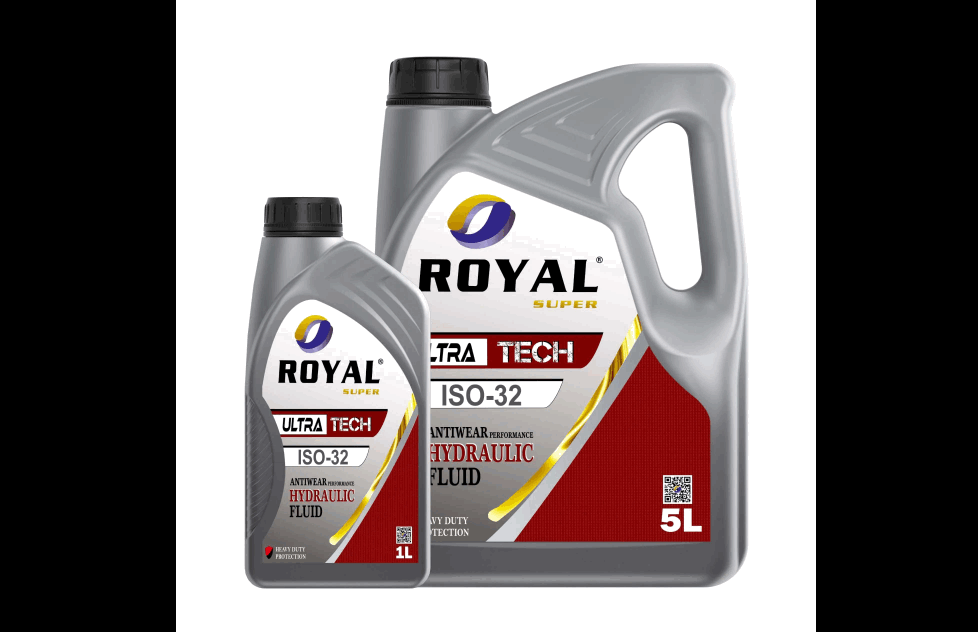
What Are the Main Types of Hydraulic Oil?
There are six main types of hydraulic oil: mineral, synthetic, biodegradable, fire resistant, anti wear, and rust and oxidation inhibited hydraulic oil. However, these types do not belong to one single classification system. Manufacturers classify hydraulic oils by base fluid, performance properties, and operating requirements. Therefore, one hydraulic oil can belong to several categories at the same time.
Mineral hydraulic oil uses petroleum derived base oils and serves many industrial and mobile hydraulic systems. In contrast, synthetic hydraulic oil uses engineered base fluids to provide specific performance characteristics. These characteristics can support equipment that operates under demanding temperatures or service conditions. Biodegradable hydraulic oil focuses on reducing environmental impact. Therefore, it suits applications where leaks may reach soil, waterways, or other sensitive areas.
Fire resistant hydraulic fluids address a different operating requirement. They reduce fire related risks in hydraulic systems near heat or ignition sources. For example, industrial facilities with furnaces or other high temperature equipment may require these fluids. However, fire resistance describes a performance requirement rather than a single base oil category.
Anti wear hydraulic oil contains additives that protect pumps and other moving components from wear. Meanwhile, rust and oxidation inhibited hydraulic oil protects metal surfaces and slows oil degradation. These categories describe functional properties rather than base fluids. As a result, a mineral hydraulic oil can also provide anti wear and oxidation protection. Understanding these overlapping classifications helps users compare hydraulic oil types accurately and avoid choosing a fluid based on its category name alone.
How Are Hydraulic Oils Classified by Base Fluid?
Hydraulic oils fall into three main base fluid groups: mineral, synthetic, and biodegradable hydraulic oils. The base fluid forms the largest part of the finished lubricant. Therefore, it directly influences viscosity behavior, oxidation stability, temperature performance, and service life. Each group also suits different operating conditions and equipment requirements.
Mineral hydraulic oil uses base oil refined from petroleum. It provides effective lubrication for many industrial machines, construction equipment, and mobile hydraulic systems. Moreover, manufacturers can combine mineral base oils with additives for wear, rust, and oxidation protection. Their broad availability also makes them a common choice for conventional hydraulic applications.
Synthetic hydraulic oil uses chemically engineered base fluids. As a result, manufacturers can formulate these oils for specific performance requirements. Synthetic fluids can provide better viscosity stability across wide temperature ranges. They can also resist oxidation under demanding operating conditions. Therefore, equipment exposed to temperature extremes or extended service periods may require a suitable synthetic fluid.
Biodegradable hydraulic oil serves applications where fluid leaks could harm the surrounding environment. For example, forestry, agricultural, and marine equipment may operate close to soil or water. These applications can benefit from fluids designed to biodegrade more readily after accidental release. However, biodegradability alone does not determine equipment compatibility.
The base fluid provides only one part of hydraulic oil classification. Therefore, users must also consider viscosity, additives, performance specifications, and equipment requirements. A suitable base fluid must work with these properties to provide reliable hydraulic system performance.
How Are Hydraulic Oils Classified by Performance Properties?
Hydraulic oils can be classified by three main performance properties: anti wear protection, rust and oxidation protection, and detergent performance. These properties come mainly from the additive package in the finished oil. Therefore, two hydraulic oils with similar base fluids can provide different levels of system protection.
Anti wear hydraulic oil protects pumps and other moving components from surface damage. Hydraulic systems create friction where lubricated components move under pressure. Therefore, anti wear additives help maintain a protective film between these surfaces. This protection can reduce wear and support reliable component operation. Hydraulic pumps often depend on this property because their internal parts operate under continuous mechanical loads.
Rust and oxidation inhibited hydraulic oil serves two different protective functions. First, rust inhibitors protect metal surfaces when moisture enters the hydraulic system. Second, oxidation inhibitors slow chemical reactions between the oil and oxygen. Heat can accelerate these reactions during operation. As a result, effective oxidation control helps limit oil degradation and deposit formation.
Detergent hydraulic oil manages deposits and contaminants differently. Detergent and dispersant additives help keep certain contaminants suspended in the fluid instead of allowing them to settle on components. Therefore, this type can suit specific systems that require this performance characteristic.
Performance classification does not replace base fluid classification. Instead, both classifications describe different attributes of the same hydraulic oil. For example, a mineral hydraulic oil can also provide anti wear and oxidation protection. Therefore, users should evaluate the complete performance specification instead of selecting hydraulic oil from one classification alone.
What Are the Main Properties of Hydraulic Oil?
Hydraulic oil has eight main properties: viscosity, viscosity index, wear protection, oxidation stability, thermal stability, corrosion protection, foam resistance, and water separation. These properties affect how the fluid transfers power and protects hydraulic components. Therefore, users should evaluate them alongside the oil type and equipment requirements.
Viscosity determines how easily hydraulic oil flows at a specific temperature. Oil with excessive viscosity creates more resistance as it moves through the system. In contrast, insufficient viscosity can reduce the lubricating film between moving surfaces. Therefore, the correct viscosity supports lubrication, efficient flow, and reliable hydraulic operation.
Viscosity index describes how much the oil’s viscosity changes as temperature changes. A higher viscosity index indicates a smaller viscosity change across a given temperature range. Therefore, this property becomes important when equipment operates under changing temperatures.
Wear protection helps reduce damage between moving components, especially inside hydraulic pumps. Meanwhile, oxidation stability helps the oil resist chemical degradation during service. Heat and oxygen accelerate oxidation, which can contribute to deposits and changes in oil properties. Thermal stability also helps the fluid maintain its performance under elevated operating temperatures.
Finally, corrosion protection helps protect metal components from rust and chemical attack. Foam resistance controls persistent foam that can interfere with hydraulic operation. Water separation helps the oil release water instead of maintaining an unwanted mixture. Together, these properties determine how effectively hydraulic oil performs its lubrication, protection, and power transmission functions.
What Do ISO VG 32, ISO VG 46, and ISO VG 68 Mean?
ISO VG 32, ISO VG 46, and ISO VG 68 are viscosity grades for industrial lubricants, including hydraulic oils. The numbers indicate different viscosity ranges rather than different hydraulic oil types. Therefore, an ISO VG grade describes how viscous an oil is at the reference temperature. It does not identify its base fluid or complete performance characteristics.
ISO VG 32 has a lower viscosity than ISO VG 46 and ISO VG 68. Therefore, it flows more easily under the same temperature conditions. Equipment manufacturers may specify this grade for systems that require a lower viscosity. In contrast, ISO VG 46 provides a higher viscosity and serves many hydraulic applications. However, its suitability still depends on the equipment design and operating conditions.
ISO VG 68 has a higher viscosity than both ISO VG 32 and ISO VG 46. As a result, it creates a thicker lubricating film under comparable temperature conditions. However, a higher viscosity grade does not mean higher oil quality. Excessive viscosity can increase flow resistance, while insufficient viscosity can weaken lubrication between moving components.
Operating temperature strongly affects the required viscosity grade. As temperature rises, hydraulic oil becomes less viscous. Conversely, lower temperatures increase viscosity and make the fluid harder to circulate. Therefore, users should follow the equipment manufacturer’s recommended viscosity range. They should also consider actual operating temperatures before choosing a grade. A mineral, synthetic, or biodegradable hydraulic oil can carry the same ISO VG designation because viscosity grade and hydraulic oil type describe separate properties.
What Are Different Hydraulic Oil Types Used For?
Different hydraulic oil types serve industrial machinery, construction equipment, agricultural machines, forestry equipment, and other hydraulic applications. Each application creates specific requirements for viscosity, wear protection, temperature stability, and environmental safety. Therefore, the operating environment helps determine which hydraulic oil type suits the system.
Mineral hydraulic oils serve many conventional industrial and mobile hydraulic systems. For example, manufacturers may specify them for hydraulic presses, machine tools, excavators, loaders, and other equipment. Anti wear properties become especially important when pumps and moving components operate under continuous loads. In addition, the correct viscosity helps the oil flow while maintaining an effective lubricating film.
Synthetic hydraulic oils suit applications with more demanding operating conditions. For instance, equipment that experiences wide temperature changes may require more stable viscosity behavior. Synthetic formulations can also provide strong oxidation stability for specific service requirements. However, equipment specifications should determine whether a synthetic fluid provides a suitable option.
Biodegradable hydraulic oils address environmental risks from accidental fluid leakage. Therefore, forestry, agricultural, and other equipment operating near soil or water may use these fluids. Fire resistant hydraulic fluids address a different risk. Facilities with hot surfaces or ignition sources may require fluids with appropriate fire resistance.
No hydraulic oil type fits every application. Instead, users should match fluid properties with equipment design and operating conditions. Manufacturer specifications remain the primary reference because they define the viscosity, performance, and compatibility requirements for a specific hydraulic system.
What Is the Difference Between Mineral and Synthetic Hydraulic Oil?
Mineral and synthetic hydraulic oils differ mainly in base fluid, temperature performance, oxidation stability, service life, and cost. Mineral hydraulic oil uses petroleum derived base oils. In contrast, synthetic hydraulic oil uses engineered base fluids designed for specific performance requirements. Therefore, the correct choice depends on the hydraulic system and its operating conditions.
Mineral hydraulic oil provides effective lubrication for many conventional hydraulic systems. It also offers broad availability and generally costs less than synthetic alternatives. Therefore, industrial machinery and mobile equipment often use mineral oils when operating conditions remain within the specified limits. Manufacturers can also add anti wear agents, oxidation inhibitors, and other additives to improve performance.
Synthetic hydraulic oil offers advantages under more demanding conditions. For example, certain synthetic formulations maintain more stable viscosity across wider temperature ranges. They can also provide stronger resistance to oxidation under suitable operating conditions. As a result, these properties can support longer fluid life in applications where heat and extended service accelerate oil degradation.
However, synthetic hydraulic oil is not automatically better for every hydraulic system. Compatibility with seals, components, and existing fluids remains important. Cost also affects the selection because synthetic formulations generally require a higher initial investment.
Therefore, users should not choose between mineral and synthetic hydraulic oil based on base fluid alone. Instead, they should compare operating temperature, viscosity requirements, performance specifications, compatibility, and service conditions. Above all, the selected hydraulic oil should meet the equipment manufacturer’s specifications.
How Do You Choose the Right Type of Hydraulic Oil?
Choose the right hydraulic oil by checking the equipment manufacturer’s specification first. Then, evaluate viscosity, operating temperature, pump requirements, system load, environmental conditions, fire risk, and fluid compatibility. These factors determine whether the oil can transfer power efficiently and protect hydraulic components during operation.
First, check the required viscosity grade. The oil must maintain suitable viscosity throughout the expected operating temperature range. Excessive viscosity increases resistance and can restrict fluid circulation. In contrast, insufficient viscosity can weaken the lubricating film and increase internal leakage. Therefore, the correct ISO VG grade depends on both equipment requirements and operating temperature.
Next, consider the hydraulic pump and system operating conditions. Pumps need adequate lubrication to protect their internal surfaces. System pressure and load can also increase the need for effective wear protection. Therefore, users should check the required performance specification instead of selecting oil by viscosity alone.
Environmental conditions create additional requirements. For example, equipment operating near soil or water may require a suitable biodegradable hydraulic fluid. Meanwhile, systems near hot surfaces or ignition sources may require fire resistant fluid. These conditions can change the appropriate oil type even when two systems use similar viscosity grades.
Finally, verify compatibility before filling or changing the hydraulic oil. Check the base fluid, additive system, seals, components, and existing lubricant. Most importantly, follow the equipment manufacturer’s specifications. This approach connects hydraulic oil type, viscosity, performance properties, and operating conditions to the actual requirements of the hydraulic system.
Can Different Types of Hydraulic Oil Be Mixed?
Different types of hydraulic oil should not be mixed unless their compatibility and equipment requirements allow it. Two oils may share the same viscosity grade but use different base fluids and additive systems. Therefore, an identical ISO VG number does not guarantee that two hydraulic oils can work together safely.
Base fluid compatibility creates the first concern. Mineral, synthetic, biodegradable, and fire resistant fluids can use different chemical formulations. Mixing incompatible fluids can change the physical properties of the final mixture. As a result, the hydraulic system may no longer receive the performance expected from either original fluid.
Additive compatibility also matters. Hydraulic oils use additives to control wear, oxidation, corrosion, foam, and other performance characteristics. However, different formulations may use different additive chemistries. Mixing them can reduce the intended performance of the lubricant. In addition, an unsuitable mixture may contribute to foam, deposits, or changes in fluid behavior.
Users should also check seal and component compatibility before changing hydraulic oil. A replacement fluid must work with the materials inside the hydraulic system. Therefore, selecting another ISO VG 46 oil does not automatically make it a suitable replacement for the existing ISO VG 46 fluid.
Before mixing or replacing hydraulic oils, check the equipment manufacturer’s requirements and the lubricant supplier’s compatibility information. When a system requires a different fluid, follow the recommended changeover procedure. This approach reduces compatibility risks and helps maintain the required viscosity, lubrication, and component protection.
Conclusion
Hydraulic oil types differ by base fluid, performance properties, viscosity, and application requirements. Mineral, synthetic, biodegradable, and fire resistant fluids address different operating needs. Meanwhile, anti wear and rust and oxidation inhibited oils describe specific performance characteristics. Understanding these classifications helps users compare hydraulic oils without treating every label as a separate fluid category.
Viscosity grade adds another important distinction. ISO VG 32, ISO VG 46, and ISO VG 68 indicate different viscosity ranges rather than different hydraulic oil types. Therefore, one hydraulic oil can combine several attributes. For example, a product can use a synthetic base fluid, provide anti wear protection, and meet an ISO VG 46 viscosity grade.
No single hydraulic oil provides the correct solution for every hydraulic system. Instead, the right choice depends on equipment specifications and actual operating conditions. Users should consider viscosity, temperature range, pump requirements, component protection, environmental exposure, and fluid compatibility. Most importantly, the selected oil should meet the equipment manufacturer’s requirements.
Understanding these factors creates a clear basis for hydraulic oil selection. It also helps users evaluate hydraulic oil viscosity grades and determine which fluid properties match the requirements of a specific hydraulic system.