Removing adhesive residue requires more than a strong cleaner. Different residues bond to surfaces in different ways. The right adhesive remover depends on both the stain and the material you need to clean. That is why many homeowners and DIY users compare Goo Gone and Goof Off before buying.
Goo Gone targets everyday adhesive residue with a citrus-based formula. It removes sticker residue, tape adhesive, grease, gum, and wax while remaining gentle on many finished surfaces. Goof Off takes a different approach. Its powerful solvent formula removes dried paint, permanent marker, construction adhesive, and other stubborn contaminants that ordinary cleaners often leave behind.
Neither product works better in every situation. Goo Gone performs well on delicate household surfaces where surface protection matters. Goof Off delivers stronger cleaning power for difficult jobs, but it also increases the risk of damaging sensitive finishes if you use it incorrectly. Choosing the wrong product can waste time and may even ruin painted, plastic, or coated surfaces.
This comparison explains the key differences between Goo Gone and Goof Off. You will learn how their ingredients affect cleaning performance, which surfaces each product supports, and which types of residue they remove most effectively. You will also discover their safety considerations, overall value, and the situations where one product clearly outperforms the other. By the end of this guide, you will know exactly which adhesive remover fits your cleaning project.
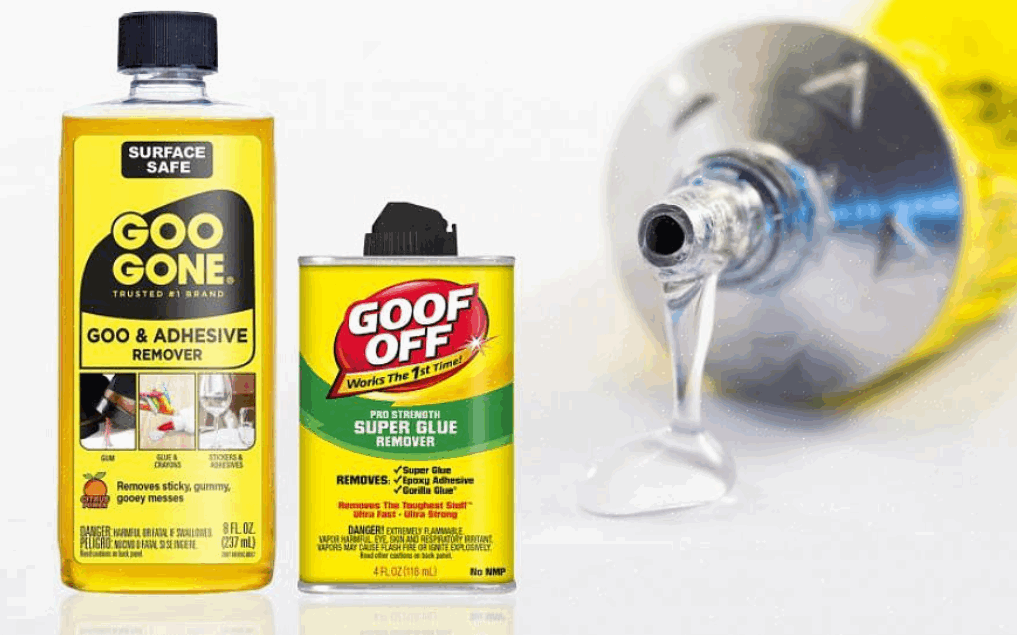
What Is the Difference Between Goo Gone and Goof Off?
Goo Gone and Goof Off remove adhesive residue, but they solve different cleaning problems. Goo Gone works best for everyday household residue. Goof Off targets stubborn stains that require a stronger solvent. Choosing the right product depends on the type of residue and the surface you want to protect.
Goo Gone uses a citrus-based formula that softens and lifts common sticky residue without damaging many finished surfaces. It removes sticker residue, tape adhesive, grease, wax, gum, and similar contaminants with minimal effort. Many homeowners use it on glass, finished wood, plastic, ceramic, and sealed countertops because it balances cleaning power with surface safety.
Goof Off focuses on heavy-duty stain removal. Its solvent-based formula breaks down dried paint, permanent marker, construction adhesive, tree sap, and other difficult residue that household cleaners often fail to remove. This stronger formulation delivers faster results on stubborn contaminants. However, it can also soften paint, discolor plastic, or damage delicate finishes if you apply it to an incompatible surface.
The biggest difference between Goo Gone and Goof Off lies in their cleaning strength and intended use. Goo Gone prioritizes surface protection while removing light to moderate adhesive residue. Goof Off prioritizes maximum cleaning performance for demanding applications. Neither product replaces the other because each serves a different purpose.
The table below summarizes their primary differences.
| Feature | Goo Gone | Goof Off |
|---|---|---|
| Primary purpose | Everyday adhesive removal | Heavy-duty stain removal |
| Formula | Citrus-based | Powerful solvent-based |
| Cleaning strength | Moderate | High |
| Best for | Stickers, tape, grease, gum, wax | Paint, marker, construction adhesive |
| Surface safety | Better for delicate finished surfaces | Better for durable surfaces after spot testing |
| Typical user | Homeowners and DIY users | Professionals and heavy-duty cleaning projects |
Understanding these differences makes every other comparison easier. The ingredients, cleaning performance, and compatible surfaces all reflect the design goals of each product. Instead of asking which adhesive remover is stronger, ask which one matches your cleaning task. That approach leads to better results and reduces the risk of surface damage.
Which Ingredients Make Goo Gone and Goof Off Different?
The ingredients in Goo Gone and Goof Off determine how each product removes adhesive residue and how safely it works on different surfaces. Goo Gone relies on a citrus-based formula that dissolves light to moderate residue. Goof Off uses stronger petroleum-based solvents that break down stubborn contaminants more quickly. This difference explains why the two products perform differently in real-world cleaning tasks.
Goo Gone contains citrus solvents that penetrate adhesive and loosen its bond with the surface. The formula also includes cleaning agents that help lift grease, wax, and sticky residue without leaving excessive damage on many finished materials. As a result, Goo Gone works well for removing labels, tape residue, price stickers, and similar household messes. Many users also prefer its citrus scent because it feels less harsh than industrial solvents.
Goof Off uses a more aggressive solvent system designed for heavy-duty cleaning. Depending on the product variation, the formula may contain petroleum distillates, acetone, or other powerful solvents that dissolve dried paint, permanent marker, construction adhesive, and difficult stains. These ingredients evaporate faster and cut through hardened residue more effectively. However, they can also soften paint, cloud certain plastics, or damage protective coatings if you use them on sensitive surfaces.
The different formulas also affect user experience. Goo Gone usually leaves an oily residue that requires a final wipe with soap and water. Goof Off evaporates more quickly, but it produces stronger fumes that often require good ventilation during use. Wearing protective gloves also becomes more important when handling stronger solvent-based products.
Neither formula is universally better. Goo Gone offers a safer balance between cleaning performance and surface protection for everyday household tasks. Goof Off provides greater solvent strength for demanding projects where ordinary adhesive removers cannot remove the residue. Understanding these ingredient differences helps you choose the right product before you start cleaning.
Which Product Removes Different Types of Residue Better?
Goo Gone and Goof Off excel at removing different types of residue. Goo Gone works best on light to moderate adhesive buildup that appears during everyday cleaning. Goof Off performs better on hardened stains that require stronger solvents. Choosing the right product depends on the residue rather than the brand alone.
Goo Gone removes sticker residue, tape adhesive, labels, grease, gum, wax, and crayon with consistent results. Its citrus-based formula softens the adhesive before lifting it from the surface. This process reduces the need for aggressive scraping, which helps protect finished wood, glass, plastic, and painted surfaces. It also makes Goo Gone a practical choice for routine household maintenance.
Goof Off targets residue that ordinary adhesive removers often cannot dissolve. It removes dried latex paint, spray paint, permanent marker, construction adhesive, tar, tree sap, and stubborn glue more quickly than Goo Gone in most situations. Its powerful solvent formula penetrates hardened materials and breaks their bond with the surface. However, you should always test the product on a hidden area before applying it to painted or delicate materials.
Some cleaning tasks produce similar results with either product. For example, both can remove fresh adhesive residue from glass or metal. The difference becomes more noticeable when the stain has cured or contains industrial chemicals. In these situations, Goof Off usually works faster, while Goo Gone may require multiple applications.
The comparison below highlights which product performs better for common cleaning jobs.
| Residue Type | Goo Gone | Goof Off |
|---|---|---|
| Sticker residue | Excellent | Good |
| Tape adhesive | Excellent | Good |
| Glue residue | Excellent | Very Good |
| Grease | Excellent | Good |
| Wax | Excellent | Good |
| Gum | Excellent | Good |
| Crayon | Very Good | Good |
| Permanent marker | Fair | Excellent |
| Latex paint | Fair | Excellent |
| Spray paint | Poor | Excellent |
| Construction adhesive | Fair | Excellent |
| Tar | Good | Excellent |
| Tree sap | Very Good | Excellent |
The best adhesive remover is the one that matches the residue you need to remove. Goo Gone provides enough cleaning power for most household jobs while protecting many finished surfaces. Goof Off becomes the better option when stubborn stains resist ordinary cleaners and require a stronger solvent.
Which Adhesive Remover Is Safer for Different Surfaces?
Goo Gone is generally safer for different surfaces, while Goof Off delivers stronger cleaning power with greater risks. Therefore, the safer choice depends on the material, the finish, and the type of residue. Additionally, users should always test both products on a small hidden area before applying them to visible surfaces.
First, Goo Gone works well for many household materials because its citrus-based formula removes sticky residue without using extremely aggressive solvents. For example, homeowners often use it on glass, sealed wood, ceramic, stainless steel, and some plastics. Furthermore, Goo Gone helps remove stickers, tape residue, grease, and wax while maintaining the appearance of many finished surfaces.
However, Goo Gone does not guarantee complete safety on every material. For instance, unfinished wood, sensitive coatings, and certain plastics may react differently. Therefore, checking the manufacturer’s instructions is still necessary before cleaning valuable items. Moreover, removing excess product after use helps prevent unwanted residue.
In contrast, Goof Off focuses on maximum cleaning strength rather than broad surface compatibility. As a result, it removes difficult contaminants such as dried paint, permanent marker, construction adhesive, and heavy glue residue more effectively. However, this stronger formula also creates more risks. For example, Goof Off may soften plastic, remove paint, or damage protective coatings.
Painted surfaces clearly show the difference between these products. Specifically, Goo Gone usually works better for removing light adhesive residue from painted walls, furniture, and decorative items. Meanwhile, Goof Off can break down paint because of its stronger solvents. Therefore, professionals often choose Goof Off for paint removal projects instead of surface maintenance.
Similarly, wood surfaces require careful product selection. Goo Gone can clean sealed wood when users apply the correct amount. However, too much product may leave an oily layer. In comparison, Goof Off may affect stained or coated wood because stronger solvents can weaken protective finishes.
Plastic surfaces require even more attention. Generally, Goo Gone offers better compatibility with various plastic materials. Conversely, Goof Off may soften or discolor certain plastics. Because of this, a spot test becomes essential before using Goof Off on plastic objects.
Overall, Goo Gone is the better option when protecting the surface is the main priority. Meanwhile, Goof Off works better when the residue is extremely difficult and the surface can tolerate stronger chemicals. Therefore, choosing the right adhesive remover requires balancing cleaning power and material safety.
| Surface Type | Better Choice | Reason |
|---|---|---|
| Glass | Both | Both products remove residue effectively |
| Sealed wood | Goo Gone | Lower risk for finished surfaces |
| Plastic | Goo Gone | Better compatibility with many plastics |
| Metal | Both | Durable surfaces handle both formulas |
| Painted surfaces | Goo Gone | Lower risk of paint damage |
| Heavy-duty surfaces | Goof Off | Stronger solvent performance |
Which Product Is Easier and Safer to Use?
Goo Gone is easier to use for everyday cleaning, while Goof Off requires more preparation because it uses stronger solvents. Therefore, Goo Gone usually fits homeowners who need a simple adhesive remover for regular tasks. Meanwhile, Goof Off works better for users who need stronger performance and understand proper solvent handling.
First, Goo Gone provides a more user-friendly cleaning experience because its formula targets common household residue. For example, users can apply it to sticker residue, tape marks, grease, and wax without complex preparation. Additionally, Goo Gone usually requires less ventilation because its citrus-based formula produces a milder odor compared with stronger solvent products.
However, Goo Gone still requires correct application. Users should apply a small amount, allow the formula to penetrate the residue, and wipe the area clean. Furthermore, removing leftover oil from the surface helps maintain a clean finish. Therefore, proper technique improves results even when using a gentler product.
In contrast, Goof Off requires more careful handling because its solvents create stronger chemical reactions. As a result, users should work in a well-ventilated area and avoid unnecessary skin contact. Additionally, wearing gloves becomes more important when using Goof Off for long cleaning sessions.
Goof Off can also save time on difficult projects. For instance, dried paint, permanent marker, and construction adhesive often require fewer applications compared with weaker cleaners. However, faster cleaning does not always mean safer cleaning. Therefore, users must consider surface compatibility before choosing a stronger product.
Storage and safety also separate these two products. Goo Gone is generally easier to store and use for occasional household cleaning. Meanwhile, Goof Off requires more attention because strong solvents may create safety concerns if users store or handle them incorrectly.
Overall, Goo Gone offers a simpler and safer experience for general cleaning tasks. Conversely, Goof Off provides better results for demanding projects where stronger chemical action matters more than convenience. Therefore, the best choice depends on whether your priority is easy daily cleaning or maximum stain removal power.
Which Product Offers Better Value for Money?
Goo Gone offers better value for routine household cleaning, while Goof Off provides better value for heavy-duty projects. Therefore, the better investment depends on how often you clean adhesive residue and what type of stains you usually remove. A cheaper product does not always create better value because cleaning performance, product quantity, and application frequency also affect the total cost.
First, Goo Gone provides strong value for homeowners who regularly remove common household residue. For example, users can apply it to stickers, labels, tape residue, grease, gum, and wax. Additionally, one bottle can handle multiple small cleaning tasks around the home. Because of this, Goo Gone often becomes a practical choice for general maintenance rather than occasional specialized projects.
However, Goo Gone may require more applications when dealing with stubborn residue. For instance, dried glue or thick adhesive buildup may need repeated treatment. As a result, users who frequently clean heavy stains may use more product over time. Therefore, the lower purchase price does not always represent the lowest long-term cost.
In contrast, Goof Off delivers greater value when cleaning difficult materials. Its stronger solvent formula can remove paint, permanent marker, construction adhesive, and other challenging stains faster. Consequently, professionals and DIY users working on renovation projects may save time by choosing Goof Off. Moreover, fewer applications can offset the higher strength and specialized use of the product.
Product size and usage frequency also influence overall value. Generally, occasional users benefit from Goo Gone because they can use it for many household situations. Meanwhile, contractors, mechanics, and experienced DIY users may prefer Goof Off because they need stronger performance for specific jobs.
Overall, Goo Gone provides better everyday value because it combines versatility, easier handling, and broad household use. Conversely, Goof Off offers better value when cleaning strength matters more than convenience. Therefore, the right choice depends on whether you need a general adhesive remover or a powerful solution for difficult stains.
When Should You Choose Goo Gone Instead of Goof Off?
You should choose Goo Gone when you need to remove everyday adhesive residue while protecting the surface underneath. Therefore, Goo Gone is the better option for most household cleaning tasks that involve stickers, labels, tape, grease, wax, and other light to moderate residue. Its formula focuses on effective cleaning without the aggressive solvent action found in heavy-duty removers.
First, Goo Gone works well for common home projects because many sticky residues come from adhesives rather than hardened chemicals. For example, removing price tags from glass containers, cleaning tape marks from furniture, or removing leftover labels from products usually requires a gentle adhesive remover. Additionally, Goo Gone helps loosen these materials without requiring excessive scraping, which reduces the chance of scratches.
Furthermore, Goo Gone is a better choice when the surface finish matters. For instance, homeowners often use it on sealed wood furniture, glass, ceramic items, stainless steel, and certain plastics. However, users should still check surface compatibility because every material has different coatings and finishes.
Goo Gone also fits situations where cleaning happens frequently. Because of this, many households keep it as a general-purpose cleaner for small maintenance tasks. Meanwhile, stronger products such as Goof Off may provide unnecessary chemical strength for simple residue removal.
Moreover, Goo Gone works well when you need more control during cleaning. Its slower action allows users to apply the product, wait for the residue to soften, and remove the material gradually. As a result, it becomes easier to protect delicate surfaces during the cleaning process.
Overall, choose Goo Gone when your priority is safe, flexible, and reliable adhesive removal. It performs best for household projects where removing residue matters more than using the strongest possible solvent. Therefore, Goo Gone is the preferred choice for everyday cleaning, delicate materials, and situations where surface protection remains important.
When Is Goof Off the Better Choice?
You should choose Goof Off when you need stronger cleaning power for stubborn residue that ordinary adhesive removers cannot handle. Therefore, Goof Off is the better option for difficult materials such as dried paint, permanent marker, construction adhesive, and heavy-duty glue residue. Its stronger solvent formula allows it to break down contaminants that remain attached after regular cleaning attempts.
First, Goof Off performs better on hardened stains because its solvents penetrate and dissolve tough materials. For example, dried latex paint, spray paint overspray, and industrial adhesive often require more aggressive chemical action. Additionally, Goof Off can reduce the time needed for difficult cleaning projects because users often need fewer applications compared with milder removers.
However, stronger performance requires greater caution. Because of its powerful formula, Goof Off may affect certain surfaces, including painted materials, some plastics, and protective coatings. Therefore, users should always perform a spot test before applying it to visible areas. Furthermore, proper ventilation and protective gloves improve safety during use.
Goof Off is also a better choice for renovation and repair projects. For instance, contractors and experienced DIY users may use it to remove old adhesive, paint marks, or construction residue after remodeling work. Meanwhile, homeowners with simple household cleaning needs may find its strength unnecessary.
Moreover, Goof Off works best when surface protection is less important than removal power. For example, removing unwanted paint from a metal tool requires a different approach than cleaning sticker residue from a wooden cabinet. As a result, the correct product depends on the balance between stain difficulty and surface sensitivity.
Overall, Goof Off is the better adhesive remover for challenging cleaning tasks. It provides stronger solvent action and faster results on difficult residue. However, users should choose it carefully because maximum cleaning power also creates a higher risk of surface damage.
Which Adhesive Remover Should You Choose?
The best adhesive remover depends on the type of residue you need to remove and the surface you want to protect. Therefore, Goo Gone and Goof Off are not direct replacements for each other. Instead, each product serves a different cleaning purpose. Goo Gone works better for everyday adhesive problems, while Goof Off provides stronger performance for difficult stains.
First, choose Goo Gone when you need a safer solution for common household cleaning. For example, it works well for sticker residue, tape marks, labels, grease, gum, and wax. Additionally, Goo Gone offers better surface compatibility for materials such as glass, sealed wood, ceramic, and certain plastics. Because of this, it is the better option for regular home maintenance.
However, choose Goof Off when the residue requires stronger chemical action. For instance, dried paint, permanent marker, construction adhesive, and heavy-duty glue often need a more powerful solvent. Furthermore, Goof Off can save time during renovation projects because it breaks down stubborn materials faster. Nevertheless, users must consider surface safety before applying it.
Moreover, the right choice depends on your cleaning priority. If protecting the original finish matters most, Goo Gone provides a safer balance between performance and surface care. In contrast, if removing a difficult stain matters more than gentle cleaning, Goof Off delivers stronger results.
Ultimately, neither product is universally better. Goo Gone is the practical choice for everyday adhesive removal, while Goof Off is the stronger option for demanding cleaning situations. Therefore, selecting the right adhesive remover requires matching the product strength with the residue type and surface condition.
By understanding these differences, you can avoid ineffective cleaning attempts and reduce the risk of unnecessary surface damage. The correct adhesive remover does not simply remove residue. Instead, it removes the right residue while preserving the material underneath.