A Honda Odyssey air conditioning system can stop working for several different reasons, but the symptoms often look the same. You may notice warm air coming from the vents, weak airflow, inconsistent cooling, or an air conditioner that only works while driving. While these issues can seem alarming, they do not always mean the compressor has failed. In many cases, the problem starts with a low refrigerant level, a clogged cabin air filter, a faulty relay, or another component that can be diagnosed before replacing expensive parts.
Understanding how the air conditioning system operates is the first step toward finding the correct repair. Every component, including the compressor, condenser, evaporator, blower motor, and climate control system, plays a specific role in delivering cold air into the cabin. When one of these components fails, the entire system can lose efficiency or stop cooling altogether. Identifying the actual cause is essential because different failures require different repair methods.
This guide explains the most common causes of Honda Odyssey air conditioning problems, the symptoms associated with each failure, and the steps to diagnose the system accurately. You will also learn which model years experience common AC issues, how much typical repairs cost, and when a professional inspection is the safest option. By following a logical troubleshooting process, you can avoid unnecessary repairs and restore your Honda Odyssey’s air conditioning system more efficiently.
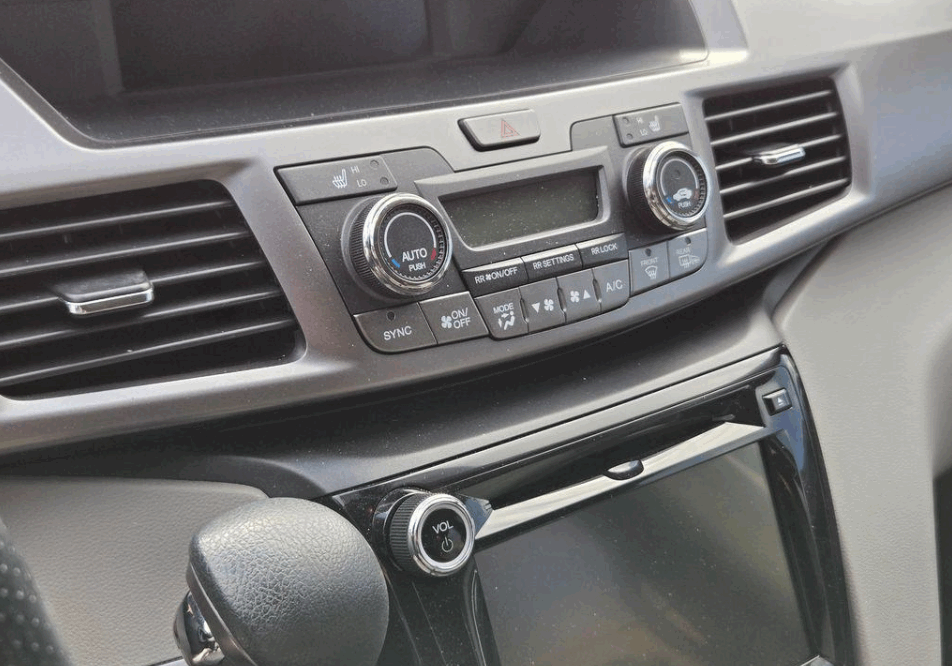
Why Is My Honda Odyssey Air Conditioning Not Working?
A Honda Odyssey air conditioning system usually stops working because one or more components have failed. Low refrigerant, electrical faults, and compressor problems are the most common causes. Each failure affects the cooling cycle differently, so an accurate diagnosis is essential before replacing any parts.
The air conditioning system relies on several components working together. The compressor pressurizes the refrigerant before sending it to the condenser. The refrigerant then passes through the expansion valve and enters the evaporator. At this stage, it absorbs heat from the cabin. Finally, the blower motor pushes cool air through the vents. If any part of this cycle fails, the system cannot deliver cold air.
The symptoms often reveal where the problem begins. Warm air with normal airflow usually points to low refrigerant, a refrigerant leak, or a weak compressor. Weak airflow often indicates a clogged cabin air filter or a failing blower motor. If the AC cools only while driving, the condenser fan or engine cooling system may not be working correctly.
Some problems develop slowly, while others appear without warning. A small refrigerant leak can reduce cooling performance over several months. In contrast, a blown fuse or failed relay can stop the system immediately. A worn compressor clutch may also prevent the compressor from engaging, even though the rest of the system still functions.
Start with the simplest checks before considering expensive repairs. Inspect the cabin airflow and listen for the compressor engaging. Look for visible signs of refrigerant leakage around the AC lines and condenser. Then check the fuse and relay if the compressor never starts. This logical process helps identify the real cause and reduces unnecessary repair costs.
What Are the Most Common Causes of Honda Odyssey AC Problems?
Several mechanical and electrical issues can prevent a Honda Odyssey air conditioner from cooling properly. Although the symptoms often appear similar, each failure affects a different part of the system. Understanding these common causes makes troubleshooting easier and helps avoid replacing parts that still work correctly.
Low refrigerant is one of the most common reasons for poor cooling performance. Refrigerant circulates through the AC system and absorbs heat from the cabin. When the level drops, the system cannot remove enough heat to produce cold air. In most cases, refrigerant does not simply run out. A low level usually indicates a leak that should be repaired before the system is recharged.
A failing AC compressor is another frequent cause of cooling problems. The compressor creates the pressure needed to move refrigerant through the entire system. If it wears out or suffers internal damage, the refrigerant can no longer circulate correctly. As a result, the vents may blow warm air even though the blower motor continues to operate normally.
Electrical faults can also stop the air conditioner without warning. A blown fuse, faulty relay, damaged pressure switch, or failed compressor clutch may prevent the compressor from engaging. These components are relatively small, but they play an important role in controlling the system. A simple electrical failure can produce the same symptoms as a major mechanical problem.
Airflow restrictions should not be overlooked during diagnosis. A clogged cabin air filter limits the amount of air passing through the evaporator. A dirty condenser also reduces the system’s ability to release heat. In addition, a failed cooling fan can cause the refrigerant pressure to rise, especially when the vehicle is idling. This often results in cold air while driving but warm air at traffic lights.
Some problems originate inside the HVAC system rather than the refrigeration circuit. A faulty blend door actuator may direct warm air into the cabin even when the evaporator is cold. In this situation, the air conditioning system still produces cold air, but it never reaches the passengers. Identifying the failed component before replacing expensive parts is the most effective way to restore normal cooling performance.
How Can You Diagnose a Honda Odyssey Air Conditioning Problem?
Diagnosing a Honda Odyssey air conditioning problem begins with a few simple checks. A logical process helps identify the real cause before any parts are replaced. It also reduces repair costs and prevents unnecessary work.
Start by turning on the air conditioner and setting the temperature to its lowest level. Pay close attention to the airflow coming from the vents. Strong airflow with warm air usually points to a cooling problem. Weak airflow often indicates a clogged cabin air filter, a failing blower motor, or a blocked ventilation system.
Next, listen for the compressor when the AC is switched on. A healthy compressor should engage with a noticeable click. If there is no sound, the compressor may not be receiving power. The problem could involve a blown fuse, a faulty relay, a bad pressure switch, or a worn compressor clutch. These electrical components should be inspected before replacing the compressor.
After that, perform a visual inspection under the hood. Look for oily residue around the refrigerant lines, condenser, and hose connections. Refrigerant leaks often leave oily deposits because compressor oil travels with the refrigerant. Damaged hoses, loose fittings, and stone impacts on the condenser are also common sources of leaks.
If no obvious damage is visible, connect a diagnostic scan tool. Modern Honda Odyssey models can store HVAC or engine-related fault codes that help identify electrical or sensor failures. A pressure gauge set can also measure refrigerant pressure and reveal whether the system is undercharged or overcharged. These tests provide valuable information before more complex repairs begin.
If the basic inspection does not identify the problem, professional testing is the next step. Specialized equipment can detect small refrigerant leaks, measure system pressure accurately, and evaluate compressor performance. A complete diagnosis ensures the correct component is repaired instead of replacing parts through trial and error.
What Do Different AC Symptoms Mean?
The symptoms of a failing Honda Odyssey air conditioning system often reveal where the problem begins. Recognizing these warning signs can save time during diagnosis. It also helps prevent replacing parts that are still working properly.
Warm air from the vents is the most common complaint. In many cases, the system has low refrigerant or a refrigerant leak. A worn compressor or faulty compressor clutch can produce the same symptom. If the air never becomes cold, the system should be inspected for pressure loss and compressor operation.
Weak airflow usually points to an airflow restriction instead of a cooling failure. A dirty cabin air filter is a common cause because it limits the amount of air entering the cabin. A failing blower motor or damaged blower resistor can also reduce airflow. When airflow remains weak at every fan speed, the blower system should be checked first.
Some Honda Odyssey owners notice that the air conditioner works while driving but blows warm air when the vehicle stops. This symptom often indicates poor condenser cooling. A failed radiator fan or condenser fan cannot remove heat efficiently at idle. As refrigerant pressure rises, the cooling performance drops until the vehicle starts moving again.
Intermittent cooling is another common symptom. The air may feel cold for several minutes before becoming warm. This pattern often suggests a failing compressor, an electrical connection problem, or a pressure switch that is not operating correctly. Moisture inside the AC system can also create temporary blockages that interrupt refrigerant flow.
Unusual noises should never be ignored. Clicking sounds may indicate a worn compressor clutch. Grinding or squealing noises often suggest internal compressor damage or a failing pulley bearing. Continuing to operate the system in this condition can increase repair costs because damaged metal particles may spread through the entire AC system.
Water leaking onto the passenger-side floor usually has a different cause. The air conditioning system naturally produces condensation during normal operation. If the evaporator drain becomes blocked, the water cannot drain outside the vehicle. Instead, it collects inside the cabin and soaks the carpet. Clearing the drain tube usually resolves the problem before it causes mold or interior damage.
Which Honda Odyssey Model Years Have the Most AC Problems?
Honda Odyssey air conditioning problems can occur in any model year. However, some generations experience specific failures more often than others. Knowing these patterns helps owners identify likely causes and make faster repair decisions.
Models built between 2005 and 2010 are well known for compressor failures and refrigerant leaks. Many vehicles in this generation develop worn compressor bearings or damaged compressor clutches as mileage increases. Leaking condensers and aging rubber seals are also common. These problems usually appear after years of normal use rather than from a manufacturing defect.
The 2011 to 2017 Honda Odyssey introduced several updates to the climate control system. Even so, some owners continue to report compressor issues and refrigerant leaks. Electrical faults also become more common as these vehicles age. A failed relay, pressure switch, or blend door actuator can prevent the system from producing consistent cold air. Regular maintenance helps reduce the risk of these failures.
The 2018 and newer models generally offer better air conditioning reliability. However, no AC system is completely immune to wear. Refrigerant leaks caused by road debris can still damage the condenser. Cooling fans, sensors, and electronic control modules may also fail over time. Vehicles driven in hot climates or heavy traffic often place greater demand on the air conditioning system, which can accelerate component wear.
Vehicle age is only one factor when diagnosing an AC problem. Maintenance history, driving conditions, and repair quality often have a greater impact than the model year itself. A well-maintained older Honda Odyssey may perform better than a newer vehicle that has received little preventive service. For this reason, technicians should always diagnose the system based on its current condition rather than assuming the model year is the primary cause of the failure.
How Much Does It Cost to Fix a Honda Odyssey Air Conditioner?
The cost to repair a Honda Odyssey air conditioning system depends on the failed component, labor rates, and the extent of the damage. Minor repairs are usually affordable, while major component replacements can become expensive. An accurate diagnosis is important because replacing the wrong part increases both time and repair costs.
The table below shows the average repair cost for common Honda Odyssey AC problems. Actual prices may vary by model year, location, and repair shop.
| Repair | Average Cost (Parts & Labor) |
|---|---|
| AC refrigerant recharge | $150–$350 |
| Refrigerant leak detection and repair | $200–$800 |
| AC compressor replacement | $900–$1,600 |
| Compressor clutch replacement | $350–$700 |
| Condenser replacement | $500–$1,100 |
| Blower motor replacement | $300–$700 |
| Cabin air filter replacement | $30–$80 |
| AC relay or fuse replacement | $20–$150 |
| Blend door actuator replacement | $250–$700 |
A refrigerant recharge is often the least expensive repair. However, it is only a temporary solution if the system has a leak. Refrigerant is sealed inside the AC system under normal conditions. If the level is low, technicians should locate and repair the leak before adding more refrigerant. Otherwise, the cooling problem will likely return.
Compressor replacement is usually the most expensive repair because it involves both labor and specialized equipment. If the compressor fails internally, metal debris may contaminate the entire system. In that situation, additional parts such as the condenser, expansion valve, or receiver dryer may also require replacement. Repair costs can increase significantly when contamination spreads through the refrigerant circuit.
Routine maintenance is often more cost-effective than major repairs. Replacing the cabin air filter, cleaning the condenser, and fixing small refrigerant leaks early can help protect expensive components. Preventive service also improves cooling performance and reduces the risk of unexpected AC failure during hot weather.
Can You Fix a Honda Odyssey AC Yourself?
Some Honda Odyssey air conditioning problems can be fixed at home with basic tools. Others require specialized equipment and professional training. Knowing the difference helps you avoid costly mistakes and protects the air conditioning system from further damage.
Simple maintenance tasks are usually safe for most vehicle owners. Replacing the cabin air filter is one of the easiest repairs and often improves airflow immediately. Checking the AC fuse and relay is another straightforward step if the compressor does not engage. You can also inspect the condenser for dirt, leaves, or road debris that may restrict airflow. These basic checks require little time and can eliminate several common causes of poor cooling.
A visual inspection may also reveal obvious problems. Look for damaged refrigerant lines, loose electrical connectors, or oily residue around AC components. Compressor oil often escapes with refrigerant, so oily stains can indicate a leak. However, small leaks are difficult to locate without professional equipment. They should never be confirmed by guesswork alone.
More complex repairs should be left to a qualified technician. Compressor replacement, refrigerant recovery, and expansion valve replacement require specialized tools and precise procedures. Modern refrigerant systems operate under high pressure, and improper handling can damage the system or create safety hazards. Incorrect refrigerant levels can also reduce cooling performance and shorten compressor life.
Professional diagnosis becomes especially important when the cause is unclear. Technicians use pressure gauges, electronic leak detectors, UV dye, and scan tools to identify faults that cannot be seen during a visual inspection. These tests provide accurate results and prevent unnecessary parts replacement.
If the problem appears minor, begin with the simplest inspections before scheduling a repair. However, if the compressor makes unusual noises, the system repeatedly loses refrigerant, or the air conditioner still fails after basic checks, professional service is the safest and most cost-effective solution. An accurate diagnosis usually saves more money than replacing parts based on assumptions.
How Can You Prevent Honda Odyssey Air Conditioning Problems?
Regular maintenance is the best way to prevent Honda Odyssey air conditioning problems. Most AC failures develop over time rather than occurring suddenly. Routine inspections help detect small issues before they become expensive repairs.
Run the air conditioner for at least ten minutes every week, even during cooler months. This keeps the compressor lubricated and helps maintain proper refrigerant circulation. It also reduces the risk of seals drying out, which can lead to refrigerant leaks over time.
Replace the cabin air filter at the interval recommended by Honda or sooner if you frequently drive on dusty roads. A clean filter allows air to move freely through the evaporator. Better airflow improves cooling performance and reduces strain on the blower motor. It also helps maintain good air quality inside the cabin.
Keep the condenser clean throughout the year. Dirt, insects, and road debris can block airflow across the condenser fins. When heat cannot escape efficiently, refrigerant pressure rises and cooling performance declines. Gently rinsing the condenser with low-pressure water can remove debris without damaging the delicate fins.
Pay attention to changes in cooling performance. If the air is not as cold as before, or the compressor cycles more frequently, schedule an inspection as soon as possible. Small refrigerant leaks are easier and less expensive to repair than major system failures. Early diagnosis can also prevent damage to the compressor.
Annual AC inspections provide another layer of protection. A technician can measure refrigerant pressure, inspect electrical components, and check for leaks before noticeable symptoms appear. Preventive maintenance extends the life of the air conditioning system, improves reliability, and helps ensure consistent cooling during hot weather.
Conclusion
A Honda Odyssey air conditioning system can stop working for many reasons, but the underlying cause is usually identifiable through a systematic inspection. Low refrigerant, refrigerant leaks, compressor failures, electrical faults, and restricted airflow remain the most common issues. Understanding how each component affects the cooling cycle makes it easier to connect symptoms with the correct repair.
Begin with the simplest checks before replacing expensive parts. Inspect the cabin air filter, verify airflow, and confirm that the compressor engages properly. Look for visible signs of refrigerant leaks and check the fuse or relay if the system does not respond. These basic inspections often eliminate common causes without requiring major repairs.
If the problem persists, professional diagnosis is the next logical step. Specialized equipment can detect hidden leaks, measure refrigerant pressure accurately, and evaluate compressor performance. A correct diagnosis prevents unnecessary parts replacement and reduces long-term repair costs.
Routine maintenance remains the most effective way to avoid unexpected AC failures. Regular inspections, timely filter replacement, and early leak repairs help protect the entire system. With proper care, a Honda Odyssey air conditioning system can continue delivering reliable cooling for many years.