A Honda Fit alarm that keeps going off usually points to a fault in the security system instead of a real theft attempt. In most cases, the system reacts to an incorrect signal from a sensor or an electrical component. A faulty hood latch sensor, a worn door switch, a weak 12-volt battery, or damaged wiring can all trigger a false alarm.
The factory security system checks the hood, doors, tailgate, and keyless entry system after you lock the vehicle. When one of these components reports an unexpected change, the alarm sounds immediately. Even a small voltage drop or an unstable switch can make the system believe someone is trying to enter the vehicle.
Many owners try to silence the alarm without finding the real cause. However, that approach rarely fixes the problem. It often leads to unnecessary parts replacement and higher repair costs. A systematic inspection helps you identify the faulty component before you spend money on repairs.
This guide explains why a Honda Fit alarm keeps going off and how to diagnose the problem correctly. You will learn the most common causes, practical repair methods, estimated repair costs, and simple maintenance tips. By the end of this article, you will know how to stop false alarms and prevent the problem from returning.
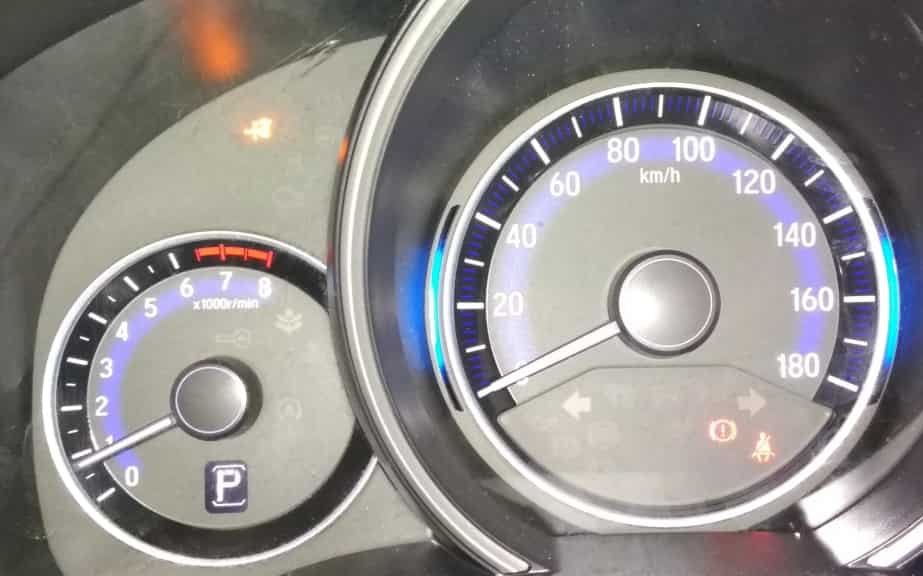
Why Does the Honda Fit Alarm Keep Going Off?
A Honda Fit alarm keeps going off because the security system detects an unexpected signal after the vehicle is locked. In most situations, the system does not respond to an actual theft attempt. Instead, it reacts to a faulty sensor, unstable voltage, or an interrupted electrical connection. As a result, the alarm activates even though no one has touched the vehicle.
The factory security system protects several access points, including the hood, doors, tailgate, and keyless entry system. After you lock the car, the Body Control Module monitors these components for any unexpected change. If a switch suddenly changes from a closed position to an open position, the system assumes someone has entered the vehicle. It immediately sounds the horn and flashes the exterior lights to warn nearby people.
False alarms usually happen because one monitored component sends incorrect information. For example, a worn hood latch sensor may briefly lose contact while the car sits in a parking space. Likewise, a loose battery terminal can interrupt the power supply for a fraction of a second. Even a small voltage fluctuation may cause the control module to detect an abnormal condition and trigger the alarm.
Environmental conditions can also increase the risk of false alarms. Temperature changes make metal parts expand and contract throughout the day. Moisture may collect inside electrical connectors and reduce signal quality. In addition, normal vibration from nearby traffic or strong wind can affect a worn latch or a damaged switch. These conditions often explain why the alarm goes off randomly or only during the night.
Many owners assume the horn or the alarm unit has failed. However, those components only produce the warning. They rarely create the original problem. The real fault usually starts with a sensor, a wiring connection, or the vehicle’s electrical system. Therefore, a successful repair depends on finding the component that sends the false signal instead of replacing parts based on guesswork.
What Are the Most Common Causes of a Honda Fit Alarm Going Off Randomly?
Several faults can cause a Honda Fit alarm to go off randomly, but most problems originate from a small number of components. The hood latch sensor, door latch switches, tailgate switch, 12-volt battery, key fob, wiring, and Body Control Module are the most common sources. An aftermarket alarm system can also create false alarms if it has poor wiring or incorrect programming. Although these components perform different functions, they all send information to the security system. When one of them reports incorrect data, the alarm may activate without warning.
The hood latch sensor is one of the first components to inspect because it operates every time you lock the vehicle. Dirt, corrosion, and normal wear can prevent the switch from maintaining a stable signal. In some cases, the latch works correctly during a visual inspection but loses contact after vibration or a temperature change. As a result, the security system believes the hood has opened and immediately triggers the alarm.
Door and tailgate latch switches can create the same symptom. These switches often sit inside the latch assembly, where they face constant movement and exposure to moisture. A worn switch may briefly report that a door has opened even though it remains fully closed. You may also notice an interior light that stays on longer than expected or a door-open warning that appears intermittently. These signs often indicate that the latch assembly requires further inspection.
Electrical problems also play a major role in false alarms. A weak 12-volt battery can produce unstable voltage, especially after the vehicle has remained parked for several hours. Loose battery terminals, corroded ground connections, or damaged wiring can interrupt communication between the sensors and the Body Control Module. Consequently, the security system may interpret the interruption as unauthorized access instead of a simple electrical fault.
The key fob deserves attention as well because it communicates directly with the vehicle’s security system. A weak coin-cell battery, a damaged panic button, or moisture inside the remote can send unexpected commands. Although key fob failures occur less often than sensor problems, they can produce symptoms that closely resemble a faulty alarm system. Testing the remote before replacing expensive parts can eliminate one possible cause quickly.
Some vehicles develop more complex electrical faults over time. A damaged wiring harness, water intrusion inside a connector, or a failing Body Control Module can create intermittent signals that are difficult to reproduce. Likewise, an improperly installed aftermarket alarm may interfere with the factory security system. For this reason, you should confirm the exact cause through a systematic diagnosis rather than replacing parts based on the most common repair.
How Can You Diagnose a Honda Fit Alarm Problem?
A systematic diagnosis is the fastest way to find out why a Honda Fit alarm keeps going off. Instead of replacing parts one by one, you should inspect the vehicle in a logical order. This method helps eliminate simple causes first and reduces the risk of unnecessary repairs. It also saves time because many alarm problems share similar symptoms.
Start with a basic visual inspection. Check that the hood, all doors, and the tailgate close completely without excessive movement. Look for signs of damage around the latches and make sure each panel aligns correctly with the body. Next, inspect the battery terminals for corrosion or loose connections. A poor electrical connection can interrupt the power supply and create false alarm signals. You should also examine the key fob for worn buttons or physical damage that could activate the alarm unexpectedly.
Pay close attention to warning indicators inside the vehicle. An interior light that stays on after every door appears closed often points to a faulty latch switch. Likewise, a door-open message that appears randomly can help narrow the search to a specific entry point. If the alarm activates only after heavy rain or during cold weather, inspect the hood latch, door latches, and electrical connectors for moisture or corrosion. These patterns often reveal the underlying problem before any diagnostic equipment becomes necessary.
If the visual inspection does not identify the fault, connect a Honda-compatible scan tool to the vehicle. Unlike a basic code reader, an advanced scanner can access the Body Control Module and display live data from the security system. This information allows you to monitor the status of the hood, doors, and tailgate while the vehicle remains stationary. If one input changes without any physical movement, you have likely identified the faulty circuit.
Diagnostic trouble codes can also provide valuable clues. A stored body control code may indicate a communication fault, low system voltage, or a sensor that fails intermittently. However, you should not replace a component based on a fault code alone. Always compare the code with live data, perform a visual inspection, and confirm the problem before installing new parts. This approach produces a more accurate diagnosis and prevents unnecessary repair costs.
Finally, repeat the test after completing any repair. Lock the vehicle, wait under the same conditions that previously triggered the alarm, and verify that the system remains stable. A successful repair should eliminate the false signal instead of simply delaying the next alarm activation. Confirming the repair in real-world conditions gives you confidence that the original problem has been resolved.
How Do You Fix a Honda Fit Alarm That Keeps Going Off?
The correct repair depends on the component that triggers the false alarm. For that reason, you should always complete the diagnosis before replacing any parts. Once you identify the faulty component, the repair usually becomes straightforward. In many cases, fixing a single sensor or electrical connection restores normal alarm operation.
If the hood latch sensor causes the problem, inspect the latch for dirt, corrosion, and physical damage. Clean the latch with a suitable cleaner and confirm that the hood closes securely. Next, check the electrical connector for loose pins or signs of moisture. If the sensor continues to send an unstable signal, replace the hood latch assembly because many Honda Fit models integrate the switch into the latch. After the repair, lock the vehicle several times to verify that the alarm no longer activates unexpectedly.
A faulty door or tailgate latch requires a similar approach. Begin by checking the latch alignment and the condition of the wiring near the hinges. Repeated movement can damage the wires inside the protective rubber boot, especially around the tailgate. Repair any broken wires with automotive-grade connectors instead of temporary splices. If the switch inside the latch fails, replace the complete latch assembly and confirm that the interior lights and door-open indicators operate normally.
Battery-related problems require more than a simple voltage check. Clean any corrosion from the battery terminals and tighten every connection before testing the battery under load. If the battery fails the test, replace it with a unit that meets Honda’s specifications. You should also inspect the charging system because a weak alternator can create the same symptoms as a failing battery. Solving the voltage problem prevents the security system from receiving unstable electrical signals.
A damaged key fob can also trigger false alarms. Replace the coin-cell battery if it has not been changed for several years. Then inspect the remote for cracked buttons, water damage, or signs of accidental button activation. If the problem continues, test the spare remote before purchasing a replacement. This simple comparison often confirms whether the fault lies with the remote or the vehicle itself.
More complex faults usually involve damaged wiring, poor ground connections, or the Body Control Module. Inspect the wiring harness for corrosion, loose connectors, or previous repair work that may have introduced electrical problems. If every sensor and electrical circuit passes inspection, perform additional testing on the Body Control Module before replacing it. Module replacement should remain the final step because it often requires programming and significantly increases repair costs.
Avoid disconnecting sensors or removing alarm fuses as a permanent solution. These shortcuts only hide the original problem and may reduce the vehicle’s anti-theft protection. A proper repair restores normal operation while allowing the factory security system to continue protecting the vehicle as designed.
Can You Stop the Alarm Temporarily?
You can stop a Honda Fit alarm temporarily, but a temporary solution will not eliminate the underlying fault. The alarm activates because the security system detects an unexpected signal. Unless you remove the source of that signal, the problem will eventually return. Therefore, treat every temporary fix as a way to reduce the immediate disturbance while you prepare for a proper diagnosis.
The easiest way to silence the alarm is to unlock the vehicle with the programmed key fob. If the remote does not respond, unlock the driver’s door with the mechanical key and start the engine if the vehicle recognizes the key correctly. In many cases, the security system disarms immediately after it confirms that an authorized user has accessed the vehicle. If you own a spare remote, test it as well because a faulty key fob may prevent the system from disarming correctly.
A discharged battery can also prevent the alarm from operating normally. Check the battery terminals for loose connections before assuming that another component has failed. If the battery has very low voltage, recharge it or replace it when necessary. After restoring power, verify that all battery terminals remain clean and secure because a loose connection can trigger another false alarm within a short time.
Some owners disconnect the battery or remove the alarm fuse to stop the noise. Although these methods may silence the alarm, they should only serve as emergency measures. Disconnecting the battery can erase stored settings and may require additional system initialization after power returns. Removing a fuse may also affect other electrical systems that share the same circuit. Neither method repairs the faulty sensor or electrical connection that originally activated the alarm.
If the alarm continues to sound after these basic checks, avoid repeating temporary fixes. Instead, inspect the hood latch, door switches, battery, wiring, and key fob in a logical order. Solving the root cause provides a permanent repair and allows the factory security system to operate as intended.
How Much Does It Cost to Repair a Honda Fit Alarm Problem?
The cost to repair a Honda Fit alarm problem depends on the failed component, the amount of diagnostic work, and local labor rates. Some repairs require only a low-cost replacement part, while others involve detailed electrical testing before a technician can confirm the fault. For that reason, the total repair cost often reflects the time spent diagnosing the problem rather than the price of the replacement component.
Simple repairs usually involve the lowest expense. Replacing a key fob battery or cleaning corroded battery terminals requires little time and inexpensive materials. Likewise, tightening loose battery connections may solve the problem without replacing any major components. These basic repairs should always come before more expensive electrical work.
Moderate repair costs typically involve replacing the hood latch assembly, a door latch, the tailgate latch, or the 12-volt battery. These components experience normal wear over time and frequently cause false alarms when they fail. Although the replacement parts remain reasonably priced, labor costs vary because technicians may need to remove trim panels or perform additional testing before completing the repair.
More complex electrical faults usually cost more because they require advanced diagnostic equipment. Damaged wiring, poor ground connections, water intrusion, and intermittent electrical faults often take longer to locate than mechanical failures. If the Body Control Module fails, the repair becomes even more expensive because the replacement module usually requires programming after installation. Likewise, removing an improperly installed aftermarket alarm may require technicians to restore the original factory wiring before the security system works correctly.
Paying for an accurate diagnosis often saves money over the long term. Replacing several parts without confirming the actual fault rarely fixes an intermittent alarm problem. A structured inspection identifies the defective component first, reduces unnecessary repairs, and improves the reliability of the final repair.
How Can You Prevent the Honda Fit Alarm From Going Off Again?
Regular maintenance is the best way to prevent a Honda Fit alarm from going off unexpectedly. Most false alarms develop gradually instead of appearing without warning. A small amount of corrosion, a weak battery, or a worn latch switch can operate normally for weeks before causing intermittent failures. Identifying these issues early helps maintain a reliable security system and reduces the chance of unexpected alarm activation.
Start by inspecting the hood latch, door latches, and tailgate latch during routine maintenance. Remove dirt and debris from each latch, then check that every panel closes securely. Misalignment can place extra stress on the switches and create unstable signals over time. If you notice excessive movement or difficulty closing a door or the hood, correct the alignment before the problem becomes more serious.
The vehicle’s electrical system also requires regular attention. Test the 12-volt battery according to the manufacturer’s maintenance schedule instead of waiting for starting problems to appear. Keep the battery terminals clean and tighten any loose connections. In addition, inspect the ground cables for corrosion because poor grounding can interrupt communication between the security system and its sensors.
Protecting the wiring is equally important. Check electrical connectors for moisture after heavy rain, a windshield replacement, or body repairs. Water inside a connector can reduce signal quality and create intermittent faults that are difficult to reproduce. If the vehicle has an aftermarket alarm, remote starter, or audio system, inspect the wiring carefully to confirm that every connection remains secure and properly insulated.
The key fob also deserves routine attention. Replace the coin-cell battery before it becomes completely discharged, and inspect the buttons for signs of wear. A damaged remote may send unintended commands that confuse the security system. Keeping the remote in good condition reduces the risk of unnecessary alarm activation.
Finally, test the alarm after any repair that involves the battery, electrical system, doors, hood, or tailgate. Lock the vehicle several times and confirm that the alarm arms and disarms correctly. This simple verification step ensures that every repaired component works properly and helps prevent the same problem from returning.
Conclusion
A Honda Fit alarm that keeps going off usually indicates a fault within the security system rather than a genuine theft attempt. In most cases, the problem originates from a hood latch sensor, a door or tailgate switch, a weak 12-volt battery, damaged wiring, or a faulty key fob. Although the alarm itself draws immediate attention, the real cause often lies in the component that sends incorrect information to the Body Control Module.
The most effective solution begins with a structured diagnosis. Start with simple inspections, then test the battery, key fob, and latch switches before moving to advanced electrical diagnostics. This process helps identify the defective component, avoids unnecessary parts replacement, and reduces overall repair costs. It also increases the likelihood of fixing the problem on the first attempt.
Routine maintenance plays an important role in preventing future false alarms. Clean latches, secure electrical connections, a healthy battery, and regular inspections all improve the reliability of the factory security system. If the alarm continues to activate after completing these checks, consult a qualified automotive electrical technician for a detailed diagnosis. Resolving the root cause instead of masking the symptom will keep the Honda Fit security system operating correctly and provide dependable protection for years to come.