A Honda Accord with weak or warm air conditioning can quickly turn a comfortable drive into a frustrating experience, especially during hot weather. Many owners assume the problem is simple and immediately buy a recharge kit. However, low refrigerant is only one possible cause. A faulty compressor, a refrigerant leak, a damaged condenser fan, or even a clogged cabin air filter can create similar symptoms.
A proper Honda Accord AC recharge starts with accurate diagnosis. You need to confirm the correct refrigerant type, inspect the system for leaks, locate the low pressure service port, and understand how temperature affects pressure readings. These steps are important because using the wrong refrigerant or adding too much can reduce cooling performance and damage expensive components.
This guide explains how to recharge a Honda Accord AC system safely and correctly. You will learn how to identify common warning signs, choose the right tools, add refrigerant gradually, and avoid mistakes that often lead to costly repairs. The information also applies to different Honda Accord model years, although the refrigerant label under the hood should always be your main reference.
By following the correct process, you can restore colder air, protect the compressor, and decide whether a basic recharge is enough or professional AC service is required.
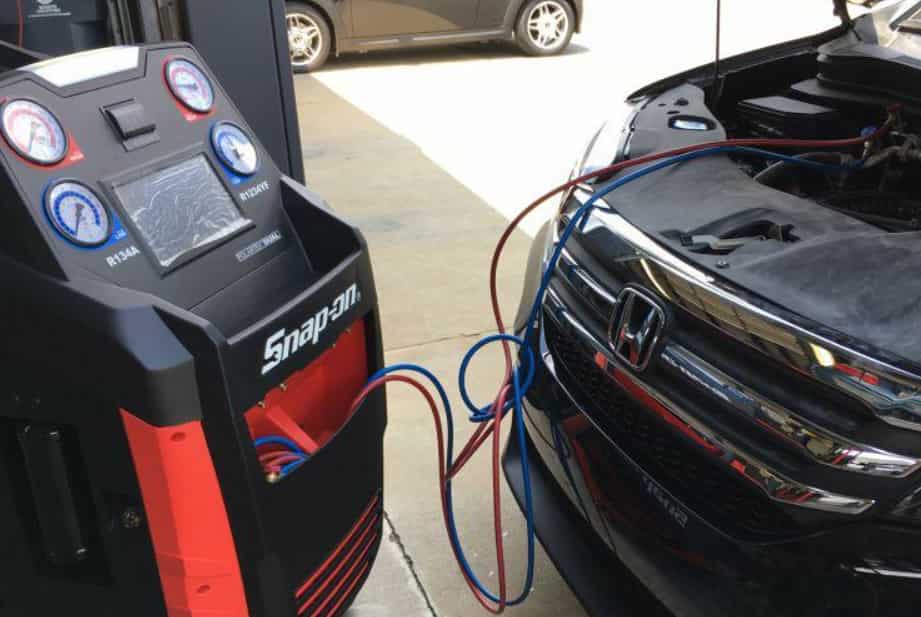
What Is a Honda Accord AC Recharge?
A Honda Accord AC recharge is the process of adding refrigerant to the air conditioning system. The goal is to restore the correct refrigerant level and improve cooling performance. When the system contains enough refrigerant, it can remove heat efficiently and deliver cold air inside the cabin.
The air conditioning system works through a continuous cooling cycle. The compressor pressurizes the refrigerant before sending it to the condenser. Next, the refrigerant passes through the expansion device and enters the evaporator. Inside the evaporator, it absorbs heat from the cabin air. The cooled air then flows through the vents and creates a comfortable driving environment.
Many drivers believe refrigerant naturally disappears over time. In reality, a properly sealed AC system should hold its refrigerant for many years. If the refrigerant level drops, the system may have a leak. Worn seals, damaged hoses, or faulty service valves are common causes. Therefore, adding refrigerant without finding the leak is only a temporary solution.
It is also important to understand that an AC recharge is not the same as an AC repair. A recharge only restores the refrigerant level. It cannot repair a failed compressor, a damaged condenser, or a faulty cooling fan. For this reason, inspecting the system before performing a Honda Accord AC recharge is always the safest approach. A proper diagnosis helps prevent unnecessary repairs and protects expensive air conditioning components.
Signs Your Honda Accord Needs an AC Recharge
A weak air conditioner does not always mean your Honda Accord needs more refrigerant. However, low refrigerant is one of the most common reasons for poor cooling performance. Recognizing the early warning signs can help you avoid unnecessary repairs and prevent more serious damage.
The most obvious symptom is warm air coming from the dashboard vents. In some cases, the air may feel slightly cool but never reaches the temperature you expect. The cabin may also take much longer to cool, especially on hot summer days. If cooling improves while driving but becomes weak at idle, the refrigerant level or condenser airflow could be the problem.
Another common sign is frequent compressor cycling. The compressor may switch on and off every few seconds because the system pressure is too low. You may also notice oily residue around hoses, fittings, or service ports. Since refrigerant carries compressor oil, these stains often indicate a refrigerant leak. A pressure gauge may also show lower than normal readings, but pressure alone cannot confirm the exact cause.
Several other problems can produce similar symptoms. A clogged cabin air filter may reduce airflow through the vents. A faulty condenser fan can prevent heat from leaving the system. Electrical faults, a damaged compressor, or a stuck blend door may also reduce cooling performance. For this reason, a complete inspection is always recommended before performing a Honda Accord AC recharge. Identifying the real cause saves time, reduces repair costs, and helps restore reliable air conditioning performance.
What Refrigerant Does a Honda Accord Use?
Choosing the correct refrigerant is one of the most important steps before performing a Honda Accord AC recharge. Using the wrong refrigerant can reduce cooling performance and may damage the air conditioning system. It can also contaminate service equipment and increase repair costs.
The refrigerant type depends on the model year, production date, engine, and market. Many older Honda Accord models use R134a, while many newer models are designed for R1234yf. However, you should never rely only on the model year. Some vehicles may have different specifications, and previous repairs or system conversions can affect the refrigerant type.
The safest way to confirm the correct refrigerant is to inspect the label under the hood. This label normally lists the approved refrigerant and the factory specified charge capacity. You can also verify the information in the owner’s manual or the official Honda service manual. If the label is missing or difficult to read, contact a Honda dealer or a qualified technician before adding refrigerant.
It is equally important to avoid mixing different refrigerants. R134a and R1234yf are not interchangeable. Mixing them can reduce system efficiency and create expensive service issues. Hybrid Honda Accord models also require extra attention because many use electric compressors with specialized compressor oil. Using the wrong oil or refrigerant may damage the compressor and affect the high voltage air conditioning system.
Taking a few minutes to verify the correct refrigerant before starting a Honda Accord AC recharge can prevent costly mistakes and help the system deliver reliable cooling for years to come.
Tools Needed for a Honda Accord AC Recharge
Preparing the right tools before starting a Honda Accord AC recharge makes the job safer and more accurate. It also reduces the risk of damaging the air conditioning system. Using the correct equipment allows you to monitor the recharge process and identify obvious problems before adding refrigerant.
The first item you need is the correct refrigerant for your vehicle. Always confirm the refrigerant type by checking the label under the hood. You will also need a compatible recharge hose with a low pressure gauge. The hose should match the refrigerant used by your Honda Accord. Safety glasses and protective gloves are equally important because refrigerant can cause serious eye and skin injuries. A vent thermometer is also helpful because it lets you measure cooling performance before and after the recharge.
Some tools are optional but can improve the accuracy of the job. A manifold gauge set provides both low and high side pressure readings. A vacuum pump removes air and moisture after the system has been opened. An electronic leak detector or UV dye can help locate small refrigerant leaks that are difficult to see during a visual inspection. Professional repair shops also use a refrigerant recovery machine and a charging scale to recharge the system by the exact factory specification.
Avoid using products that contain stop leak additives unless the vehicle manufacturer specifically approves them. These products can contaminate the air conditioning system and create problems during future repairs. Having the right tools and following the correct procedure will make a Honda Accord AC recharge safer, easier, and more reliable.
How to Recharge a Honda Accord AC
Recharging a Honda Accord AC system is not difficult, but it requires careful preparation. Before adding refrigerant, make sure you have confirmed the correct refrigerant type and inspected the system for obvious leaks. Taking a few extra minutes at the beginning can help you avoid expensive mistakes later.
Step 1. Confirm the Refrigerant Type
Open the hood and locate the refrigerant label. It is usually attached near the radiator support or another visible area in the engine compartment. The label lists the approved refrigerant and the factory charge capacity. Never assume the correct refrigerant based only on the model year.
Step 2. Inspect the Air Conditioning System
Check the hoses, fittings, and service ports for signs of damage. Look for oily residue around connections because it often indicates a refrigerant leak. Also inspect the condenser for bent fins or visible damage. If you find a major leak or broken component, repair the problem before adding refrigerant.
Step 3. Start the Vehicle
Start the engine and allow it to reach normal operating temperature. Turn the air conditioner to the coldest setting and select the highest fan speed. Switch the system to recirculation mode. These settings help the air conditioner operate under normal conditions during the recharge.
Step 4. Locate the Low Pressure Service Port
Find the low pressure service port on the larger aluminum AC line. Remove the protective cap and keep it in a clean place. Make sure you are using the low pressure port before connecting the recharge hose. Never connect a DIY recharge kit to the high pressure port.
Step 5. Connect the Recharge Hose
Attach the recharge hose firmly to the low pressure service port. The connector should lock into place without excessive force. If it does not fit easily, stop and verify that you have the correct hose and refrigerant. Forcing the connector may damage the fitting.
Step 6. Check the System Pressure
Read the pressure gauge while the engine and air conditioner are running. Remember that pressure changes with outdoor temperature and system conditions. A low reading may indicate low refrigerant, but it can also point to another problem. Use the gauge as a reference instead of making a diagnosis from pressure alone.
Step 7. Add Refrigerant Slowly
Add refrigerant in short intervals while monitoring the gauge. Pause between each addition so the pressure can stabilize. Watch the vent temperature as the system begins to cool. Stop adding refrigerant once the system reaches the correct operating range. Overcharging the system can reduce cooling performance and increase internal pressure.
Step 8. Test the Air Conditioner
Disconnect the recharge hose carefully and reinstall the service port cap. Let the air conditioner run for several minutes. Check the temperature at the center air vent and listen for unusual compressor noise. Finally, take the vehicle for a short drive to confirm that the system delivers consistent cold air at both idle and normal driving speeds.
If the air conditioner still blows warm air after a proper Honda Accord AC recharge, do not continue adding refrigerant. The system may have a leak, a faulty compressor, poor condenser airflow, or another mechanical problem that requires further diagnosis.
Common Honda Accord AC Recharge Mistakes
Many air conditioning problems become more expensive because of simple mistakes during a recharge. Understanding these common errors can help you protect the system and avoid unnecessary repairs. A careful approach also improves the chances of restoring normal cooling performance.
One of the most common mistakes is using the wrong refrigerant. Always check the label under the hood before buying a recharge kit. R134a and R1234yf are designed for different systems and should never be mixed. Using the wrong refrigerant can damage components and contaminate service equipment.
Another mistake is connecting the recharge hose to the wrong service port. A DIY recharge kit should only be connected to the low pressure port. Connecting it to the high pressure side can be dangerous and may damage the equipment.
Many owners also add too much refrigerant. More refrigerant does not always produce colder air. In fact, an overcharged system can increase internal pressure, reduce cooling efficiency, and place extra strain on the compressor. Add refrigerant slowly and stop once the system reaches the correct operating condition.
Ignoring a refrigerant leak is another costly mistake. If the system loses cooling again after a short time, adding more refrigerant will not solve the problem. The leak must be located and repaired before the system is recharged again.
Some recharge products contain stop leak additives. While these products promise a quick fix, they can contaminate the air conditioning system and create problems during future repairs. Most professional technicians recommend avoiding them unless the vehicle manufacturer specifically approves their use.
Finally, do not assume that warm air always means low refrigerant. A weak compressor, a faulty condenser fan, a clogged cabin air filter, or an electrical fault can produce similar symptoms. Taking time to diagnose the system before performing a Honda Accord AC recharge can save money, improve reliability, and prevent unnecessary replacement of expensive components.
Why Is the AC Still Warm After a Recharge?
If your Honda Accord AC is still blowing warm air after a recharge, adding more refrigerant is rarely the right solution. A successful recharge should improve cooling performance. When the problem remains, another fault is usually affecting the air conditioning system.
A refrigerant leak is one of the most common causes. Even a small leak can allow refrigerant to escape over time. As the pressure drops, the system loses its ability to cool the cabin efficiently. Oily residue around hoses, fittings, or the condenser may indicate the location of the leak.
An overcharged system can also reduce cooling performance. Excess refrigerant increases system pressure and makes it harder for the air conditioner to remove heat. In some cases, the compressor may cycle more often or stop working correctly to protect the system.
Mechanical problems should also be considered. A worn compressor may not build enough pressure to circulate refrigerant effectively. A faulty condenser fan can reduce airflow through the condenser, especially when the vehicle is stopped. As a result, the air conditioner may blow cold while driving but become warm at idle.
Other components can create similar symptoms. A restricted expansion valve may limit refrigerant flow. A clogged cabin air filter can reduce airflow through the vents. A faulty blend door actuator may allow warm air to mix with cooled air before it reaches the cabin. Electrical problems, including a failed pressure sensor or relay, can also prevent the system from operating normally.
If the air conditioner still performs poorly after a correct Honda Accord AC recharge, avoid adding more refrigerant without further testing. A complete inspection with proper diagnostic equipment is the best way to identify the root cause. Repairing the actual problem will restore reliable cooling and help prevent unnecessary damage to the air conditioning system.
Honda Accord AC Recharge Cost
The cost of a Honda Accord AC recharge depends on the condition of the air conditioning system and the type of service you choose. A simple recharge usually costs less than repairing a leaking or damaged system. However, the lowest price is not always the best value. If the underlying problem is not repaired, the refrigerant may leak out again and create additional expenses.
A DIY recharge is often the most affordable option. You only need the correct refrigerant, a compatible recharge hose, and basic safety equipment. This approach works best when the system is only slightly low on refrigerant and there are no signs of major damage. However, a DIY kit cannot identify every problem. Hidden leaks, compressor wear, or internal restrictions may go unnoticed.
An independent repair shop typically charges more than a DIY recharge, but it also provides a more complete diagnosis. Most shops can inspect the system, check for leaks, recover the remaining refrigerant, and recharge the system according to factory specifications. This process improves accuracy and reduces the risk of overcharging.
A Honda dealership may have higher labor rates, but technicians have access to model specific service information and specialized equipment. This option is often recommended for newer vehicles, hybrid models, or complex air conditioning problems.
If the system requires major repairs, the total cost can increase significantly. Replacing a compressor, condenser, evaporator, or damaged hose is much more expensive than adding refrigerant. For this reason, it is always better to diagnose the problem early. Fixing a small leak today can prevent a much larger repair bill in the future.
DIY Recharge vs Professional AC Service
A DIY recharge can be a practical solution for some Honda Accord owners. It is usually appropriate when the air conditioning system still contains refrigerant, the compressor operates normally, and there are no visible signs of damage. Following the correct procedure and using the proper refrigerant can restore cooling performance without the cost of a service appointment.
Even so, a DIY recharge has clear limitations. A basic recharge kit cannot recover refrigerant, remove moisture from the system, or measure the refrigerant charge by weight. It also cannot identify every leak or mechanical failure. As a result, some problems may remain hidden even if the air conditioner appears to work better for a short time.
Professional service provides a more complete solution. Technicians use specialized equipment to recover the remaining refrigerant, inspect the system for leaks, create a vacuum, and recharge the system with the exact factory specified amount. They can also test system pressure, compressor performance, and electrical components during the inspection.
Professional service is the better choice if the system is completely empty, loses refrigerant quickly, or produces unusual noises. It is also recommended for hybrid Honda Accord models because many use electric compressors with specialized oil. When you are unsure about the condition of the air conditioning system, a professional inspection is often the safest and most cost effective decision.
How Often Does a Honda Accord Need an AC Recharge?
A Honda Accord should not require regular AC recharges as part of normal maintenance. The air conditioning system is sealed, so it should retain refrigerant for many years under normal operating conditions. If cooling performance remains consistent, there is usually no reason to add refrigerant.
Small amounts of refrigerant may be lost over a long period through normal seal aging. However, noticeable cooling loss or repeated recharging usually indicates a refrigerant leak or another mechanical problem. Simply adding more refrigerant without repairing the cause will only provide temporary results.
Instead of scheduling routine recharges, focus on preventive maintenance. Replace the cabin air filter when needed, keep the condenser free of dirt and debris, and inspect the cooling fans for proper operation. It is also a good idea to run the air conditioner regularly, even during cooler months. This helps keep seals lubricated and supports long term system performance.
If your Honda Accord needs frequent AC recharges, arrange a professional inspection as soon as possible. Finding and repairing a leak early can reduce repair costs and protect expensive components such as the compressor and condenser.
Conclusion
A Honda Accord AC recharge can restore cooling performance when the refrigerant level is slightly low and the air conditioning system is otherwise in good condition. Before adding refrigerant, always confirm the correct refrigerant type, inspect the system for visible leaks, and follow the recommended recharge procedure. Taking these steps helps prevent common mistakes and protects important air conditioning components.
Remember that warm air does not always mean the system needs more refrigerant. A faulty compressor, poor condenser airflow, electrical problems, or a refrigerant leak can produce similar symptoms. Identifying the root cause before adding refrigerant is the most effective way to avoid unnecessary repairs and extra costs.
If the air conditioner continues to blow warm air after a proper Honda Accord AC recharge, stop adding refrigerant and perform a complete diagnosis. Repairing the actual fault will provide better long term results than repeatedly recharging the system. With the correct maintenance and timely repairs, your Honda Accord can continue delivering reliable and comfortable cooling in every season.