Honda has built a reputation for producing reliable and efficient engines, especially its popular V6 powertrains found in models such as the Honda Pilot, Odyssey, Ridgeline, and Accord V6. To improve fuel economy, Honda introduced Variable Cylinder Management (VCM), a cylinder deactivation technology designed to switch between six cylinder and three cylinder operation depending on driving conditions. While this system can help reduce fuel consumption, many Honda owners have started searching for Honda VCM Disable solutions due to concerns about long term engine performance and reliability.
Questions about oil consumption, engine vibration, carbon buildup, and overall engine durability have made VCM Disable a popular topic among Honda enthusiasts. Many drivers want to understand whether disabling cylinder deactivation can help protect their Honda V6 engine and provide a more consistent driving experience.
Honda VCM Disable does not remove the VCM system from the engine. Instead, it prevents the vehicle from activating cylinder deactivation under certain conditions, allowing the engine to operate more consistently as a full V6. For owners who plan to keep their vehicles for many years, understanding how this modification works, its potential benefits, and possible drawbacks is essential before making a decision.
In this guide, we will explain how Honda VCM works, why some owners choose to disable it, and whether Honda VCM Disable can help improve long term engine reliability.
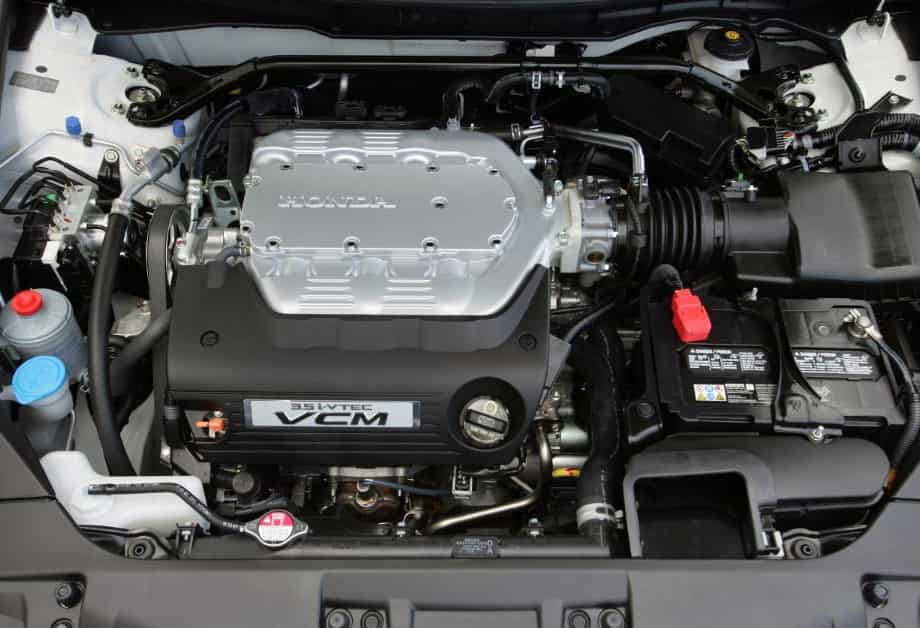
What Is Honda VCM and How Does Cylinder Deactivation Work?
Honda VCM stands for Variable Cylinder Management. It is a technology that helps Honda V6 engines improve fuel efficiency. The system changes how the engine uses its cylinders based on driving conditions.
Honda developed VCM to create a balance between power and fuel economy. During normal driving, the engine can use all six cylinders to deliver strong performance. When the vehicle cruises at a steady speed, VCM can reduce engine workload by turning off selected cylinders.
This process is known as cylinder deactivation. The engine control unit, sensors, and other components work together to manage this change. The system checks factors such as vehicle speed, engine load, and throttle position before activating or deactivating cylinders.
Honda uses VCM technology in several V6 models. Popular examples include the Honda Pilot, Honda Odyssey, Honda Ridgeline, and some Honda Accord V6 models. Many of these vehicles use the Honda J35 engine, which has become well known for its smooth performance and durability.
VCM provides a clear advantage for drivers who want better fuel efficiency. However, some Honda owners have concerns about long term engine behavior. They believe frequent cylinder switching may contribute to issues such as oil consumption, vibration, and carbon buildup.
Because of these concerns, many drivers research Honda VCM Disable solutions. They want to understand whether keeping the engine in full six cylinder operation can provide better reliability and a more consistent driving experience.
Understanding how Honda VCM works helps owners decide whether disabling cylinder deactivation fits their driving habits and long term maintenance plans.
Why Are Honda Owners Searching for Honda VCM Disable Solutions?
Many Honda owners search for Honda VCM Disable because they want to understand possible issues related to cylinder deactivation. Honda created VCM to improve fuel efficiency, but some drivers have concerns about how this technology affects long term engine performance.
One common concern involves increased oil consumption. Some Honda V6 owners report that their vehicles use more engine oil over time. These drivers often look for ways to reduce potential stress on the engine and maintain better reliability.
Engine vibration is another reason why owners explore VCM Disable solutions. When VCM changes between different cylinder modes, some drivers notice a change in engine behavior. The transition may feel less smooth, especially during specific driving conditions.
Carbon buildup also receives attention among Honda enthusiasts. Some owners believe that frequent cylinder deactivation can create conditions that contribute to deposits inside the engine. These deposits may affect engine efficiency and overall performance if they become excessive.
Many drivers choose Honda VCM Disable because they plan to keep their vehicles for many years. They often prefer consistent V6 operation instead of focusing only on small fuel economy improvements. This choice becomes more common among owners of high mileage Honda Pilot, Honda Odyssey, and other J35 powered vehicles.
However, Honda VCM Disable does not solve every engine problem. Proper maintenance, regular oil changes, and responsible driving habits remain important. For many owners, disabling VCM represents a preventive approach that focuses on long term engine care and peace of mind.
How Does Honda VCM Disable Work and What Does It Actually Change?
Honda VCM Disable works by preventing the engine from activating cylinder deactivation during normal driving conditions. Instead of allowing the VCM system to switch between different cylinder modes, the device helps the engine continue operating as a full V6.
Most Honda VCM Disable solutions do not remove the VCM system from the engine. They do not require major mechanical changes inside the vehicle. Instead, these devices usually communicate with the vehicle’s electronic system and influence how the ECU controls VCM activation.
A typical VCM Disable device connects with existing engine components and changes specific signals that the ECU uses to manage cylinder deactivation. This process keeps the engine running with all cylinders active during situations where VCM would normally engage.
Many owners also use terms such as VCM bypass, VCM controller, or VCM eliminator when researching solutions. These terms describe similar approaches, but different products may use different methods to control VCM operation.
It is important to understand the difference between VCM Disable and a complete VCM delete. A VCM Disable solution usually provides a reversible modification, while a VCM delete may involve more extensive changes to the vehicle system.
For Honda V6 owners, the main goal of VCM Disable is simple. It allows the engine to maintain consistent operation while reducing the frequency of cylinder deactivation events. This approach appeals to drivers who value long term reliability and prefer a traditional six cylinder driving experience.
Before choosing any device, owners should consider their vehicle model, engine condition, and maintenance history. The right solution depends on individual driving needs and ownership goals.
Benefits of Disabling Honda VCM: Does It Improve Engine Reliability?
Many Honda owners consider Honda VCM Disable because they want a more consistent engine operation. By keeping all six cylinders active, the engine avoids frequent changes between full power and cylinder deactivation modes. This approach can create a smoother and more predictable driving experience.
One potential benefit involves engine consistency. Some drivers prefer the way their Honda V6 feels when it operates with all cylinders running. They believe this setup provides smoother acceleration and fewer noticeable changes during daily driving.
Another reason owners choose Honda VCM Disable involves long term engine care. Some drivers worry about issues connected to cylinder deactivation, including oil consumption and carbon buildup. Disabling VCM may help reduce their concerns by keeping the engine in a more traditional operating pattern.
Honda VCM Disable can also appeal to owners who plan to keep their vehicles for many years. Drivers of high mileage Honda Pilot, Honda Odyssey, and other J35 V6 models often focus on reliability rather than maximum fuel savings. They want a vehicle that delivers stable performance throughout long term ownership.
However, owners should understand that Honda VCM Disable does not guarantee improved engine life. The condition of the engine depends on many factors, including maintenance quality, driving habits, and service history.
For some drivers, the small fuel economy benefit from VCM does not outweigh their concerns about long term durability. For others, the original VCM system may continue to work well without any changes.
The decision depends on personal priorities. Honda VCM Disable can be a useful option for owners who value consistent V6 performance and long term peace of mind.
Honda Models That Use VCM and May Benefit From VCM Disable
Honda introduced Variable Cylinder Management in several vehicles that use V6 engines. These models provide strong performance, smooth operation, and improved fuel efficiency through cylinder deactivation technology. However, many owners of these vehicles also research Honda VCM Disable solutions to understand how they can protect their engines over long term ownership.
The Honda Pilot is one of the most common models associated with VCM discussions. Many Pilot owners choose this SUV because it offers space, comfort, and dependable V6 performance. Drivers who keep their vehicles for high mileage often research ways to maintain engine reliability.
The Honda Odyssey is another popular VCM equipped model. As a family minivan, the Odyssey often travels with heavy loads and frequent daily use. Some owners consider Honda VCM Disable because they want consistent engine operation throughout years of driving.
The Honda Ridgeline also uses Honda’s J35 V6 engine in many model years. Owners who use the truck for daily transportation, towing, or outdoor activities often value durability and predictable performance.
Some Honda Accord V6 models also feature VCM technology. These vehicles combine strong acceleration with better fuel efficiency compared to traditional V6 engines. However, long term owners may still explore VCM Disable options based on their personal preferences.
Not every Honda V6 vehicle requires VCM Disable. Owners should first confirm whether their vehicle includes Variable Cylinder Management. They should also consider their driving style, maintenance habits, and long term ownership plans before making any modification.
Understanding which Honda models use VCM helps owners make better decisions. It allows them to choose a solution that matches their vehicle’s needs and their expectations for engine performance.
Honda VCM Disable vs VCMuzzler: Choosing the Right Solution for Your Vehicle
When Honda owners search for ways to control cylinder deactivation, they often compare Honda VCM Disable solutions with VCMuzzler devices. Both options aim to reduce VCM activation, but they may use different designs and features to achieve the same goal.
Honda VCM Disable products focus on preventing the Variable Cylinder Management system from activating. They allow the engine to continue running as a traditional six cylinder powertrain. Many owners choose this option because they want a simple and reversible modification for their Honda V6 engine.
VCMuzzler has become a well known name among Honda enthusiasts. Many drivers use VCMuzzler products as a VCM bypass solution because they offer an affordable way to reduce cylinder deactivation activity. The device works by changing specific signals that influence how the vehicle manages VCM operation.
The main differences between Honda VCM Disable devices and VCMuzzler solutions usually involve design, adjustability, installation process, and price. Some products offer more control over system settings, while others focus on simplicity and easy installation.
Choosing the right solution depends on the vehicle model and the owner’s goals. A Honda Pilot owner who drives long distances may have different priorities compared to a Honda Odyssey owner who uses the vehicle mainly for family transportation.
Before installing any VCM bypass device, owners should research product quality and compatibility with their specific Honda model. A reliable solution should work correctly with the vehicle’s electronics and provide a safe, reversible modification.
Honda VCM Disable and VCMuzzler both attract owners who want more control over their engine operation. The best choice depends on personal preferences, budget, and long term ownership plans.
Should You Disable VCM on Your Honda V6 Engine?
Deciding whether to use Honda VCM Disable depends on your driving needs, maintenance priorities, and long term ownership goals. There is no single answer that works for every Honda owner because each vehicle has different conditions and usage patterns.
Honda VCM Disable may appeal to owners who plan to keep their vehicles for many years. Drivers with high mileage Honda Pilot, Honda Odyssey, or other Honda V6 models often focus on long term reliability. They may prefer consistent engine operation instead of relying on cylinder deactivation for small fuel economy improvements.
Owners who notice concerns such as oil consumption, vibration, or changes in engine behavior may also research VCM Disable as a possible preventive solution. However, drivers should understand that this modification does not replace proper maintenance. Regular oil changes, inspections, and responsible driving remain essential for engine health.
On the other hand, some owners may choose to keep the factory VCM system. Drivers who prioritize maximum fuel efficiency and have no engine concerns may prefer the original setup from Honda. Modern VCM systems can provide benefits when they operate correctly.
Before making a decision, consider your vehicle’s condition, driving habits, and future plans. A high mileage vehicle used for daily transportation may have different needs compared to a newer Honda with fewer miles.
Honda VCM Disable is not a required upgrade for every V6 engine. It is a personal choice for owners who want to adjust how their engine operates. Understanding the advantages and limitations helps drivers choose the option that best matches their expectations.
Frequently Asked Questions About Honda VCM Disable
What does Honda VCM Disable do?
Honda VCM Disable prevents the Variable Cylinder Management system from activating cylinder deactivation. It allows the Honda V6 engine to continue running with all cylinders active during normal driving conditions.
Is Honda VCM Disable safe for the engine?
A properly installed Honda VCM Disable device can work safely with compatible Honda models. However, owners should choose reliable products and follow correct installation instructions.
Does disabling VCM reduce fuel economy?
Disabling VCM may slightly reduce fuel efficiency because the engine no longer uses cylinder deactivation to save fuel. The difference depends on driving habits and conditions.
Can Honda VCM Disable fix oil consumption problems?
Honda VCM Disable may help some owners reduce concerns related to cylinder deactivation. However, it cannot repair existing mechanical problems or replace proper engine maintenance.
Does VCM Disable affect engine performance?
Many owners report a more consistent driving experience after disabling VCM. The engine continues to operate as a traditional V6 without switching between cylinder modes.
Conclusion
Honda VCM Disable has become a popular topic among Honda V6 owners who want to understand the relationship between cylinder deactivation and long term engine reliability. Honda created VCM to improve fuel efficiency, but some drivers prefer a more consistent engine operation for long term ownership.
By preventing cylinder deactivation, Honda VCM Disable allows the engine to run with all cylinders active. This approach may appeal to owners who prioritize durability, smooth performance, and peace of mind.
However, VCM Disable is not a universal solution for every Honda vehicle. Owners should consider their driving habits, maintenance history, and personal priorities before making a decision.
For Honda Pilot, Odyssey, Ridgeline, and other V6 models, understanding how VCM works is the first step toward making an informed choice. The right decision depends on whether you value maximum fuel economy or a traditional V6 driving experience.