Seeing the Honda Accord Drive Light Blinking warning on your dashboard can be worrying. Many drivers feel uncertain because the vehicle may still move normally. However, a flashing Drive light should never be ignored.
The Drive light, also called the D indicator, shows that your transmission is in Drive mode. When this light starts blinking, your Honda Accord has detected an issue with the transmission system. The problem may come from low transmission fluid, faulty sensors, electrical problems, or worn internal components.
Some drivers continue driving because the car feels fine. This decision can create bigger problems later. A small transmission issue may develop into costly repairs if you delay the diagnosis.
Finding the cause early can help you protect your vehicle and avoid unnecessary expenses. A proper inspection can also prevent serious transmission damage.
In this guide, you will learn what a Honda Accord Drive Light Blinking warning means and why it happens. We will cover the most common causes, warning symptoms, diagnostic steps, repair options, and estimated costs. Whether your Accord just showed this warning or you have been dealing with it for a while, this guide will help you understand what to do next.
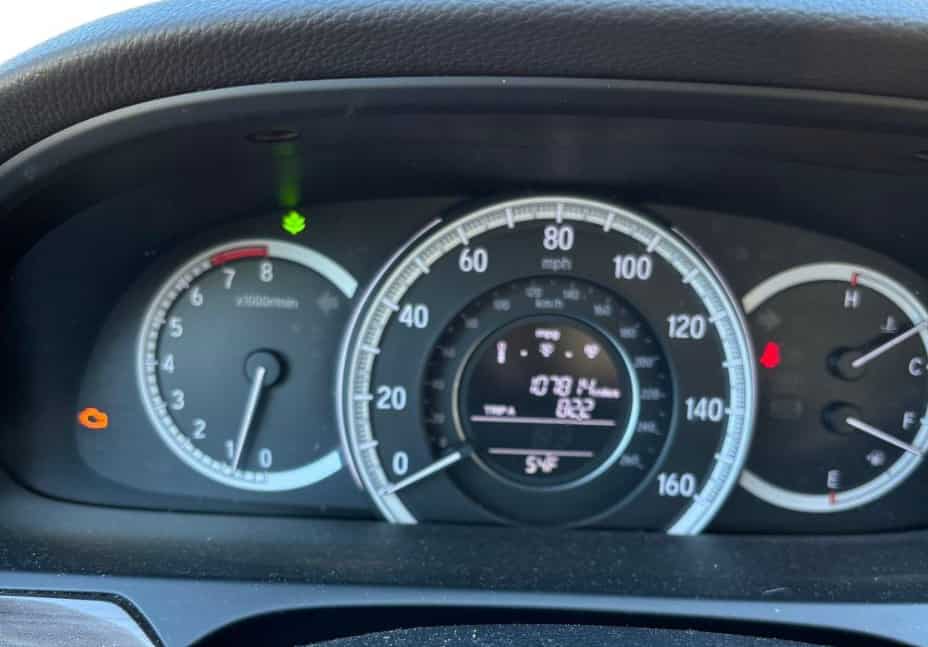
What Does a Blinking Drive Light Mean on a Honda Accord?
When the Honda Accord Drive Light Blinking warning appears, it means the vehicle has detected an issue related to the transmission system. The Drive light, often shown as the letter “D” on the dashboard, normally stays illuminated when you select the Drive gear. It should not flash during normal operation.
A blinking D light does not point to one specific failure. Instead, it acts as a warning signal from the vehicle’s computer system. The transmission control module monitors different components, including sensors, fluid pressure, and shifting performance. When the system detects unusual data, it triggers the flashing Drive indicator.
In many cases, the problem involves the automatic transmission. The issue may come from low transmission fluid, a failing shift solenoid, a damaged sensor, or a communication problem between electronic control components. Some Honda Accord owners may also notice other symptoms, such as rough shifting, delayed gear changes, or reduced acceleration.
It is important to understand that a blinking Drive light does not always mean the transmission needs replacement. Some causes are simple and affordable to repair. However, ignoring the warning can allow a minor problem to become a major transmission failure.
A proper diagnosis is the best way to identify the real cause. Using an OBD2 scanner, checking transmission fluid condition, and inspecting related components can help determine the next repair step. Understanding what the blinking Drive light means allows Honda Accord owners to respond quickly and avoid unnecessary damage.
Common Causes of Honda Accord Drive Light Blinking
The Honda Accord Drive Light Blinking warning can happen for several reasons. The transmission system contains many mechanical and electronic components that work together. When one part fails or sends incorrect information, the vehicle may activate the blinking D light to alert the driver.
One of the most common causes is low or damaged transmission fluid. The automatic transmission needs clean fluid to create hydraulic pressure and control gear changes. When the fluid level drops or becomes dirty, the transmission may struggle to shift properly. Drivers may notice delayed engagement, rough shifting, or unusual transmission behavior.
Another possible cause is a faulty shift solenoid. These small electronic valves control the flow of transmission fluid inside the gearbox. When a solenoid stops working correctly, the transmission may select the wrong gear or shift unevenly. This problem can trigger the Drive light warning and affect overall driving performance.
Transmission sensors can also cause a blinking Drive light on a Honda Accord. Speed sensors, pressure switches, and gear position sensors provide important information to the vehicle’s computer. If these sensors send inaccurate signals, the transmission control module may detect a problem even when the mechanical parts appear normal.
Electronic issues can also play a role. A damaged transmission control module or poor electrical connection may interrupt communication between the vehicle’s computer and transmission system. In some cases, a software update or electrical repair may solve the problem.
More serious cases involve internal transmission damage. Worn clutch packs, damaged gears, or excessive internal wear can create shifting problems and activate the warning light. These issues usually appear with additional symptoms, such as slipping gears, loud noises, or difficulty accelerating.
Finding the exact cause requires proper diagnosis. The blinking Drive light is only a warning signal, not a complete diagnosis. Checking trouble codes and inspecting the transmission system can help identify the correct repair solution.
Symptoms That Usually Appear With a Blinking Drive Light
When you see the Honda Accord Drive Light Blinking warning, you may notice other signs that help identify the problem. The blinking D indicator is often the first warning, but the transmission usually shows additional symptoms before a serious failure occurs.
One common symptom is rough or hard shifting. Your Honda Accord may suddenly change gears with a noticeable jerk or delay. This happens when the transmission cannot control gear changes smoothly. A failing shift solenoid, low fluid pressure, or sensor problem can create this type of behavior.
Another warning sign is delayed gear engagement. You may notice a short pause when shifting from Park to Drive or Reverse. The vehicle may take longer than usual before it starts moving. This delay often points to a problem with transmission fluid pressure or internal transmission operation.
Some drivers experience transmission slipping. In this situation, the engine speed increases, but the vehicle does not accelerate properly. Slipping gears can indicate serious wear inside the transmission and require immediate attention.
A Honda Accord with a blinking Drive light may also enter limp mode. The vehicle computer activates this safety feature to reduce further damage. When limp mode occurs, the transmission may stay in one gear and limit acceleration.
Other possible symptoms include unusual noises, burning smells, reduced fuel efficiency, and the appearance of the Check Engine Light. These signs provide important clues during diagnosis.
The severity of the problem depends on the symptoms that appear with the blinking Drive light. A vehicle with only a flashing D indicator may need a simple inspection. However, harsh shifting, slipping gears, or burning smells require faster action to prevent expensive transmission repairs.
Paying attention to these warning signs can help Honda Accord owners identify problems early and choose the right repair solution before the issue becomes more complicated.
Can You Drive With a Honda Accord Drive Light Blinking?
When the Honda Accord Drive Light Blinking warning appears, many drivers immediately ask if they can continue driving. The answer depends on the condition of the vehicle and the symptoms that appear with the warning light.
In some cases, you may be able to drive a short distance if your Honda Accord still shifts normally, responds well, and does not show any unusual signs. However, you should avoid long trips until you identify the cause. A blinking Drive light means the transmission system has detected a problem, and the condition may become worse over time.
You should stop driving and inspect the vehicle as soon as possible if you notice serious symptoms. These include harsh gear changes, transmission slipping, loss of acceleration, strange noises, or a burning smell. Continuing to drive with these signs can increase internal damage and turn a smaller repair into a costly transmission rebuild.
A transmission problem does not always fail immediately. Some issues develop slowly, while others can become serious within a short period. For example, a faulty sensor may only require a replacement part, but driving with low transmission fluid can create excessive heat and damage internal components.
The safest approach is to diagnose the problem early. Start by checking for stored trouble codes with an OBD2 scanner. You can also inspect the transmission fluid level and condition if your vehicle allows it.
If your Honda Accord shows a blinking Drive light but feels normal, do not panic. However, do not ignore the warning either. A professional inspection can help determine whether the issue is minor or requires immediate repair.
How to Diagnose Honda Accord Drive Light Blinking
Finding the exact cause of the Honda Accord Drive Light Blinking warning requires a proper diagnostic process. The flashing D indicator only tells you that the transmission system has detected an issue. It does not identify the failed component by itself.
The first step is to scan the vehicle with an OBD2 scanner. The scanner can read diagnostic trouble codes stored in the vehicle’s computer system. These codes provide important information about possible transmission problems. Common transmission related codes may include P0700, P0730, P0750, and P0845. However, these codes only point to a system area and do not always confirm the exact faulty part.
The next step is checking the transmission fluid condition. Transmission fluid plays an important role in lubrication, cooling, and hydraulic pressure control. Low fluid levels, dark fluid color, or a burnt smell may indicate a transmission problem. Regular fluid inspection can help identify issues before they cause major damage.
You should also inspect electrical connections and transmission related components. Damaged wiring, loose connectors, or faulty sensors can interrupt communication between the transmission and the vehicle computer. A simple electrical problem may create symptoms that look similar to a mechanical failure.
Professional diagnosis may be necessary when basic checks do not reveal the cause. Experienced technicians can perform additional tests, review live data, and inspect transmission performance under different conditions.
A correct diagnosis saves time and money. Replacing parts without identifying the real problem can lead to unnecessary expenses. By following a proper diagnostic process, Honda Accord owners can choose the right repair solution and avoid further transmission damage.
Honda Accord Drive Light Blinking Repair Costs
The repair cost for a Honda Accord Drive Light Blinking issue depends on the actual cause behind the warning. Some problems require a simple maintenance service, while others may involve expensive transmission repairs. Understanding the possible costs can help you prepare before visiting a repair shop.
A transmission fluid service is usually one of the most affordable solutions. If low or degraded fluid causes the problem, a fluid replacement may cost around $100 to $250. Fresh transmission fluid can restore proper hydraulic pressure and improve shifting performance in some cases.
Sensor related repairs are also common. Replacing a transmission sensor, such as a speed sensor or pressure switch, may cost approximately $150 to $500, depending on the vehicle model and labor rates. These repairs are often less expensive than major transmission work.
A faulty shift solenoid may require a higher repair budget. The replacement cost usually ranges from $200 to $600. The final price depends on whether the mechanic can access the solenoid easily or needs additional transmission work.
If the problem involves the transmission control module, repair or reprogramming costs may range from $300 to $1,000. Some cases only require software updates, while others may need module replacement.
The most expensive scenario involves internal transmission damage. A transmission rebuild can cost between $2,000 and $4,500 or more. Severe damage may require complete transmission replacement, which can increase the total expense significantly.
The best way to reduce repair costs is to diagnose the problem early. Many Honda Accord owners spend more money because they continue driving after the first warning appears. A quick inspection can often prevent a small issue from becoming a major transmission failure.
Before approving any repair, ask the technician for a complete diagnosis and a detailed explanation of the required work. This approach helps you avoid unnecessary replacements and ensures your Honda Accord receives the correct repair.
How to Prevent Honda Accord Drive Light Problems
Preventing a Honda Accord Drive Light Blinking warning starts with proper transmission care and regular vehicle maintenance. Although some transmission issues happen because of component failure, many problems develop due to neglect, incorrect maintenance, or delayed repairs.
One of the most important steps is maintaining the correct transmission fluid level and condition. Transmission fluid helps lubricate internal parts, control hydraulic pressure, and reduce heat. Old or contaminated fluid can affect shifting performance and increase wear on transmission components. Following the recommended maintenance schedule for your Honda Accord can help keep the transmission operating smoothly.
Using the correct transmission fluid is also essential. Honda transmissions are designed to work with specific fluid types. Using an incorrect product may affect shifting quality and long term reliability. Always check your owner’s manual or consult a qualified technician before changing transmission fluid.
Drivers should also pay attention to early warning signs. Delayed shifting, unusual noises, vibration, or small changes in driving performance may indicate a developing issue. Addressing these symptoms early can prevent more expensive repairs later.
Avoiding excessive transmission stress can also improve reliability. Frequent towing, aggressive acceleration, and overheating conditions can increase pressure on transmission components. Allowing the vehicle to warm up properly and maintaining a smooth driving style can reduce unnecessary wear.
Regular inspections are another effective prevention method. A professional technician can identify fluid leaks, damaged wiring, sensor problems, or other issues before they trigger a blinking Drive light.
A well maintained Honda Accord can provide reliable performance for many years. By following routine maintenance and responding quickly to unusual symptoms, owners can reduce the risk of transmission problems and avoid unexpected repair expenses.
Frequently Asked Questions About Honda Accord Drive Light Blinking
Why is my Honda Accord Drive light blinking?
A blinking Drive light on a Honda Accord usually means the transmission control system has detected an abnormal condition. The cause may involve low transmission fluid, a faulty sensor, a shift solenoid problem, an electrical issue, or internal transmission wear. The blinking light does not identify the exact problem, so proper diagnosis is necessary.
Is it safe to drive with a blinking D light on a Honda Accord?
It depends on the vehicle’s condition. If your Honda Accord drives normally and shows no unusual symptoms, you may be able to drive a short distance for inspection. However, you should avoid driving if you notice slipping gears, harsh shifting, loss of power, strange noises, or a burning smell. These signs may indicate a more serious transmission problem.
How do I reset the blinking Drive light on my Honda Accord?
Resetting the blinking Drive light without fixing the underlying issue is not recommended. Disconnecting the battery or clearing diagnostic codes may temporarily remove the warning, but the light can return if the problem remains. The correct approach is to identify and repair the cause first.
Can low transmission fluid cause a blinking Drive light?
Yes. Low transmission fluid can reduce hydraulic pressure and affect how the transmission changes gears. This condition may trigger the blinking Drive light and create symptoms such as delayed shifting, rough gear changes, or transmission hesitation.
How much does it cost to fix a blinking Drive light on a Honda Accord?
The repair cost depends on the cause of the problem. Simple repairs, such as transmission fluid service, may cost around $100 to $250. Sensor or solenoid repairs may range from $150 to $600. More serious transmission repairs, such as a rebuild, can cost several thousand dollars.
Can I fix a Honda Accord blinking Drive light myself?
Some basic checks, such as inspecting transmission fluid condition or reading trouble codes with an OBD2 scanner, can be done at home. However, transmission problems often require professional diagnosis because several different issues can create the same warning signal.
Conclusion
A Honda Accord Drive Light Blinking warning should never be ignored because it often indicates a problem within the vehicle’s transmission system. While some causes are simple to fix, others can lead to expensive repairs if the issue continues without proper attention.
Common causes include low transmission fluid, faulty sensors, shift solenoid problems, electrical issues, and internal transmission damage. The symptoms can vary from mild warning signs, such as a flashing D indicator, to more serious problems, such as harsh shifting, slipping gears, or reduced acceleration.
The best solution is to diagnose the problem as early as possible. Reading diagnostic trouble codes, checking transmission fluid condition, and inspecting related components can help identify the real cause. Avoid replacing parts without a proper diagnosis because the blinking Drive light does not always mean the transmission needs major repairs.
Regular maintenance also plays an important role in preventing transmission problems. Using the correct transmission fluid, following service schedules, and responding quickly to unusual driving behavior can help protect your Honda Accord and reduce repair costs.
If your Honda Accord shows a blinking Drive light, take action before the problem becomes more serious. A timely inspection can help you restore reliable performance and avoid unnecessary expenses.
Have you experienced a blinking Drive light on your Honda Accord? Share your vehicle year, mileage, and symptoms to help other owners understand possible causes and solutions.