When your Honda Civic cruise control suddenly stops working, a relaxing highway drive can become frustrating. Many drivers depend on cruise control to maintain a stable speed, reduce driving fatigue, and improve comfort during long trips. When the system fails, they often struggle to find the real cause of the problem.
A Honda Civic Cruise Control Not Working issue does not always come from a damaged cruise control unit. Several other components can affect how the system operates. Common causes include a faulty brake light switch, damaged steering wheel buttons, electrical problems, speed sensor failures, or issues with Honda Sensing technology.
Modern Honda Civic models rely on multiple electronic systems to control cruise functions. These systems include cameras, sensors, control modules, and safety features that communicate with each other. If one component sends incorrect information, the vehicle may turn off cruise control as a safety measure.
This guide explains why Honda Civic cruise control stops working and how you can troubleshoot the problem. You will learn about common symptoms, possible causes, repair solutions, and maintenance tips. Whether you own an older Civic or a newer model with Adaptive Cruise Control, this information can help you diagnose the issue and avoid unnecessary repair expenses.
How Does Cruise Control Work on a Honda Civic?
Cruise control helps Honda Civic drivers maintain a selected speed without keeping constant pressure on the accelerator pedal. When the driver activates the system, the vehicle uses electronic controls to manage engine power and keep the car moving at the desired speed.
Traditional Honda Civic cruise control systems rely on several important components. The steering wheel buttons allow the driver to activate, set, and adjust the speed. The brake light switch informs the vehicle when the driver presses the brake pedal. The vehicle speed sensor provides accurate speed information, while the engine control module manages throttle operation.
Newer Honda Civic models use more advanced technology through Honda Sensing. This safety package includes features such as Adaptive Cruise Control, which can adjust vehicle speed based on traffic conditions. The system uses a front camera and radar sensor to monitor the road and maintain a safe distance from other vehicles.
Because cruise control depends on multiple systems working together, a small problem in one component can affect the entire function. For example, a faulty brake switch may send an incorrect signal and prevent cruise control from activating. A blocked radar sensor may also disable Adaptive Cruise Control until the system detects clear conditions again.
Understanding how the cruise control system works makes it easier to identify problems. When drivers know the role of each component, they can perform basic checks before seeking professional repairs.
Why Is My Honda Civic Cruise Control Not Working?
When Honda Civic cruise control stops working, the problem usually comes from a system that affects safe vehicle operation. The cruise control system constantly checks information from different components before it allows the driver to set a speed. If the vehicle detects an incorrect signal, it may disable cruise control automatically.
One common cause involves the brake light switch. This component tells the vehicle when the driver presses the brake pedal. If the switch fails, the system may think the brake remains active and prevent cruise control from turning on. Drivers may also experience brake light problems at the same time.
Electrical issues can also cause Honda Civic cruise control problems. A blown fuse, weak battery voltage, damaged wiring, or poor electrical connection can interrupt communication between vehicle modules. Since modern Civic models depend heavily on electronic control systems, even a small electrical issue can affect cruise functions.
Some Honda Civic models use Honda Sensing technology with Adaptive Cruise Control. These systems depend on cameras and radar sensors to monitor traffic conditions. Dirt, damage, or incorrect calibration can stop the system from working properly. The vehicle may display warning messages such as cruise control unavailable or Honda Sensing system problems.
Other possible causes include faulty steering wheel buttons, vehicle speed sensor failures, software communication errors, and control module problems. Each issue creates different symptoms, so proper diagnosis helps avoid replacing parts unnecessarily.
Understanding these causes allows Honda Civic owners to check simple problems first and find the correct repair solution faster.
Common Signs That Your Honda Civic Cruise Control Has a Problem
Identifying the symptoms of a cruise control problem can help Honda Civic owners understand the possible cause before visiting a repair shop. Different failures often create different warning signs, and paying attention to these details can save time during diagnosis.
One common sign appears when the cruise control indicator does not turn on after pressing the steering wheel button. This issue may point to a problem with the control switch, electrical connection, fuse, or communication between vehicle modules. In some cases, the system may fail before the driver can even set a speed.
Another common symptom happens when cruise control activates but cannot maintain the selected speed. This situation may indicate a problem with speed sensors, throttle control, or electronic communication. The vehicle may receive inaccurate information and cancel the function to maintain safety.
Some Honda Civic owners notice that cruise control suddenly turns off while driving. This can happen when the system detects an abnormal brake signal, sensor issue, or stability control problem. Drivers may also see warning messages related to Honda Sensing or Adaptive Cruise Control.
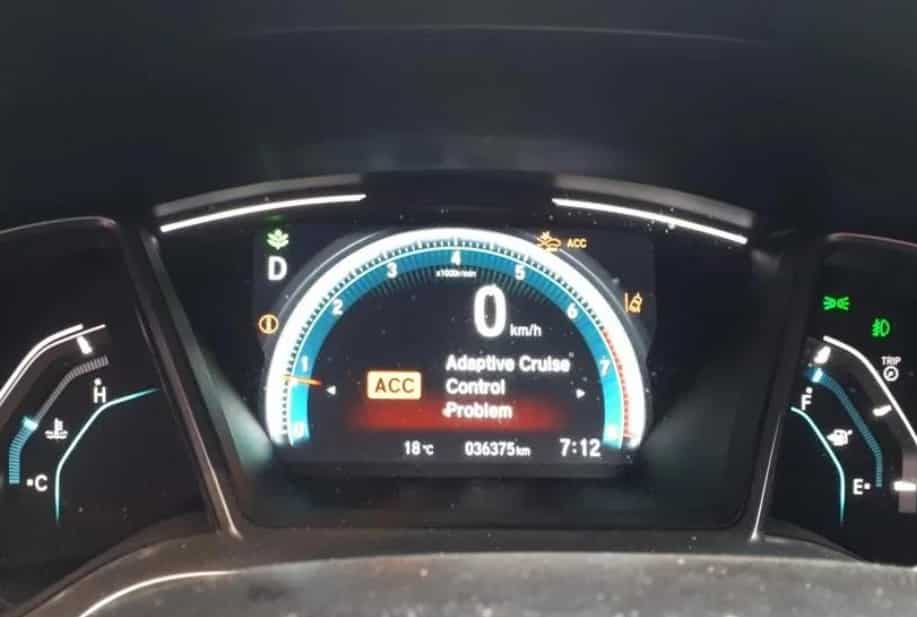
Newer Civic models may display messages such as “Cruise Control System Problem” or “Adaptive Cruise Control Unavailable.” These warnings often appear when the vehicle detects issues with the radar sensor, front camera, or related safety systems.
Understanding these warning signs helps drivers perform better troubleshooting. By identifying when and how the problem appears, owners can provide more accurate information to technicians and reduce unnecessary diagnostic time.
How to Troubleshoot Honda Civic Cruise Control Not Working
Before taking your Honda Civic to a repair shop, you can perform several basic checks to understand why the cruise control system has stopped working. A simple inspection can sometimes identify the problem and help you avoid unnecessary repair costs.
Start by checking the dashboard for warning messages or indicator lights. Messages related to Honda Sensing, Adaptive Cruise Control, or vehicle stability systems can provide important clues. If multiple warning lights appear at the same time, the issue may involve a larger electronic system problem.
Next, check the brake lights. A faulty brake light switch can prevent cruise control from activating because the vehicle may receive a false brake signal. Ask someone to confirm whether the brake lights work correctly when you press the pedal.
You should also inspect the front camera area and radar sensor if your Civic uses Honda Sensing technology. Dirt, snow, or other objects can block these sensors and cause the system to disable cruise control. Cleaning the sensor areas may restore normal operation in some situations.
Check the steering wheel cruise control buttons and make sure they respond correctly. If the buttons feel loose or do not activate the system, the switch assembly may need inspection.
Finally, consider using an OBD II scanner to check for stored error codes. These codes can reveal problems related to sensors, electrical systems, or control modules. If the scan shows advanced issues, a professional technician can perform deeper diagnostics with specialized equipment.
How to Fix Honda Civic Cruise Control Problems
The right repair solution depends on the reason your Honda Civic cruise control stops working. Some problems require simple fixes, while others need professional diagnosis and specialized equipment. Finding the actual cause before replacing parts can help you save time and money.
If a faulty brake light switch causes the problem, replacing the switch can usually restore normal cruise control operation. This repair often takes less time because technicians can quickly identify the incorrect brake signal and replace the damaged component.
Electrical problems may require checking fuses, wiring connections, and battery voltage. A technician may inspect the vehicle’s electrical system to find damaged wires or poor connections that interrupt communication between control modules.
For Civic models equipped with Honda Sensing, sensor related problems need a different approach. Cleaning the radar sensor or front camera area may solve issues caused by dirt or temporary blockage. However, damaged sensors or incorrect calibration may require professional adjustment or replacement.
If the steering wheel cruise control buttons fail, technicians may inspect the switch assembly and replace faulty components. Software communication problems may also require ECU updates or system resets to restore normal operation.
Some advanced failures involve control modules or other electronic components. These repairs usually require diagnostic tools that can communicate with Honda vehicle systems. A proper diagnosis helps ensure that technicians repair the actual problem instead of replacing expensive parts without confirmation.
By matching the repair method to the specific cause, Honda Civic owners can restore cruise control performance while avoiding unnecessary expenses.
Honda Civic Cruise Control Repair Cost and When to See a Mechanic
The cost of fixing a Honda Civic cruise control problem depends on the failed component and the amount of diagnostic work required. Some issues need only a simple repair, while others involve advanced electronic systems that require professional equipment.
Simple problems usually cost less to repair. For example, replacing a blown fuse or fixing a faulty brake light switch often requires minimal labor. Cleaning blocked sensors can also solve some Honda Sensing related problems without replacing any parts.
Medium level repairs may involve steering wheel control switches, wiring repairs, or sensor calibration. These services require more time because technicians need to test the system and confirm the source of the failure. Vehicles with Adaptive Cruise Control may need special calibration tools after certain repairs.
More complex problems can become expensive. A damaged radar sensor, failed control module, or electronic communication issue may require replacement parts and advanced programming. These repairs often need a technician with experience in Honda driver assistance systems.
You should visit a mechanic when basic troubleshooting does not solve the problem or when multiple safety systems stop working together. Warning messages related to Honda Sensing, collision systems, or stability control require proper diagnosis because these features connect with cruise control operation.
You should also seek professional help after a collision, windshield replacement, or sensor damage. These situations can affect camera alignment and radar accuracy.
A correct diagnosis always comes before repair. Spending money on the wrong replacement part can increase costs and delay the solution. Professional testing helps identify the real problem and restores your Honda Civic cruise control safely.
How to Prevent Future Honda Civic Cruise Control Problems
Regular maintenance can help reduce the chance of Honda Civic cruise control problems in the future. Since modern cruise control systems depend on electronic components, sensors, and communication between different modules, small maintenance habits can make a significant difference.
Keep the radar sensor and front camera area clean if your Civic uses Honda Sensing technology. Dirt, dust, heavy rain residue, or other obstructions can affect sensor performance and cause temporary system warnings. Regular cleaning helps the vehicle receive accurate information from these safety components.
Maintaining a healthy battery is also important. Low battery voltage can affect electronic control systems and create communication problems between vehicle modules. Replacing an aging battery before it fails completely can help prevent unexpected electrical issues.
You should also pay attention to dashboard warning lights and unusual vehicle behavior. Problems with the brake system, engine, transmission, or stability control can affect cruise control operation. Addressing these warnings early can prevent larger issues later.
After windshield replacement, front end repairs, or collisions, ask a qualified technician to inspect the camera and sensor alignment. Honda Sensing systems require accurate calibration to work correctly, and incorrect alignment can affect multiple driver assistance features.
Finally, follow the recommended maintenance schedule for your Honda Civic. Regular inspections help identify electrical problems, sensor issues, and software updates before they cause cruise control failures. Preventive care not only improves reliability but also helps maintain the safety features that modern Honda Civic models provide.
Conclusion
A Honda Civic Cruise Control Not Working problem can happen for many different reasons, from simple electrical issues to advanced Honda Sensing system failures. In many cases, the problem does not come from the cruise control system itself. Components such as the brake light switch, steering wheel controls, sensors, battery, and vehicle modules can all affect how the system operates.
The best way to solve cruise control problems starts with accurate diagnosis. Checking warning messages, inspecting brake lights, cleaning sensors, and scanning for error codes can help identify common issues. Simple problems may require only a small repair, while advanced sensor or module failures may need professional service.
Regular maintenance also plays an important role in preventing future problems. Keeping sensors clean, maintaining battery health, and responding quickly to warning signs can help your Honda Civic continue to provide reliable driver assistance features.
Have you experienced a Honda Civic cruise control problem before? Share your Civic model year, symptoms, and dashboard warnings in the comments. Your experience may help other drivers identify similar issues and find the right solution faster.