Whether you’ve just completed an oil change yourself or had it done at a service center, seeing the oil change reminder still displayed on your Jeep Grand Cherokee’s dashboard can be frustrating. Many owners assume something went wrong during the maintenance, but in most cases, the issue is simply that the oil life monitoring system hasn’t been reset. Fortunately, clearing the reminder is usually a quick process that takes only a few minutes and doesn’t require any special tools.
The Jeep Grand Cherokee uses an intelligent oil life monitoring system to estimate when your engine oil needs replacing based on driving conditions, mileage, and engine performance. After every oil service, the system must be manually reset so it can accurately track the next maintenance interval. If you skip this step, the vehicle may continue displaying maintenance reminders or calculate future service intervals incorrectly.
This comprehensive guide explains how to reset the oil change on a Jeep Grand Cherokee for all major model years, including 2011 through the latest models. You’ll find simple, step-by-step instructions for different dashboard and infotainment systems, along with troubleshooting tips if the oil life won’t reset. We’ll also cover common mistakes to avoid, explain why resetting the oil life monitor is important, and answer the most frequently asked questions from Jeep owners.
By the end of this guide, you’ll know exactly how to reset the oil change indicator safely and ensure your Jeep Grand Cherokee’s maintenance schedule stays accurate, helping protect your engine and extend its lifespan.
Why You Should Reset the Oil Change Indicator
Changing the engine oil is only part of the maintenance process. Once fresh oil and a new filter have been installed, the oil life monitoring system should also be reset. This allows your Jeep Grand Cherokee to begin calculating the next service interval from the correct starting point.
The oil change indicator is a maintenance reminder, not a sensor that directly analyzes the color, level, or physical condition of the oil. Instead, the vehicle estimates remaining oil life using operating data such as engine temperature, driving conditions, trip duration, mileage, and engine workload. This is why the reminder does not automatically disappear when the oil is drained and replaced.
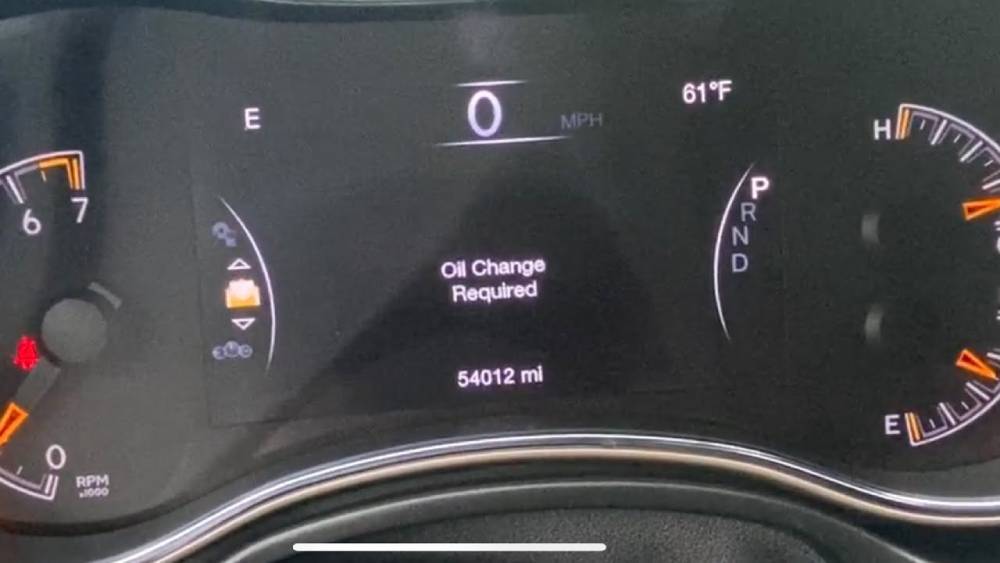
If the system is not reset, the dashboard may continue displaying an “Oil Change Required” message even though the service has already been completed. More importantly, the remaining oil life percentage will no longer match the condition of the new oil. You may receive another reminder too early, or you may lose track of when the next oil change is actually due.
Resetting the oil life monitor also makes routine ownership less stressful. Without an accurate display, you may find yourself wondering whether the warning refers to the previous oil change or a new maintenance issue. This confusion can lead to unnecessary service appointments, repeated resets, or uncertainty about the vehicle’s maintenance history.
However, you should only reset the system after the engine oil and filter have been changed. Resetting the indicator without performing the service does not improve the condition of the oil or protect the engine. It simply tells the vehicle to begin a new monitoring cycle.
For this reason, the correct sequence is simple: complete the oil change, inspect the oil level, check for leaks, reset the oil change indicator, and confirm that the oil life display has returned to 100 percent. Jeep owner guidance also notes that the indicator should be reset after scheduled oil service is completed.
Before You Begin
Before attempting a Jeep Grand Cherokee oil reset, take a few minutes to prepare the vehicle correctly. Most failed reset attempts happen because the ignition is in the wrong position, the engine is running, or the accelerator pedal sequence is completed too quickly.
First, park the Jeep on a stable, level surface and engage the parking brake. The vehicle does not need to be warm, but the engine should be switched off during the reset procedure. If the oil was recently changed, allow a few minutes for the oil to settle before checking the dipstick.
Confirm that the correct amount and type of engine oil were added. The exact specification depends on the model year, engine, and powertrain. A V6, V8, diesel, or plug-in hybrid Grand Cherokee may have different oil requirements. Always verify the specification in the owner’s manual or on the oil filler cap.
Next, inspect the area around the oil filter and drain plug for signs of leakage. A reset should never be used to hide an active warning caused by low oil pressure, low oil level, or another mechanical problem. The routine oil change reminder is different from the red oil pressure warning light. If a red oil can symbol remains illuminated while the engine is running, switch off the engine and investigate the problem immediately.
You should also understand how your ignition system works. On models with a traditional key, turn the key to the ON or RUN position without starting the engine. On models equipped with push-button start, press the ENGINE START/STOP button without pressing the brake pedal. This normally places the ignition in ON or RUN while keeping the engine off. Official Jeep guidance uses this ignition position for the manual oil life reset procedure.
Quick Preparation Checklist
| Check | What to Do |
|---|---|
| Vehicle position | Park on a level surface and apply the parking brake |
| Engine condition | Keep the engine switched off |
| Oil service | Confirm that the oil and filter have been replaced |
| Oil level | Check the dipstick after allowing the oil to settle |
| Leaks | Inspect the drain plug and oil filter area |
| Ignition mode | Select ON or RUN without starting the engine |
| Warning type | Confirm that you are resetting a maintenance reminder, not an oil pressure warning |
| Owner’s manual | Check model-specific instructions when the controls differ |
If the instrument cluster appears dim, restarts unexpectedly, or fails to respond to steering-wheel controls, a weak 12-volt battery may be contributing to the problem. Resolve electrical issues before repeatedly attempting the reset.
Quick Reset Method for Most Jeep Grand Cherokee Models
For many Jeep Grand Cherokee model years, the fastest way to reset the oil change indicator is the accelerator pedal method. It requires no scan tool, mobile application, or special equipment. The complete process usually takes less than one minute.
Step 1: Switch the Ignition to ON or RUN
Do not start the engine.
For a Jeep with a traditional key, insert the key and turn it to the ON or RUN position.
For a Jeep with push-button start, keep your foot away from the brake pedal and press the ENGINE START/STOP button until the ignition reaches ON or RUN.
The dashboard lights should illuminate, but the engine should remain off.
Step 2: Press the Accelerator Pedal Three Times
Slowly press the accelerator pedal all the way to the floor three times within ten seconds.
Allow the pedal to return fully after each press. Avoid pumping it rapidly or stopping halfway down. The vehicle must register three complete pedal movements for the reset command to work.
This three-press method is documented for multiple Jeep and Mopar vehicles, including Grand Cherokee model years that use the traditional oil change indicator reset process.
Step 3: Switch the Ignition Off
After the third pedal press, turn the key to OFF or press the ENGINE START/STOP button once without pressing the brake.
Wait several seconds before restarting the vehicle. This gives the instrument cluster time to store the reset.
Step 4: Start the Engine and Verify the Result
Start the Jeep normally and check the dashboard.
The “Oil Change Required” message should no longer appear. On models that display an oil life percentage, use the steering-wheel controls to open the Vehicle Info or Oil Life screen. The display should show 100 percent or indicate that the reset was successful.
Some newer Grand Cherokee models also provide an instrument-cluster menu reset. The driver can select the Oil Life screen and follow the on-screen prompt to reset it. The exact menu labels may vary by year and trim level.
What to Do If It Does Not Work
Do not assume that the system is defective after one unsuccessful attempt. Repeat the procedure and focus on the following details:
- Make sure the engine remains off.
- Confirm that the ignition is fully in ON or RUN.
- Press the accelerator slowly and completely.
- Complete all three presses within ten seconds.
- Switch the ignition off before checking the result.
- Try the instrument-cluster reset menu if your model provides one.
If the oil life display does not return to 100 percent after several careful attempts, the procedure may differ for your specific model year, instrument cluster, or software version. The next sections provide instructions organized by Jeep Grand Cherokee generation.
Reset Instructions by Model Year
Although the oil life reset procedure is similar across many Jeep Grand Cherokee models, the exact steps can vary depending on the model year and the type of instrument cluster installed. Following the correct procedure for your vehicle ensures the maintenance reminder is cleared successfully.
Jeep Grand Cherokee 2011–2013
The 2011 through 2013 Jeep Grand Cherokee models use one of the simplest reset methods. After completing the oil change, close all doors and make sure the transmission is in Park.
Insert the key into the ignition and turn it to the ON/RUN position without starting the engine. Wait for the instrument cluster to finish its startup sequence. Within ten seconds, fully depress the accelerator pedal three times. Each press should reach the floor and return completely before pressing again.
Turn the ignition to the OFF position and wait approximately ten seconds. Start the engine normally and check the instrument cluster. If the reset was successful, the “Oil Change Required” message should no longer appear. You can also verify the reset by navigating to the Vehicle Information menu if your trim level includes this feature.
If the reminder remains active, repeat the procedure carefully. Most unsuccessful attempts are caused by pressing the accelerator too quickly or not completing all three pedal presses within the required time.
Jeep Grand Cherokee 2014–2021
Beginning with the 2014 model year, many Grand Cherokee vehicles introduced updated Electronic Vehicle Information Center (EVIC) displays and expanded Uconnect functionality. While many trims still support the accelerator pedal method, some models also allow the oil life monitor to be reset directly through the instrument cluster.
Start by switching the ignition to ON/RUN without starting the engine. Use the steering wheel controls to access the Vehicle Info menu on the instrument cluster. Scroll until you find Oil Life or Oil Life Remaining.
If your vehicle displays a reset prompt, press and hold the OK button until the oil life reaches 100 percent. Some models require holding the button for several seconds before the confirmation message appears.
If your vehicle does not offer this menu, perform the traditional accelerator pedal reset. Turn the ignition off afterward, restart the engine, and confirm that the maintenance reminder has disappeared.
Owners should remember that software updates or trim-specific equipment may cause slight differences in menu names. If you cannot locate the Oil Life screen, consult your owner’s manual for the exact navigation sequence applicable to your trim level.
Jeep Grand Cherokee 2022–2025
The redesigned WL generation introduced a fully digital instrument cluster and an updated infotainment system. Although the reset process remains straightforward, most vehicles now perform the procedure through the instrument cluster rather than relying solely on the accelerator pedal.
Turn the ignition on without starting the engine. Using the steering wheel controls, open the Vehicle Information menu on the digital display and locate the Oil Life screen.
Once the oil life percentage is displayed, press and hold the confirmation button as instructed on the screen. After several seconds, the display should reset to 100% Oil Life and confirm that the maintenance reminder has been cleared.
Some trim levels may display slightly different menu titles depending on the software version, including “Vehicle Health,” “Maintenance,” or similar options. Regardless of the wording, the reset process follows the same principle of selecting the Oil Life display and confirming the reset.
If the reset does not complete successfully, cycle the ignition off, wait a few moments, and repeat the process. Should the reminder remain active after several attempts, check for pending software updates or consult a Jeep dealer to verify that no diagnostic trouble codes are preventing the reset.
What to Do If the Oil Change Light Will Not Reset
Occasionally, the oil change reminder may remain on even after following the correct reset procedure. Fortunately, this does not always indicate a mechanical problem. In most cases, the issue can be traced to an incorrect reset sequence, an electrical interruption, or a model-specific procedure.
The most common cause is using the wrong ignition position. The engine must remain off while the ignition is in the ON or RUN position. If the engine is accidentally started before completing the reset, the vehicle will ignore the command.
Another frequent mistake involves the accelerator pedal. The pedal must be pressed completely to the floor three separate times within ten seconds. Partial presses or moving too slowly may prevent the vehicle from recognizing the reset request.
Low battery voltage can also interfere with communication between electronic control modules. If the battery is weak, the instrument cluster may restart unexpectedly or fail to save the reset. Charging or replacing the battery often resolves these symptoms.
If your Jeep is equipped with a digital instrument cluster, verify that you are using the correct menu. Software updates occasionally change menu names or relocate maintenance settings. Installing the latest software version may solve persistent reset problems.
You should also distinguish between the oil change reminder and the oil pressure warning light. Resetting the maintenance reminder will not eliminate a warning caused by low oil pressure, insufficient oil level, or an engine fault. These issues require immediate diagnosis before the vehicle is driven.
In rare situations, stored diagnostic trouble codes may prevent certain maintenance functions from operating correctly. A professional scan tool can identify active faults and determine whether another system is affecting the oil life monitor.
Troubleshooting Guide
| Problem | Possible Cause | Recommended Solution |
|---|---|---|
| Oil reminder remains on | Reset procedure performed incorrectly | Repeat the procedure carefully |
| Oil life does not return to 100% | Incorrect menu selected | Navigate to the Oil Life screen and reset again |
| Accelerator method fails | Pedal not fully depressed three times | Perform three complete pedal presses within ten seconds |
| Dashboard behaves abnormally | Weak 12-volt battery | Test and charge or replace the battery |
| Oil warning light stays on | Low oil pressure or engine issue | Inspect the engine before driving |
| Reset option unavailable | Software version differs | Check for infotainment or instrument cluster updates |
| Reminder returns immediately | Oil service not completed correctly | Verify oil level, oil filter installation, and maintenance records |
Common Mistakes to Avoid
Resetting the oil life monitor is a simple task, but several common mistakes can cause confusion or result in inaccurate maintenance records.
The biggest mistake is resetting the oil life before actually changing the engine oil. Doing so causes the monitoring system to assume fresh oil has been installed even though the old oil remains in the engine. This can lead to extended oil change intervals and increased engine wear over time.
Another common error is confusing the maintenance reminder with the oil pressure warning light. The maintenance reminder is simply a service notification, while the oil pressure warning indicates a potentially serious lubrication problem. If the red oil pressure light appears while the engine is running, stop the vehicle immediately and investigate the cause.
Some owners rush through the accelerator pedal sequence, pressing the pedal too quickly or failing to depress it completely. Taking a few extra seconds to perform each step accurately significantly improves the success rate.
Using the wrong engine oil is another mistake that should be avoided. Always use the oil viscosity and specification recommended for your specific Jeep Grand Cherokee engine. High-quality oil and a genuine or equivalent oil filter help maintain proper lubrication and maximize engine longevity.
Finally, never assume the reset worked without checking the display. After restarting the vehicle, verify that the oil life percentage reads 100 percent or that the “Oil Change Required” message has disappeared. Spending a few moments confirming the result ensures your maintenance schedule remains accurate and prevents unnecessary reminders in the future.
Frequently Asked Questions
Can I reset the oil life without changing the engine oil?
Technically, yes. The oil life monitoring system can be reset at any time using the appropriate procedure. However, doing so is strongly discouraged unless the engine oil and oil filter have actually been replaced.
The oil life monitor is designed to estimate when your next oil service is due. Resetting it without performing maintenance causes the system to assume fresh oil has been installed, resulting in inaccurate service intervals. Over time, this can lead to overdue oil changes, reduced engine protection, increased wear, and potentially costly repairs.
For the best engine performance and long-term reliability, always complete the oil change before resetting the maintenance reminder.
Why is my oil change light still on after I reset it?
If the oil change reminder remains on, the reset procedure may not have been completed correctly.
Common causes include:
- The ignition was not in the ON or RUN position.
- The engine was accidentally started.
- The accelerator pedal was not fully pressed three times.
- The reset was not completed within the required time.
- The vehicle requires the instrument cluster menu method instead of the accelerator pedal method.
- A software issue or diagnostic trouble code is preventing the reset.
Repeat the procedure carefully while following the instructions for your specific model year.
Does disconnecting the battery reset the oil life monitor?
No. Disconnecting the battery does not normally reset the oil life monitoring system on modern Jeep Grand Cherokee models.
The maintenance data is stored in the vehicle’s electronic control modules rather than relying solely on battery power. Although disconnecting the battery may reset certain temporary settings, it should never be used as a substitute for the proper oil life reset procedure.
How often should I change the oil in my Jeep Grand Cherokee?
The recommended oil change interval depends on your model year, engine, driving habits, and the type of oil being used.
Under normal driving conditions, many Jeep Grand Cherokee models using full synthetic oil can travel between 7,500 and 10,000 miles before requiring an oil change. However, vehicles that frequently tow heavy loads, operate in dusty environments, make repeated short trips, or experience extreme temperatures may require more frequent service.
Instead of relying only on mileage, monitor the oil life percentage displayed by your vehicle and follow the maintenance schedule provided in your owner’s manual.
Can I drive when the oil life reads 0 percent?
A reading of 0 percent means the oil has reached the end of its calculated service life. While the engine may continue to operate, you should schedule an oil change as soon as possible.
Driving for an extended period after reaching 0 percent can reduce lubrication performance, increase engine wear, and shorten the life of critical engine components.
Do I need a scan tool to reset the oil change reminder?
In most cases, no.
The majority of Jeep Grand Cherokee models allow the oil life monitor to be reset using either the accelerator pedal procedure or the instrument cluster menu. A professional scan tool is generally only required if an electronic fault prevents the reset or if additional diagnostic work is needed.
Is the reset procedure the same for every Jeep Grand Cherokee?
No.
Although many model years share similar reset procedures, Jeep has updated the instrument cluster and infotainment system several times throughout the Grand Cherokee’s production history.
Older models typically use the accelerator pedal method, while newer vehicles equipped with digital displays often provide an on-screen reset option through the Vehicle Information menu.
Always follow the procedure designed for your specific model year.
Will resetting the oil life affect my vehicle warranty?
No.
Resetting the oil life monitor after completing a scheduled oil change is a normal maintenance procedure and will not affect your factory warranty.
What matters is that maintenance is performed at the recommended intervals using the correct oil specification and that service records are retained if warranty documentation is ever required.
What is the difference between the oil life monitor and the oil pressure warning light?
These two indicators serve completely different purposes.
The oil life monitor is a maintenance reminder that estimates when an oil change should be performed based on operating conditions and driving habits.
The oil pressure warning light, usually displayed as a red oil can symbol, indicates that the engine may not have sufficient oil pressure. This warning requires immediate attention because continued driving can cause severe engine damage.
Never attempt to clear an oil pressure warning by resetting the oil life monitor.
What should I do if the oil change reminder comes back shortly after resetting it?
If the reminder returns soon after a successful reset, first verify that the oil life actually reset to 100 percent. If it did not, repeat the procedure.
If the reset was successful but the reminder reappears unusually quickly, inspect the engine oil level, confirm that the correct oil was installed, and check for software updates or diagnostic trouble codes. If the problem persists, have the vehicle inspected by a qualified technician to rule out electronic or mechanical issues.
Final Thoughts
Knowing how to reset the oil change on a Jeep Grand Cherokee is an important part of routine vehicle maintenance. While replacing the engine oil and filter protects your engine, resetting the oil life monitoring system ensures your vehicle can accurately calculate the next service interval.
Whether you own an older Grand Cherokee that uses the accelerator pedal method or a newer model equipped with a digital instrument cluster, the reset process is usually quick and requires no specialized tools. By following the correct procedure for your specific model year, you can eliminate unnecessary maintenance reminders and keep your service records accurate.
Remember that resetting the oil life monitor should always be the final step after completing an oil change. It should never be used to postpone maintenance or hide overdue service. Regular oil changes, using the manufacturer-recommended engine oil, and following Jeep’s maintenance schedule are among the most effective ways to maximize engine performance and extend the lifespan of your vehicle.
If you’ve followed the instructions in this guide and are still having trouble resetting the oil change indicator, leave a comment with your Jeep Grand Cherokee model year, engine type, and trim level. The reset procedure can vary slightly between generations, and providing those details will make it easier to identify the correct solution for your vehicle.