The 5.7 HEMI MDS delete is one of the most common modifications performed by owners who prioritize long-term engine reliability or plan to upgrade their valvetrain. The factory Multi-Displacement System (MDS) improves fuel economy by shutting down four of the engine’s eight cylinders during light-load driving. While this technology reduces fuel consumption, many owners associate it with concerns about MDS lifter wear, camshaft damage, and the well-known HEMI tick, especially on high-mileage engines or vehicles used for towing and performance driving. These concerns have led many enthusiasts to consider permanently removing the MDS system rather than simply disabling it through engine tuning.
A complete MDS delete is more than a software adjustment. It typically involves replacing MDS-specific valvetrain components with non-MDS parts, updating the engine calibration, and, in many cases, installing a new camshaft and lifters. Because the modification requires significant mechanical work, understanding its advantages, limitations, and long-term implications is essential before making a decision.
This guide explains what a 5.7 HEMI MDS delete is, how the MDS system works, why owners choose to remove it, the parts and costs involved, and whether the modification is worthwhile for different driving needs. By the end of the article, you’ll have a clear understanding of whether an MDS delete is the right solution for your HEMI-powered vehicle.
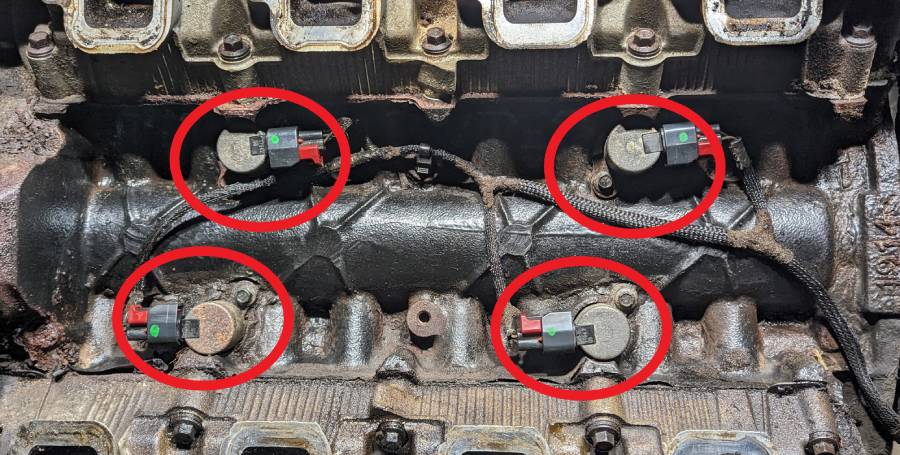
What Is a 5.7 HEMI MDS Delete?
What Is the Multi-Displacement System (MDS)?
The Multi-Displacement System (MDS) is Chrysler’s cylinder deactivation technology that improves fuel economy by temporarily shutting down four cylinders during light-load driving. It is available on many vehicles equipped with the 5.7L HEMI V8, including the Ram 1500, Dodge Charger, Dodge Challenger, Chrysler 300, and Jeep Grand Cherokee. When engine load is low—such as during highway cruising or steady-speed driving—the system transitions from eight-cylinder operation to four-cylinder operation to reduce fuel consumption.
MDS achieves this by using electronically controlled solenoids to redirect engine oil pressure to specialized MDS lifters. These lifters collapse on command, preventing specific intake and exhaust valves from opening while the engine control module simultaneously disables fuel injection and ignition for the selected cylinders. When additional power is required, the system restores normal valve operation within milliseconds, allowing all eight cylinders to resume operation with minimal interruption to the driver.
The primary objective of MDS is to balance V8 performance with improved fuel efficiency. Under ideal driving conditions, the system can reduce fuel consumption without changing the engine’s displacement or affecting maximum horsepower when all cylinders are active.
How Does MDS Work on a 5.7 HEMI Engine?
The MDS system combines hydraulic components, electronic controls, and engine calibration to deactivate four cylinders automatically. Unlike a simple software feature, MDS relies on several mechanical parts working together to switch between V8 and V4 operation.
The process begins when the Powertrain Control Module (PCM) detects conditions suitable for cylinder deactivation, including stable engine speed, low throttle input, sufficient oil pressure, and light engine load. The PCM then activates the MDS solenoids, allowing pressurized engine oil to collapse the MDS lifters on designated cylinders. Once the valves stop opening, fuel injection and spark are disabled for those cylinders, reducing pumping losses and improving efficiency.
Because oil pressure is essential to MDS operation, lubrication quality and regular oil changes play an important role in system performance. Contaminated oil, restricted oil passages, or insufficient oil pressure may affect the operation of the MDS lifters and contribute to valvetrain wear over time.
What Does an MDS Delete Change?
A 5.7 HEMI MDS delete permanently removes the engine’s ability to deactivate cylinders by replacing MDS-specific components with conventional valvetrain parts and updating the engine calibration. Unlike disabling MDS through a handheld tuner, a complete delete eliminates the mechanical components responsible for cylinder deactivation.
A full MDS delete typically includes replacing the MDS lifters with non-MDS lifters, installing a compatible non-MDS camshaft, updating related valvetrain components such as pushrods or valve springs when required, and recalibrating the PCM so it no longer attempts to activate the MDS system. Many owners perform the modification during a camshaft upgrade because much of the labor overlaps, reducing the cost of completing both jobs simultaneously.
Once completed, the engine operates as a conventional V8 under all driving conditions. The cylinder deactivation feature is permanently removed, eliminating transitions between four-cylinder and eight-cylinder operation while maintaining consistent valvetrain behavior.
Why Do Owners Delete the MDS System?
Does MDS Contribute to Lifter Failure?
Many owners perform an MDS delete because they want to reduce the risk of failures involving MDS lifters and camshaft wear. While not every 5.7 HEMI equipped with MDS experiences these problems, lifter failure is one of the most frequently discussed reliability concerns among HEMI owners.
MDS lifters contain additional internal mechanisms that allow them to collapse during cylinder deactivation. This design is more complex than a conventional hydraulic lifter and depends on consistent oil pressure, proper lubrication, and precise mechanical operation. If an MDS lifter sticks, collapses incorrectly, or fails to rotate as intended, it can increase contact between the lifter and the camshaft lobe. Continued operation under these conditions may accelerate camshaft wear and eventually produce engine performance issues.
Common symptoms associated with lifter or camshaft wear include a persistent ticking noise, engine misfires, rough idle, reduced power, and diagnostic trouble codes related to valve train performance. Because replacing damaged lifters often requires significant engine disassembly, many owners choose a complete MDS delete when repairing a failed valvetrain to minimize the chance of repeating the same repair in the future.
Can an MDS Delete Improve Engine Reliability?
A complete MDS delete can improve long-term reliability by simplifying the valve train and removing MDS-specific components, but it is not a guaranteed solution for every engine problem. The modification eliminates the hydraulic lifters and control hardware required for cylinder deactivation, reducing the number of moving parts involved in the system.
For vehicles used for towing, performance driving, or high-mileage operation, maintaining constant eight-cylinder operation also removes the repeated activation and deactivation cycles of the MDS system. Many enthusiasts consider this a worthwhile trade-off because mechanical simplicity generally makes future maintenance easier and reduces dependence on specialized MDS components.
However, an MDS delete does not prevent failures caused by poor lubrication, neglected maintenance, contaminated oil, or general engine wear. Regular oil changes using the manufacturer-recommended oil specification, maintaining proper oil pressure, and replacing worn components remain essential for maximizing engine life after the modification.
Does Deleting MDS Improve Throttle Response?
Many drivers report more consistent throttle response after an MDS delete because the engine no longer switches between four-cylinder and eight-cylinder operation. With MDS removed, power delivery remains uniform regardless of driving conditions, eliminating the brief transition that occurs when the factory system reactivates all cylinders during acceleration.
This improvement is especially noticeable during towing, spirited driving, or frequent changes in throttle position, where maintaining continuous V8 operation produces a more predictable driving experience. The engine also delivers a constant exhaust note because cylinder deactivation no longer alters combustion events during highway cruising.
Although an MDS delete can improve driving feel, it does not produce a significant horsepower increase on its own. Most measurable performance gains occur only when the modification is combined with supporting upgrades such as a performance camshaft, revised engine tuning, improved intake components, or a less restrictive exhaust system.
What Are the Pros and Cons of a 5.7 HEMI MDS Delete?
What Are the Main Advantages?
A complete 5.7 HEMI MDS delete offers four primary benefits: improved valvetrain simplicity, more consistent engine performance, greater compatibility with performance upgrades, and the potential for better long-term reliability. These advantages make the modification particularly attractive to owners who plan to keep their vehicles for many years or use them for towing, off-roading, or high-performance driving.
The first advantage is a simplified valvetrain. Removing the MDS system replaces the specialized collapsible lifters with conventional hydraulic lifters that contain fewer moving parts. A simpler mechanical design reduces the number of components that must operate precisely under changing oil pressure, making the valvetrain easier to maintain during future repairs or engine rebuilds.
The second advantage is consistent engine operation. With the cylinder deactivation system removed, the engine remains in V8 mode under every driving condition. Drivers no longer experience transitions between four-cylinder and eight-cylinder operation, resulting in smoother throttle response, more predictable acceleration, and a consistent exhaust tone.
The third advantage is better compatibility with aftermarket performance components. Many performance camshafts are designed specifically for non-MDS engines, making an MDS delete a necessary step before installing aggressive cam profiles. This modification also creates a stronger foundation for future upgrades such as CNC-ported cylinder heads, long-tube headers, upgraded intake manifolds, and custom ECU tuning.
The fourth advantage is reduced concern about MDS-related component failures. Although removing MDS does not eliminate every possible engine problem, it permanently removes the hydraulic cylinder deactivation mechanism that many enthusiasts identify as a potential source of lifter and camshaft failures. Owners rebuilding an engine after a damaged camshaft often choose a complete MDS delete because the additional labor required is relatively small compared with reopening the engine later.
What Are the Disadvantages?
A 5.7 HEMI MDS delete also has several disadvantages, including higher fuel consumption, significant installation costs, increased mechanical complexity during the conversion, and possible emissions or warranty implications. These factors should be evaluated before deciding whether the modification aligns with the vehicle’s intended use.
The most noticeable drawback is reduced fuel economy. Because all eight cylinders remain active at all times, the engine consumes more fuel during highway cruising and other low-load conditions where the factory MDS system would normally deactivate four cylinders. The exact difference varies depending on driving style, vehicle weight, tire size, axle ratio, and terrain, but owners should generally expect lower highway efficiency after a complete mechanical delete.
Installation cost is another important consideration. A complete MDS delete requires opening the engine to replace internal components, making labor significantly more expensive than simply disabling MDS through tuning. If additional wear is discovered during disassembly, such as damaged camshaft lobes or worn bearings, repair costs may increase further.
Owners should also consider legal and warranty implications. Modifying emissions-related systems or altering factory engine calibration may violate local regulations in some jurisdictions. Vehicles that remain under manufacturer warranty may also lose coverage for engine-related components if failures are determined to be associated with aftermarket modifications. Before beginning the conversion, owners should verify local emissions requirements and understand how the modification could affect future warranty claims.
How Does MDS Delete Affect Fuel Economy?
Removing the MDS system generally decreases fuel economy because the engine no longer switches to four-cylinder operation during light-load driving. The factory system was specifically developed to reduce pumping losses and lower fuel consumption while maintaining V8 performance when additional power is required.
The greatest reduction in efficiency typically occurs during steady highway cruising, where MDS remains active for extended periods. In contrast, drivers who frequently tow trailers, haul heavy loads, drive in mountainous terrain, or spend most of their time in urban traffic may notice a smaller difference because the MDS system is naturally inactive under higher engine loads.
For many enthusiasts, this trade-off is acceptable because reliability, performance consistency, and future upgrade potential outweigh the loss of fuel savings. However, drivers who prioritize daily commuting and maximum fuel efficiency may benefit more from retaining the factory MDS system if it continues to operate correctly.
What Parts Are Required for a Complete MDS Delete?
Which Components Must Be Replaced?
A complete 5.7 HEMI MDS delete requires replacing the mechanical components that enable cylinder deactivation with conventional non-MDS valvetrain parts. The exact parts list varies depending on engine generation and upgrade goals, but several components are considered essential for a proper conversion.
The most important replacements are non-MDS hydraulic lifters and a non-MDS camshaft. These components eliminate the hydraulic collapse mechanism used by the factory MDS system and ensure proper valve operation after the engine is recalibrated.
Many installers also replace additional wear items while the engine is disassembled, including lifter trays, pushrods, valve springs, timing components, camshaft bolts, head gaskets, intake manifold gaskets, exhaust manifold gaskets, valve cover gaskets, and fresh engine fluids. Replacing these components during the same repair reduces the likelihood of future labor-intensive maintenance.
If the engine already exhibits symptoms such as a persistent HEMI tick, metal contamination in the oil, or camshaft scoring, technicians often inspect rocker arms, bearings, oil pump condition, and other valvetrain components before completing the installation. Addressing worn parts during the initial repair helps prevent secondary failures after the new components are installed.
What Tuning Changes Are Required?
Engine calibration is required after a complete MDS delete because the Powertrain Control Module must no longer attempt to activate the factory cylinder deactivation system. Without proper tuning, the PCM may continue commanding MDS operation even though the necessary hardware has been removed, resulting in diagnostic trouble codes or improper engine operation.
Most professional installations include updated ECU calibration using platforms such as HP Tuners or other compatible tuning software. During this process, technicians disable MDS functions, optimize ignition timing and fuel delivery when appropriate, and adjust engine parameters to match the new mechanical configuration.
Vehicles equipped with aftermarket camshafts typically require additional tuning beyond disabling MDS. Idle speed, airflow modeling, variable valve timing parameters, and transmission behavior may also need adjustment to achieve smooth drivability and reliable performance.
Which Aftermarket Kits Are Commonly Used?
Most owners purchase a complete MDS delete kit because it simplifies parts selection and ensures compatibility between major valvetrain components. Rather than sourcing each component individually, comprehensive kits include the essential hardware required for the conversion while reducing the risk of mismatched parts.
Many aftermarket manufacturers offer kits designed for different performance goals. Some packages focus on restoring long-term reliability with OEM-style non-MDS components, while others include upgraded camshafts intended to increase horsepower and torque when combined with supporting modifications. Higher-performance packages may also include valve springs, hardened pushrods, timing sets, and tuning recommendations to support more aggressive engine builds.
When selecting a kit, owners should evaluate compatibility with the vehicle’s model year, intended use, existing modifications, emissions requirements, and future performance plans. Choosing components that match long-term objectives helps avoid replacing major engine parts multiple times as additional upgrades are added later.
How Do You Perform a 5.7 HEMI MDS Delete?
What Are the Main Installation Steps?
A complete 5.7 HEMI MDS delete involves removing the factory cylinder deactivation components, installing non-MDS valvetrain parts, and recalibrating the engine control module. Because the procedure requires substantial engine disassembly, it is typically performed during a camshaft replacement or when repairing lifter failure.
A standard installation generally includes the following steps:
- Disconnect the battery and drain the engine fluids.
- Remove the intake manifold, valve covers, front timing cover, timing components, and cylinder heads.
- Remove the factory MDS lifters, lifter trays, and MDS camshaft.
- Inspect the camshaft bearings, oil passages, pushrods, rocker arms, and other valvetrain components for wear.
- Install a compatible non-MDS camshaft, non-MDS lifters, and new lifter trays.
- Replace supporting components such as valve springs, timing chain, oil pump, or pushrods if necessary.
- Reassemble the engine using new gaskets and torque all fasteners according to manufacturer specifications.
- Reprogram the PCM to disable MDS functions and optimize engine calibration.
- Prime the lubrication system, refill engine fluids, and perform startup inspections.
After installation, technicians usually verify oil pressure, monitor engine operating temperatures, scan for diagnostic trouble codes, and perform a road test to confirm proper engine operation.
Can You Disable MDS with Tuning Only?
Yes, MDS can be disabled through engine tuning without replacing any mechanical components, but this is not the same as a complete MDS delete. Tuning prevents the PCM from activating cylinder deactivation, allowing the engine to operate as a full-time V8 while retaining all factory MDS hardware.
This approach is less expensive because the engine remains unopened, making it a popular option for owners who dislike the transition between four-cylinder and eight-cylinder operation or who have installed mild performance modifications.
However, tuning alone does not remove the specialized MDS lifters, solenoids, or other cylinder deactivation hardware. If the primary concern is long-term lifter reliability or repairing an existing valvetrain failure, a software-only solution does not eliminate the mechanical components associated with the MDS system.
When Is a Full Mechanical Delete Necessary?
A complete mechanical MDS delete is recommended when internal engine repairs already require major disassembly or when owners plan significant performance upgrades. Since accessing the camshaft and lifters involves removing many of the same engine components, combining repairs and upgrades minimizes duplicate labor costs.
A full delete is commonly performed under the following conditions:
- MDS lifter failure has damaged the camshaft.
- The engine is receiving a performance camshaft upgrade.
- The vehicle is being rebuilt for long-term ownership.
- The owner wants to eliminate all MDS hardware permanently.
- The engine is frequently used for towing, racing, or heavy-duty applications.
In contrast, owners with a healthy engine who simply want to prevent cylinder deactivation may find that software tuning provides an acceptable balance between cost and functionality.
How Much Does a 5.7 HEMI MDS Delete Cost?
How Much Do Parts Cost?
Parts for a complete 5.7 HEMI MDS delete typically range from approximately $600 to more than $2,000, depending on component quality and the scope of the upgrade. Basic conversion packages generally include non-MDS lifters, a compatible camshaft, lifter trays, and the hardware required to eliminate cylinder deactivation.
Higher-end kits often include additional performance components such as upgraded valve springs, hardened pushrods, timing sets, premium gaskets, head bolts, and installation hardware. Owners who combine the delete with cylinder head upgrades or aftermarket intake systems should expect higher overall parts costs.
Selecting higher-quality components may increase the initial investment, but premium lifters and camshafts are often preferred for vehicles intended for long-term ownership or demanding driving conditions.
How Much Does Professional Installation Cost?
Professional installation usually costs more than the parts themselves because the procedure requires extensive engine disassembly. Labor charges vary according to local shop rates, vehicle configuration, and whether additional repairs are required after the engine is opened.
A straightforward installation on a healthy engine generally requires many hours of labor. If technicians discover camshaft damage, worn rocker arms, contaminated oil passages, or additional valvetrain wear, both labor time and replacement parts can increase significantly.
Many owners choose to perform an MDS delete while replacing a failed camshaft because much of the labor has already been completed during the repair process, making the additional cost relatively small compared with scheduling another engine teardown later.
Which Factors Affect the Total Cost?
Five primary factors determine the total cost of a 5.7 HEMI MDS delete.
The first factor is parts selection. OEM-style replacement components generally cost less than complete performance packages that include upgraded camshafts and supporting valvetrain hardware.
The second factor is engine condition. Engines with existing camshaft or lifter damage often require additional replacement parts before reassembly.
The third factor is labor rates. Hourly shop rates vary considerably depending on geographic location and the experience of the repair facility.
The fourth factor is supporting modifications. Additional upgrades such as long-tube headers, performance cylinder heads, or aftermarket intake manifolds increase both parts and tuning costs.
The fifth factor is custom ECU calibration. Engines equipped with aftermarket camshafts or extensive performance modifications usually require more comprehensive dyno tuning than vehicles receiving a basic MDS delete.
Is a 5.7 HEMI MDS Delete Worth It?
Who Should Consider an MDS Delete?
A complete MDS delete is most beneficial for owners who prioritize reliability, plan extensive engine upgrades, or regularly operate their vehicles under demanding conditions. These drivers typically value mechanical simplicity and consistent engine performance more than maximum fuel economy.
An MDS delete is often a suitable choice for:
- Owners repairing failed MDS lifters or damaged camshafts.
- Performance enthusiasts installing aftermarket camshafts.
- Vehicles used for frequent towing or hauling.
- High-mileage trucks expected to remain in service for many years.
- Drivers who prefer constant V8 operation without cylinder deactivation.
For these applications, removing the factory MDS system can simplify future maintenance while creating a stronger foundation for additional performance modifications.
Who Should Keep the Factory MDS System?
Keeping the factory MDS system is generally the better option for owners whose engines are operating properly and whose primary goal is fuel efficiency. Modern MDS systems function reliably in many vehicles when maintained according to the manufacturer’s service schedule.
Owners may benefit from retaining MDS if they:
- Primarily drive on highways.
- Want to maximize fuel economy.
- Have no symptoms of lifter or camshaft wear.
- Intend to keep the vehicle completely stock.
- Prefer to maintain factory warranty coverage whenever applicable.
In these situations, routine maintenance and high-quality engine oil are often more valuable than performing an unnecessary mechanical conversion.
Which Option Offers the Best Long-Term Value?
The best solution depends on the vehicle’s condition, driving habits, and future modification plans. There is no universal answer because different owners prioritize reliability, fuel economy, performance, and maintenance costs differently.
A healthy daily-driven vehicle that spends most of its time commuting may benefit from retaining the factory MDS system. Conversely, an engine already undergoing major valvetrain repairs often represents an ideal opportunity to complete an MDS delete because much of the required labor overlaps with the existing repair.
Owners planning significant performance upgrades should also evaluate whether completing the MDS delete during the initial build will reduce future labor expenses and simplify later modifications.
Frequently Asked Questions About 5.7 HEMI MDS Delete
Will an MDS Delete Increase Horsepower?
An MDS delete alone produces little or no measurable horsepower increase. The modification primarily improves reliability and removes cylinder deactivation hardware rather than increasing airflow or combustion efficiency.
Meaningful power gains usually occur when an MDS delete is combined with supporting modifications such as a performance camshaft, cylinder head upgrades, intake improvements, long-tube headers, and custom ECU tuning.
Can an MDS Delete Eliminate HEMI Tick?
An MDS delete may eliminate HEMI tick if the noise is caused by worn MDS lifters or related valvetrain components that are replaced during the conversion. However, HEMI tick has multiple possible causes, including exhaust manifold leaks, worn rocker arms, injector noise, or general engine wear.
Accurate diagnosis is essential before assuming that an MDS delete will resolve every ticking noise. Identifying the source of the sound helps prevent unnecessary repairs and ensures the correct components are replaced.
Does an MDS Delete Affect Emissions or Vehicle Inspections?
An MDS delete may affect emissions compliance depending on local regulations. Although cylinder deactivation itself is not the same as an emissions control device, modifying factory engine calibration or installing aftermarket performance components may influence inspection requirements in some regions.
Owners should verify local emissions laws before beginning the conversion, especially if the vehicle must undergo periodic inspections or retains manufacturer emissions warranty coverage.
Can You Reinstall the MDS System Later?
Yes, the MDS system can technically be reinstalled, but reversing a complete mechanical delete is usually expensive and labor-intensive. Restoring the factory configuration requires reinstalling MDS lifters, an MDS-compatible camshaft, related hardware, and the original engine calibration.
Because reversing the modification involves nearly the same amount of labor as the original installation, most owners who choose a complete MDS delete intend to keep the engine in its non-MDS configuration permanently.