The 3.6 Pentastar engine is a popular V6 engine used in many Chrysler, Dodge, Jeep, and Ram vehicles. It delivers strong power, smooth driving performance, and reasonable fuel efficiency. However, some owners report several recurring issues with this engine.
The most common 3.6 Pentastar engine problems include cylinder head failures, rocker arm wear, ticking noises, oil leaks, and cooling system issues. These problems do not appear in every engine. However, drivers should understand the warning signs before they face expensive repairs.
This guide explains the main problems that affect the 3.6 Pentastar V6 engine. It covers the symptoms, causes, repair options, and maintenance steps that help prevent serious damage. The article also examines engine reliability, expected lifespan, and the vehicles that use this engine platform.
Understanding these problems helps owners make better decisions. Drivers can identify early symptoms, plan repairs, and evaluate whether a vehicle with a 3.6 Pentastar engine fits their needs.
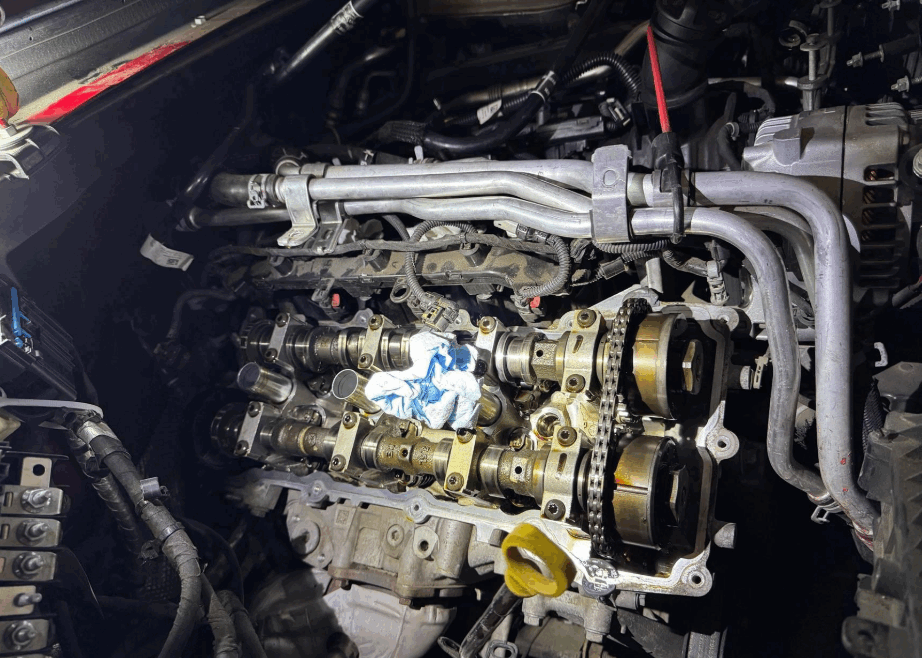
What Are the Most Common 3.6 Pentastar Engine Problems?
The 3.6 Pentastar engine has several known problems that affect specific components rather than the entire engine design. The most common issues involve cylinder heads, rocker arms, oil filter housings, and cooling system components. These failures usually develop because of component wear, design limitations, heat exposure, or delayed maintenance.
One of the most serious problems involves cylinder head failure. Early versions of the 3.6 Pentastar engine experienced valve seat issues that could cause compression loss and engine misfires. When a valve seat moves out of position, the cylinder cannot seal properly during combustion. This condition reduces engine performance and often triggers a check engine light. Some affected engines may show rough idling, poor acceleration, or repeated misfire codes.
Rocker arm and camshaft problems represent another common issue. The rocker arm controls the movement between the camshaft and engine valves. When the rocker arm wears or fails, drivers often notice a ticking noise from the top of the engine. If the problem continues without repair, the damaged rocker arm can affect the camshaft surface and create a more expensive repair.
Oil leaks also appear frequently in some 3.6 Pentastar engines. The oil filter housing and oil cooler assembly use plastic components that may crack after repeated heat cycles. A damaged housing can leak oil onto other engine parts and reduce the engine oil level. Low oil levels increase friction and accelerate wear on internal engine components.
Cooling system problems create another risk for long term reliability. A failing thermostat, water pump, or coolant leak can increase engine temperature and lead to overheating. Regular inspections help owners identify these issues before they cause major engine damage.
What Are the Symptoms of 3.6 Pentastar Engine Problems?
The 3.6 Pentastar engine usually shows warning signs before a major failure occurs. Drivers who recognize these symptoms early can reduce repair costs and prevent additional damage. The most common warning signs include unusual engine noises, misfires, oil leaks, overheating, and reduced performance.
A ticking noise from the engine is one of the most reported symptoms of 3.6 Pentastar problems. This sound often comes from the valve train area and may indicate rocker arm wear or camshaft damage. A healthy engine produces normal operating sounds, but a persistent ticking noise that increases with engine speed requires inspection. Ignoring this symptom can allow a small valve train issue to damage more expensive components.
Engine misfires are another important warning sign. A failing cylinder head, damaged rocker arm, or worn camshaft can interrupt proper combustion inside the cylinder. Drivers may notice rough idling, shaking during acceleration, reduced power, or a flashing check engine light. Diagnostic trouble codes can help mechanics identify the affected cylinder and determine the correct repair approach.
Oil related symptoms also indicate potential Pentastar engine problems. Drivers may notice oil spots under the vehicle, a burning oil smell, or a lower oil level between oil changes. These signs often point to leaks from the oil filter housing or oil cooler assembly. Addressing oil leaks quickly helps protect internal engine parts from excessive friction.
Cooling system symptoms require immediate attention because overheating can create severe engine damage. Common signs include rising temperature readings, coolant loss, steam from the engine bay, or warning lights on the dashboard. A cooling problem can start with a small component failure, but delayed repairs may lead to expensive engine repairs.
Why Does the 3.6 Pentastar Engine Develop These Problems?
The 3.6 Pentastar engine develops problems because of a combination of design factors, operating conditions, and maintenance practices. The engine itself has a strong reputation for durability, but certain components experience higher stress than others. Understanding these causes helps owners prevent failures and maintain long term engine performance.
One major factor involves component design and material stress. The valve train system contains several moving parts that operate thousands of times per minute. Rocker arms, camshafts, and related components experience constant friction and heat exposure during normal driving. Over time, insufficient lubrication or component wear can reduce their operating efficiency and create abnormal engine noises.
Heat management also affects Pentastar engine reliability. The engine produces significant heat during operation, especially under heavy loads such as towing, off road driving, or high temperature conditions. Cooling system components must maintain stable engine temperatures to prevent damage. A failing thermostat, water pump, or coolant leak can increase thermal stress and accelerate component wear.
Maintenance history plays an important role in preventing 3.6 Pentastar engine problems. Regular oil changes protect internal components by maintaining proper lubrication. Delayed oil changes allow contaminants to build up and increase friction inside the engine. Cooling system inspections, early diagnosis of unusual noises, and timely repairs also reduce the risk of major failures.
Manufacturing improvements have changed some Pentastar engine characteristics over different production years. Chrysler updated several components during the engine’s production cycle to improve reliability. As a result, the condition of a specific engine depends on its model year, maintenance record, and previous repairs.
How Much Does It Cost to Repair 3.6 Pentastar Engine Problems?
The repair cost for 3.6 Pentastar engine problems depends on the failed component, labor complexity, vehicle model, and the amount of damage. Small repairs usually cost less than major internal engine repairs. Early diagnosis helps owners fix problems before they affect additional engine components.
Cylinder head repairs are among the most expensive repairs because they require significant labor. A damaged cylinder head may require inspection, rebuilding, or replacement depending on the severity of the failure. Mechanics may also need to replace related components if the failure causes poor compression or repeated misfires. Repair costs increase when owners continue driving with severe symptoms.
Rocker arm and camshaft repairs also vary in cost. Replacing a worn rocker arm requires access to the valve train area, which increases labor time. If the damaged rocker arm affects the camshaft, the repair becomes more complex because the mechanic must inspect and replace additional components. Addressing ticking noises early can prevent a smaller repair from becoming a larger engine repair.
Oil filter housing replacement is another common repair for the 3.6 Pentastar engine. The part itself may not be expensive, but its location creates additional labor costs. Technicians often need to remove surrounding components to access the housing. Replacing a leaking oil filter housing prevents oil loss and protects other engine parts from contamination.
Cooling system repairs usually cost less when owners identify the problem early. Thermostat replacement, coolant leak repairs, or water pump replacement can restore proper engine temperature control. However, ignoring overheating symptoms may damage the cylinder head or other internal components, leading to much higher repair expenses.
Owners should focus on accurate diagnosis rather than replacing parts based only on symptoms. A proper inspection identifies the failed component and prevents unnecessary repairs. Regular maintenance and early attention to warning signs remain the most effective ways to control 3.6 Pentastar engine repair costs.
Is the 3.6 Pentastar Engine Reliable?
The 3.6 Pentastar engine is generally considered a reliable V6 engine when owners maintain it properly. Chrysler designed this engine for a wide range of vehicles, including Jeep, Dodge, Chrysler, and Ram models. Its long production history shows that the engine can provide consistent performance, but owners should understand its known weaknesses.
One of the main strengths of the 3.6 Pentastar engine is its balanced performance. The engine provides strong horsepower, smooth operation, and practical fuel efficiency for daily driving. Many vehicles equipped with this engine have reached high mileage with regular maintenance. Proper oil changes, cooling system care, and early repairs play a major role in long term reliability.
However, reliability depends on the condition of individual engines. Some early production versions experienced issues with cylinder heads, valve train components, and oil filter housings. These problems do not mean every Pentastar engine will fail, but they represent areas that owners and buyers should inspect carefully.
The maintenance history of a vehicle often matters more than the engine model itself. A well maintained 3.6 Pentastar engine with regular service records can provide dependable performance for many years. A neglected engine with delayed oil changes or ignored warning signs has a higher risk of expensive repairs.
For used vehicle buyers, the 3.6 Pentastar remains a reasonable choice when they verify service records and inspect common problem areas. Checking for engine noise, oil leaks, overheating signs, and previous repair history helps buyers avoid vehicles with hidden mechanical problems.
How Long Does a 3.6 Pentastar Engine Last?
The 3.6 Pentastar engine can last a long time when owners follow proper maintenance practices and repair problems early. Many well maintained Pentastar engines can reach high mileage without major internal failures. However, engine lifespan depends on several factors, including oil quality, driving conditions, maintenance frequency, and repair history.
Regular oil maintenance has the biggest impact on Pentastar engine longevity. Engine oil protects moving components such as the camshaft, rocker arms, and valve train system from excessive friction. When owners delay oil changes, contaminants accumulate inside the engine and reduce lubrication quality. This increases wear on important components and may shorten engine life.
Driving conditions also influence how long the engine performs reliably. Vehicles used for towing, off road driving, heavy traffic, or extreme temperatures place additional stress on engine components. These conditions increase heat exposure and require more frequent inspections to maintain reliable operation.
Preventive maintenance helps extend the lifespan of the 3.6 Pentastar engine. Owners should inspect oil levels regularly, monitor coolant performance, replace worn components early, and respond quickly to unusual noises. A small issue such as an oil leak or ticking noise can become a major repair if ignored for a long period.
The condition of a used vehicle matters more than mileage alone. A higher mileage Pentastar engine with complete service records may perform better than a lower mileage engine with poor maintenance. Buyers should review maintenance history, inspect common failure points, and confirm that previous owners addressed known issues properly.
Which Vehicles Use the 3.6 Pentastar Engine?
The 3.6 Pentastar engine powers many Chrysler, Dodge, Jeep, and Ram vehicles. Chrysler introduced this V6 engine as a flexible powertrain solution for different vehicle categories, including SUVs, sedans, minivans, and pickup trucks. Because manufacturers used the engine across many models, understanding the specific vehicle application helps owners evaluate reliability, repair costs, and maintenance requirements.
Jeep models represent one of the largest groups that use the 3.6 Pentastar engine. The engine appears in popular vehicles such as the Jeep Wrangler, Jeep Grand Cherokee, and Jeep Cherokee. These vehicles often operate in demanding conditions, including off road driving and towing. As a result, owners should pay close attention to cooling system performance, oil maintenance, and engine temperature control.
Dodge vehicles also use the 3.6 Pentastar engine in models such as the Dodge Charger, Dodge Challenger, and Dodge Durango. In these applications, the engine provides a balance between daily drivability and performance. Regular maintenance remains important because high mileage and performance oriented driving can increase stress on engine components.
Chrysler and Ram vehicles also include the Pentastar V6 engine. Models such as the Chrysler 300, Chrysler Pacifica, and Ram 1500 use this engine for smooth power delivery and practical operation. Each vehicle design creates different operating conditions, which can influence repair accessibility and maintenance costs.
The vehicle model alone does not determine engine reliability. Maintenance history, driving habits, and previous repairs have a greater impact on long term performance. Buyers should inspect the specific vehicle condition instead of judging reliability only by the engine name.
How Can You Prevent 3.6 Pentastar Engine Problems?
Preventive maintenance is the most effective way to reduce the risk of 3.6 Pentastar engine problems. Although some failures come from component design or manufacturing factors, regular inspections and proper service help owners protect important engine parts. A consistent maintenance routine also allows drivers to detect small issues before they become expensive repairs.
Regular oil changes are one of the most important maintenance steps for the 3.6 Pentastar engine. Fresh engine oil reduces friction between moving components such as rocker arms, camshafts, and valve train parts. Using the correct oil specification helps maintain proper lubrication and protects internal components from premature wear. Owners should also check oil levels regularly because oil leaks from the filter housing or cooler assembly can reduce engine protection.
Cooling system maintenance plays another important role in engine reliability. Drivers should inspect coolant levels, monitor engine temperature, and repair leaks as soon as they appear. A properly functioning cooling system prevents excessive heat buildup that can damage cylinder heads and other engine components.
Owners should also respond quickly to unusual symptoms. A ticking noise, check engine light, rough idle, or oil smell should not be ignored. Early inspection allows mechanics to identify the cause before the problem affects additional parts.
Following a preventive maintenance schedule does not guarantee that every 3.6 Pentastar engine will avoid problems. However, proper care significantly improves reliability and helps the engine deliver consistent performance throughout its service life.
Conclusion
The 3.6 Pentastar engine remains a widely used V6 engine with a strong reputation for practical performance and everyday reliability. However, owners should understand its common problems before making maintenance or purchasing decisions. Issues such as cylinder head failures, rocker arm wear, oil filter housing leaks, and cooling system problems represent the main areas that require attention.
These problems do not mean the 3.6 Pentastar engine is unreliable. Many engines continue to perform well for years when owners follow proper maintenance schedules and repair early warning signs. Regular oil changes, cooling system inspections, and quick responses to unusual engine symptoms help reduce the risk of expensive repairs.
For buyers considering a vehicle with the 3.6 Pentastar engine, service history matters more than mileage alone. A well maintained engine with documented repairs can provide dependable performance, while a neglected engine may create unexpected ownership costs.
Understanding the relationship between symptoms, causes, and solutions allows owners to make better decisions. The 3.6 Pentastar engine can deliver long term value when drivers maintain it correctly and address known problem areas before they develop into major failures.