Replacing a Toyota RAV4 rear wiper blade is a straightforward maintenance task when you have a replacement blade that matches your vehicle’s model year and rear wiper arm. The replacement process involves removing the old blade from the wiper arm, securing the new blade to the connector, and testing it on the rear windshield. Most of the work can be completed without specialized tools, but the blade must be handled carefully to avoid damaging the wiper arm or rear glass.
Before starting, confirm that the replacement blade has the correct size and connector for your RAV4. Blade dimensions and fitment should not be assumed to be identical across every model year. A blade with the wrong connector may not lock securely onto the arm, while an incorrect blade length can affect windshield contact and wiping performance.
This guide explains how to identify the correct Toyota RAV4 rear wiper blade, remove the existing blade, install the replacement, and test it after installation. It also covers replacement frequency, streaking after installation, rubber refills, and problems that indicate the rear wiper arm rather than the blade may require attention.
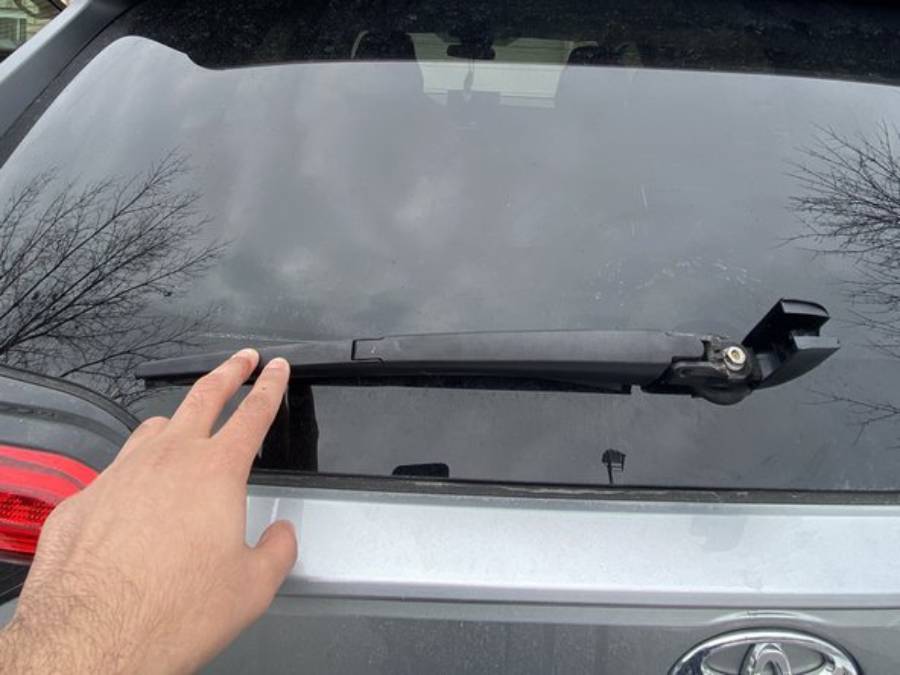
What Rear Wiper Blade Do You Need for a Toyota RAV4?
You need a rear wiper blade that matches your Toyota RAV4’s model year, blade length, and wiper-arm connector. Do not select a replacement based only on the RAV4 name because fitment specifications can differ between model years and wiper blade manufacturers. A compatible blade must have the correct dimensions and attach securely to the existing rear wiper arm.
Check the vehicle’s model year before buying a replacement blade. You can find the model year in the vehicle documentation or confirm it using the vehicle identification information. Then use that year when checking an OEM parts catalog or a wiper blade manufacturer’s fitment guide. For example, search for the vehicle as Toyota → RAV4 → model year → rear wiper rather than selecting a blade based only on its advertised length.
Blade size and blade fitment describe two different requirements. Blade size refers primarily to the length of the wiping component, while fitment determines whether the replacement can attach correctly to the RAV4 rear wiper arm. A replacement blade should satisfy both requirements before installation. A blade of the correct length is not suitable if its connector cannot lock securely onto the arm.
The replacement part also needs to be identified as a rear wiper blade. Front windshield wiper blades and rear wiper blades can use different mounting systems and designs. Rear blades are designed around the smaller wiping area and rear wiper-arm configuration, so a front blade of a similar length should not automatically be treated as an interchangeable replacement.
How Do You Check Whether a Rear Wiper Blade Fits Your RAV4?
Check three specifications to confirm rear wiper blade fitment: the Toyota RAV4 model year, the required blade size, and the connector compatibility. These specifications reduce the risk of purchasing a blade that is physically the correct length but cannot be installed on the existing rear wiper arm.
Start with the model year because it narrows the fitment information to the correct vehicle configuration. Next, confirm the rear blade size listed for that year. Finally, verify that the blade package, manufacturer catalog, or fitment guide specifically lists your RAV4 as compatible. This final check is important because two rear wiper blades with the same nominal length can use different attachment designs.
OEM and aftermarket rear wiper blades can both be suitable when their fitment is correct. An OEM replacement is selected according to Toyota-specific parts compatibility, while an aftermarket manufacturer may provide its own vehicle application guide. Compatibility is more important than choosing a blade solely because it is labeled OEM or aftermarket. The replacement should match the vehicle application and lock onto the rear wiper arm without modification.
What Do You Need to Replace a Toyota RAV4 Rear Wiper Blade?
A compatible replacement rear wiper blade is the primary part needed to replace a Toyota RAV4 rear wiper blade. It is also useful to have a clean microfiber cloth and a soft towel available during the job. The microfiber cloth can clean dirt from the rear windshield and wiper area, while the towel can provide an additional protective layer over the glass when the old blade is removed.
Specialized tools are not automatically required for a standard blade replacement because the blade is attached to the wiper arm through its connector. Avoid using pliers, screwdrivers, or other tools to force the connector apart unless a verified procedure for your specific wiper assembly requires them. Excessive leverage can damage the plastic connector, bend the wiper arm, or allow the exposed arm to strike the rear glass.
Confirm whether you are replacing the complete wiper blade assembly or only the rubber refill before starting. A complete blade replacement removes the existing blade from the arm and installs another compatible blade assembly. A rubber refill replacement retains the reusable blade structure and replaces only the wiping rubber. These procedures involve different parts and installation steps, so the replacement component should be identified before the old blade is removed.
Prepare the vehicle before beginning the removal procedure. Park the RAV4, switch the rear wiper off, and make sure the wiper has stopped in its normal resting position. Keep the replacement blade within reach so the rear wiper arm does not remain without a blade longer than necessary. Once these preparations are complete, the old rear wiper blade can be removed from the arm.
How Do You Remove the Rear Wiper Blade From a Toyota RAV4?
Remove the Toyota RAV4 rear wiper blade by lifting the rear wiper arm carefully, positioning the blade so its connector can disengage, and separating the blade from the arm. The exact movement at the attachment point can vary with the blade and connector fitted to the vehicle, so avoid forcing the blade if it does not release with controlled pressure.
Start with the rear wiper switched off and resting in its normal parked position. Hold the wiper arm near the blade and lift it away from the rear windshield only as far as the assembly allows. Rear wiper arms may have a more limited range of movement than front wiper arms. Applying excessive force to gain additional clearance can place unnecessary stress on the arm and its mounting point.
Next, position the blade so you can access and disengage its connection to the wiper arm. Hold the arm securely while moving the blade at the connector rather than pulling on the wiping rubber. Once the attachment has disengaged, separate the old blade from the arm with a controlled movement. Do not twist or pry against the wiper arm to accelerate the removal.
Keep control of the wiper arm after the blade has been removed. Do not allow an uncovered wiper arm to snap back against the rear windshield. The blade normally provides a layer of separation between the arm and the glass, so removing it leaves the windshield more exposed to direct impact. Place a soft towel over the contact area of the rear glass if the arm must remain raised while you prepare the replacement.
If the old blade will not come off, check its position and attachment point before applying additional force. Dirt around the connector, an incorrect release angle, or a connector that has not fully disengaged can prevent removal. Reposition the blade and inspect the connection instead of using a screwdriver or pliers to pry it free. If the attachment mechanism is not clear, confirm the procedure for the blade or connector fitted to your RAV4 before continuing.
Inspect the exposed wiper arm after removal. Look for a bent attachment point, damaged plastic components, corrosion, or debris that could interfere with the new blade. Removing visible dirt with a clean cloth gives the replacement connector a clean attachment surface. A damaged arm or attachment point should be addressed before installing a new blade because a new wiping element cannot correct a mechanical fitment problem.
How Do You Install a New Rear Wiper Blade on a Toyota RAV4?
Install the new Toyota RAV4 rear wiper blade by aligning its connector with the rear wiper arm, attaching it in the correct orientation, locking it into place, and checking the connection before lowering the arm onto the glass. The blade should attach without modifying the wiper arm or forcing incompatible components together.
First, compare the new blade with the blade you removed. Check the overall length, connector location, and attachment design. This comparison does not replace a vehicle fitment check, but an obvious difference can reveal that the wrong part was purchased before installation is attempted. Stop and verify compatibility if the replacement connector does not correspond with the attachment point on the wiper arm.
Align the replacement blade connector with the wiper arm and guide the two components together according to the connector design. Keep the blade and arm under control during this step so that the arm cannot fall toward the windshield. Apply pressure at the attachment point rather than bending the blade or pressing against the wiping rubber.
Move the blade into its locked position after the connector has engaged. A correctly installed rear wiper blade should remain securely attached to the arm during normal movement. Check the connection with a gentle controlled movement before returning the assembly to the windshield. The purpose is to confirm that the connector has engaged, not to test its strength by pulling aggressively on the blade.
Check the blade orientation at the same time. The wiping edge should be positioned to contact the rear windshield correctly when the arm returns to its operating position. A blade that is incompletely seated or incorrectly positioned can produce uneven contact, skipping, noise, or poor wiping even when the replacement part itself is new.
Lower the wiper arm back onto the rear windshield by hand. Keep hold of the arm until the rubber wiping edge contacts the glass; do not release it from a raised position. Controlled lowering prevents the arm or blade assembly from striking the windshield and also gives you a final opportunity to observe whether the blade sits naturally against the glass.
Perform one final visual check before operating the rear wiper. Confirm that the blade is attached at the connector, the wiping rubber faces the windshield, and no packaging or protective cover remains on the replacement component. The installation is mechanically complete once these conditions are met, but the rear wiper should still be tested to confirm that the blade wipes correctly through its operating range.
How Do You Test a Toyota RAV4 Rear Wiper After Replacement?
Test a Toyota RAV4 rear wiper after replacement by wetting the rear windshield, operating the wiper through several cycles, and checking the blade for secure attachment, consistent glass contact, streaking, skipping, and abnormal noise. Testing confirms both the mechanical connection and the wiping performance of the new blade.
Wet the rear windshield before operating the new blade. Using the rear washer system provides water across the wiping area and allows you to observe the blade under normal operating conditions. Avoid repeatedly running a new blade across dry, dirty glass because surface contamination can interfere with the test and increase friction between the rubber edge and windshield.
Operate the rear wiper and watch the blade through its complete wiping path. The blade should remain attached to the arm and move smoothly across the rear windshield. Its rubber edge should maintain consistent contact with the glass rather than lifting, jumping, or stopping at part of the wiping area. Pay particular attention to the connection between the blade and arm during the first few cycles.
Inspect the windshield after several passes. A correctly fitted blade should clear water consistently across its intended wiping area without persistent streaks, skipping, or chattering. A small amount of residue on a dirty windshield does not automatically indicate a defective blade, so clean the glass and repeat the test before diagnosing an installation problem.
Stop the rear wiper and inspect the installation if the blade makes abnormal noise, moves unevenly, or leaves persistent unwiped areas. Check that the connector remains fully engaged and that the blade is positioned correctly on the arm. A replacement blade that becomes loose during testing should not continue to be used until its fitment has been verified.
A new blade does not correct every rear wiper problem. Poor wiping can also result from contamination on the glass, an incorrectly fitted replacement, damage to the wiper arm, or another problem within the rear wiper system. Testing therefore separates a successful blade replacement from a problem that requires additional troubleshooting.
How Often Should You Replace a Toyota RAV4 Rear Wiper Blade?
Replace a Toyota RAV4 rear wiper blade when the rubber deteriorates or the blade can no longer clear the rear windshield consistently. Blade condition and wiping performance provide stronger replacement signals than relying only on a fixed calendar interval because wear depends on environmental exposure, vehicle use, windshield contamination, and the condition of the wiping rubber.
Inspect the rear blade periodically for physical deterioration. Cracks, splits, torn sections, hardened rubber, or an edge separating from the blade structure indicate that the wiping element has degraded. Physical deterioration prevents the rubber edge from maintaining uniform contact with the rear glass and can produce incomplete wiping even when the wiper arm operates normally.
Wiping performance provides another clear replacement indicator. Persistent streaking leaves water behind the blade, while skipping causes sections of the wiping edge to lose contact with the windshield. Chattering produces repeated movement or noise as the rubber travels across the glass. These symptoms reduce the blade’s ability to clear the rear viewing area.
Clean the rear windshield and blade edge before replacing a blade solely because of streaking. Dirt, road film, dust, and other contamination can remain between the wiping edge and glass and produce symptoms similar to worn rubber. Cleaning both surfaces helps distinguish contamination from actual blade deterioration.
Environmental exposure also affects blade condition. Heat, sunlight, freezing conditions, road contaminants, and prolonged outdoor parking place repeated stress on wiper rubber. For example, rubber that remains physically attached to the blade can still harden over time and lose the flexibility required to follow the curvature of the rear windshield.
The source materials provided for this workflow do not specify a verified Toyota RAV4 rear wiper replacement interval, so a fixed number of months should not be presented as a Toyota-specific requirement without additional research. The practical replacement point is when inspection and wiping performance show that the existing rear blade no longer clears the glass effectively.
Why Does a New Toyota RAV4 Rear Wiper Blade Still Leave Streaks?
A new Toyota RAV4 rear wiper blade can still leave streaks because of a dirty rear windshield, contamination on the wiping edge, incorrect blade fitment, improper installation, or a damaged wiper arm. Replacing the blade addresses worn wiping rubber, but it does not correct problems with the glass surface, connector, blade position, or wiper arm.
A dirty rear windshield is one of the first conditions to check. Road film, dust, dried washer fluid, wax residue, and other contaminants can prevent the rubber edge from maintaining clean contact with the glass. The new blade then moves across the contamination and redistributes water instead of clearing it evenly. Clean the rear windshield thoroughly and test the wiper again before removing the replacement blade.
Contamination can also collect directly on the blade edge. Even a new blade can pick up dirt from a contaminated windshield during its first few wiping cycles. Inspect the rubber edge and clean it according to the blade manufacturer’s instructions when necessary. If the streak changes or disappears after the glass and blade are cleaned, contamination rather than blade wear was the likely cause.
Incorrect fitment can produce persistent streaks because the replacement blade must match more than the approximate length of the original blade. The connector must attach correctly to the rear wiper arm, and the blade must sit in the intended position against the windshield. A blade that does not fit the RAV4 rear wiper assembly correctly may produce uneven glass contact even when its rubber edge is new.
Improper installation creates a similar problem. Check the attachment point if streaking began immediately after replacement. The connector should be fully engaged, and the blade should move naturally with the wiper arm. An incompletely seated blade can sit at the wrong angle or move inconsistently as the arm travels across the rear windshield.
The wiper arm should be inspected when cleaning and installation checks do not correct the problem. A bent or damaged arm can prevent the blade from applying consistent pressure across the glass. In this situation, installing another new blade may produce the same streaking because the mechanical problem is upstream of the wiping rubber.
Use a simple diagnostic sequence before replacing the blade again: clean the rear windshield, inspect and clean the blade edge, verify the connector, confirm blade fitment, and inspect the wiper arm. This sequence isolates the likely cause without repeatedly replacing parts that may still be functional.
Should You Replace the Toyota RAV4 Rear Wiper Blade or Only the Rubber Refill?
Replace the complete Toyota RAV4 rear wiper blade when the blade assembly or connector requires replacement; replace only the rubber refill when the existing assembly is serviceable and a compatible refill is available. The two procedures address different components even though both can restore the rubber edge that contacts the rear windshield.
A complete blade replacement removes the existing blade assembly from the rear wiper arm and installs a compatible replacement assembly. This approach is appropriate when the blade structure is damaged, the attachment point is worn, or the selected replacement part is supplied as a complete blade. It also replaces more components at once than changing only the wiping rubber.
A rubber refill replacement retains the existing blade structure and replaces the rubber wiping element. The existing assembly therefore needs to remain in usable condition. The refill must also match the blade design because a rubber insert should not be assumed to fit every rear wiper blade simply because its length appears similar.
Inspect the existing assembly before choosing between the two methods. A damaged connector, cracked blade structure, or distorted component supports replacing the complete blade rather than installing new rubber into a compromised assembly. A structurally sound assembly may be suitable for a refill when the correct replacement rubber is available for that design.
Compatibility remains necessary in either case. A complete replacement blade must fit the RAV4 rear wiper arm, while a refill must fit the existing blade assembly. Check the vehicle application and replacement-part information rather than modifying an incompatible component to make it fit.
The installation procedure also differs. Complete blade replacement involves disconnecting the blade from the wiper arm, while refill replacement requires removing and installing the wiping rubber within the existing blade. Do not follow a complete-blade removal procedure when the replacement product is only a rubber refill.
For a standard Toyota RAV4 rear wiper blade replacement, first identify exactly which component you purchased. A package containing the complete rear blade should be treated as a blade assembly replacement. A product containing only the rubber wiping element requires a refill-specific procedure and compatibility check.
Read more: What Type of Gas Does a Toyota RAV4 Need? Complete Fuel Guide
When Is the Toyota RAV4 Rear Wiper Arm the Problem Instead of the Blade?
The Toyota RAV4 rear wiper arm is more likely to be the problem when a correctly fitted new blade still makes uneven contact with the rear windshield, the arm or attachment point is visibly damaged, or the blade cannot remain properly positioned during operation. Replacing the blade corrects problems with the wiping component, but it does not repair a damaged or misaligned wiper arm.
Check how the new blade contacts the rear windshield after installation. The wiping edge should follow the glass consistently through its normal wiping path. A section that repeatedly loses contact after the correct blade has been installed and the glass has been cleaned can indicate that the arm is not positioning the blade correctly. Inspect the arm before replacing another blade.
Visible damage provides a stronger reason to investigate the wiper arm. Look for bending, distortion, damage around the blade attachment point, or components that prevent the replacement blade from sitting in its intended position. A damaged attachment point can also prevent the connector from locking securely even when the replacement blade has the correct fitment.
Compare the blade position while the rear wiper is stationary and while it operates on a wet windshield. A blade that shifts at the attachment point, sits at an abnormal angle, or repeatedly loses uniform contact requires inspection of both the connector and wiper arm. Confirm the blade installation first because an incompletely engaged connector can create symptoms that resemble an arm problem.
The diagnosis changes when the rear wiper does not move at all. A stationary rear wiper is not automatically evidence of a worn blade because the blade itself does not generate the wiping movement. The cause can be elsewhere in the rear wiper system, so repeatedly replacing blades will not address a system-level fault.
Separate wiping-quality problems from movement problems when troubleshooting. Streaking, skipping, and poor clearing can originate at the blade, glass, fitment, or arm. A rear wiper that fails to move requires investigation beyond blade condition. This distinction prevents a simple Toyota RAV4 rear wiper blade replacement from turning into unnecessary repeated part replacement.
After installing a compatible blade, clean the rear windshield and perform the wet-glass test described earlier. Inspect the connector and wiper arm if wiping remains inconsistent. If the blade is installed correctly but the rear wiper still does not operate normally, continue with diagnosis of the Toyota RAV4 rear wiper system rather than replacing the new blade.