Many drivers choose Tesla because of its advanced technology and clean interior design. The cabin feels modern, simple, and premium at the same time. One of the most important parts of that experience is the steering wheel because drivers touch it every time they drive.
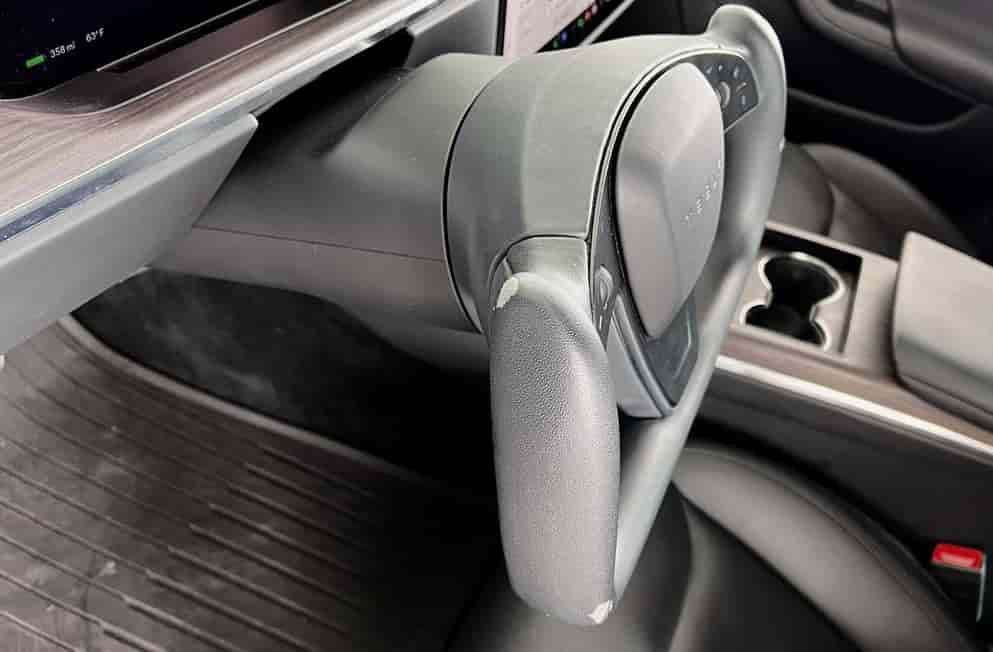
Recently, some owners have reported a problem known as Tesla steering wheel peeling. The issue usually starts with a small rough area on the wheel surface. Over time, the outer layer may begin to crack, flake, or wear away. This damage can spread and become more noticeable.
This situation often surprises owners because many Tesla vehicles are still fairly new when the peeling appears. A damaged steering wheel can reduce comfort and make the interior look worn. For a brand that focuses on premium design, this problem can feel disappointing.
Many drivers now search online to understand why Tesla steering wheel peeling happens. Some people believe natural hand oils may affect the material. Others suspect heat, sunlight, or cleaning products may cause the damage. At the same time, many owners want to know whether Tesla will repair or replace the steering wheel under warranty.
This guide explains the main causes of Tesla steering wheel peeling and the best ways to fix the problem. You will also learn how warranty coverage works and how to prevent the issue in the future. With the right care, you can protect your steering wheel and keep your Tesla interior looking clean and comfortable.
Contents
- What Is Tesla Steering Wheel Peeling?
- Signs Your Tesla Steering Wheel Is Peeling
- Tesla Models Where This Issue Is Reported
- Why Tesla Steering Wheels Start Peeling
- How to Fix Tesla Steering Wheel Peeling
- Tesla Steering Wheel Peeling Warranty
- How Much Does It Cost to Replace a Tesla Steering Wheel
- How to Prevent Tesla Steering Wheel Peeling
- Conclusion
What Is Tesla Steering Wheel Peeling?
Tesla steering wheel peeling describes a condition where the outer layer of the steering wheel begins to break down and separate from the surface. Drivers may first notice a small rough patch on the wheel. The material may look slightly worn or feel different when touched. At this stage, the damage usually appears minor, but it can grow over time.
In many vehicles produced by Tesla, the steering wheel uses synthetic leather rather than traditional animal leather. This material supports Tesla’s sustainability goals and helps create a modern interior design. However, synthetic surfaces can still experience wear after long periods of contact, friction, and exposure to heat.
Peeling usually develops gradually rather than appearing suddenly. A driver might first see a small crack or thin line on the wheel surface. With continued driving, the outer layer can begin to lift or flake away. Once the protective layer weakens, the damage may spread across a larger area.
The issue does not only affect the appearance of the vehicle interior. A peeling steering wheel can also reduce driving comfort. The surface may feel rough, sticky, or uneven when the driver holds the wheel. Because the steering wheel is one of the most frequently touched parts of the car, many owners prefer to fix the problem early.
Understanding what Tesla steering wheel peeling looks like helps drivers recognize the issue before it becomes severe. Early detection often makes repair easier and may even prevent the need for a full steering wheel replacement.
Signs Your Tesla Steering Wheel Is Peeling
Many drivers overlook the early stages of Tesla steering wheel peeling because the damage often begins in a subtle way. The surface may still look normal from a distance. However, several small changes can indicate that the steering wheel material has started to deteriorate.
One of the earliest signs is a rough or dry texture on the wheel surface. When drivers place their hands on the steering wheel, the material may feel less smooth than before. This roughness often appears in areas where hands rest during normal driving.
Small cracks can also appear on the outer layer of the steering wheel. These cracks may look like thin lines or faint marks across the surface. While they may seem harmless at first, they often indicate that the top layer of the material has started to weaken.
Another common symptom is flaking. Small pieces of the surface material may begin to detach from the steering wheel. In some cases, drivers notice tiny fragments on their hands after driving. Once the surface starts to flake, the peeling process may continue if the underlying material remains exposed.
Discoloration can also signal early damage. The affected area may appear lighter, darker, or shinier than the surrounding surface. This uneven color change usually appears in areas that receive frequent contact from hands.
Drivers who notice these signs should consider inspecting the steering wheel more closely. Early action may help slow the damage and protect the interior quality of the vehicle.
Tesla Models Where This Issue Is Reported
Reports of Tesla steering wheel peeling have appeared across several vehicles in the Tesla lineup. The problem does not affect every car, but many owners have shared similar experiences in online discussions and service forums. These reports help identify which models appear more frequently in conversations about steering wheel wear.
One model that often appears in these discussions is the Model 3. This vehicle became one of the most widely sold electric cars produced by Tesla. The interior design focuses on simplicity and minimalism, which many drivers appreciate. However, some owners have noticed surface wear on the steering wheel after regular daily use. The peeling usually begins in the areas where drivers grip the wheel most often.
The Model Y also receives similar reports. Since it shares many interior components with the Model 3, the steering wheel design and materials are quite similar. Because of this similarity, some Model Y drivers report surface peeling that looks almost identical to the cases seen in the Model 3.
Owners of the Model S have occasionally reported steering wheel wear as well. This model has been available for many years and has gone through several interior updates. Older vehicles may show more signs of wear because they have experienced longer exposure to heat, sunlight, and constant contact from hands.
The Model X sometimes appears in these discussions too. As with the Model S, many Model X vehicles have been on the road for several years. Environmental factors such as climate conditions, temperature changes, and daily driving habits can influence how quickly the steering wheel surface begins to deteriorate.
Although reports exist across multiple models, many Tesla owners never experience steering wheel peeling at all. The presence of these reports simply shows why some drivers want to understand the potential causes and solutions.
Why Tesla Steering Wheels Start Peeling
Several factors can contribute to Tesla steering wheel peeling. In most cases, the issue does not come from a single cause. Instead, a combination of daily wear, environmental conditions, and material exposure can gradually weaken the surface layer of the steering wheel.
One major factor involves the synthetic leather material used in many Tesla interiors. This material provides a smooth appearance and supports sustainable manufacturing practices. However, like many synthetic surfaces, it can wear down after long periods of friction and repeated contact.
Natural oils and sweat from human hands can also influence the durability of the steering wheel surface. Every time a driver holds the wheel, small amounts of moisture and oil transfer to the material. Over time, this exposure can weaken the protective layer and increase the chance of peeling.
Heat and sunlight may accelerate the process as well. Vehicles parked outside often experience high interior temperatures during warm days. Prolonged heat exposure can slowly break down the outer coating of the steering wheel material.
Cleaning products may also play a role. Some drivers use strong chemicals or alcohol based cleaners to wipe the steering wheel. Harsh substances can damage the protective finish and make the surface more vulnerable to cracking or flaking.
Finally, simple friction from daily driving can contribute to wear. The steering wheel receives constant contact from the driver’s hands. After thousands of miles of driving, the repeated pressure and movement may gradually weaken the outer layer.
Understanding these causes helps drivers take better care of their vehicle interiors. When owners know what leads to Tesla steering wheel peeling, they can reduce the risk and maintain the steering wheel in better condition.
How to Fix Tesla Steering Wheel Peeling
When Tesla steering wheel peeling begins to appear, many drivers want a quick and practical solution. The right fix often depends on how severe the damage has become. In some cases, a simple repair can improve the surface. In other situations, a full replacement may be the best option.
One of the most common temporary solutions involves using a steering wheel repair kit. These kits usually include compounds designed to fill small cracks and restore the outer layer of synthetic leather. Drivers can apply the repair material to damaged areas and smooth the surface. This method works best when the peeling is still minor and limited to a small section of the wheel.
Another option is installing a steering wheel cover. A high quality cover can hide existing damage and prevent further wear. It also adds an extra layer of protection between the driver’s hands and the original material. Many drivers choose this solution because it is affordable and easy to install.
Professional interior repair services provide a more durable solution. Specialists can restore the surface by repairing damaged areas and applying a new protective coating. This process can improve the appearance of the steering wheel and extend its lifespan. Many owners prefer this method because it restores the original look of the interior.
In more severe cases, replacing the steering wheel may be necessary. A full replacement provides a completely new surface and eliminates the peeling problem. Service centers that work with vehicles from Tesla can install a new steering wheel that matches the original design and materials.
Choosing the right repair option depends on the condition of the steering wheel. Early action often prevents the damage from spreading and reduces the need for expensive repairs.
Tesla Steering Wheel Peeling Warranty
Many owners wonder whether Tesla steering wheel peeling is covered under the vehicle warranty. The answer can depend on several factors, including the age of the vehicle, the warranty terms, and the cause of the damage.
Vehicles produced by Tesla typically include a basic limited warranty that covers defects in materials or workmanship. If the steering wheel surface begins to peel due to a manufacturing defect, Tesla service centers may repair or replace the component without additional cost. In these cases, the company usually evaluates the condition of the steering wheel before approving the repair.
However, warranty coverage may not apply if normal wear or external factors caused the damage. For example, frequent exposure to harsh cleaning chemicals or physical damage from sharp objects may fall outside the scope of warranty protection. In these situations, the owner may need to pay for the repair or replacement.
Drivers who believe their steering wheel damage may qualify for warranty service can schedule an inspection through the Tesla mobile app or a service center appointment. A technician will examine the steering wheel and determine whether the issue falls under warranty coverage.
Owners should also review their warranty documents carefully. Understanding the terms of coverage helps drivers know what to expect when dealing with interior wear issues.
How Much Does It Cost to Replace a Tesla Steering Wheel
The cost of replacing a steering wheel can vary depending on the vehicle model and service location. When Tesla steering wheel peeling becomes severe, some owners choose a full replacement to restore the interior to its original condition. Although this option provides the most complete fix, it may also involve higher expenses.
Replacement costs usually include two main components. The first cost involves the steering wheel itself. The second cost comes from labor required to remove the old component and install the new one. Service technicians must disconnect several internal systems before replacing the wheel, which adds to the total cost.
Vehicles manufactured by Tesla use steering wheels that integrate several electronic features. These features may include control buttons, sensors, and heating elements in some models. Because of this complexity, professional installation is often necessary.
In many cases, the price of a replacement steering wheel can range from a few hundred dollars to more than one thousand dollars depending on the model and configuration. Labor charges may add additional costs, especially if the service center needs extra time to complete the repair.
Drivers who want to avoid high replacement costs often try smaller repairs first. Early maintenance and protective measures can sometimes prevent the damage from spreading. Addressing the issue quickly may reduce the likelihood of needing a full replacement.
How to Prevent Tesla Steering Wheel Peeling
Preventive care plays an important role in reducing the risk of Tesla steering wheel peeling. Simple maintenance habits can help protect the steering wheel surface and keep the interior looking clean for a longer time.
Regular cleaning is one of the most effective prevention methods. Drivers should wipe the steering wheel with a soft cloth and a mild cleaning solution. Gentle cleaning removes oils and dirt without damaging the protective layer of the material.
Avoiding harsh chemicals is also important. Strong cleaners that contain alcohol or abrasive ingredients can weaken the surface coating. Over time, these substances may increase the chance of cracking or peeling.
Reducing heat exposure can help preserve the steering wheel as well. Vehicles parked in direct sunlight often reach very high interior temperatures. Using a sunshade or parking in shaded areas can help protect the interior materials from heat related wear.
Some drivers also use steering wheel covers for additional protection. A cover creates a barrier between the driver’s hands and the original material. This layer can reduce friction and protect the surface from sweat and oils.
Vehicles from Tesla often feature minimalist interiors that rely heavily on clean surfaces. Proper care helps maintain this appearance and keeps interior materials in better condition for years of driving.
Conclusion
Tesla steering wheel peeling has become a topic of discussion among some electric vehicle owners. While the issue does not affect every vehicle, reports from drivers show that the problem can occur under certain conditions. Understanding the causes and early warning signs helps owners respond before the damage becomes severe.
Several factors may contribute to steering wheel peeling. Natural oils from hands, heat exposure, friction from daily driving, and cleaning products can gradually weaken the surface material. Once the outer layer begins to crack or flake, the damage may spread if it is not addressed.
Fortunately, several solutions are available. Minor damage can sometimes be improved with repair kits or protective covers. Professional interior repair services may restore the surface and extend the life of the steering wheel. In more serious cases, replacing the steering wheel provides a complete solution.
Preventive care remains the most effective strategy. Regular cleaning, gentle products, and protection from extreme heat can help preserve the steering wheel surface. These simple habits reduce wear and maintain the interior quality that many drivers expect from vehicles built by Tesla.
By understanding the causes, repair options, and prevention methods, Tesla owners can take better care of their vehicles and avoid the frustration of steering wheel damage in the future.