Have you noticed an oil spot under your Mazda CX 5? Many owners experience this problem at some point. A Mazda CX 5 oil leak may seem minor at first, but it should never be ignored. Even a small leak can reduce the engine oil level over time. If the engine loses too much oil, it may suffer excessive wear, overheating, or serious internal damage.
Engine oil protects every moving part inside the engine. It reduces friction, removes heat, and helps extend engine life. When oil escapes through a damaged gasket, worn seal, or loose component, the engine cannot perform at its best. As the leak grows, the risk of expensive repairs also increases.
Fortunately, many oil leaks have simple causes. A loose drain plug, a worn valve cover gasket, or an incorrectly installed oil filter can all allow oil to escape. These problems often cost much less to repair than major engine leaks. However, issues involving the timing cover or rear main seal usually require more labor and a higher repair bill.
This guide explains everything you need to know about a Mazda CX 5 oil leak. You will learn what causes oil leaks, how to recognize the warning signs, and how to find the source of the problem. You will also discover typical repair costs, practical repair options, and maintenance tips that can help prevent future leaks. By the end of this guide, you will know when you can handle a minor issue yourself and when it is time to visit a qualified mechanic.
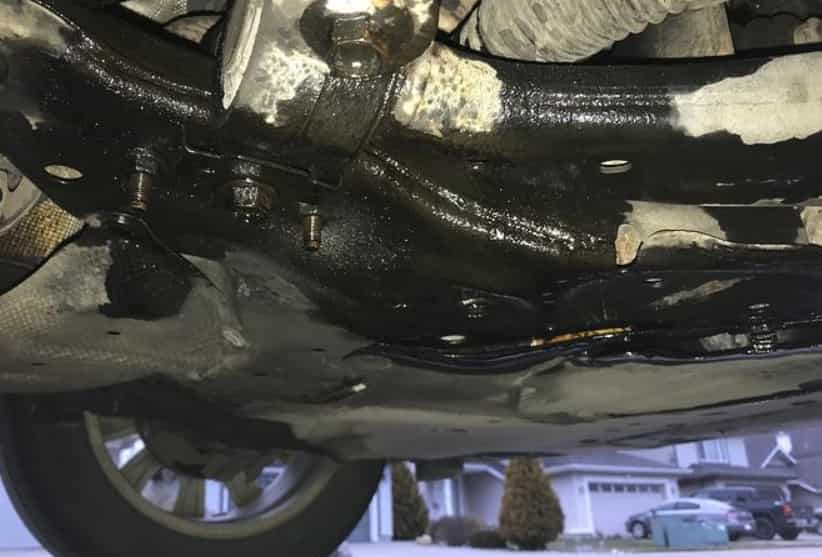
What Causes a Mazda CX 5 Oil Leak?
A Mazda CX 5 oil leak can happen for many reasons, but most problems start when a gasket or seal loses its ability to keep engine oil contained. Every time you drive, the engine produces heat and pressure. Over time, these conditions wear down rubber seals and gaskets. As they become brittle or shrink, small gaps form and allow oil to escape. Some leaks appear suddenly, while others develop slowly and become noticeable only after oil begins collecting under the vehicle.
The valve cover gasket is one of the most common leak sources. It seals the top of the engine and prevents oil from escaping during normal operation. As the gasket ages, it may crack or harden, allowing oil to leak onto nearby engine components. The oil pan gasket can also fail after years of exposure to heat, vibration, and road debris. In some cases, a damaged oil pan may leak after hitting a curb or other obstacle.
Routine maintenance can also contribute to an oil leak if parts are not installed correctly. A loose drain plug, a worn sealing washer, or an improperly fitted oil filter may allow oil to drip shortly after an oil change. These issues are often easy to fix when identified early.
Some leaks come from larger engine components, including the timing cover and crankshaft seals. These repairs usually require more labor because mechanics must remove several parts to reach the damaged area. A clogged PCV valve may also increase pressure inside the engine, forcing oil past seals that would otherwise remain leak free. Finding the exact source of the leak is the first step toward choosing the right repair and preventing further engine damage.
Common Symptoms of a Mazda CX 5 Oil Leak
Recognizing the early signs of a Mazda CX 5 oil leak can help you avoid expensive engine repairs. Some symptoms appear gradually, while others develop without warning. Paying attention to these changes allows you to identify the problem before it becomes more serious.
The most obvious sign is fresh oil on the ground after the vehicle has been parked. Engine oil usually appears amber when new and dark brown or black after extended use. The location of the stain may also provide clues about where the leak begins. However, oil can spread across the underbody before it drips, making the exact source difficult to identify.
Many drivers also notice a burning oil smell while driving or after turning off the engine. This often happens when leaking oil reaches hot engine components. In some cases, light smoke may rise from the engine compartment. Although the smoke may disappear after a short time, it should never be ignored because the leak can become worse.
Another common symptom is a falling engine oil level. If you need to add oil more often than usual, your vehicle may have an external leak or another lubrication problem. Some drivers may also see the oil pressure warning light on the dashboard. This warning requires immediate attention because low oil pressure can damage internal engine components within a short period.
You should also inspect the engine for wet or greasy areas around the valve cover, oil pan, or timing cover. Unusual ticking or knocking sounds may develop if the engine does not receive enough lubrication. Checking for these warning signs regularly helps you detect a Mazda CX 5 oil leak early and reduce the risk of costly repairs.
Is It Safe to Drive With a Mazda CX 5 Oil Leak?
The answer depends on the size of the leak and the amount of oil your engine loses. A small oil seep may not create an immediate safety risk, but it still deserves attention. Even a slow leak can lower the engine oil level over time. If you ignore the problem, the engine may not receive enough lubrication to protect its moving parts.
Before driving, check the oil level with the dipstick. If the level remains within the recommended range and you do not notice warning lights, smoke, or unusual engine noises, you may be able to drive a short distance. However, you should inspect the vehicle as soon as possible and repair the leak before it becomes more serious.
Do not continue driving if the oil pressure warning light comes on. You should also stop the engine if you see heavy smoke from the engine compartment or notice a strong burning oil smell. These warning signs often indicate that oil has reached hot engine components or that the engine is losing oil too quickly. Continuing to drive under these conditions can cause severe engine damage and increase repair costs.
Large oil puddles under the vehicle also require immediate attention. A rapid leak can reduce the oil level within a short time, especially during long trips or highway driving. In addition, leaking oil may reach the exhaust system and create a fire hazard in extreme cases.
If you are unsure about the severity of the leak, avoid taking unnecessary risks. Arrange for the vehicle to be inspected by a qualified mechanic or use a towing service if the engine shows clear warning signs. Acting early is the safest way to protect your Mazda CX 5 and prevent a minor oil leak from turning into a major repair.
How to Diagnose a Mazda CX 5 Oil Leak
Finding the source of a Mazda CX 5 oil leak is not always easy. Oil can travel across engine components before it reaches the ground. As a result, the visible drip may not match the actual leak location. A careful inspection helps you avoid replacing the wrong part and spending money on unnecessary repairs.
Start by checking the engine oil level. Park the vehicle on a level surface and allow the engine to cool for a few minutes. Remove the dipstick, wipe it clean, and insert it again before reading the oil level. If the level is below the recommended range, add the correct type of engine oil before driving any farther.
Next, inspect the area beneath the vehicle. Place a clean piece of cardboard under the engine overnight if necessary. Fresh oil stains can help you identify where the leak begins. While this method does not reveal the exact source, it provides a useful starting point.
Open the hood and inspect the top of the engine. Look for wet or dirty areas around the valve cover gasket, oil filler cap, and timing cover. Then move to the lower part of the engine. Check the oil pan, drain plug, and oil filter for fresh oil or loose components. If the leak appeared shortly after an oil change, inspect these areas first because they are common sources of installation errors.
Old oil residue can hide the true leak location. Cleaning the engine with a suitable degreaser makes the inspection much easier. After cleaning, drive the vehicle for a short distance and inspect the engine again. Fresh oil will often reveal the source of the leak.
Some leaks remain difficult to locate because they appear only while the engine is running. In this situation, many repair shops use ultraviolet dye and a UV light to trace the leaking oil. This method identifies small leaks that are almost impossible to see with the naked eye.
If you still cannot find the source, schedule a professional inspection. A qualified mechanic has the equipment and experience to diagnose hidden leaks accurately. Early diagnosis not only reduces repair costs but also helps protect your Mazda CX 5 from long term engine damage.
Mazda CX 5 Oil Leak Repair Costs
The cost to repair a Mazda CX 5 oil leak depends on the source of the problem, the model year, and local labor rates. Some leaks require only a simple replacement part, while others involve several hours of labor. For this reason, two vehicles with similar symptoms may receive very different repair estimates.
Minor leaks often come from the drain plug, oil filter, or oil filler cap seal. These repairs usually require little time and inexpensive parts. Many owners can complete these repairs during a routine oil change if the leak is identified early.
Moderate repairs usually involve replacing the valve cover gasket or resealing the oil pan. Although these parts are not expensive, technicians must remove surrounding components before installing new seals. Labor often accounts for a large part of the final repair bill.
The most expensive repairs involve the timing cover or the rear main seal. Mechanics must remove several engine or transmission components before they can access these areas. As a result, labor costs can quickly exceed the price of the replacement parts.
The table below provides general repair estimates. Actual prices may vary depending on your location, the repair shop, and the condition of your vehicle.
| Repair | Estimated Cost |
|---|---|
| Drain plug or sealing washer | $20 to $100 |
| Oil filter replacement | $30 to $120 |
| Oil filler cap seal | $20 to $80 |
| Valve cover gasket replacement | $200 to $600 |
| Oil pan gasket or oil pan repair | $300 to $900 |
| PCV valve replacement | $100 to $400 |
| Front crankshaft seal replacement | $400 to $1,000 |
| Timing cover reseal | $700 to $2,000 |
| Rear main seal replacement | $1,000 to $2,500 |
Although repair costs may seem high, delaying repairs often creates even bigger problems. A small leak can lower the engine oil level over time and increase wear on internal components. If the engine continues to run with insufficient lubrication, the final repair bill may become much higher than the cost of fixing the original leak.
Before approving any repair, ask the repair shop to identify the exact leak source and provide a written estimate. A clear diagnosis helps you avoid unnecessary repairs and ensures that the correct component is replaced the first time.
How to Fix a Mazda CX 5 Oil Leak
The best way to fix a Mazda CX 5 oil leak depends on the exact source of the problem. Replacing parts without confirming the leak location often wastes time and money. Always inspect the engine carefully before beginning any repair.
Simple leaks usually require only minor repairs. If the drain plug is loose, tighten it to the manufacturer’s recommended torque. Replace the sealing washer if it shows signs of wear or damage. A worn washer may look harmless, but it can allow engine oil to leak after every drive.
A leaking oil filter also deserves close attention. Make sure the filter is the correct size and that it seals properly against the engine. Replace the filter if the gasket is damaged or if the previous gasket remains attached to the engine. This mistake can create an immediate leak after an oil change.
A damaged valve cover gasket is another common repair. The old gasket should be removed carefully, and both sealing surfaces should be cleaned before installing the new one. Follow the recommended bolt tightening sequence to create an even seal. Tightening the bolts too much can damage the gasket and cause another leak.
Some repairs require more experience and specialized tools. A leaking oil pan gasket often requires the oil pan to be removed and resealed. Timing cover leaks are even more complex because technicians must remove several engine components to reach the sealing surface. Rear main seal replacement is one of the most labor intensive repairs because it usually requires transmission removal.
The PCV system should not be overlooked during diagnosis. A clogged PCV valve can increase crankcase pressure and force oil past otherwise healthy seals. Replacing a faulty valve is inexpensive and may prevent future leaks.
After completing any repair, refill the engine with the correct oil if needed and check the oil level with the dipstick. Start the engine and let it idle for several minutes. Then inspect the repaired area for fresh oil. A short road test followed by another inspection helps confirm that the repair solved the problem.
If the leak continues after replacing the suspected part, stop replacing components at random. A professional diagnosis can identify hidden leaks and prevent unnecessary repair costs. Fixing the correct problem the first time is always the most effective solution.
Mazda CX 5 Oil Leak After an Oil Change
A Mazda CX 5 oil leak that appears after an oil change does not always indicate a serious engine problem. In many cases, the leak results from an installation mistake or a component that was not secured correctly during routine maintenance. Identifying the cause early can prevent unnecessary repairs and protect your engine from low oil levels.
One of the most common causes is a loose oil filter. If the filter is not tightened correctly, engine oil can escape as soon as the engine builds pressure. A damaged filter gasket can create the same problem. In some cases, the old gasket remains attached to the engine when the filter is replaced. Installing a new filter over the old gasket creates a poor seal and leads to an immediate leak.
The drain plug is another area that deserves careful inspection. A loose drain plug or a worn sealing washer may allow oil to drip from the bottom of the oil pan. Cross threaded drain plugs can also cause leaks because they cannot create a proper seal. Replacing the damaged washer or drain plug usually solves the problem before it becomes more serious.
Using the wrong oil filter may also cause leakage. Filters that do not match the engine specifications may fail to seal correctly or maintain proper oil pressure. Always choose a high quality filter that meets the manufacturer’s requirements.
Some drivers notice oil dripping shortly after service because spilled oil remains on the engine or splash shield. This residue often burns away or drips off after a short drive. However, the leak should stop quickly. If fresh oil continues to appear, inspect the engine again or return to the repair shop for a complete inspection.
After every oil change, check the oil level with the dipstick and inspect the area beneath the vehicle during the next few days. A quick inspection can help you detect small problems before they develop into costly repairs. If you notice continuous oil loss or warning lights, stop driving and have the vehicle inspected as soon as possible.
Oil Leak vs. Oil Consumption
Many drivers assume that every drop in engine oil level comes from a leak. However, oil loss does not always mean oil is escaping from the engine. A Mazda CX 5 oil leak and oil consumption are two different problems, and each requires a different repair approach.
An oil leak occurs when engine oil escapes through a damaged gasket, worn seal, loose drain plug, or another faulty component. You will often notice oil spots under the vehicle, wet engine surfaces, or a burning oil smell after driving. In some cases, oil may reach hot engine parts and produce light smoke from the engine compartment.
Oil consumption happens when the engine burns oil during normal operation. This condition usually leaves no visible oil on the ground because the oil enters the combustion chamber instead of leaking outside the engine. Drivers may notice blue exhaust smoke, frequent oil top ups, or oily spark plugs. Engine wear, worn piston rings, or damaged valve seals often contribute to excessive oil consumption.
Although the symptoms are different, both problems can reduce the engine oil level over time. Ignoring either condition increases the risk of poor lubrication and premature engine wear. Checking the oil level regularly helps you detect unusual oil loss before it causes serious damage.
If you cannot determine whether your vehicle has an oil leak or excessive oil consumption, inspect the engine for external oil residue and monitor the exhaust during normal driving. A professional inspection may include a compression test, a leak down test, or a detailed visual inspection. Identifying the correct problem is essential because replacing external seals will not solve internal engine oil consumption, and repairing internal engine components will not stop an external oil leak.
How to Prevent Future Oil Leaks
Preventing a Mazda CX 5 oil leak is often easier and less expensive than repairing one. Regular maintenance keeps the engine in good condition and reduces the risk of worn seals, damaged gaskets, and unexpected oil loss. A few simple habits can help extend engine life and lower future repair costs.
Follow the maintenance schedule recommended by Mazda and change the engine oil at the correct interval. Clean engine oil lubricates moving parts more effectively and helps reduce unnecessary wear. Always use the oil viscosity specified for your engine because the wrong oil can affect sealing performance and overall engine protection.
Choose a high quality oil filter whenever you perform an oil change. Replace the drain plug sealing washer if it shows signs of wear, and tighten the drain plug to the recommended specification. These small steps help prevent leaks that often appear after routine maintenance.
Check the engine oil level regularly, especially before long trips. A quick inspection with the dipstick takes only a few minutes and can reveal a slow leak before it becomes a serious problem. You should also look under the vehicle for fresh oil spots after parking overnight. Early detection allows you to fix minor issues before they lead to expensive repairs.
Inspect the engine compartment during routine maintenance. Look for wet areas around the valve cover gasket, oil filter, oil pan, and timing cover. If you notice oil residue or a burning oil smell, schedule an inspection as soon as possible. Small leaks rarely repair themselves and usually become worse over time.
The PCV system also deserves regular attention. A clogged PCV valve can increase crankcase pressure and place extra stress on engine seals. Replacing a worn valve at the recommended interval helps maintain proper engine ventilation and reduces the chance of future oil leaks.
Consistent maintenance is the best way to protect your engine. By checking the oil level, replacing worn components, and addressing small problems early, you can reduce the risk of a Mazda CX 5 oil leak and keep your vehicle running reliably for years.
Frequently Asked Questions
Why is my Mazda CX 5 leaking oil?
Several issues can cause a Mazda CX 5 oil leak. Common sources include a worn valve cover gasket, a damaged oil pan gasket, a loose drain plug, a leaking oil filter, or failing crankshaft seals. A clogged PCV valve can also increase engine pressure and force oil past seals and gaskets.
How much does it cost to fix a Mazda CX 5 oil leak?
Repair costs depend on the leak source and labor rates in your area. Simple repairs, such as replacing a drain plug washer or oil filter, may cost less than one hundred dollars. Major repairs involving the timing cover or rear main seal can exceed two thousand dollars because they require extensive labor.
Can I drive with a small oil leak?
You may be able to drive a short distance if the leak is minor and the engine oil level remains within the recommended range. However, you should repair the leak as soon as possible. Driving with low engine oil can increase engine wear and lead to expensive damage.
Why is my Mazda CX 5 leaking oil after an oil change?
A leak after an oil change often results from a loose oil filter, a damaged filter gasket, a worn drain plug washer, or an incorrectly installed drain plug. Spilled oil may also drip for a short time after service. If fresh oil continues to appear, inspect the vehicle immediately.
Can an oil leak damage the engine?
Yes. An untreated oil leak can lower the engine oil level and reduce lubrication. If the engine continues to operate with insufficient oil, internal components may overheat or wear prematurely. Severe oil loss can even lead to engine failure.
Does an oil leak mean the engine is failing?
Not always. Many oil leaks result from worn gaskets or seals rather than major engine damage. Replacing these components usually restores a proper seal. However, delaying repairs can allow a minor leak to become a much more expensive problem.
Conclusion
A Mazda CX 5 oil leak can range from a minor maintenance issue to a serious mechanical problem. The severity depends on the source of the leak and how quickly the engine loses oil. While a worn drain plug washer or valve cover gasket may require only a simple repair, leaks from the timing cover or rear main seal often demand more time and professional expertise.
Recognizing the warning signs early is the best way to avoid costly repairs. Regularly check the engine oil level, inspect the area beneath your vehicle, and pay attention to unusual smells, smoke, or dashboard warning lights. Small leaks rarely disappear on their own, so prompt action can prevent additional engine damage and reduce repair expenses.
If you cannot identify the source of the leak, do not rely on temporary fixes or continue replacing parts without a proper diagnosis. A thorough inspection by a qualified technician will help locate the problem and ensure the correct repair.
Have you experienced a Mazda CX 5 oil leak on your vehicle? Share your model year, mileage, and symptoms in the comments. Your experience may help other Mazda owners diagnose similar problems more quickly.