An ISO 220 gear oil equivalent must match more than the number 220. ISO VG 220 identifies a specific viscosity grade. However, viscosity alone does not confirm lubricant compatibility.
The right replacement should meet the gearbox manufacturer’s requirements. It should also match the required performance specifications and operating conditions. Temperature, gear type, load, and speed can affect lubricant selection.
Start by confirming the viscosity grade required for your gearbox. Next, compare the technical specifications of the current and replacement oils. Check the manufacturer’s recommendations before making a final change.
This guide explains how to identify an ISO 220 gear oil equivalent. It covers viscosity, lubricant specifications, gearbox requirements, and operating conditions. It also explains when another viscosity grade may work as a replacement.
The key point is simple. A suitable ISO 220 gear oil equivalent must meet the equipment’s technical requirements, not just share the same viscosity grade.
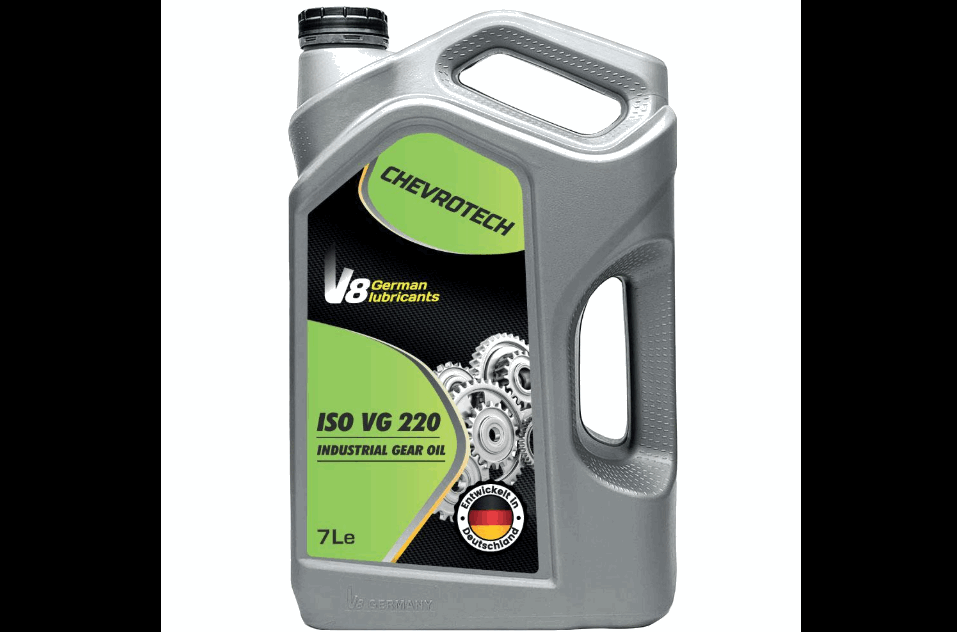
What Is an ISO 220 Gear Oil Equivalent?
An ISO 220 gear oil equivalent is a lubricant that meets the same viscosity requirement and satisfies the performance needs of the target gearbox. The term “ISO 220” refers to the oil’s viscosity grade. It does not identify one specific brand or product.
ISO VG 220 describes the oil’s viscosity classification. This classification helps users select a lubricant with the required flow and film characteristics for an application. However, two oils with the same ISO VG 220 grade can still differ in formulation and performance. Their additive systems, application recommendations, and manufacturer specifications may not match.
For this reason, viscosity provides only the first comparison point. You should also check the gearbox manufacturer’s lubricant requirements and the replacement oil’s technical data. These details help determine whether the alternative oil fits the equipment.
A true equivalent therefore requires more than a matching viscosity number. The replacement should provide the required lubrication performance under the same operating conditions. For example, a gearbox that requires ISO VG 220 oil may also require specific performance characteristics for its load, speed, temperature, or gear design.
The safest approach starts with the equipment specification. Confirm the required viscosity first, then compare the complete lubricant requirements. This method helps prevent an incorrect replacement based only on the label “220.”
What Is the Viscosity of ISO VG 220 Gear Oil?
ISO VG 220 identifies a gear oil by its viscosity grade. The number 220 distinguishes this grade from other ISO viscosity grades. However, the viscosity grade does not describe every performance property of the lubricant.
Viscosity affects how a gear oil flows and supports lubrication inside a gearbox. Operating temperature also matters because lubricant behavior changes as temperature changes. A suitable oil must therefore provide the required viscosity under the conditions where the gearbox operates.
ISO VG 220 also differs from nearby viscosity grades such as ISO VG 150 and ISO VG 320. These grades represent different viscosity levels. You should not treat them as automatic substitutes for ISO VG 220. The correct choice depends on the equipment requirements and operating conditions.
The available source material identifies ISO VG 220 as the relevant viscosity grade for this discussion. It does not provide a specific kinematic viscosity range for ISO VG 220. Therefore, a product comparison should use the manufacturer’s technical data sheet rather than assume an exact viscosity value from the product name alone.
When you compare an ISO 220 gear oil equivalent, check the stated viscosity grade first. Then compare the product specifications with the gearbox requirements. This approach separates viscosity matching from complete lubricant equivalence and reduces the risk of choosing a replacement based only on the number 220.
What Specifications Should an ISO 220 Gear Oil Equivalent Meet?
An ISO 220 gear oil equivalent should meet the lubricant specifications required by the gearbox. ISO VG 220 confirms the viscosity grade, but it does not define the complete performance profile of the oil. You should therefore compare the replacement product with the original lubricant and the equipment requirements.
Start with the gearbox manufacturer’s specification. The manufacturer may define the required viscosity, performance level, additive requirements, or lubricant type. These requirements provide the most relevant reference when you evaluate a replacement. A product that matches ISO VG 220 but fails another required specification may not provide suitable protection.
You should also compare the performance information on the product technical data sheet. Look for the specifications that apply to the gearbox and its operating conditions. These details can include API classification, AGMA requirements, and EP performance where the equipment requires them. The exact requirements depend on the gearbox and lubricant application.
Additive technology also matters when you compare two gear oils. Different formulations can provide different performance characteristics even when both products use the ISO VG 220 viscosity grade. Compatibility can also affect the replacement decision, especially when the new oil will mix with residual lubricant in the equipment.
The key principle is to compare the complete lubricant requirements rather than the viscosity grade alone. A suitable ISO 220 gear oil equivalent should match the required viscosity and satisfy the gearbox’s specified performance requirements.
How Do You Choose the Right ISO 220 Gear Oil Equivalent?
Choose the right ISO 220 gear oil equivalent by checking seven key factors. Start with the lubricant currently used in the gearbox. Record its brand, product name, viscosity grade, and stated specifications. This information gives you a clear reference for the replacement.
Next, confirm the required ISO viscosity grade. If the equipment specifies ISO VG 220, use that requirement as the starting point. Do not assume that a nearby viscosity grade provides the same lubrication performance.
Then, check the gearbox manufacturer’s lubricant specification. The equipment may require specific performance characteristics in addition to the ISO viscosity grade. Compare those requirements with the replacement product’s technical data sheet.
After that, evaluate the operating conditions. Temperature, gear speed, and load can affect lubricant selection. A replacement must suit the conditions inside the gearbox, not simply match the viscosity label.
You should also check the gear type and application. Different gearbox designs can have different lubrication requirements. Confirm that the replacement product supports the intended equipment and operating environment.
Next, compare the complete specifications of both lubricants. Check viscosity, performance classifications, additive information, application recommendations, and other requirements listed by the manufacturer. This comparison helps identify differences that the ISO VG number cannot show.
Finally, verify compatibility before changing the lubricant. If the available information does not clearly confirm suitability, consult the equipment or lubricant manufacturer. This step reduces the risk of selecting an oil that matches ISO VG 220 but does not meet the gearbox’s complete requirements.
Can You Replace ISO 220 Gear Oil With Another Viscosity Grade?
You should not replace ISO VG 220 gear oil with another viscosity grade based only on a small difference in viscosity. The correct alternative depends on the gearbox specification and operating conditions. A different ISO grade may change how the lubricant flows and performs inside the gearbox.
Operating temperature plays an important role in this decision. Lubricant behavior changes as temperature changes, so the required viscosity must suit the actual operating environment. Gear speed and load also affect lubricant selection because they influence the lubrication conditions inside the gearbox.
For example, ISO VG 150 and ISO VG 320 sit near ISO VG 220 in the viscosity range, but proximity does not make either grade an automatic replacement. The gearbox manufacturer may specify ISO VG 220 for a particular combination of gear type, speed, load, and temperature.
You can consider another viscosity grade when the equipment manufacturer explicitly permits an alternative. The replacement should also meet the required performance specifications and application requirements. Without that confirmation, changing the viscosity grade introduces an unnecessary compatibility and lubrication risk.
When the gearbox specifically calls for ISO VG 220, keeping the specified grade provides the clearest starting point. If you need to use another grade, compare the complete technical requirements first. Check the equipment manual and the replacement product’s technical data before making the change.
Which Gearboxes Use ISO 220 Gear Oil?
ISO 220 gear oil can serve industrial gearbox applications that require the ISO VG 220 viscosity grade. The correct gearbox type depends on the manufacturer’s lubricant specification. You should not assume that every gearbox within a specific design category requires ISO VG 220.
Industrial gearboxes can include helical, bevel, spur, and worm gearboxes. Gear reducers and enclosed gear drives also use industrial gear lubricants. However, each application can require a different viscosity grade and performance level. The equipment specification should therefore guide the lubricant selection.
Gearbox design affects lubrication requirements because different gear arrangements create different operating conditions. Gear speed, load, temperature, and gear contact can influence the lubricant needed for reliable operation. These factors explain why the same ISO viscosity grade does not automatically suit every gearbox.
When you need an ISO 220 gear oil equivalent, identify the gearbox model before choosing a replacement. Check the equipment manual or manufacturer’s lubricant recommendation. Then compare the specified viscosity and performance requirements with the replacement oil’s technical data.
This approach prevents a common selection mistake. A lubricant may carry the ISO VG 220 designation and still fail to meet the requirements of a particular gearbox. The gearbox specification should determine whether ISO 220 gear oil is appropriate for the application.
How Do Operating Conditions Affect ISO 220 Gear Oil Selection?
Operating conditions affect ISO 220 gear oil selection because temperature, speed, and load influence how the lubricant performs inside a gearbox. The ISO VG 220 grade provides a viscosity reference, but the operating environment determines whether that viscosity suits the application.
Temperature is one of the key factors to check. Lubricant viscosity changes as temperature changes. A gearbox operating under different thermal conditions can therefore require different lubrication characteristics. You should compare the expected operating temperature with the lubricant manufacturer’s recommendations before selecting an ISO 220 gear oil equivalent.
Gear speed also affects lubricant selection. Faster gear movement changes the lubrication conditions inside the gearbox. Load creates another important consideration because higher mechanical loads can increase the demands placed on the lubricant and gear surfaces. The replacement oil should therefore meet the performance requirements specified for the equipment.
Gear type provides another important part of the selection process. Helical, bevel, spur, and worm gearboxes can create different lubrication conditions. The gearbox manufacturer can specify the appropriate viscosity and performance requirements for each application.
When evaluating an ISO 220 gear oil equivalent, consider the complete operating environment rather than the viscosity grade alone. The right replacement should match the required viscosity and perform under the gearbox’s actual temperature, speed, load, and gear conditions.
How Can You Verify an ISO 220 Gear Oil Equivalent Before Using It?
Verify an ISO 220 gear oil equivalent by comparing the replacement lubricant with the gearbox requirements. Start with the equipment manual and identify the specified viscosity grade. Confirm that the equipment requires ISO VG 220 before comparing alternative products.
Next, identify the lubricant currently in use. Record its product name, viscosity grade, and available specifications. This information gives you a reference for comparing the replacement oil.
Review the replacement product’s technical data sheet after you confirm the basic requirements. Compare its viscosity grade, performance specifications, application recommendations, and additive information with the existing lubricant and gearbox requirements. Do not rely on the product name or the number 220 alone.
You should also check the operating conditions. Confirm that the replacement suits the gearbox’s temperature, speed, load, and gear type. These factors help determine whether the lubricant can meet the equipment’s lubrication requirements.
Finally, check compatibility before you change the oil. If the technical data does not clearly confirm suitability, contact the equipment manufacturer or lubricant manufacturer for guidance. This step provides additional verification when the available specifications do not give you a clear answer.
A proper verification process compares viscosity, specifications, equipment requirements, operating conditions, and compatibility. This approach gives you a stronger basis for selecting an ISO 220 gear oil equivalent.
What Should You Compare on Two Gear Oil Technical Data Sheets?
Compare the technical data sheets before you choose an ISO 220 gear oil equivalent. Start with the ISO viscosity grade because it confirms whether both products meet the same viscosity requirement. Then review the other specifications that affect the lubricant’s suitability for the gearbox.
Check the kinematic viscosity and other stated viscosity properties. These values provide more detail than the ISO VG designation alone. Also compare the performance classifications listed by each manufacturer. Depending on the application, these may include API or AGMA specifications and EP performance requirements.
Review the recommended applications for both products. The technical data sheet should indicate the equipment or operating conditions that the lubricant supports. Compare these recommendations with the gearbox manufacturer’s requirements. A product with the correct viscosity may still lack the performance characteristics required by the equipment.
You should also review additive information and operating recommendations. Different formulations can use different additive systems, which can affect lubricant performance and compatibility. Check whether the manufacturer provides specific guidance for gear type, temperature, load, or speed.
Finally, look for OEM approvals or recommendations when the manufacturer provides them. These details can strengthen your evaluation of a replacement product. The best comparison checks the complete technical profile rather than matching the ISO VG 220 label alone.
How Can You Choose the Right ISO 220 Gear Oil Equivalent?
Choose an ISO 220 gear oil equivalent by matching the lubricant to the gearbox requirements, not by matching the number 220 alone. ISO VG 220 confirms the viscosity grade, but it does not confirm complete lubricant equivalence.
Start with the gearbox manufacturer’s specification. Confirm the required viscosity and performance requirements. Then compare the current lubricant with the replacement product using their technical data sheets. Check viscosity, performance classifications, application recommendations, additive information, and compatibility.
Operating conditions also affect the final decision. Temperature, gear speed, load, and gear type can influence lubricant selection. A replacement should suit the conditions inside the gearbox and meet the manufacturer’s requirements.
Do not assume that ISO VG 150 or ISO VG 320 can replace ISO VG 220 simply because these grades sit nearby in the viscosity range. Use another viscosity grade only when the equipment specification or lubricant manufacturer supports the change.
The most reliable selection process follows a simple principle. Choose an ISO 220 gear oil equivalent that matches the required viscosity, performance specifications, equipment requirements, and operating conditions. This approach provides a stronger basis for lubricant replacement than viscosity matching alone.