Car ownership is no longer the only way to access a reliable and modern vehicle. In recent years, subscription based mobility services have gained attention among drivers who want flexibility, convenience, and predictable monthly expenses. Instead of committing to a long term purchase or navigating the complexities of a lease agreement, many consumers are exploring vehicle subscriptions as a simpler alternative. This shift has led to growing interest in Volvo Subscription, a service designed to provide access to premium Volvo vehicles through a single monthly payment.
At first glance, the concept sounds appealing. A monthly fee often covers the vehicle, maintenance, roadside assistance, and in some markets, insurance. For busy professionals, families with changing transportation needs, and drivers who prefer hassle free vehicle access, the subscription model can seem like an attractive solution. However, convenience often comes at a price, raising an important question: Is Volvo Subscription worth it?
The answer depends on several factors, including your driving habits, financial priorities, and long term transportation goals. While some drivers may appreciate the flexibility and simplicity of a subscription, others may find that leasing or purchasing offers better overall value. Understanding the true cost and benefits of the program is essential before making a decision.
In this comprehensive guide, we will examine how Volvo Subscription works, explore its pricing structure, compare it with leasing and buying, and evaluate the advantages and disadvantages that matter most to modern drivers. By the end of this analysis, you will have a clear understanding of whether Volvo Subscription is the right choice for your lifestyle and budget.
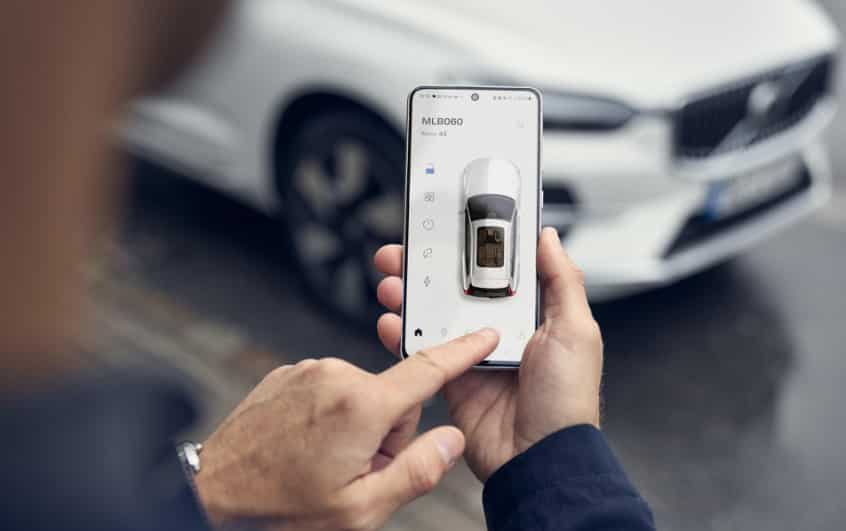
What Is Volvo Subscription?
Volvo Subscription offers a modern alternative to traditional car ownership. Instead of buying a vehicle or signing a long term lease, drivers pay a fixed monthly fee to access a Volvo. This model focuses on convenience, flexibility, and predictable costs.
Volvo introduced the subscription program to simplify the driving experience. Many drivers dislike managing maintenance appointments, service bills, and other vehicle related expenses. The subscription model combines several of these costs into one monthly payment. As a result, drivers spend less time handling paperwork and more time enjoying their vehicles.
In many markets, Volvo offers this service through the Care by Volvo program. Subscribers receive access to a vehicle along with several included services. These often include routine maintenance, scheduled servicing, and roadside assistance. Some markets also include insurance coverage. The exact benefits depend on the country and subscription package.
A major advantage of Volvo Subscription is flexibility. Traditional auto loans often lock drivers into long financial commitments. Vehicle ownership also comes with long term responsibilities. Volvo Subscription gives drivers more freedom to adjust their transportation needs. This benefit appeals to people who move frequently, change jobs, or prefer driving newer vehicles.
The program typically includes some of Volvo’s most popular models. Drivers may choose vehicles such as the Volvo XC40, Volvo XC60, or Volvo XC90. Many of these models offer advanced safety systems, premium interiors, and modern technology features. Some markets also provide access to hybrid and electric vehicles.
Volvo Subscription does not suit every driver. The program targets people who value convenience more than long term ownership. It also attracts drivers who want predictable monthly expenses and fewer vehicle related responsibilities.
Understanding how the program works is only the beginning. To determine whether Volvo Subscription delivers real value, it is important to examine its costs. Pricing, mileage limits, fees, and contract terms all play a major role in the overall value proposition.
How Much Does Volvo Subscription Cost?
Cost is often the deciding factor for drivers who consider a vehicle subscription. While Volvo Subscription offers convenience and flexibility, many consumers want to know whether those benefits justify the monthly expense. Understanding the full pricing structure helps drivers make a more informed decision.
The monthly cost of Volvo Subscription varies by model, location, and available package. Premium SUVs such as the Volvo XC60 and Volvo XC90 typically cost more than smaller models like the Volvo XC40. Vehicle type, trim level, and included services also influence the final monthly payment.
One reason many drivers choose Volvo Subscription is cost predictability. Instead of paying for maintenance, servicing, and roadside assistance separately, subscribers usually receive these services as part of the package. This structure makes budgeting easier because most vehicle related expenses remain fixed throughout the subscription period.
However, the monthly payment does not always represent the total cost. Drivers should review the agreement carefully before signing. Some plans may include additional charges for excess wear, damage beyond normal use, or early contract termination. These costs can increase the overall expense if drivers fail to follow the terms of the subscription.
Mileage limits also play an important role in the total value of the program. Most subscription plans include a specific annual mileage allowance. Drivers who exceed that limit may need to pay additional fees. For people who commute long distances or travel frequently, these charges can add up quickly over time.
Insurance coverage can also affect overall costs. In some markets, Volvo includes insurance within the monthly payment. In others, drivers must purchase their own policy. Understanding what the subscription includes can prevent unexpected expenses later.
When comparing Volvo Subscription with leasing or buying, the monthly payment often appears higher at first. However, subscribers receive several bundled services that would otherwise require separate payments. The real question is not whether the subscription costs more each month. The more important question is whether the added convenience and included benefits provide enough value for your specific needs.
Before deciding if Volvo Subscription is worth the cost, it is important to look beyond the price tag. Examining the benefits of the program reveals why many drivers choose a subscription model despite the higher monthly payment.
What Are the Main Benefits of Volvo Subscription?
Many drivers choose Volvo Subscription because they want a simpler way to access a vehicle. Instead of managing multiple expenses and responsibilities, they prefer a solution that combines several services into one monthly payment. This approach creates a level of convenience that traditional ownership and leasing often struggle to match.
One of the biggest advantages is predictable monthly spending. Car ownership can bring unexpected expenses throughout the year. Maintenance costs, repair bills, and service appointments can disrupt a carefully planned budget. Volvo Subscription reduces much of this uncertainty by including several vehicle related services within the subscription package. Drivers know what they will pay each month, making financial planning easier.
The program also reduces the burden of vehicle maintenance. Regular servicing helps keep a vehicle in good condition, but scheduling appointments and paying service costs can become inconvenient. Volvo handles much of this process through the subscription program. As a result, subscribers spend less time worrying about maintenance and more time enjoying their vehicles.
Flexibility is another major benefit. Many drivers hesitate to commit to a long term purchase because their needs may change. A growing family may require a larger vehicle in the future. A professional relocation may create different transportation needs. Volvo Subscription offers a more adaptable solution than traditional ownership. This flexibility appeals to consumers who value convenience and lifestyle changes.
Access to newer vehicles also attracts many subscribers. Modern Volvo models include advanced safety technology, premium interior features, and updated connectivity systems. Through a subscription program, drivers can experience these innovations without making a large financial commitment. This advantage is especially appealing to people who enjoy driving the latest models.
Safety remains one of Volvo’s strongest selling points. Many subscription vehicles include driver assistance systems, collision avoidance technology, and advanced safety features. These innovations help create a more confident driving experience while supporting Volvo’s reputation for vehicle safety.
The subscription model can also save time. Traditional vehicle ownership often involves financing discussions, maintenance scheduling, and resale concerns. Volvo Subscription simplifies many of these responsibilities. Drivers can focus on using the vehicle rather than managing every aspect of ownership.
For some consumers, convenience alone justifies the additional cost. They value simplicity, flexibility, and predictable expenses more than long term ownership benefits. These drivers often view Volvo Subscription as a practical lifestyle solution rather than a purely financial decision.
While the benefits are attractive, no transportation solution is perfect. To determine whether Volvo Subscription offers good value, it is equally important to examine the potential drawbacks and limitations of the program.
What Are the Drawbacks of Volvo Subscription?
Although Volvo Subscription offers convenience and flexibility, it is not the ideal solution for every driver. Before committing to a subscription plan, it is important to understand the limitations that may affect its overall value.
The most common concern is cost. In many cases, a Volvo Subscription costs more per month than a comparable lease. The higher price reflects the convenience and bundled services included in the program. However, drivers who focus primarily on minimizing transportation expenses may find it difficult to justify the additional monthly payment.
Another drawback is the lack of ownership. When drivers purchase a vehicle, they build equity over time and eventually own the asset. A subscription does not provide this benefit. Monthly payments grant access to the vehicle, but subscribers do not gain ownership rights. Once the agreement ends, they return the vehicle without any ownership value to show for the money spent.
Mileage restrictions can also create challenges. Most subscription plans include annual mileage limits. Drivers who exceed those limits may face additional charges. While occasional drivers may never notice this restriction, frequent commuters and long distance travelers should evaluate mileage allowances carefully before choosing a subscription.
Vehicle customization is another area where subscriptions fall short. Owners often personalize their vehicles with aftermarket upgrades, custom wheels, or appearance modifications. Subscription agreements typically limit these changes because the vehicle remains the property of the provider. Drivers who enjoy customizing their cars may find this restriction frustrating.
Availability can also limit the appeal of Volvo Subscription. Not every market offers the same vehicles, services, or subscription terms. Some regions provide more options than others. As a result, drivers may not always find the exact model or package they want through the program.
Long term costs deserve special attention as well. A subscription may seem attractive in the short term because it simplifies vehicle management. However, drivers who keep vehicles for many years often spend less through ownership. Over time, repeated subscription payments can exceed the cost of purchasing and maintaining a vehicle.
These drawbacks do not automatically make Volvo Subscription a poor choice. Instead, they highlight the importance of matching the program to your personal driving habits and financial goals. For some people, convenience outweighs the higher cost. For others, ownership delivers better long term value.
To understand where Volvo Subscription truly stands, it is useful to compare it directly with one of its closest alternatives: vehicle leasing.
Volvo Subscription vs Leasing
Many drivers compare Volvo Subscription with leasing because both options provide access to a new vehicle without requiring full ownership. While they may appear similar at first, important differences exist in cost, flexibility, and overall convenience. Understanding these differences can help drivers choose the option that best fits their needs.
A traditional lease focuses primarily on vehicle financing. Drivers agree to use a vehicle for a fixed period and make monthly payments throughout the contract. In most cases, the lease payment covers only the vehicle itself. The driver remains responsible for insurance, maintenance costs outside warranty coverage, registration fees, and other related expenses.
Volvo Subscription takes a different approach. The program combines several vehicle related services into a single monthly payment. Depending on the market, subscribers may receive maintenance, roadside assistance, and other benefits as part of the package. This structure creates a simpler ownership experience and reduces the number of separate expenses drivers need to manage.
Cost is often the biggest factor in the comparison. Leasing generally offers lower monthly payments than a subscription. Budget conscious drivers may find leasing more attractive because it reduces recurring expenses. However, the lower payment does not always tell the complete story. Drivers must still account for insurance, maintenance, and other ownership related costs when calculating the total expense of a lease.
Flexibility is another key difference. Lease agreements usually require drivers to commit to a fixed contract period. Ending the agreement early can result in significant penalties. Volvo Subscription often provides greater flexibility, making it easier for drivers to adapt to changing transportation needs. This advantage appeals to people who expect lifestyle changes, career moves, or evolving family requirements.
Vehicle upgrades can also influence the decision. Some subscribers appreciate the opportunity to access newer vehicles more easily. Leasing can provide similar benefits, but the process often involves waiting until the lease term expires. Drivers who enjoy experiencing the latest technology and safety features may view subscription services as a more convenient solution.
Mileage limitations apply to both options. Lease agreements and subscription programs typically include annual mileage allowances. Drivers should compare these limits carefully because excess mileage fees can increase total costs. High mileage drivers may find that neither option delivers the best long term value.
The choice ultimately depends on priorities. Drivers who want the lowest possible monthly payment often prefer leasing. Those who value simplicity, convenience, and bundled services may find greater value in Volvo Subscription. Neither option is universally better. The right choice depends on how much importance a driver places on flexibility and ease of use.
While leasing and subscriptions share many similarities, buying a vehicle introduces an entirely different financial equation. Comparing Volvo Subscription with ownership provides a clearer picture of its long term value.
Volvo Subscription vs Buying
Buying a car represents the most traditional form of vehicle access. Drivers either pay upfront or finance the purchase over several years. Once the loan is fully paid, the vehicle becomes an owned asset. This ownership model creates a clear long term financial structure that differs significantly from Volvo Subscription.
The main advantage of buying is ownership. Drivers build equity in the vehicle over time. They also have the freedom to keep the car for as long as they want. This can lead to lower long term costs, especially for people who maintain their vehicles well and drive them for many years.
Volvo Subscription does not provide ownership. Monthly payments only grant access to the vehicle for a specific period. Once the subscription ends, the driver returns the car. There is no resale value or equity benefit. This difference is important when comparing long term financial outcomes.
Upfront costs also differ greatly. Buying a vehicle usually requires a down payment or full purchase price. This can create a significant financial barrier for some drivers. Volvo Subscription removes this barrier by offering access without large initial payments. This makes it easier for drivers to get into a new vehicle without major upfront spending.
Maintenance responsibilities also vary. Vehicle owners must handle maintenance, repairs, and long term care. While warranties may cover some costs, ownership still involves more responsibility than a subscription. Volvo Subscription simplifies this process by including many services in the monthly payment. This reduces the time and effort needed to manage the vehicle.
Depreciation is another important factor. Vehicles lose value over time, and owners absorb that loss when they sell or trade in their car. Subscription users do not face resale risk because they do not own the vehicle. However, they also do not benefit from any remaining value at the end of use.
Flexibility favors subscription services. Buying a car creates a long term commitment. Changing vehicles requires selling or trading in the existing one, which can take time and reduce financial returns. Volvo Subscription allows drivers to change vehicles more easily, depending on the terms of the program.
In terms of total cost, buying is often more economical over many years. However, the savings come with added responsibilities and reduced flexibility. Volvo Subscription costs more in the short term, but it delivers convenience and simplicity in return.
The decision between buying and subscribing depends on lifestyle priorities. Drivers who want long term value and ownership benefits may prefer purchasing a vehicle. Those who prioritize convenience, flexibility, and predictable monthly costs may find subscription services more appealing.
To make the final decision clearer, it is important to identify which types of drivers benefit most from Volvo Subscription and which drivers should avoid it.
Who Should Consider Volvo Subscription?
Volvo Subscription fits a specific group of drivers who value convenience and flexibility more than long term ownership. It works best for people who want a simple driving experience without dealing with the usual responsibilities of owning a car.
Urban professionals are among the main target users. These drivers often prefer predictable monthly costs and do not want to spend time managing maintenance or insurance details. A subscription allows them to focus on work and daily life while still having access to a modern and safe vehicle.
People who frequently change locations also benefit from this model. Relocating for work or personal reasons can make long term vehicle ownership inconvenient. Volvo Subscription gives these drivers the ability to use a car without committing to a multi year purchase or lease agreement.
Drivers who enjoy upgrading to newer vehicles may also find value in the subscription model. Instead of waiting for a lease to end or going through the process of selling a car, they can access newer Volvo models more easily depending on availability. This appeals to users who value technology updates and modern safety features.
The subscription model can also suit drivers who prefer predictable budgeting. Since many costs are bundled into one monthly payment, it becomes easier to manage transportation expenses. This can help individuals who want to avoid unexpected repair or maintenance bills.
In addition, drivers who are interested in electric or hybrid vehicles may consider Volvo Subscription as a way to test newer technologies. It allows them to experience different models without committing to long term ownership, which reduces financial risk when exploring new vehicle types.
Overall, Volvo Subscription works best for users who prioritize simplicity, flexibility, and convenience over long term cost savings or asset ownership.
However, not every driver will benefit from this model. There are clear situations where a subscription may not be the most practical choice, especially for those with different driving habits or financial goals.
Who Should Avoid Volvo Subscription?
Volvo Subscription is not suitable for every driver. While it offers convenience and flexibility, some users may find better value through leasing or buying, especially when long term cost efficiency is a priority.
High mileage drivers are one of the groups that may struggle with this model. Subscription plans usually include annual mileage limits. Drivers who commute long distances or travel frequently can exceed these limits quickly. When that happens, extra fees can significantly increase the total cost of the subscription.
Long term vehicle owners may also find subscription services less attractive. People who typically keep their cars for many years often benefit more from ownership. Over time, buying a vehicle can become more cost effective than paying continuous monthly subscription fees. These drivers usually prefer building long term value rather than paying for temporary access.
Budget focused consumers should also carefully evaluate the costs. Although Volvo Subscription includes several bundled services, the monthly payment is often higher than leasing or financing a vehicle. For drivers who prioritize minimizing monthly expenses, this difference can be a deciding factor.
Drivers who enjoy customizing their vehicles may not be satisfied with the subscription model. Subscription agreements usually restrict modifications to protect the condition of the vehicle. This limitation can be frustrating for users who prefer personalized cars with aftermarket upgrades or styling changes.
People who want to build financial assets through vehicle ownership may also avoid subscriptions. Since subscribers do not own the car, there is no resale value or equity accumulation. This makes subscription less appealing for individuals who see a car as a long term investment.
In general, Volvo Subscription does not work well for drivers who prioritize cost efficiency, ownership benefits, or high usage flexibility. These users often achieve better value through traditional ownership or leasing options.
Understanding both the advantages and limitations of the subscription model helps create a balanced perspective. The next step is to bring these insights together and evaluate the real world scenarios where Volvo Subscription delivers the most value.
Real World Scenarios: When Volvo Subscription Makes Sense
To understand the real value of Volvo Subscription, it helps to look at practical situations where the service fits naturally into a driver’s lifestyle. These scenarios show when the subscription model becomes more useful than leasing or buying.
One common scenario involves business professionals who live in major cities. These drivers often need a reliable vehicle but do not want long term commitments or unexpected maintenance costs. Volvo Subscription gives them access to a premium car with predictable monthly expenses. This makes budgeting easier and reduces time spent managing vehicle related tasks.
Another scenario includes families who relocate frequently. Moving between cities or countries can make vehicle ownership complicated. Selling or transferring a car takes time and effort. With Volvo Subscription, families can simply return the vehicle when their situation changes. This flexibility reduces stress during transitions and supports a more mobile lifestyle.
A third scenario applies to drivers who want to test electric or hybrid vehicles. Many people are interested in new automotive technology but hesitate to commit to a full purchase. Volvo Subscription allows them to experience models like hybrid or electric Volvo vehicles without long term financial risk. This helps drivers evaluate whether the technology fits their daily needs.
Frequent vehicle upgraders also benefit from the subscription model. These drivers enjoy using the latest models with updated safety features and technology. Instead of waiting for a lease term to end or dealing with resale processes, they can switch vehicles more easily depending on availability and program terms.
In each of these cases, Volvo Subscription offers value through convenience and flexibility rather than long term savings. The model works best when the driver prioritizes simplicity and adaptability over ownership benefits.
With these real world scenarios in mind, it becomes easier to evaluate the most common questions drivers have about Volvo Subscription. The following section addresses key concerns that often influence the final decision.
Frequently Asked Questions
Understanding Volvo Subscription often requires clear answers to practical questions. Many drivers want to know how the program works in real situations before making a decision.
Is Volvo Subscription Cheaper Than Leasing?
Volvo Subscription is usually more expensive than leasing on a monthly basis. However, it includes additional services such as maintenance and roadside assistance. Leasing may appear cheaper, but drivers often pay extra for services that are already bundled in a subscription.
Does Volvo Subscription Include Insurance?
In some markets, insurance is included in the monthly payment. In other regions, drivers must arrange their own insurance. The exact coverage depends on the country and the specific subscription plan.
Can You Cancel a Volvo Subscription Early?
Early cancellation is possible in many cases, but it may come with fees. The exact terms depend on the agreement. Drivers should always review the contract details before signing to understand any penalties.
Are Maintenance Costs Included?
Yes, most Volvo Subscription plans include regular maintenance and servicing. This reduces the need for separate service payments and helps drivers avoid unexpected repair costs.
Can You Switch Vehicles During Your Subscription?
Some subscription programs allow vehicle changes, but this depends on availability and local policy. In many cases, switching vehicles is easier than ending a lease and starting a new one.
Is Volvo Subscription Available Everywhere?
No, availability varies by region. Some countries offer full subscription programs, while others provide limited or no access. Drivers should check local Volvo offerings to confirm availability.
Who Benefits Most From Volvo Subscription?
Drivers who value convenience, flexibility, and predictable costs benefit the most. It is especially suitable for urban professionals, frequent movers, and users who prefer short term vehicle access rather than long term ownership.
With these answers in mind, it becomes easier to evaluate the final decision. The next section summarizes the overall value of Volvo Subscription and provides a clear conclusion.
Final Verdict: Is Volvo Subscription Worth It?
Volvo Subscription offers a modern approach to vehicle access that focuses on convenience, flexibility, and predictable monthly costs. It removes many of the traditional responsibilities that come with car ownership. At the same time, it introduces a pricing model that is not always the most cost efficient option.
The main advantage of Volvo Subscription is simplicity. Drivers pay a single monthly fee and receive access to a vehicle along with bundled services such as maintenance and roadside assistance. In some markets, insurance is also included. This structure reduces administrative work and helps drivers avoid unexpected expenses.
However, the subscription model is not designed for everyone. The total cost is often higher than leasing or buying a vehicle over the long term. Drivers also do not build equity or gain ownership value. For people who prioritize financial efficiency or long term investment, this can be a significant disadvantage.
Volvo Subscription works best for drivers who value flexibility. It suits people who move frequently, change vehicles often, or prefer short term access without long commitments. It also appeals to those who want a hassle free driving experience with minimal maintenance concerns.
Leasing and buying remain stronger options for drivers who want lower long term costs or vehicle ownership. These options provide better financial value over time, especially for high mileage users or long term car owners.
In conclusion, Volvo Subscription is worth it only for a specific group of drivers. It delivers strong value in terms of convenience and flexibility, but it is not the most economical choice for everyone. The right decision depends on your driving habits, financial goals, and how much you value simplicity over ownership.
For many drivers, the best choice comes down to a simple trade off. If you want maximum convenience and minimal responsibility, Volvo Subscription can be a good fit. If your priority is long term savings and ownership, leasing or buying is usually the better option.