Imagine you’re on a long road trip with your family. The kids are streaming their favorite shows in the back seat, someone is attending a virtual meeting, and another passenger is browsing social media. Your vehicle’s built in WiFi hotspot keeps everyone connected without relying on individual phone plans. Naturally, one question comes to mind: Is OnStar WiFi unlimited?
The short answer is yes, but with important conditions. While OnStar offers unlimited data plans for eligible General Motors vehicles, “unlimited” does not always mean unrestricted. Like many wireless internet services, your experience can be affected by factors such as network congestion, coverage availability, your selected data plan, and the wireless carrier that provides the connection. Understanding these details is essential before subscribing so you know exactly what to expect.
Many GM owners also confuse OnStar services with OnStar WiFi. Although they work together, they are not the same product. An OnStar Safety & Security subscription does not automatically include unlimited WiFi, and a separate data plan may be required to access your vehicle’s built in hotspot. This misunderstanding often leads to unexpected costs or disappointment after purchasing a new Chevrolet, GMC, Buick, or Cadillac.
In this comprehensive guide, you’ll learn whether OnStar WiFi is truly unlimited, how the service works, what data plans are available, how much they cost, potential speed limitations, coverage areas, and whether the subscription is worth the investment in 2026. By the end of this article, you’ll have all the information you need to decide if OnStar WiFi is the right connectivity solution for your vehicle and your lifestyle.
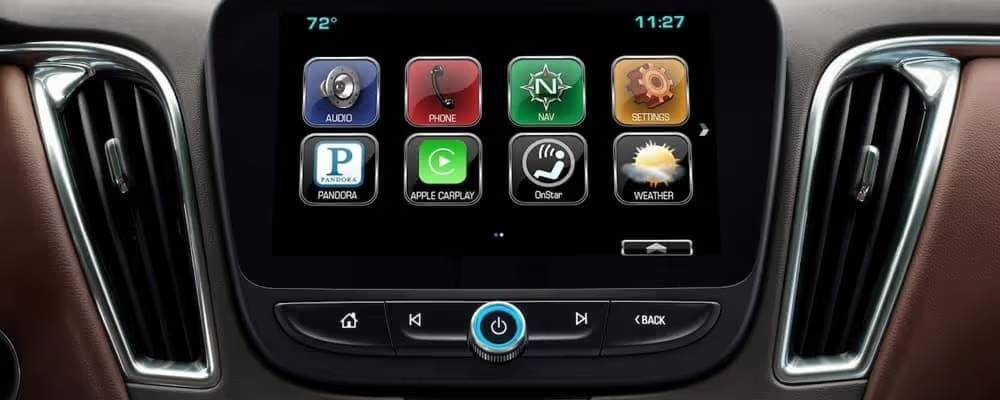
Is OnStar WiFi Unlimited?
Yes, OnStar offers unlimited WiFi for compatible Chevrolet, GMC, Buick, and Cadillac vehicles, but only when the vehicle is enrolled in an eligible plan that includes unlimited hotspot data. The WiFi capability built into the vehicle does not provide free internet by itself. You need an active OnStar plan with hotspot access before passengers can browse the web, stream entertainment, or connect other devices.
As of 2026, OnStar lists unlimited in-vehicle WiFi as part of plans such as Connect Plus and OnStar One. Connect Plus starts at $19.99 per month or $199 per year, while OnStar One starts at $34.99 per month. Prices, included services, introductory offers, and vehicle eligibility can vary, so owners should verify the options attached to their specific vehicle identification number before subscribing.
The word “unlimited” generally means that the plan does not come with a traditional fixed allowance such as 2 GB, 10 GB, or 20 GB. You do not normally lose hotspot access simply because your passengers streamed several movies or downloaded a large amount of content. OnStar specifically describes Connect Plus as including unlimited data for the in-vehicle WiFi hotspot, with support for activities such as video streaming and gaming when the vehicle has the necessary equipment.
However, unlimited data should not be interpreted as a promise of unlimited speed, uninterrupted service, or coverage everywhere. The hotspot depends on a cellular network. Its performance can change according to signal strength, local network congestion, terrain, weather conditions, vehicle hardware, and the number of connected devices.
For example, a family driving through a major city may be able to stream video, use navigation, answer emails, and browse social media at the same time. The same family could experience slower loading or temporary disconnections while driving through mountains, remote highways, underground parking areas, or places with weak cellular coverage.
This distinction matters because many buyers assume that the OnStar name itself guarantees internet access. OnStar is a broader collection of connected vehicle services. Depending on the selected plan, it may include emergency assistance, vehicle location features, remote commands, navigation, entertainment, and hotspot data. A basic safety or connectivity feature does not automatically mean that unlimited passenger WiFi is included.
OnStar’s support information states that an eligible OnStar plan is required to power the vehicle’s available WiFi hotspot. Therefore, seeing a WiFi setting on the infotainment screen does not necessarily mean the vehicle currently has an active internet connection. The hardware may be installed, but the data service can remain inactive after a trial or subscription expires.
Another important consideration is the number of supported devices. Current OnStar marketing for newer compatible systems says that the in-vehicle hotspot can power up to 18 devices. Older vehicles and previous hardware generations may support fewer connections, with some earlier systems commonly supporting up to seven devices. The actual limit depends on the vehicle model, model year, modem, and connected-services equipment.
Connecting the maximum number of devices does not mean that every device will receive the same performance. All connected phones, tablets, laptops, gaming systems, and entertainment screens share the vehicle’s available cellular connection. If several passengers stream high-resolution video simultaneously, each user may notice slower speeds than someone traveling alone.
The most accurate answer to “Is OnStar WiFi unlimited?” is therefore yes, provided that your compatible vehicle has an active plan that specifically includes unlimited hotspot data. The amount of data may be unlimited, but network availability and real-world performance are not guaranteed in every location.
How OnStar WiFi Actually Works
OnStar WiFi turns a compatible GM vehicle into a mobile wireless hotspot. Instead of asking a passenger’s smartphone to create the connection, the vehicle uses its built-in modem and external antenna to connect to a cellular network. Phones, laptops, tablets, and other compatible devices can then join the vehicle’s private WiFi network using a hotspot name and password.
This setup can be more convenient than using a phone hotspot because the vehicle supplies power to the system. You do not have to worry about the phone battery draining quickly during a long trip. OnStar also says that the vehicle’s built-in connection can provide a stronger signal and better bandwidth than a smartphone in some situations. The vehicle generally needs to be running or placed in accessory mode for the hotspot to operate.
The hotspot works through several connected components:
- The vehicle’s modem communicates with the cellular network.
- The roof-mounted or integrated vehicle antenna receives and transmits the cellular signal.
- The infotainment system creates a local WiFi network inside and near the vehicle.
- Passengers connect their devices using the hotspot’s network name and password.
- The active OnStar plan authorizes internet access through the vehicle’s modem.
Owners can usually find the hotspot credentials through the vehicle’s infotainment settings or the corresponding myChevrolet, myGMC, myBuick, or myCadillac mobile app. OnStar also allows drivers to retrieve their hotspot information by pressing the vehicle’s voice-command button and requesting the WiFi settings.
The difference between the vehicle hotspot and a phone hotspot becomes especially noticeable during family travel. With a phone hotspot, the connection follows the phone. If the person carrying that phone leaves the vehicle, disables tethering, receives an important call, or runs low on battery, everyone else may lose internet access.
With OnStar WiFi, the hotspot belongs to the vehicle. Once it is activated and configured, passengers can reconnect automatically whenever they enter the vehicle and the hotspot is available. This can reduce setup time for parents, business travelers, rideshare drivers, and people who regularly carry multiple connected devices.
Coverage still depends on the cellular network supporting the vehicle. The hotspot cannot create service in an area where no usable cellular signal exists. A larger vehicle antenna may improve reception in some circumstances, but it cannot eliminate dead zones or guarantee high-speed internet in remote locations.
Connection quality also depends on how the hotspot is used. Basic activities such as messaging, checking email, browsing websites, and streaming music usually consume less bandwidth than video conferencing, cloud backups, large software downloads, online gaming, or multiple high-resolution video streams.
For example, one passenger watching a standard-definition video may notice reliable performance in an area with a strong signal. Four passengers streaming high-definition content while another person joins a video meeting may place considerably more demand on the same connection.
Drivers should also remember that the hotspot and wireless smartphone projection are different technologies. Apple CarPlay and Android Auto can use wireless connections inside the vehicle, but they do not automatically provide an active OnStar internet plan. Similarly, a phone may display that it is connected to the vehicle’s WiFi network even when the vehicle no longer has active hotspot data.
This situation commonly occurs after a complimentary data trial expires. The device can still recognize the vehicle’s WiFi network because the hotspot hardware remains present, but internet pages may not load. In that case, the owner should check the active OnStar plan, hotspot-sharing settings, account status, and vehicle eligibility.
OnStar WiFi Plans and Pricing
OnStar’s current plan structure combines WiFi with broader connected services rather than presenting the hotspot as the same standalone product for every vehicle. Two of the most relevant options are Connect Plus and OnStar One.
Connect Plus starts at $19.99 per month or $199 per year. It includes unlimited data for the in-vehicle WiFi hotspot and adds entertainment-related connectivity, including support for video streaming and gaming in properly equipped vehicles.
The annual price can provide better value for drivers who expect to use the service throughout the year. At the advertised starting rates, twelve individual monthly payments would total $239.88 before applicable taxes or fees, while the yearly option starts at $199. The potential difference is approximately $40.88, although actual pricing and promotions may vary by account and vehicle.
OnStar One starts at $34.99 per month and combines a wider collection of safety, assistance, navigation, connectivity, and entertainment features in one subscription. OnStar describes this plan as including unlimited hotspot data, with support for up to 18 connected devices in compatible vehicles.
For many owners, the choice between these plans depends on whether they only need entertainment and connectivity or also want OnStar’s broader safety and security services.
Connect Plus may be appropriate for:
• Families that mainly want internet access for passengers
• Drivers who frequently stream music, video, or podcasts
• Remote workers who occasionally need a connection from the vehicle
• Owners who want connected entertainment without purchasing the most comprehensive package
OnStar One may offer better value for:
• Drivers who want emergency and security services in addition to WiFi
• Owners who use navigation and connected vehicle features regularly
• Families who prefer one combined subscription
• People who want access to a broader set of OnStar services rather than hotspot data alone
Some eligible newer vehicles may include connected services for a limited introductory period. OnStar states that select 2025 and newer models include three years of OnStar One, although the exact included features and eligibility depend on the vehicle. Buyers should not assume every new GM model receives the same offer. The vehicle’s window sticker, purchase documents, online account, or OnStar advisor can confirm the applicable trial and expiration date.
When comparing prices, owners should check more than the advertised monthly charge. The final decision should consider:
• Whether taxes and fees apply
• Whether the price is an introductory or standard rate
• Whether the vehicle qualifies for an included trial
• Whether an annual subscription offers a discount
• Whether the plan contains services the owner will actually use
• Whether the vehicle’s hardware supports all advertised features
A driver who only uses internet access a few times per year may spend less by relying on a phone hotspot. In contrast, a household that travels frequently with several tablets and laptops may find the built-in unlimited plan easier to manage.
Before subscribing, sign in to the GM or OnStar account associated with the vehicle and review the available plans. Plan names, prices, device capacity, and included services can differ according to model, model year, equipment, location, and existing subscription status. OnStar also provides options to activate, change, renew, or cancel eligible plans through the owner account or with assistance from an OnStar advisor.
Is There a Data Limit?
One of the most common questions among GM owners is whether OnStar WiFi has a hidden data cap. The answer depends on the subscription plan you choose. If your vehicle is enrolled in an eligible unlimited hotspot plan, there is no predefined monthly data allowance that stops your internet access after reaching a certain number of gigabytes. Unlike traditional mobile plans that may limit users to 10 GB or 50 GB before charging additional fees, eligible OnStar unlimited plans allow you to continue using data throughout your billing cycle.
However, unlimited data does not guarantee unlimited performance. Like virtually every cellular internet provider, the overall experience depends on network conditions. During periods of heavy network traffic, especially in densely populated cities, sporting events, concerts, or holiday travel weekends, users may notice slower download and upload speeds. This is known as network congestion, and it affects many wireless internet services rather than being unique to OnStar.
Streaming video is one of the largest consumers of mobile data. Watching a movie in standard definition may require approximately 1 GB per hour, while Full HD and 4K content can consume several times that amount. Although your OnStar plan may not stop you from continuing to stream, the available network speed ultimately determines the video quality you can enjoy. In areas with excellent coverage, passengers can typically watch high definition content without interruption. In locations with weaker signals, streaming platforms may automatically reduce the resolution to maintain smooth playback.
Online gaming places different demands on the connection. Most multiplayer games consume relatively little data compared with video streaming, but they require low latency and stable connectivity. If the vehicle is traveling through an area with fluctuating cellular coverage, players may experience increased lag, delayed responses, or temporary disconnections. Casual games generally perform better than competitive online titles that require near real time communication.
Large software downloads and cloud backups can also affect the overall experience for everyone connected to the hotspot. If one passenger begins downloading a 20 GB game update while several others are streaming video, the available bandwidth is shared across all devices. As a result, everyone may notice slower performance until the download is complete.
The number of connected devices is another important factor. Modern compatible GM vehicles can support numerous devices simultaneously, but every connected smartphone, laptop, tablet, or gaming console competes for the same cellular connection. A vehicle carrying one driver who occasionally checks email will generally experience much faster performance than a family with ten active devices all using bandwidth at the same time.
Drivers should also remember that mobile coverage changes continuously while traveling. Unlike home broadband, where the connection comes from a fixed cable or fiber line, vehicle WiFi constantly switches between nearby cellular towers. As the vehicle moves from one coverage area to another, internet speed may increase or decrease depending on signal strength and tower capacity.
For most everyday users, the unlimited hotspot is more than sufficient for navigation, web browsing, social media, video streaming, music, email, and remote work. Only extremely heavy users who regularly download massive files or require guaranteed enterprise level connectivity may occasionally encounter limitations caused by the underlying cellular network rather than the OnStar subscription itself.
OnStar WiFi Coverage
The quality of your OnStar WiFi experience depends heavily on where you drive. Even the best unlimited plan cannot provide reliable internet if the surrounding cellular network has weak or no coverage. This is why understanding coverage is just as important as understanding pricing.
OnStar uses cellular networks to deliver internet service to compatible vehicles. In the United States, many GM vehicles rely on AT&T’s nationwide wireless network for hotspot connectivity. Because the hotspot operates through existing cellular infrastructure, internet availability generally follows the same coverage patterns experienced by smartphones using the same carrier.
Drivers traveling through major metropolitan areas usually enjoy the best experience. Cities typically have a high concentration of cellular towers, allowing for stronger signals, faster download speeds, and more reliable connections. Activities such as streaming movies, participating in video conferences, or downloading work documents are usually much smoother in these environments.
Coverage may become less consistent in rural communities, national parks, deserts, mountainous regions, or remote highways. In these locations, fewer cellular towers are available, and natural obstacles such as hills, forests, or rock formations may weaken the signal. While the vehicle’s external antenna often performs better than a smartphone inside the cabin, it cannot overcome the absence of cellular infrastructure.
Road trip enthusiasts should expect occasional dead zones during cross country travel. For example, a family driving from Chicago to Los Angeles may enjoy excellent connectivity for most of the journey but encounter slower speeds or temporary interruptions while crossing remote sections of the Midwest, the Rocky Mountains, or desert highways in the Southwest.
Weather conditions can also influence wireless performance. Heavy rain, snowstorms, and severe weather may temporarily affect signal quality or reduce available network capacity. Although these situations are generally temporary, they can interrupt bandwidth intensive activities such as video streaming or online meetings.
International travel introduces another consideration. OnStar WiFi availability varies by country, and not every vehicle supports hotspot functionality outside its original market. Drivers planning to cross international borders should verify whether connected services and hotspot access remain available before beginning their trip. Some features may be limited or unavailable depending on local wireless agreements and vehicle compatibility.
Business travelers who rely on vehicle WiFi for remote work should review the carrier’s coverage maps before traveling to unfamiliar locations. This simple step can help avoid unexpected interruptions during virtual meetings, file transfers, or other internet dependent tasks.
Overall, OnStar WiFi provides excellent coverage for the majority of drivers who spend most of their time in suburban and urban areas. Those who frequently travel through isolated regions should understand that performance will always depend on the strength and availability of the local cellular network.
Pros and Cons of OnStar Unlimited WiFi
Like any connected vehicle service, OnStar Unlimited WiFi offers significant advantages but also comes with limitations. Understanding both sides can help drivers determine whether the subscription provides good value for their specific needs.
One of the biggest advantages is convenience. The hotspot is built directly into the vehicle, allowing passengers to connect automatically without asking someone to enable a smartphone hotspot. This creates a seamless experience for families, commuters, and business travelers who regularly need internet access while on the road.
Another benefit is the vehicle’s external antenna. Compared with many smartphones, the larger antenna mounted on the vehicle can often maintain a stronger and more stable cellular connection, particularly in areas where signal strength is moderate. This can translate into better browsing, smoother streaming, and fewer dropped connections during travel.
Unlimited hotspot plans are also attractive for households with multiple connected devices. Parents no longer need to worry about each child using their own mobile data plan during long trips. Instead, everyone can share a single internet connection for entertainment, schoolwork, or communication.
Remote workers benefit from the flexibility of having internet access almost anywhere cellular service is available. Whether responding to emails between appointments or joining a video conference from a parked vehicle, the built in hotspot offers an additional level of productivity that many professionals appreciate.
The system is also easy to manage. Once the hotspot is configured, compatible devices can reconnect automatically whenever they enter the vehicle. This saves time and reduces the need to repeatedly enter passwords or activate tethering on a phone.
Despite these advantages, there are several disadvantages that potential subscribers should consider.
The first is cost. Unlimited hotspot access requires an active subscription, and the monthly expense may not be worthwhile for drivers who rarely use internet connectivity while traveling.
Coverage is another limitation. Since the hotspot depends entirely on cellular infrastructure, performance varies from one location to another. Remote highways, rural communities, and mountainous regions may offer slower speeds or no connectivity at all.
Network congestion can also affect performance during busy travel periods. Even though the data plan is unlimited, download speeds may decrease when many users are connected to the same cellular tower.
Finally, not every GM vehicle supports identical connected services. Available features depend on the vehicle’s model year, installed hardware, region, and active subscription. Before purchasing a plan, owners should verify that their vehicle supports the hotspot features they intend to use.
For drivers who regularly travel with family members, work remotely, or depend on reliable internet during road trips, the advantages typically outweigh the drawbacks. For those who only need occasional internet access, a smartphone hotspot may provide a more economical solution.
OnStar WiFi vs. Using Your Phone Hotspot
Many drivers wonder whether paying for OnStar WiFi makes sense when they already have an unlimited data plan on their smartphone. While both options provide internet access on the road, they are designed for different situations and offer different advantages.
A smartphone hotspot is often the most affordable solution because it uses an existing mobile plan. If you only need internet occasionally to check emails, browse the web, or connect a laptop for a short period, your phone may be all you need. Most modern smartphones support hotspot functionality, making it easy to share your cellular connection with other devices.
However, phone hotspots also have several limitations. Battery drain is one of the biggest concerns. Running a hotspot continuously while navigating with GPS, streaming music, and receiving calls can significantly reduce battery life. During long road trips, you may need to keep your phone plugged in for hours.
Another limitation is signal strength. Smartphones are designed primarily as personal communication devices, while GM vehicles equipped with OnStar use an integrated modem and an external antenna mounted on the vehicle. This larger antenna often provides more stable reception in areas with weaker cellular signals, helping maintain a more consistent internet connection during travel.
Convenience is another important factor. Every time you start a smartphone hotspot, you may need to unlock your phone, enable tethering, and reconnect your devices. If the phone owner leaves the vehicle or accidentally disables the hotspot, everyone loses internet access.
With OnStar WiFi, the hotspot belongs to the vehicle rather than an individual device. Passengers can reconnect automatically whenever they enter the vehicle, making the experience much more seamless for families, business travelers, and rideshare drivers.
The number of connected devices is another consideration. While many smartphones can support several connected devices, performance often declines as more users join the network. OnStar’s in-vehicle hotspot is specifically designed to support multiple passengers using the connection simultaneously, making it a better choice for larger families or work teams traveling together.
Security is also worth mentioning. Both OnStar WiFi and smartphone hotspots use password-protected wireless networks. However, a dedicated in-vehicle hotspot reduces the need to repeatedly share a personal phone connection with different passengers or colleagues.
Cost is often the deciding factor. If your mobile carrier already includes generous hotspot data at no additional charge, using your phone may be the more economical option. On the other hand, some mobile plans place strict limits on hotspot usage even if the phone itself has unlimited data. Once those hotspot limits are reached, speeds may be significantly reduced. In that situation, an unlimited OnStar WiFi subscription can provide a better experience for frequent travelers.
Ultimately, the right choice depends on how often you travel, how many devices you connect, and whether you value convenience over minimizing monthly expenses. For occasional internet access, a smartphone hotspot is usually sufficient. For households that spend many hours on the road, OnStar WiFi delivers a more reliable and user-friendly solution.
Is OnStar WiFi Worth It?
Whether OnStar WiFi is worth the monthly subscription depends largely on your driving habits, the number of passengers you typically carry, and how heavily you rely on internet connectivity while traveling.
For many families, the answer is yes. Long road trips become much more enjoyable when everyone can connect their own devices without worrying about individual mobile data limits. Children can stream educational videos or entertainment, parents can access navigation and travel information, and everyone stays connected throughout the journey.
Remote workers are another group that can benefit significantly. The ability to respond to emails, upload documents, attend virtual meetings, or access cloud-based applications from almost anywhere adds flexibility to a busy work schedule. Professionals who frequently travel between appointments may find the subscription particularly valuable.
Rideshare and delivery drivers can also benefit from a dedicated in-vehicle hotspot. Providing WiFi access may improve the passenger experience, while drivers can use multiple connected devices without depending solely on their smartphones.
Business travelers who routinely carry laptops, tablets, and mobile payment devices may appreciate having a stable internet connection available whenever they are on the road. Instead of relying on public WiFi networks at rest stops or coffee shops, they can work directly from their vehicles in many locations.
OnStar WiFi is especially valuable for drivers who spend several hours each day commuting. Continuous access to cloud services, music streaming, navigation updates, and communication tools can make daily travel more productive and enjoyable.
However, not every driver needs an unlimited vehicle hotspot.
If you rarely travel beyond your daily commute, only drive short distances, or already have a smartphone plan with generous hotspot data, paying for another internet subscription may not provide enough additional value to justify the cost.
Similarly, drivers who spend most of their time in areas with poor cellular coverage may not experience the full benefits of the service. Even an unlimited subscription cannot overcome weak or unavailable wireless signals.
Before subscribing, ask yourself a few practical questions.
How many devices usually travel with you?
How often do passengers stream videos or use online services?
Do you regularly work from your vehicle?
Would a dedicated hotspot simplify your daily routine?
If the answer to most of these questions is yes, OnStar WiFi is likely a worthwhile investment. If not, your smartphone hotspot may continue to meet your needs at a lower cost.
The best value comes from matching the subscription to your actual usage rather than simply choosing the most feature-rich plan available.
Frequently Asked Questions
Is OnStar WiFi really unlimited?
Yes. Eligible OnStar subscription plans include unlimited hotspot data for compatible GM vehicles. However, internet speed may vary depending on network congestion, cellular coverage, and the number of connected devices.
Is OnStar WiFi included with every OnStar subscription?
No. OnStar services and OnStar WiFi are not always the same product. Some plans focus primarily on safety, security, or remote vehicle features, while hotspot access is included only with eligible connected services plans.
How much does OnStar WiFi cost?
Pricing depends on the subscription you choose and your vehicle’s eligibility. Some plans include unlimited hotspot data as part of a broader package of connected services. Promotional pricing and complimentary trial periods may also be available for certain new GM vehicles.
Can multiple passengers use the hotspot at the same time?
Yes. Compatible vehicles are designed to support multiple connected devices simultaneously, allowing passengers to browse the web, stream videos, play online games, and work remotely during the same trip.
Can I watch Netflix or YouTube using OnStar WiFi?
Yes. As long as the vehicle has an active hotspot subscription and adequate cellular coverage, passengers can stream video services such as Netflix, YouTube, Disney+, and other supported platforms. Video quality may automatically adjust based on available network speed.
Does OnStar WiFi work when the vehicle is turned off?
In most cases, the hotspot operates while the vehicle is running or in accessory mode. Availability may vary depending on vehicle model and system configuration.
Can I cancel my subscription at any time?
Most OnStar subscription plans allow customers to manage or cancel eligible services through their online account or by contacting OnStar customer support. It is always a good idea to review the current billing terms before making changes to your subscription.
Which vehicles support OnStar WiFi?
Many newer Chevrolet, GMC, Buick, and Cadillac models include hardware that supports the OnStar WiFi hotspot. Feature availability depends on the model year, trim level, installed equipment, and regional availability, so owners should confirm compatibility before subscribing.
Conclusion
So, is OnStar WiFi unlimited? The answer is yes, but understanding what “unlimited” actually means is essential before you subscribe. Eligible OnStar plans provide unlimited in-vehicle hotspot data for compatible GM vehicles, allowing passengers to browse the web, stream videos, attend virtual meetings, and connect multiple devices without worrying about a fixed monthly data allowance. However, like any cellular internet service, your experience will still depend on network coverage, signal strength, traffic congestion, and the number of devices connected at the same time.
For families who frequently travel, remote professionals who need reliable internet on the road, and drivers who spend hours commuting each week, OnStar WiFi can be a worthwhile investment. The built-in hotspot offers greater convenience than a smartphone hotspot, supports multiple users, and takes advantage of the vehicle’s integrated modem and external antenna to deliver a more consistent connection in many situations.
On the other hand, drivers who only use internet occasionally or already have a mobile plan with generous hotspot data may find that a separate OnStar WiFi subscription is unnecessary. Evaluating your driving habits, connectivity needs, and monthly budget will help you determine whether the service offers enough value for your lifestyle.
Before signing up, check that your Chevrolet, GMC, Buick, or Cadillac is compatible with the latest OnStar connected services and review the available subscription plans for your specific vehicle. Comparing features, pricing, and included benefits will help you choose the option that best fits your needs.
As connected vehicles continue to evolve, in-car internet is becoming more than just a convenience. It is quickly becoming an essential feature for work, entertainment, navigation, and communication. By understanding how OnStar WiFi works and what unlimited data really includes, you can make an informed decision and enjoy a more connected driving experience wherever the road takes you.