A regular Honda Ridgeline oil change is one of the easiest ways to keep your truck running at its best. Clean engine oil lubricates moving parts, reduces friction, removes harmful contaminants, and helps control engine temperature. Fresh oil also improves efficiency and supports long term engine reliability.
Old engine oil cannot protect internal components as effectively. Dirt, heat, and moisture gradually reduce its performance. As a result, the engine works harder and experiences more wear. Fuel economy may also decrease over time. Ignoring routine oil changes can eventually lead to expensive repairs that many owners could have prevented.
Many owners believe every Honda Ridgeline uses the same oil and filter. However, each model year may require different specifications. Oil viscosity, oil capacity, filter compatibility, and maintenance procedures can all vary. Choosing the wrong oil or installing the wrong filter may reduce engine performance and increase wear. Adding too much or too little oil can also create avoidable problems.
This guide explains everything you need to know about a Honda Ridgeline oil change. You will learn the correct oil type, oil capacity, compatible oil filters, drain plug torque specifications, service intervals, and Maintenance Minder reset procedures. The guide also covers common mistakes, maintenance costs, and practical tips that help you complete every oil change correctly.
Whether you maintain your Ridgeline at home or visit a repair shop, this guide will help you make informed decisions. By the end of the article, you will understand how to choose the right products, follow the correct service process, and keep your Honda Ridgeline performing reliably for years to come.
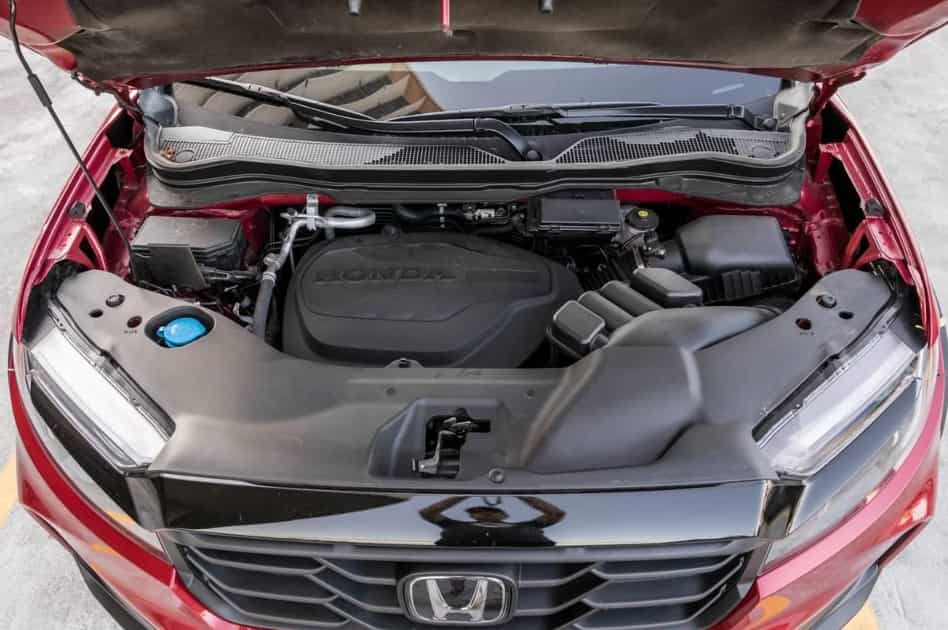
Honda Ridgeline Oil Change Quick Specifications
Before changing the engine oil, it helps to understand the basic service specifications. These details allow you to prepare the correct supplies and avoid common mistakes during maintenance. Although Honda Ridgeline models share the same engine across many production years, you should always verify the exact specifications for your vehicle because small changes may apply to different model years.
| Specification | Details |
|---|---|
| Recommended Oil Type | Full Synthetic Engine Oil |
| Recommended Oil Viscosity | SAE 0W20 |
| API Standard | API SP or newer |
| ILSAC Standard | ILSAC GF6 or newer |
| Engine | 3.5L V6 |
| Oil Capacity With Filter | Refer to the model year specifications below |
| Oil Filter | Honda OEM or an equivalent high quality filter |
| Typical Oil Change Interval | Follow the Honda Maintenance Minder system |
| Estimated DIY Time | 30 to 60 minutes |
| Difficulty Level | Easy to Moderate |
Using the correct engine oil is essential for proper lubrication and engine protection. Honda recommends full synthetic SAE 0W20 oil for most modern Ridgeline models because it performs well in both cold starts and high operating temperatures. It also helps improve fuel efficiency while reducing engine wear during daily driving and heavy towing.
Oil capacity is another specification that deserves careful attention. Never assume every Honda Ridgeline requires the same amount of oil. Capacity may vary slightly depending on the model year and whether you replace the oil filter during the service. For the most accurate results, add most of the required oil first, start the engine for a short period, and then check the dipstick after the oil has settled. Add more oil only if the level remains below the recommended range.
The oil filter also plays an important role in engine protection. A quality filter captures dirt, metal particles, and other contaminants before they circulate through the engine. Replacing the oil filter during every oil change helps maintain proper oil flow and supports longer engine life.
Finally, always follow the Honda Maintenance Minder instead of relying only on mileage. The system monitors real driving conditions and calculates the remaining oil life based on your driving habits. This approach provides a more accurate service schedule and helps prevent both early and overdue oil changes.
Honda Ridgeline Oil Type
Choosing the correct engine oil is essential for every Honda Ridgeline oil change. The right oil reduces friction, protects internal engine components, and helps maintain consistent performance in all driving conditions. It also supports better fuel economy and reduces long term engine wear.
Most modern Honda Ridgeline models use SAE 0W20 full synthetic engine oil. This viscosity flows quickly during cold starts and continues to protect the engine at normal operating temperatures. Honda recommends using an oil that meets the latest API and ILSAC standards because these certifications ensure excellent wear protection, sludge control, and overall engine performance.
Some earlier Honda Ridgeline models originally specified SAE 5W20 engine oil. Owners should always check the owner’s manual before purchasing oil because recommendations may vary by model year. Using the correct viscosity helps the engine operate efficiently and prevents unnecessary wear.
Full synthetic oil offers several advantages over conventional oil. It performs better in extreme temperatures, resists oxidation, and keeps the engine cleaner for longer periods. These benefits make it an excellent choice for daily driving, towing, heavy loads, and stop and go traffic.
Many owners also ask whether Honda Genuine Motor Oil is required. While Honda Genuine oil is designed specifically for Honda engines, many reputable aftermarket brands also meet the required specifications. The most important factor is choosing an oil with the correct viscosity and industry certifications.
Before every Honda Ridgeline oil change, confirm your truck’s model year and select the recommended engine oil. Using the correct oil is a simple step that helps improve reliability, extend engine life, and maintain peak performance.
Honda Ridgeline Oil Capacity by Model Year
Knowing the correct oil capacity is just as important as choosing the right engine oil. Adding too much or too little oil can affect engine performance and increase wear. During every Honda Ridgeline oil change, always follow the capacity specified for your model year and check the oil level with the dipstick after refilling.
The table below provides a quick reference for common Honda Ridgeline model years.
| Model Year | Engine | Recommended Oil | Oil Capacity With Filter |
|---|---|---|---|
| 2006 to 2014 | 3.5L V6 | SAE 5W20 | Refer to the owner’s manual |
| 2017 to 2025 | 3.5L V6 | SAE 0W20 Full Synthetic | Refer to the owner’s manual |
When changing the oil, replace the oil filter at the same time whenever possible. After installing the new filter, add most of the recommended oil capacity first. Start the engine for about one minute, then turn it off and wait several minutes for the oil to settle. Check the dipstick and add more oil only if the level is below the full mark.
Avoid overfilling the engine. Excess oil can create foam, increase crankcase pressure, and reduce lubrication efficiency. Likewise, running the engine with too little oil may cause inadequate lubrication and accelerate engine wear.
If you are unsure about the correct oil capacity for your Honda Ridgeline, consult the owner’s manual or verify the specifications for your exact model year before performing an oil change. Taking a few extra minutes to confirm the correct capacity helps protect the engine and ensures reliable performance.
Honda Ridgeline Oil Filter
Replacing the oil filter is an important part of every Honda Ridgeline oil change. A clean oil filter removes dirt, metal particles, and other contaminants before they circulate through the engine. Installing a new filter with every oil change helps maintain proper oil flow and improves long term engine protection.
Honda recommends using a genuine oil filter or a high quality aftermarket replacement that matches your truck’s model year and engine. A compatible filter provides the correct thread size, gasket fit, and filtration efficiency. Choosing the wrong filter may cause oil leaks or reduce lubrication performance.
Before installing the new filter, apply a thin layer of fresh engine oil to the rubber gasket. This simple step helps create a proper seal and makes the filter easier to remove during the next service. Tighten the filter by hand until the gasket contacts the mounting surface, then follow the manufacturer’s tightening instructions. Avoid using excessive force because overtightening may damage the gasket or make future removal difficult.
When removing the old filter, check that the rubber gasket comes off with it. An old gasket left on the engine can prevent the new filter from sealing correctly and may lead to an oil leak after the engine starts.
A quality oil filter works together with clean engine oil to protect critical engine components from premature wear. Replacing both parts during the same service keeps the lubrication system operating efficiently and helps your Honda Ridgeline deliver reliable performance throughout the recommended oil change interval.
Tools and Supplies Needed
Preparing the right tools before starting a Honda Ridgeline oil change makes the job faster, safer, and more efficient. Having everything within reach also reduces the chance of mistakes or interruptions during the service.
Start with the correct amount of engine oil and a compatible oil filter for your Honda Ridgeline. You should also replace the drain plug washer because a new washer helps create a proper seal and reduces the risk of oil leaks.
Basic hand tools include a socket wrench, the correct socket for the drain plug, an oil filter wrench, and a funnel for adding fresh oil. A drain pan is necessary to collect the used oil, while clean shop towels or paper towels make it easier to wipe away spills and keep the work area clean.
If your truck does not provide enough ground clearance, use a pair of ramps or approved jack stands to access the drain plug and oil filter safely. Always park on a level surface, apply the parking brake, and secure the wheels before working underneath the vehicle. Never rely on a hydraulic jack alone to support the truck.
Safety equipment is equally important. Wear protective gloves to keep used engine oil off your skin and use safety glasses to protect your eyes from debris or accidental splashes. After completing the service, transfer the used oil into a sealed container and take both the oil and the old filter to a recycling center or an authorized collection facility for proper disposal.
How to Change the Oil in a Honda Ridgeline
Changing the engine oil is a straightforward task when you follow the correct steps. Before you begin, park the truck on a level surface, apply the parking brake, and allow the engine to cool slightly. A warm engine helps the old oil drain more quickly, but the oil should not be hot enough to cause burns.
Open the hood and remove the oil filler cap. Position a drain pan beneath the oil pan, then loosen the drain plug with the correct socket. Allow the old oil to drain completely before installing a new drain plug washer and tightening the drain plug to the recommended specification. Replacing the washer during every service helps prevent future oil leaks.
Next, remove the old oil filter with an oil filter wrench if necessary. Check that the old rubber gasket is not stuck to the engine. Apply a thin layer of fresh engine oil to the gasket on the new filter, then install the filter by hand until it is properly seated. Avoid overtightening because this can damage the gasket and make the filter difficult to remove during the next service.
Pour fresh engine oil into the engine with a funnel. Start by adding slightly less than the recommended capacity. Start the engine and let it idle for about one minute. Turn the engine off and wait several minutes for the oil to settle. Check the dipstick and add more oil if needed until the level reaches the recommended range.
Finish the service by inspecting the drain plug and oil filter for leaks. Reset the Honda Maintenance Minder if required, record the service date and mileage, and recycle the used oil and filter responsibly.
Honda Ridgeline Drain Plug Torque
Using the correct drain plug torque is an important part of every Honda Ridgeline oil change. Tightening the drain plug to the proper specification creates a secure seal and helps prevent oil leaks without damaging the oil pan threads.
A drain plug that is too loose may allow engine oil to leak over time. Even a small leak can lower the oil level and reduce engine protection. On the other hand, applying too much torque can strip the threads, damage the oil pan, or crush the drain plug washer. These problems often require expensive repairs that are easy to avoid with the proper tools.
Honda recommends replacing the drain plug washer during every oil change. A new washer provides a better seal than a reused one and helps maintain the correct clamping force. Even if the old washer appears to be in good condition, replacing it is an inexpensive step that improves long term reliability.
Always use a calibrated torque wrench when tightening the drain plug. Following the manufacturer’s specification is more accurate than tightening the plug by feel. If you do not have access to the official service information, consult the owner’s manual or a trusted repair guide for the correct torque value before completing the job.
After tightening the drain plug and refilling the engine with fresh oil, start the engine and inspect the area around the drain plug. If you notice any oil seepage, stop the engine and correct the problem before driving. A careful final inspection helps ensure your Honda Ridgeline oil change is complete and free from leaks.
How to Reset the Honda Ridgeline Oil Life
After completing a Honda Ridgeline oil change, reset the Maintenance Minder to allow the system to track the next service interval accurately. The oil life monitor does not detect fresh engine oil automatically, so you must perform the reset manually after every oil change.
The reset procedure varies by model year. On many newer Honda Ridgeline models, turn the ignition to the ON position without starting the engine. Use the steering wheel controls to open the vehicle settings menu and select the Maintenance Minder or Maintenance Information screen. Choose the oil life reset option, then confirm the selection when prompted. The display should return to 100 percent after the process is complete.
Older Honda Ridgeline models may use dashboard buttons instead of steering wheel controls. In most cases, hold the appropriate button until the oil life indicator begins to flash. Continue holding the button until the display resets. Always check the owner’s manual if the menu or button layout differs from your vehicle.
If the oil life does not reset, verify that you selected the correct menu and completed the confirmation step. A weak battery or an interrupted reset process can also prevent the system from updating correctly. Repeat the procedure if necessary before assuming there is a problem with the vehicle.
Reset the Maintenance Minder only after replacing the engine oil and oil filter. Resetting the system before completing the service creates inaccurate maintenance records and may cause you to miss the next scheduled oil change.
Honda Ridgeline Oil Change Interval
Knowing when to schedule a Honda Ridgeline oil change is just as important as using the correct engine oil. Regular oil changes keep the engine clean, reduce internal wear, and help maintain reliable performance. Instead of following a fixed mileage schedule, Honda recommends using the Maintenance Minder system to determine the best time for service.
The Maintenance Minder monitors driving conditions, engine operation, and oil life to calculate the remaining service interval. Under normal driving conditions, many Honda Ridgeline owners may not need an oil change until the oil life reaches 15 percent. When the display shows 5 percent, you should schedule service as soon as possible. A reading of 0 percent indicates that the oil change is overdue and should not be delayed.
Driving habits can significantly affect oil life. Frequent towing, heavy loads, stop and go traffic, short trips, extreme temperatures, and dusty roads place additional stress on the engine. Under these conditions, the oil may degrade more quickly, causing the Maintenance Minder to recommend service sooner than expected.
Even if you drive only a few miles each month, engine oil continues to age over time. Moisture, fuel dilution, and oxidation gradually reduce its effectiveness. For this reason, many owners choose to change the oil at least once a year, even if the Maintenance Minder has not reached the recommended service point.
Checking the oil level regularly between oil changes is also a good habit. Maintaining the correct oil level and following the Maintenance Minder help protect your Honda Ridgeline engine and support dependable performance for years to come.
Honda Ridgeline Oil Change Cost
The cost of a Honda Ridgeline oil change depends on where you have the service performed and the type of engine oil you choose. Prices also vary by location, labor rates, and the quality of replacement parts. Understanding these factors helps you decide whether a DIY oil change or professional service offers the best value.
A DIY oil change is usually the most affordable option. You only need to purchase engine oil, an oil filter, and a new drain plug washer. If you already own the necessary tools, you can save money while gaining confidence in maintaining your truck. However, you should follow the correct procedures and use the recommended parts to avoid costly mistakes.
Many owners prefer visiting a Honda dealership or an independent repair shop. Professional technicians can complete the service quickly and inspect other components while the vehicle is in the shop. This option is convenient for drivers who have limited time or prefer expert assistance. Service costs are generally higher because they include labor and shop overhead.
No matter which option you choose, avoid selecting the lowest price based on cost alone. High quality engine oil and a compatible oil filter provide better protection than low quality alternatives. Spending a little more on the correct products can help reduce engine wear and extend the life of your Honda Ridgeline.
Routine oil changes are one of the most affordable maintenance services you can perform. Following the recommended service interval and using the correct parts can help prevent expensive engine repairs and keep your truck operating reliably for many years.
Common Honda Ridgeline Oil Change Mistakes
Even a simple Honda Ridgeline oil change can lead to problems if you overlook important steps. Understanding the most common mistakes helps protect your engine and ensures every oil change delivers the expected results.
One common mistake is using the wrong oil viscosity. Engine oil that does not match Honda’s recommendation may reduce lubrication during cold starts or under heavy loads. Always confirm the correct specification for your model year before purchasing engine oil.
Another frequent error is installing the wrong oil filter or reusing the old drain plug washer. An incorrect filter may not seal properly, while an old washer can allow oil to leak after the service. Replacing both parts during every oil change improves reliability and reduces the risk of future problems.
Many owners also add too much or too little engine oil. Overfilling can increase crankcase pressure and reduce lubrication efficiency. Running the engine with a low oil level may accelerate wear and increase engine temperature. Always check the dipstick after the oil has settled and adjust the level if necessary.
Some drivers forget to inspect the drain plug and oil filter after starting the engine. A quick visual inspection helps identify leaks before they become serious. It is also important to reset the Honda Maintenance Minder only after completing the oil change. Resetting the system too early can create an inaccurate maintenance schedule.
Taking a few extra minutes to verify each step helps you avoid unnecessary repairs and keeps your Honda Ridgeline running smoothly. Careful preparation and attention to detail make every oil change safer, cleaner, and more effective.
Frequently Asked Questions
What type of oil does a Honda Ridgeline use?
Most newer Honda Ridgeline models use SAE 0W20 full synthetic engine oil. Some earlier models may recommend SAE 5W20. Always check your owner’s manual to confirm the correct oil specification for your model year before performing an oil change.
How much oil does a Honda Ridgeline need?
Oil capacity varies by model year and whether you replace the oil filter during the service. Always verify the correct capacity for your vehicle, add most of the required oil first, and use the dipstick to confirm the final oil level.
How often should I change the oil in a Honda Ridgeline?
Honda recommends following the Maintenance Minder system instead of a fixed mileage interval. Under normal driving conditions, many owners schedule an oil change when the oil life reaches 15 percent and avoid driving once it reaches 0 percent.
Can I use 5W20 instead of 0W20?
Only use SAE 5W20 if it is approved for your specific Honda Ridgeline model year. Most newer models require SAE 0W20 full synthetic oil for the best balance of engine protection, fuel efficiency, and cold weather performance.
Should I replace the oil filter with every oil change?
Yes. Replacing the oil filter during every Honda Ridgeline oil change helps remove contaminants from the lubrication system and allows clean engine oil to circulate more effectively.
What happens if I overfill the engine oil?
Too much engine oil can create foam, increase crankcase pressure, and reduce lubrication efficiency. Overfilling may also cause oil leaks and affect engine performance. Always check the dipstick after refilling and adjust the oil level if necessary.
Can I change the oil myself?
Yes. Many Honda Ridgeline owners perform their own oil changes with basic tools and the correct replacement parts. Following the recommended procedure and using the proper engine oil and filter help ensure safe and reliable results.
Conclusion
Performing a Honda Ridgeline oil change on time is one of the best ways to protect your engine and maintain dependable performance. Choosing the correct engine oil, using a compatible oil filter, and following the recommended oil capacity all contribute to a reliable lubrication system. Small details, such as replacing the drain plug washer, checking the oil level with the dipstick, and inspecting for leaks, can also make a significant difference over the life of your truck.
Honda’s Maintenance Minder makes it easier to determine the right time for service based on your driving habits. Following this system, instead of relying only on mileage, helps keep the engine running efficiently under both normal and demanding conditions. Whether you drive daily, tow heavy loads, or travel long distances, routine oil changes remain one of the most valuable maintenance tasks you can perform.
By following the guidance in this article, you can complete a Honda Ridgeline oil change with greater confidence or better understand the work performed during professional service. Regular maintenance not only supports engine reliability but also helps reduce repair costs and preserve the long term value of your Honda Ridgeline. Always verify the specifications for your model year before beginning any maintenance to ensure the best possible results.